Source Car Film for Window Protection, Body Armor, and Heat Insulation
Compare 30 Car Film options featuring materials like TPU, PET, and PVC with functions including UV proof, self-healing, and heat insulation. Buyers can evaluate specifications such as thickness, tensile strength, and customization availability to find suitable solutions for window protection, body armor, and heat insulation applications.
Key considerations
Products List


$64.00 - $132.00
MOQ: 1 Rolls


$0.17 - $0.18
MOQ: 30000 Square Meters

$0.10 - $0.20
MOQ: 30000 Square Meters

$0.10 - $0.20
MOQ: 30000 Square Meters


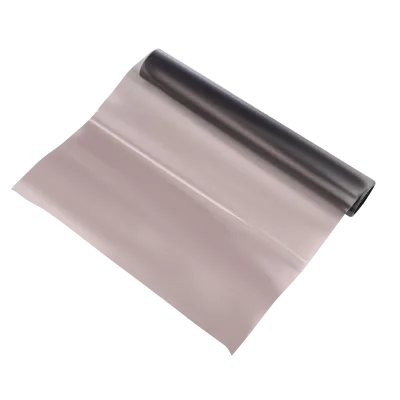

Negotiable
MOQ: 30 Meters


Negotiable
MOQ: 1 Rolls
Comprehensive Sourcing Guide
Strategic Sourcing Guide for Automotive Film Procurement
Navigating the global market for automotive films requires a disciplined approach that balances technical performance with supply chain reliability. Buyers in the B2B sector must move beyond generic marketing claims and focus on verifiable product attributes, material science, and standardized testing protocols. The automotive film category encompasses a diverse range of products, from protective body films to functional window tints, each serving distinct purposes in vehicle maintenance and customization. This guide outlines the critical factors procurement professionals must evaluate to ensure the acquisition of high-quality materials that meet rigorous industry standards.
Material Composition and Functional Attributes
The foundation of any automotive film selection lies in understanding the base material and its inherent functional properties. The market currently features three primary material types: Thermoplastic Polyurethane (TPU), Polyethylene Terephthalate (PET), and Polyvinyl Chloride (PVC). Each material offers a unique profile regarding durability, flexibility, and application suitability.
TPU films are frequently observed in high-performance applications requiring self-healing capabilities. Data indicates that TPU-based products often possess attributes such as UV proofing, sand proofing, and anti-scratch resistance. These films are typically designed for body protection, offering a transparent finish that maintains the vehicle's aesthetic while shielding the paint. The thickness of TPU films in the observed dataset ranges around 6.5 mil, with specific models like the EM3 demonstrating a gloss level of approximately 143 to 145 units and a tensile strength between 23 and 24 MPa.
In contrast, PET films are commonly associated with window applications and advanced functional layers. These materials often utilize Nano Ceramic technology to provide heat insulation, privacy protection, and explosion-proofing. The functional scope of PET films is broader, including color-changing capabilities and heat insulation, making them suitable for both aesthetic and thermal management needs. The standard dimensions for these films often align with a width of 1.52 meters and a length of 15 meters, facilitating large-scale coverage.
PVC films represent a different segment, often characterized by specific glue types and release paper specifications. These films may feature removable glue and clear adhesive colors, with a thickness of approximately 100 microns. The presence of specific release papers, such as 140 GSM variants, suggests a focus on ease of application and handling during the installation process.
Technical Specifications and Performance Metrics
When evaluating automotive films, buyers must scrutinize specific technical metrics that define performance under real-world conditions. Thickness is a primary differentiator, with observed values ranging from 50 microns to 6.5 mils. Thicker films generally offer superior impact resistance, while thinner variants may be preferred for specific window applications where optical clarity is paramount.
Tensile strength is another critical parameter. For TPU materials, tensile strength values around 23-24 MPa are standard. However, other material configurations, such as those utilizing layered functional structures, may exhibit higher directional tensile strengths. For instance, MD (Machine Direction) tensile strength can reach 35 N/mm, with elongation capabilities up to 500%, while TD (Transverse Direction) strength may be 32 N/mm with elongation up to 750%. These figures indicate the film's ability to stretch and recover without tearing, a vital trait for body films that must conform to complex vehicle curves.
Adhesion properties are equally important. The 180° peel strength is a key indicator of bond durability, with observed values reaching 160g/inch for certain layered films. The type of glue used, whether removable or permanent, significantly impacts the long-term maintenance of the vehicle. Furthermore, the hardness of the film, described as "soft" in some contexts, influences the tactile feel and the ease of repair or removal.
Compliance, Certification, and Standardization
Ensuring that automotive films meet international safety and environmental standards is a non-negotiable aspect of B2B procurement. While specific certification statuses vary by supplier, buyers should verify the presence of recognized quality management systems. The ISO certification is a standard benchmark observed in the market, indicating that the manufacturer adheres to established quality control processes.
Standardization of product dimensions is also crucial for inventory management and installation efficiency. Common standard dimensions include 1.52 meters by 15 meters (equivalent to 60 inches by 50 feet). This standardization ensures compatibility with existing machinery and installation tools used by professional installers. Additionally, packaging standards play a role in logistics; products are typically shipped in cartons, sometimes palletized for bulk transport, with specific packing sizes such as 1591821 cm for individual rolls.
Buyers must also be vigilant regarding environmental compliance. While specific claims like REACH or ROHS may appear in background data, the primary verification should focus on the manufacturer's ability to provide documentation proving compliance with relevant regional regulations. The absence of hydrophobic properties in some TPU variants, contrasted with the presence of hydrophobic features in others, highlights the need to verify specific functional claims against the product data sheet rather than relying on general category assumptions.
Cost Drivers and Economic Considerations
The pricing of automotive films is influenced by a complex interplay of material costs, manufacturing complexity, and order volume. The observed price range in the market spans from $0.10 to $325 USD, reflecting the vast difference between basic PVC films and high-end self-healing TPU or nano-ceramic PET films. The cost per unit is not linear; it often scales with the inclusion of advanced features such as self-healing technology, heat insulation, or explosion-proofing capabilities.
Minimum Order Quantity (MOQ) is another significant economic factor. The market exhibits a wide MOQ range, from 1 roll to 30,000 units. For smaller buyers or those testing new product lines, an MOQ of 1 roll is highly advantageous, allowing for flexibility without excessive capital commitment. Conversely, larger distributors may leverage high-volume orders to negotiate better pricing tiers, though the specific discount structures are supplier-dependent.
Packaging and logistics also contribute to the total cost of ownership. Films packed in cartons and then palletized require different handling and shipping costs compared to single-roll shipments. The weight of the product, such as the 12 kg observed for certain PET film rolls, directly impacts freight charges. Buyers should calculate the landed cost, including shipping, duties, and insurance, rather than focusing solely on the unit price.
Supplier Evaluation and Quality Assurance
Selecting the right supplier requires a multi-faceted evaluation process that goes beyond price comparisons. The origin of the product is a key indicator; the majority of automotive films in the current market originate from China. While this does not inherently dictate quality, it necessitates a thorough vetting of the supplier's manufacturing capabilities and quality control infrastructure.
Suppliers should be evaluated on their ability to provide consistent product attributes. For example, a supplier offering TPU films must consistently deliver the specified 6.5 mil thickness and the requisite tensile strength. Variations in gloss levels or hardness can indicate inconsistencies in the production process. Buyers should request samples to verify physical attributes such as transparency, color, and the presence of functional layers like the "Functional Layer" observed in some PET films.
Quality assurance protocols should be a prerequisite for partnership. This includes verifying the supplier's adherence to export standards and their ability to maintain consistent packaging integrity. The use of PE protection tape or specific packing standards like "Cartons and Then Pallets" suggests a mature logistics operation. Furthermore, the availability of customization is a significant value-add, allowing buyers to tailor products to specific market needs.
Typical Applications and Market Segmentation
Automotive films serve a variety of applications, primarily categorized by their position on the vehicle. Body films are designed for exterior protection, offering UV proofing, self-healing, and sand proofing to preserve the vehicle's paintwork. These films are typically transparent and must withstand environmental stressors without degrading.
Window films, on the other hand, focus on thermal management and privacy. These films often utilize Nano Ceramic technology to block heat while maintaining visibility. The black color option is common for window films, providing privacy protection and glare reduction. The explosion-proof attribute is particularly relevant for window films, offering a safety benefit by holding shattered glass together in the event of an impact.
The versatility of these materials allows for niche applications, such as color-changing films or those with specific heat insulation properties. The layered structure of some films, such as those with LDPE heat seals, enables complex functional integration. Buyers should align their product selection with the specific needs of their target customer base, whether it is high-end detailing shops requiring self-healing body films or fleet managers seeking cost-effective window protection.
Long-Term Procurement and Supply Chain Resilience
Sourcing automotive films is not merely a transactional activity but a strategic long-term partnership. Buyers must consider the stability of the supply chain, including lead times and the ability to scale production. The observed MOQ ranges suggest that suppliers are capable of accommodating both small and large orders, but consistency in delivery schedules is critical for maintaining business operations.
Future-proofing the procurement strategy involves staying informed about technological advancements. As the market evolves, new materials and functional enhancements, such as improved hydrophobic properties or advanced UV protection, will become standard. Buyers should maintain a flexible approach, allowing for the integration of new product models like the HSL3 or ACC2011 as they become available.
Finally, maintaining a robust relationship with suppliers ensures access to technical support and after-sales service. In the event of quality issues, a reliable supplier will provide prompt resolution, minimizing downtime for installers and customers. By focusing on verified specifications, certified standards, and a clear understanding of material properties, buyers can build a resilient supply chain that delivers high-quality automotive films consistently.
FAQs
What materials are used for car films?
Car films are primarily made from TPU, PET, and PVC materials. TPU offers self-healing properties for body protection, while PET is used for window films with nano ceramic technology, and PVC variants feature removable glue for specific applications.
Can car films be customized for buyers?
Yes, customization is available for Car Film products. Buyers can request specific attributes to meet unique requirements, allowing for tailored solutions that align with different vehicle models and functional needs without compromising quality standards.
What is the typical thickness of TPU car films?
The thickness of TPU car films is typically around 6.5 mil. This dimension provides a balance between durability and flexibility, ensuring the film can withstand environmental stressors while conforming to complex vehicle curves during installation.
Which certifications do Car Film manufacturers hold?
Manufacturers often hold ISO certification to ensure quality management processes. This standard indicates adherence to established quality control protocols, providing buyers with confidence in the consistency and reliability of the automotive film production and supply chain.
How does the MOQ vary for Car Film orders?
The minimum order quantity ranges from 1 roll up to 30,000 units depending on the supplier and product type. Smaller buyers can start with a single roll, while larger distributors may leverage high-volume orders to optimize logistics and costs.
What is the origin of most Car Film products?
The majority of Car Film products originate from China. This location is a key indicator for sourcing, requiring buyers to vet supplier manufacturing capabilities and quality control infrastructure to ensure the products meet international safety and performance standards.