Source Outdoor Waterproof IR IP Camera for Security, Retail, and Warehouses
Find 30 Outdoor Waterproof IR IP Camera options for security, retail, and warehouse monitoring. Compare models with CCD and CMOS sensors, varying resolutions, and IR distances to select the right surveillance solution for your needs; compare the available evidence and request quotations based on your requirements.
Updated
Key considerations
Products List


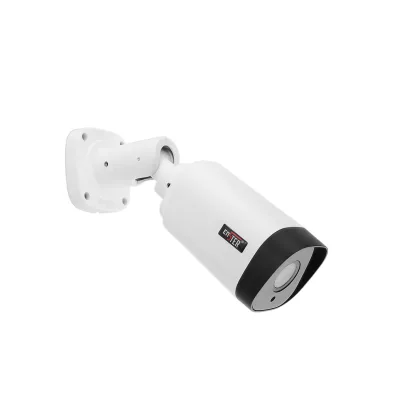
HOT Outdoor IP Camera H.265 4K 8.0MP Bullet IP Camera Weatherproof IP66
$60.5805 - $61.6068
MOQ: 2 boxes
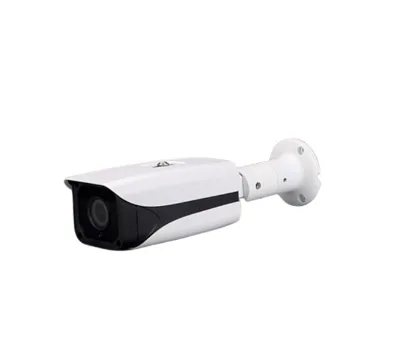
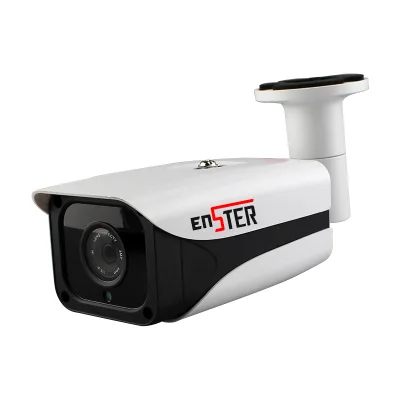
Best Seller Outdoor Waterproof Surveillance 3MP Bullet Security Ip Network Camera
$24.3145 - $26.3685
MOQ: 1 pieces
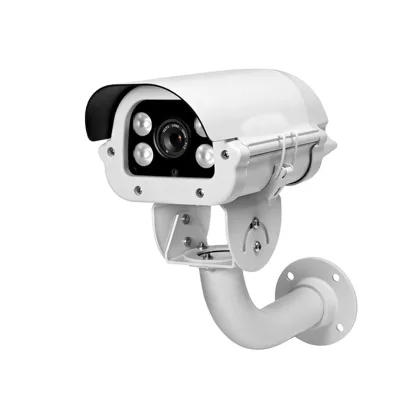

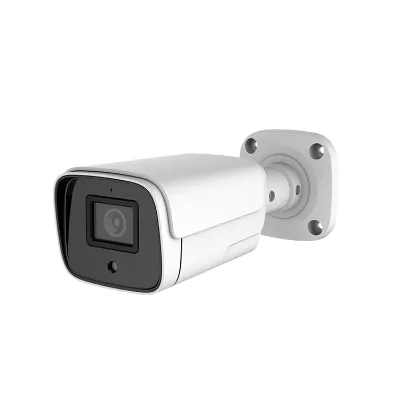
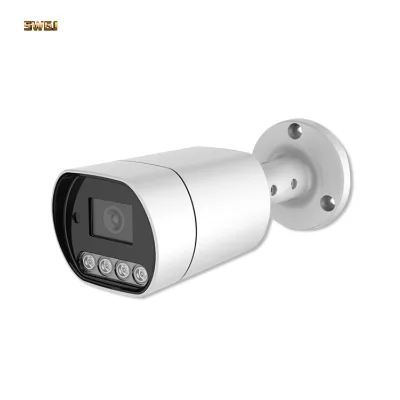
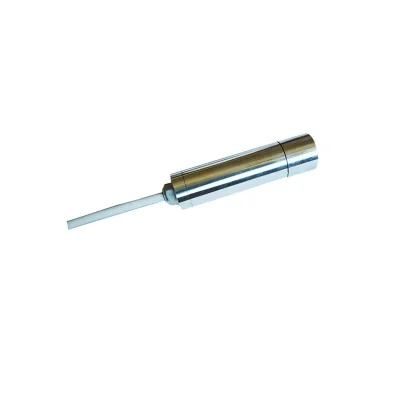
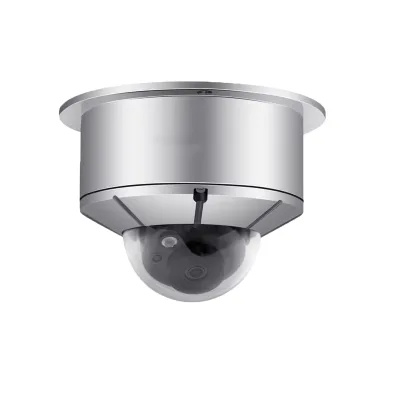
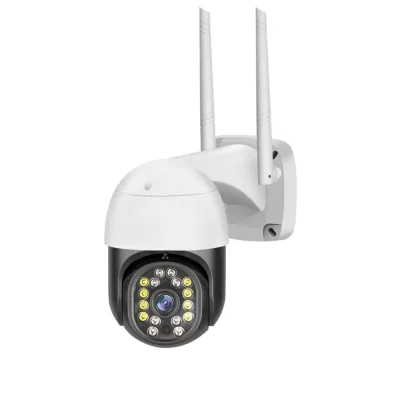
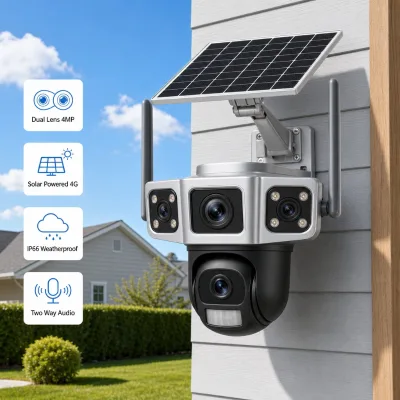
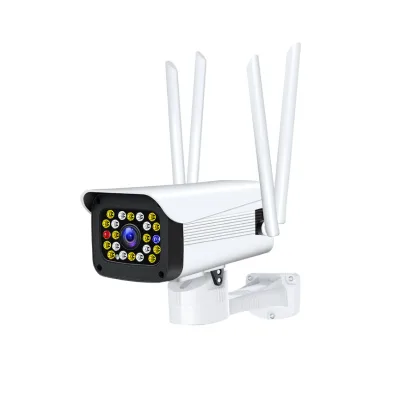


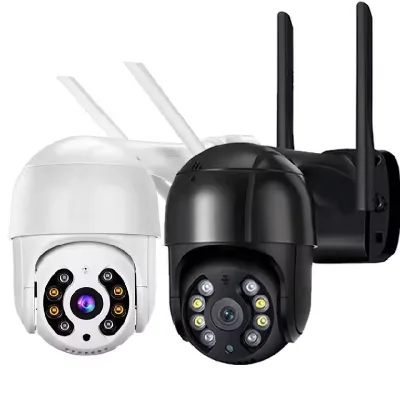
Comprehensive Sourcing Guide
Outdoor Waterproof IR IP Camera Sourcing Guide
Procuring outdoor infrared IP cameras requires careful evaluation of environmental resilience and image clarity under low-light conditions. Buyers must prioritize devices that combine robust physical housing with advanced sensor technology to ensure consistent performance in varying weather conditions. The market offers a range of options, from fixed-focus lenses to autofocus capabilities, each suited for different surveillance needs. Understanding the specific technical attributes, such as sensor type and infrared distance, is essential for selecting the right hardware for long-term deployment.
This guide outlines the critical factors for sourcing these devices, focusing on verified specifications and commercial terms. It addresses the importance of checking certifications, understanding cost drivers, and verifying supplier qualifications. By adhering to these procurement principles, buyers can mitigate risks associated with product failure and ensure compliance with international standards. The following sections provide detailed insights into product scope, technical verification, and quality control measures necessary for successful sourcing.
Product Scope and Observed Listing Signals
The current market for outdoor waterproof IR IP cameras presents a diverse array of models with varying specifications and price points. Observed listings indicate a price range from $8.99 to $385, reflecting differences in resolution, sensor quality, and additional features like two-way audio. The minimum order quantity (MOQ) typically spans from 1 to 100 units, offering flexibility for both small-scale pilots and large-scale deployments. Buyers should note that effective distances for infrared illumination generally start at 30 meters, with some models extending up to 40 meters, ensuring adequate coverage for perimeter security.
Product attributes vary significantly, with options including CCD and CMOS sensors, fixed and autofocus lenses, and various housing styles such as box and bullet cameras. Some models feature high-definition outputs up to 1080P, while others offer 960P or 5MP resolutions. Additional features like auto white balance, day/night switching, and wide-angle views enhance functionality. Buyers must carefully review these attributes to match specific surveillance requirements, ensuring that the selected camera meets the necessary resolution and field-of-view standards for their intended application.
Technical Specifications to Verify
Verifying technical specifications is crucial for ensuring that the selected IP camera meets performance expectations. Key attributes to confirm include the sensor size, which can be 1/3 inch or 1/4 inch, and the type of sensor, either CCD or CMOS. The lens style, whether fixed focus or autofocus, impacts image clarity and maintenance requirements. Additionally, the infrared LED configuration, such as array LEDs, determines the effective night vision range. Buyers should also check the HDMI format support, with options ranging from 960P to 1080P, to ensure compatibility with existing monitoring systems.
Other critical specifications include the waterproof level, often rated IP66, and the presence of features like auto back light compensation (BLC) and wide dynamic range (WDR). Video compression standards, such as H.265+/H.265/H.264+/H.264, affect storage efficiency and bandwidth usage. Some models support standard ONV protocol, ensuring interoperability with various video management software. Buyers must verify these details to avoid compatibility issues and ensure that the camera provides the desired image quality and operational reliability in outdoor environments.
Compliance and Safety Documentation
Compliance with international standards is essential for importing and deploying IP cameras in various markets. Common certifications observed in listings include CE, FCC, and RoHS, indicating adherence to electromagnetic compatibility and environmental safety regulations. Some suppliers also provide EMI/EMC and ISO9001 certifications, which further validate quality management systems and product safety. Buyers should request valid certification documents to ensure that the products meet the regulatory requirements of their target regions, avoiding potential customs delays or legal issues.
In addition to certifications, buyers should verify the product origin, with many suppliers based in Shenzhen, China. The standard packaging, such as natural packages or standard export cartons, should be confirmed to ensure safe transportation. Understanding the packaging standards helps in planning logistics and storage. Buyers must also check for any specific safety warnings or operational guidelines provided by the supplier, ensuring that the installation and maintenance procedures comply with local electrical and safety codes.
Cost Drivers and Commercial Terms
Several factors influence the cost of outdoor waterproof IR IP cameras, including resolution, sensor type, and additional features. Higher resolutions, such as 5MP or 8MP, and advanced sensors like CMOS typically command higher prices. Features like two-way audio, wide-angle lenses, and specialized infrared LEDs also contribute to cost variations. Buyers should compare prices across different suppliers, considering the MOQ and bulk discount structures. The observed price range of $8.99 to $385 reflects these differences, allowing buyers to align their budget with their specific requirements.
Commercial terms, including payment methods, shipping options, and lead times, are critical for successful procurement. Buyers should negotiate clear terms regarding warranty, return policies, and after-sales support. Understanding the total cost of ownership, including installation and maintenance expenses, is essential for making informed decisions. Suppliers may offer customization options, which can affect pricing and lead times. Buyers must ensure that all commercial terms are clearly documented in the purchase agreement to avoid disputes and ensure smooth transaction processes.
Supplier Qualification and Quality Control
Evaluating supplier qualifications is vital for ensuring product reliability and consistent supply. Buyers should verify the supplier’s business license, manufacturing capabilities, and quality control processes. Suppliers with ISO9001 certification demonstrate a commitment to quality management, which can reduce the risk of defects. It is also important to check the supplier’s experience in exporting IP cameras and their ability to provide technical support. Buyers may request product samples to test performance and durability before placing large orders.
Quality control measures, such as pre-shipment inspections and testing protocols, should be confirmed with the supplier. Buyers should inquire about the testing standards used for waterproofing, infrared performance, and image quality. Establishing a clear communication channel with the supplier ensures that any issues are addressed promptly. Building a long-term relationship with a reliable supplier can lead to better pricing, priority support, and access to new product innovations. Buyers must prioritize suppliers with a proven track record of delivering high-quality products.
Long-Term Procurement Checks
Long-term procurement success depends on regular performance monitoring and supplier relationship management. Buyers should establish key performance indicators (KPIs) for product quality, delivery times, and customer support. Regular audits of supplier facilities and quality control processes can help maintain high standards. Buyers should also stay updated on technological advancements in IP camera technology, such as improved video compression algorithms and enhanced night vision capabilities, to ensure their procurement strategy remains competitive.
Feedback from end-users and field performance data should be used to refine procurement decisions. Buyers should document any recurring issues or failures and share this information with the supplier to drive continuous improvement. Maintaining a diverse supplier base can mitigate risks associated with supply chain disruptions. Buyers must also ensure that their procurement processes comply with evolving regulatory requirements and industry best practices. By focusing on long-term value and reliability, buyers can build a robust and efficient supply chain for outdoor waterproof IR IP cameras.
FAQs
What certifications do these outdoor waterproof IR IP cameras have?
These cameras typically hold CE, FCC, and RoHS certifications to ensure regulatory compliance in various markets. Some models also include EMI/EMC and ISO9001 standards for quality assurance. Buyers should verify specific documentation with suppliers to confirm that the listed certifications match the exact batch and intended export destination requirements.
How far is the effective infrared distance for these cameras?
The effective infrared distance generally ranges from 10-30 meters up to 30 meters or more depending on the specific model. Some units feature array IR LEDs providing 30-40 meters of night vision capability. This range ensures clear visibility in low-light outdoor environments, making them suitable for perimeter security and large area monitoring applications.
Can these cameras support high-definition video resolution?
Yes, many models support high-definition resolutions including 960P, 1080P, 5MP, and 8MP options. The HDMI format varies by model, with some offering 960P and others providing 1080P output. These resolutions ensure detailed image capture for surveillance purposes, allowing users to select the appropriate clarity level based on their specific security monitoring needs and bandwidth constraints.
What is the minimum order quantity for these IP cameras?
The minimum order quantity typically ranges from 1 to 100 units, offering flexibility for both small and large procurement projects. This wide MOQ range allows buyers to test samples or place bulk orders without excessive initial investment. Suppliers often adjust pricing tiers based on the volume ordered, so checking specific quotes is recommended for accurate cost planning.
Are customization options available for these outdoor cameras?
Customization is available for many of these outdoor waterproof IR IP cameras, allowing buyers to tailor features to their specific requirements. Options may include lens type, resolution, and packaging preferences. Buyers should communicate their specific needs directly with manufacturers to ensure that the customized product meets their technical specifications and operational standards for their intended deployment environment.