Source Overload Protection Paddle Mixer for Food, Agriculture, Industry
Find 30 verified suppliers offering Overload Protection Paddle Mixer units designed for powder and liquid processing. Compare specifications including mixing capacity, power ratings, and stirring types to select the right equipment for your industrial or agricultural needs.
Key considerations
Products List


$10000.00 - $43000.00
MOQ: 1 Pieces

$10000.00 - $42000.00
MOQ: 1 Pieces

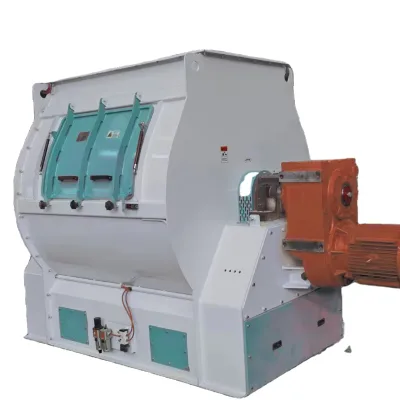
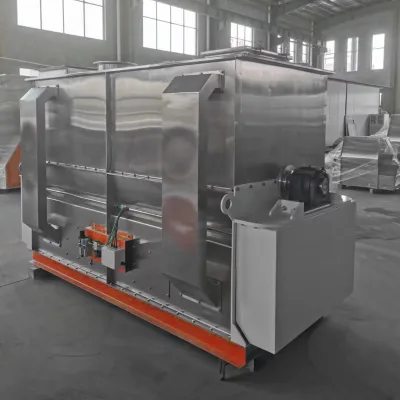


Twin Shaft Paddle Non-Gravity Mixer for Efficient Mortar Production
$36000.00 - $38000.00
MOQ: 1 Pieces

Twin Shaft Paddle Non-Gravity Mixer for Superior Mixing Performance
$36000.00 - $38000.00
MOQ: 1 Pieces

Comprehensive Sourcing Guide
Strategic Sourcing Guide for Overload Protection Paddle Mixers
Understanding the Core Technology and Operational Mechanics
When sourcing an Overload Protection Paddle Mixer, buyers must first distinguish the specific mechanical architecture that defines this equipment class. The fundamental design relies on a horizontal layout where stirring is achieved through paddle mechanisms rather than high-shear impellers or vertical shafts. This configuration is particularly effective for handling dry powders and granules, ensuring uniform distribution without generating excessive heat or dust. The observed operational data indicates that these units typically function as shear mixers or paddle mixers, operating within a continuous working mode that supports high-volume industrial throughput.
The rotational dynamics of these mixers are a critical factor in procurement decisions. Market observations reveal a speed range that varies significantly between models, with some units operating between 30 and 39 revolutions per minute (R/min), while others are designed for lower speeds under 30 R/min. This variance suggests that the selection process must align the mixer's rotation speed with the specific viscosity and flow characteristics of the material being processed. For applications involving liquids with suspended solids, the paddle design must be robust enough to prevent settling while maintaining the integrity of the suspension. The mixing drum shape is predominantly circular groove, which aids in the self-cleaning action of the paddles and ensures that material does not accumulate in dead zones.
Power consumption is another defining characteristic of these machines. The available data points to a power range of 10-15KW for smaller or more efficient models, while larger capacity units may require 15-20KW to drive the paddles effectively. This power requirement directly correlates with the mixing capacity, which can range from 200 liters up to 2000 liters or even higher, depending on the specific model configuration. Buyers should verify that the motor specifications match the intended batch size to avoid under-powering the system, which leads to incomplete mixing, or over-powering, which results in unnecessary energy costs and potential mechanical stress.
Technical Specifications and Performance Parameters
A rigorous evaluation of technical specifications is essential to ensure the selected mixer meets the operational demands of the facility. The physical dimensions and weight of the unit are critical for logistics and installation planning. Observed weight data varies considerably, with specific models weighing as little as 350 kilograms or as much as 850 kilograms, indicating a wide spectrum of industrial sizes. The dimension specifications often refer to volume rather than linear measurements, requiring buyers to request precise length, width, and height data from suppliers to ensure the equipment fits within the designated plant floor space.
The stirring type is a primary differentiator in this category. While standard paddle mixers utilize a simple paddle arrangement, advanced models may feature forced stirring mechanisms or removable mixing paddles. Removable paddles offer a distinct advantage for maintenance and cleaning, allowing operators to access the interior of the drum easily. This feature is particularly valuable in industries where cross-contamination is a risk, such as food processing or pharmaceutical manufacturing. The ability to remove paddles facilitates a thorough cleaning process, ensuring that the mixer remains compliant with hygiene standards.
Speed control mechanisms also play a pivotal role in the performance of the mixer. Some units are equipped with single-speed controls, which provide a fixed rotation rate suitable for consistent, high-volume production runs. However, for applications requiring variable processing speeds, buyers should inquire about the availability of variable frequency drives (VFDs) or multi-speed options. The observed rotation speeds include specific values such as 35, 52, and 88 revolutions per minute, suggesting that some models offer a tiered speed selection to accommodate different material densities.
The method of treatment for these mixers is strictly physical, meaning they rely on mechanical agitation rather than chemical or thermal processes. This distinction is important for applications where the integrity of the raw materials must be preserved without alteration. The core components of these machines typically include a robust engine, which serves as the heart of the operation. The reliability of the engine and the quality of the transmission system will directly impact the longevity and uptime of the equipment. Buyers should verify the source and quality of these core components to ensure they meet the durability standards required for continuous industrial operation.
Compliance, Certification, and Safety Standards
Navigating the regulatory landscape is a non-negotiable aspect of sourcing industrial mixing equipment. The presence of specific certifications serves as a proxy for the manufacturer's commitment to quality and safety. The most prominent certifications observed in the market for these mixers include ISO and CE. The CE marking indicates compliance with European health, safety, and environmental protection standards, which is often a prerequisite for exporting machinery to international markets. The ISO certification, particularly ISO 9001, signifies that the manufacturer adheres to a recognized quality management system, ensuring consistent product quality and process control.
Safety features are paramount, especially given the core keyword of "overload protection." While the specific technical implementation of overload protection mechanisms may vary, the presence of such a feature is a critical requirement for preventing motor burnout and mechanical failure. Buyers must verify that the overload protection is integrated into the electrical control system and is capable of detecting excessive current or torque before damage occurs. Additionally, the waterproof rating of the electrical components is a key safety consideration. An IP68 rating, for instance, indicates that the equipment is dust-tight and can be submerged in water, making it suitable for environments where washing down or exposure to moisture is common.
Standards compliance extends beyond certifications to include specific product standards. Some models are listed with standards such as CE and ISO 9001, while others may reference specific dimensional or performance standards like 120*20 or power ratings of 0.37-1.1KW. It is crucial for buyers to understand that these standards may apply to specific sub-components or model variants rather than the entire product line. Therefore, the procurement process must include a detailed review of the product data sheet to confirm that the specific model being purchased meets all relevant local and international safety and performance standards.
Cost Drivers and Procurement Economics
The total cost of ownership for an Overload Protection Paddle Mixer is influenced by several factors beyond the initial purchase price. The observed price range in the market is substantial, spanning from 200 to 50,000 USD. This wide variance is driven by differences in mixing capacity, power rating, material construction, and the level of automation or customization offered. Smaller units with lower power ratings and basic paddle configurations will naturally fall at the lower end of the spectrum, while large-scale industrial mixers with advanced control systems, high-capacity drums, and specialized materials will command premium prices.
The minimum order quantity (MOQ) is another economic factor to consider. In many cases, the MOQ for these mixers is set at a single unit, allowing buyers to purchase exactly what is needed without the burden of bulk inventory. This flexibility is beneficial for small to medium-sized enterprises or for pilot projects where the demand volume is not yet fully established. However, buyers should be aware that customization options, such as specific dimensions or specialized paddle designs, may introduce additional costs or longer lead times, even if the base MOQ remains low.
Packaging and logistics also contribute to the overall cost. The standard packaging for these machines often involves plywood wooden cartons or polywood cases, which are designed to protect the equipment during transit. For larger or more delicate units, the packaging may be customized to specific requirements, which can increase shipping costs. The origin of the product, typically China, also influences the logistics chain, with shipping times and freight costs varying based on the destination and the chosen mode of transport. Buyers should factor in these logistical expenses when comparing quotes from different suppliers to ensure an accurate total cost assessment.
Typical Applications and Industry Suitability
Overload protection paddle mixers are versatile tools designed to serve a wide array of industrial applications. The primary application areas include the food industry, where the mixing of powders and granules is a routine process. The ability to handle dry materials without generating excessive heat or dust makes these mixers ideal for food processing, where product quality and hygiene are paramount. The physical treatment method ensures that the nutritional and sensory properties of the food ingredients are preserved during the mixing process.
Beyond the food sector, these mixers are also utilized in agriculture and general industrial settings. In agriculture, they may be used for mixing feed ingredients, fertilizers, or other granular materials. The industrial applications are equally diverse, ranging from chemical processing to pharmaceutical manufacturing. The capability to mix liquids with suspended solids expands the utility of these mixers to applications where a homogeneous suspension is required. The specific choice of mixer depends on the nature of the material, the required batch size, and the operational environment.
The layout type of the mixer, typically horizontal, makes it suitable for integration into existing production lines. The continuous operating type allows for seamless integration with upstream and downstream processes, minimizing downtime and maximizing throughput. The specific application area, whether it be food, agriculture, or general industry, should guide the selection of the mixer's capacity and power rating. Buyers should match the mixer's specifications to the specific demands of their production process to ensure optimal performance and efficiency.
Supplier Evaluation and Quality Assurance Protocols
Selecting the right supplier is as critical as selecting the right equipment. Buyers should prioritize suppliers who provide comprehensive machinery test reports and detailed product documentation. The availability of a machinery test report is a strong indicator of the supplier's confidence in their product's performance and reliability. This report should include data on the mixer's operational parameters, such as speed, power consumption, and mixing efficiency, under various load conditions.
The brand name and origin of the product are also important factors in supplier evaluation. While the specific brand "Hycox" is observed in the market, buyers should not limit their search to a single brand. Instead, they should evaluate multiple suppliers based on their track record, customer reviews, and the quality of their after-sales support. The place of origin, often Jiangsu, China, is a known hub for manufacturing industrial machinery, but buyers should verify the specific manufacturing capabilities and quality control processes of the supplier.
Quality control measures should be a central part of the procurement process. Buyers should request information on the warranty terms, which typically range from one year for standard models. The warranty should cover defects in materials and workmanship, providing a safety net for the buyer. Additionally, buyers should inquire about the availability of spare parts and the lead time for replacements. A supplier with a robust supply chain for spare parts ensures that the mixer can be maintained and repaired quickly, minimizing downtime and protecting the investment.
Long-Term Procurement and Maintenance Considerations
The long-term success of an investment in an Overload Protection Paddle Mixer depends on effective maintenance and operational management. The warranty period, typically one year, covers initial defects, but long-term reliability depends on the quality of the core components and the regularity of maintenance. Buyers should establish a maintenance schedule that includes regular inspections of the paddles, bearings, and motor. The removable mixing paddles feature simplifies this process, allowing for easy replacement or adjustment without extensive disassembly.
Energy efficiency is another long-term consideration. With power ratings ranging from 10-15KW to 15-20KW, the energy consumption of these mixers can be significant over time. Buyers should look for models with high-efficiency motors and optimized control systems that reduce energy waste. The key selling points of high quality and high efficiency should be verified through performance data and energy consumption reports provided by the supplier.
Finally, the scalability of the mixing solution should be considered. As production volumes grow, the ability to upgrade or add additional mixers becomes important. The modular nature of some paddle mixers allows for easy expansion of the production line. Buyers should plan for future growth by selecting suppliers who offer a range of capacities and configurations that can scale with their business needs. By focusing on these long-term considerations, buyers can ensure that their investment in an Overload Protection Paddle Mixer delivers sustained value and operational excellence.
FAQs
What certifications do overload protection paddle mixers typically have?
These mixers typically hold ISO and CE certifications. The CE marking ensures compliance with European safety standards, while ISO certification indicates adherence to quality management systems like ISO 9001 for consistent product reliability.
Which power ratings are available for these industrial mixers?
Available power ratings range from 10-15KW to 15-20KW depending on the model. Higher power units support larger mixing capacities, ensuring effective operation for heavy-duty applications involving powders and granules.
Can these mixers handle liquids with suspended solids?
Yes, specific models are designed to mix liquids with suspended solids in addition to dry powders. This versatility allows the equipment to serve diverse industrial needs while maintaining suspension integrity without settling.
What is the standard warranty period for this equipment?
The standard warranty period provided is one year. This coverage protects against manufacturing defects and ensures buyer confidence in the durability and performance of the core engine and mechanical components.
How does the stirring type affect the mixing process?
The stirring type uses paddle mechanisms, with some models offering forced stirring or removable paddles. Removable paddles facilitate easier cleaning and maintenance, which is critical for preventing cross-contamination in food applications.
What is the minimum order quantity for purchasing these mixers?
The minimum order quantity is typically one single item. This low MOQ allows buyers to purchase exactly the needed capacity without requiring bulk inventory, making it suitable for pilot projects or small enterprises.
Which mixing capacities are offered for horizontal layout mixers?
Mixing capacities range from 200 liters up to 2000 liters or higher. The horizontal layout supports continuous operating types, ensuring high-volume throughput suitable for food, agriculture, and general industrial processing requirements.