Source Oversize Korean Rhinestone Scrunchie for Fashion, Daily, and Festival Use
Explore 30 listings of Oversize Korean Rhinestone Scrunchie options from Zhejiang and Guangdong suppliers. Compare fabric types, sizes, and MOQs to find suitable hair decorations for women and girls.
Key considerations
Products List
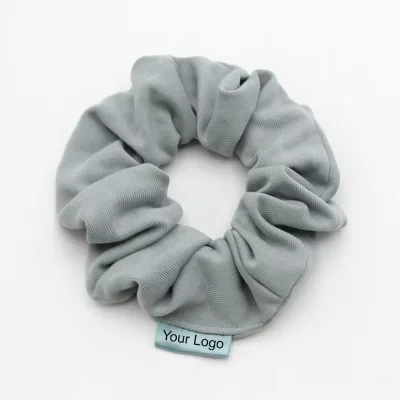
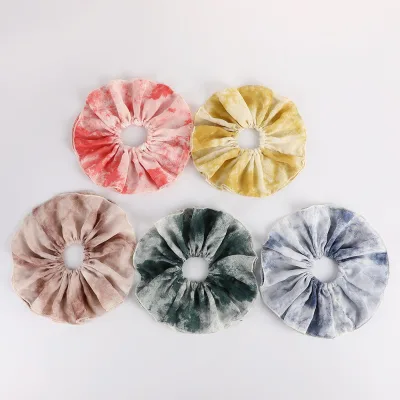
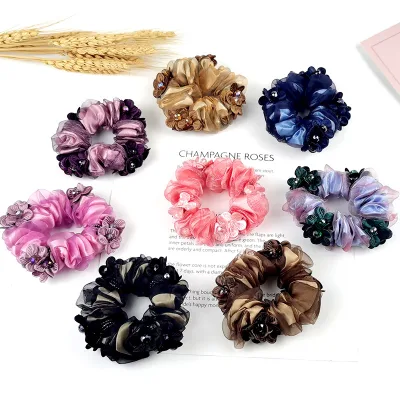
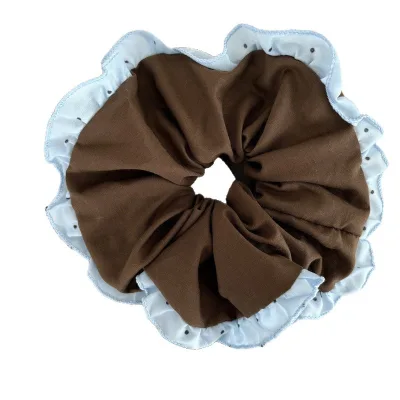
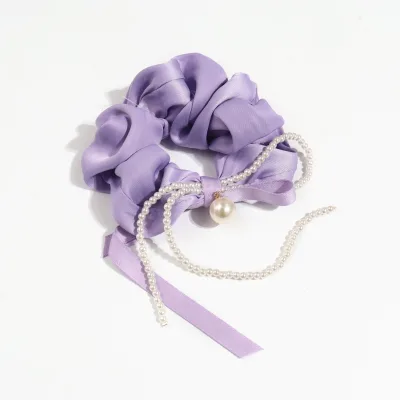
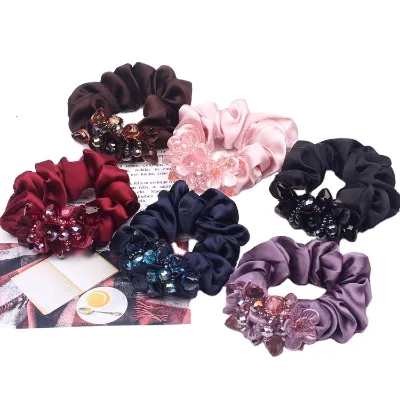
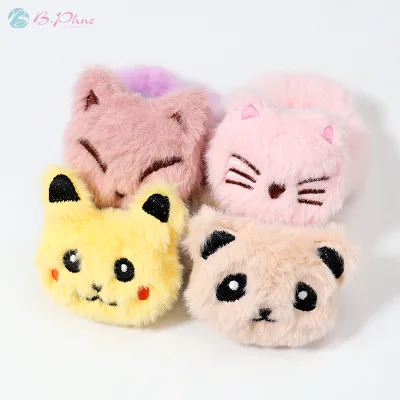
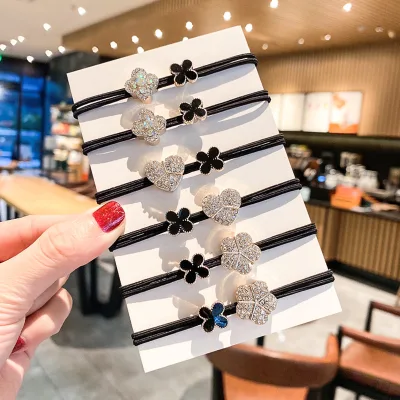
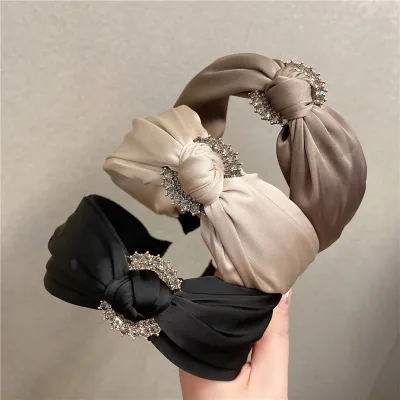
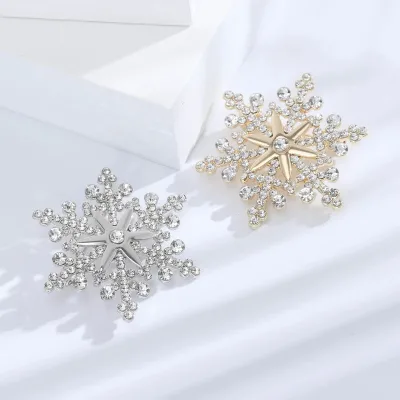


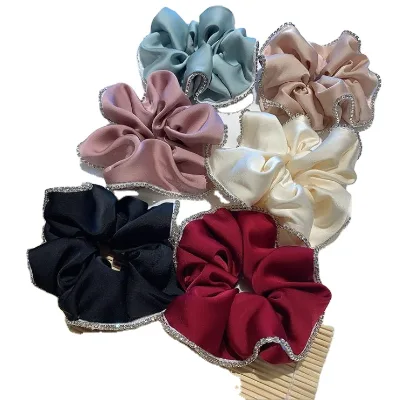

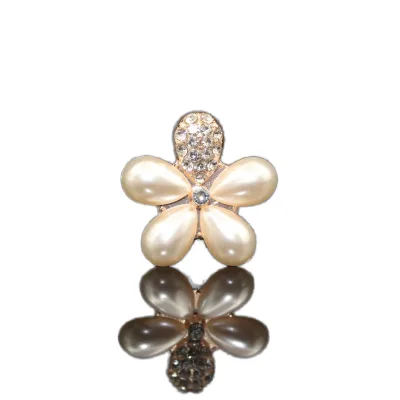


Comprehensive Sourcing Guide
Strategic Sourcing Guide for Oversize Korean Rhinestone Scrunchies
The global market for hair accessories has seen a significant surge in demand for statement pieces that blend functionality with high-fashion aesthetics. Among these, the Oversize Korean Rhinestone Scrunchie has emerged as a high-priority item for B2B buyers seeking to capitalize on current trends. This guide provides a comprehensive, evidence-based framework for sourcing these specific products, focusing on technical specifications, material integrity, supplier evaluation, and quality assurance protocols. By adhering to strict verification standards and utilizing the provided product data, procurement teams can mitigate risks and ensure a supply chain that delivers consistent value.
Technical Specifications and Dimensional Analysis
Understanding the precise physical attributes of the product is the first step in defining a successful procurement strategy. The term "oversize" in the context of scrunchies often implies a diameter significantly larger than standard hair ties, designed to accommodate thick hair or to serve as a bold fashion accessory. Based on observed market data, specific model numbers such as 20200316A indicate distinct sizing variations that buyers must distinguish. The observed size range for these products includes measurements of 12cm, 14cm, and 11cm, suggesting that "oversize" is not a singular dimension but a category containing multiple variants.
The circumference of the hair tie itself is another critical technical parameter. Data indicates headband circumferences ranging from 5.5cm to 12cm. For an oversize product intended for daily wear or festival occasions, a larger circumference is generally preferred to ensure the scrunchie does not slip or cause hair damage. The single package size also varies, with observations of 10.0x4.0x4.0 cm and 10.0x10.0x1.0 cm. These dimensions directly impact logistics planning, as the volume of the single unit determines the efficiency of container loading and the resulting freight costs. Buyers should verify that the specific model selected aligns with the intended market's preference for bulk versus compact packaging.
Material Composition and Aesthetic Elements
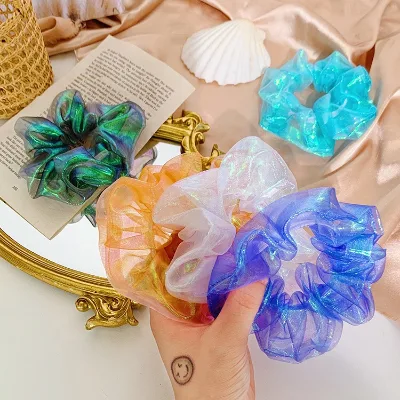
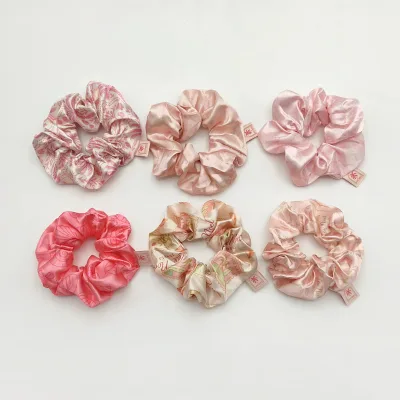
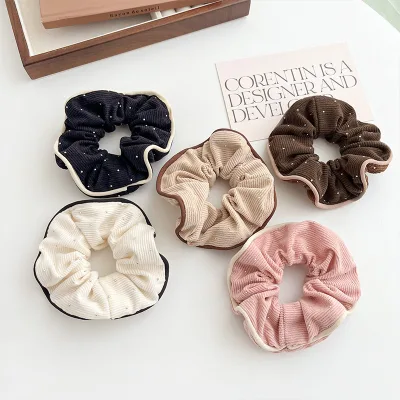
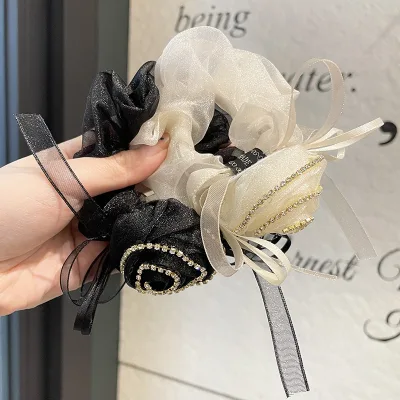
The tactile quality and visual appeal of the scrunchie are driven by its material composition and decorative elements. The observed product data lists a variety of materials, including Fabric, Satin, Mesh, and Stain. For a "Korean style" aesthetic, Satin is frequently the preferred material due to its smooth texture and lustrous finish, which reduces friction against hair. However, Mesh and Fabric options are also prevalent, offering different textures and price points. The presence of "stain" in the material list suggests specific dyeing techniques or fabric treatments that may require quality checks for colorfastness.
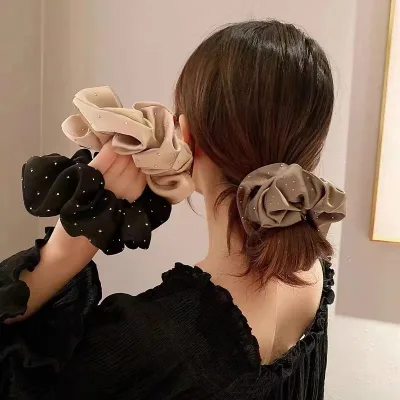
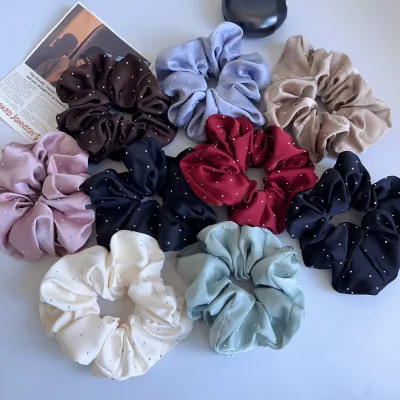
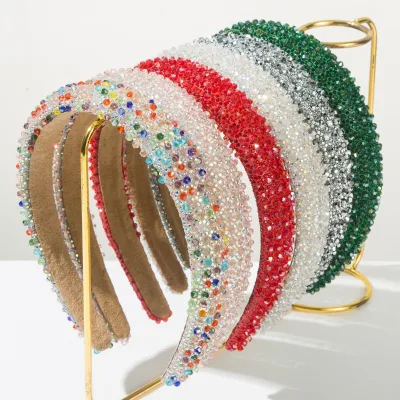
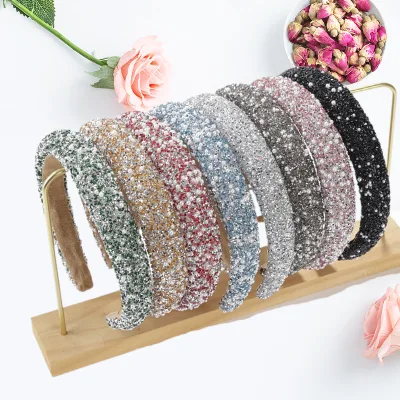
The defining characteristic of the "rhinestone" variant is the inclusion of decorative elements. The data confirms that Rhinestone is a primary element, often paired with Flowers or Feather accents to create a layered, high-fashion look. The style descriptors "European and American Style" and "Sweet" indicate that the design language varies by target demographic. While some products feature a simple rhinestone pattern, others incorporate complex arrangements involving flowers and feathers. Buyers must ensure that the specific combination of elements matches the brand's visual identity. The color palette is extensive, with options ranging from basic sets of four colors to expanded ranges of eight or more, allowing for diverse inventory planning.
Compliance, Certification, and Safety Verification
In the B2B sector, compliance is non-negotiable, particularly for products worn on the body. While the supplied product data does not explicitly list specific certification numbers or test report results, buyers must proactively verify that the products meet international safety standards. Hair accessories containing rhinestones, flowers, and feathers present potential choking hazards for younger demographics or risks of skin irritation.
Buyers should request documentation confirming that the product adheres to relevant safety standards for children's accessories if the target market includes girls. The "Usage" field notes "Girl Hair Decoration," which necessitates a higher level of scrutiny regarding the security of attached elements. Rhinestones must be securely glued or sewn to prevent detachment. Furthermore, the materials used, particularly the fabric and any adhesives, should be free from harmful substances such as lead or phthalates. Although specific certification names are not provided in the source data, the procurement process must include a request for third-party test reports from accredited laboratories to validate material safety and chemical compliance.
Cost Drivers and Pricing Dynamics
The pricing structure for oversize rhinestone scrunchies is influenced by several variables, including material costs, labor intensity, and order volume. The observed price range in the market spans from $0.16 to $17.20 USD. This wide disparity indicates that the final price is heavily dependent on the complexity of the design, the quality of the rhinestones, and the type of fabric used. A basic fabric scrunchie will sit at the lower end of the spectrum, while a satin version with intricate rhinestone and feather embellishments will command a premium price.
Minimum Order Quantity (MOQ) is another significant cost driver. The data shows MOQs ranging from 2 pieces to 2400 pieces. High MOQs, such as the 500-piece requirement observed for certain Mesh scrunchies, often correlate with lower unit costs due to economies of scale. Conversely, low MOQs of 20 or 30 pieces allow for smaller, more flexible orders but typically come with a higher per-unit price. Buyers must balance their inventory needs against their cash flow constraints. Additionally, the "Selling Units" are listed as single items, meaning the price per unit is the primary metric for comparison, rather than bulk pricing tiers, unless negotiated separately.
Supplier Evaluation and Geographic Considerations
Selecting the right supplier is critical for maintaining product consistency and meeting delivery schedules. The product data indicates that the Place of Origin is primarily in China, with specific mentions of Zhejiang and Guangdong provinces. These regions are known for their robust textile and accessory manufacturing ecosystems. Zhejiang is often associated with a wide variety of fabric goods, while Guangdong is a hub for export-oriented manufacturing with strong logistics capabilities.
When evaluating potential suppliers, buyers should verify the "OEM/ODM" capabilities. The data confirms that OEM (Original Equipment Manufacturing) and ODM (Original Design Manufacturing) are acceptable, meaning suppliers can customize designs, colors, and packaging to meet specific brand requirements. This flexibility is essential for buyers looking to differentiate their product lines. The "Brand Name" field shows entries like "PL" and "OEM," suggesting that many suppliers operate as white-label manufacturers. Buyers should assess the supplier's ability to manage the sample time, which is noted as 3 to 5 days for certain items. A short sample turnaround allows for rapid iteration and quality checks before full-scale production begins.
Quality Control Protocols and Inspection Standards
Given the decorative nature of rhinestone scrunchies, quality control (QC) must focus on the durability of embellishments and the consistency of the fabric. The "Single gross weight" varies from 0.02 kg to 0.025 kg, which serves as a baseline for checking if the correct amount of material and decorations are used. A significant deviation in weight could indicate missing components or the use of inferior materials.
Inspection protocols should include a pull-test for rhinestones and flowers to ensure they do not detach easily. Since the elements include "Flowers, Feather," and "Rhinestone," the attachment method must be robust. Buyers should also inspect the stitching quality, particularly around the elastic band, to ensure it does not unravel after repeated use. The "Style" descriptors, such as "Fashion" and "Sweet," imply that visual defects like uneven coloring or misaligned patterns are unacceptable. For products with a "Mesh" material, the integrity of the mesh weave should be checked for holes or fraying. Establishing a clear Acceptable Quality Limit (AQL) for these defects is essential before accepting a shipment.
Long-Term Procurement and Logistics Strategy
Sourcing oversize rhinestone scrunchies requires a long-term view of logistics and supply chain stability. The shipping methods listed include DHL, UPS, FedEx, EMS, and Ocean freight. The choice of shipping method will depend on the urgency of the order and the total weight. For small samples or urgent restocks, air freight via DHL or FedEx is appropriate. For bulk orders, ocean freight offers the most cost-effective solution, though it requires longer lead times.
The "Occasion" field lists "Daily" and "Festival," indicating that demand may fluctuate based on seasonal trends. Buyers should plan their inventory to align with festival seasons where demand for decorative accessories peaks. The "Keyword" data, such as "scrunchies oversize" and "shiny scrunchies oversize," highlights the importance of search engine optimization in marketing, which buyers should consider when planning their product listings. Finally, maintaining a relationship with a supplier who offers "Acceptatble" OEM/ODM services ensures that the buyer can adapt to changing fashion trends without being locked into a single design. By combining rigorous quality checks with strategic logistics planning, buyers can build a resilient supply chain for this high-potential product category.
FAQs
What sizes are available for oversize korean rhinestone scrunchies?
Available sizes include 11cm, 12cm, and 14cm diameters. Buyers should verify the specific model number to ensure the dimension matches their inventory needs for daily or festival occasions.
Which materials are used for these hair accessories?
Common materials include Fabric, Satin, and Mesh. Some products feature stain treatments, while others incorporate decorative elements like rhinestones, flowers, or feathers for a fashion-forward look.
Can suppliers accept custom orders for these scrunchies?
Yes, OEM and ODM services are acceptable for most suppliers. Buyers can request custom designs, colors, and packaging, with sample times typically ranging from three to five days.
What is the minimum order quantity for these products?
Minimum order quantities vary from 2 pieces up to 2400 pieces depending on the supplier. Specific items like mesh scrunchies may require a higher MOQ of 500 pieces for production.
How do I verify the safety of rhinestone decorations?
Buyers must request third-party test reports to confirm safety standards for children's accessories. Rhinestones and other elements must be securely attached to prevent detachment or skin irritation risks.
Where are these scrunchies typically manufactured?
Products originate primarily from Zhejiang and Guangdong provinces in China. These regions offer robust textile ecosystems and strong logistics capabilities for export-oriented manufacturing of hair accessories.