Source Oxford Fabric Hanging Egg Chair for Home, Hotel, Villa
Find 30 listings for the Oxford Fabric Hanging Egg Chair suitable for home, hotel, and villa settings. Buyers can compare specifications like load capacity, material, and customization options across multiple suppliers to select the best outdoor furniture solution.
Key considerations
Products List


Garden Rattan Wicker Double Seat Hanging Swing Egg Chairs with Metal Stand
$145.00 - $160.00
MOQ: 5 Pieces

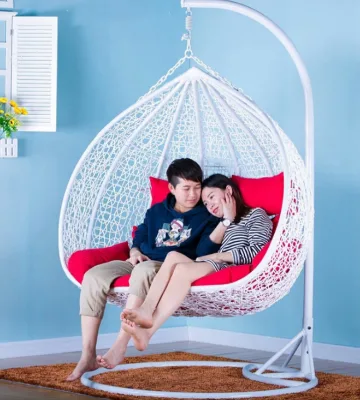

Outdoor Furniture Steel Wicker Egg Shape Hanging Chair with Stand Cushion
$99.00 - $120.00
MOQ: 10 Pieces

Modern Home Outdoor Waterproof Rattan Wicker Single Swing Chair Egg Hanging Chair
$99.00 - $120.00
MOQ: 10 Pieces

Hotel Furniture Modern Outdoor Hanging Chair for Garden Bedroom Living Room
$97.00 - $118.00
MOQ: 10 Pieces


Indoor Outdoor Hot Selling Double Egg Hanging Chair with Frame and Cushion
$100.00 - $120.00
MOQ: 500 Pieces


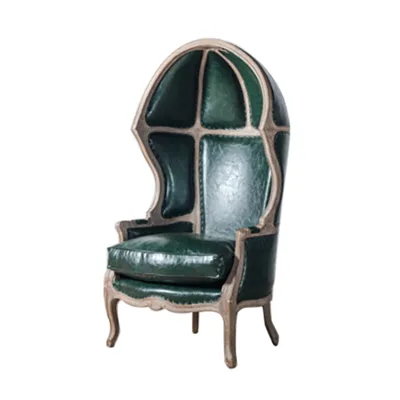

Foshan Hanging Chair with Round Frame Hanging Egg Garden Rattan Swing Chair
$99.00 - $297.00
MOQ: 1 Pieces


Comprehensive Sourcing Guide
Strategic Sourcing Guide for Oxford Fabric Hanging Egg Chairs
The global market for outdoor and semi-outdoor furniture has seen a significant surge in demand for hanging egg chairs, driven by the desire for ergonomic relaxation spaces in residential gardens, hotel lobbies, and commercial leisure facilities. While the core keyword "Oxford Fabric Hanging Egg Chair" suggests a specific material composition, the actual product landscape often presents a complex mix of materials, including metal frames, rattan weaves, and various fabric types. For B2B procurement professionals, navigating this category requires a disciplined approach that distinguishes between marketing terminology and verified product attributes. This guide provides a structured framework for evaluating suppliers, verifying technical specifications, and ensuring that the sourced products meet the rigorous demands of commercial deployment.
Technical Specifications and Material Verification
When sourcing hanging egg chairs, the first step is to rigorously define the technical specifications, as the term "oxford fabric" may not always align with the actual woven materials listed in product catalogs. In many commercial listings, the primary structural material is metal, often aluminum with a specific thickness, such as 1.2mm, which provides the necessary rigidity for the hanging mechanism. The frame finish is typically achieved through powder coating, a process that ensures durability against outdoor elements.
Buyers must verify the load capacity, which varies significantly across different models. Some units are rated for a maximum load of 200KG, while others, designed for heavier commercial use, may support up to 300KG. The dimensions are equally critical; standard models might measure approximately 13069123 cm or 14870124 cm, whereas more compact versions could be around 8265110 cm. The weaving process is another key differentiator. While some chairs are machine-made, high-end options often feature a handmade weaving process, which can enhance the aesthetic appeal and structural integrity of the seat.
The cushion fabric is a critical component for user comfort. While the search term specifies oxford fabric, product data often indicates the use of waterproof polyester standard fabric or plastic rattan weaves. It is essential to confirm whether the fabric is truly oxford or if the supplier is using a similar synthetic alternative. The color of the swing chair is often optional, allowing for customization to match specific interior or exterior design themes. However, buyers should note that some listings specify "non-customized" options, while others explicitly offer "customized" services, which can impact the lead time and unit cost.
Compliance, Certification, and Safety Standards
In the B2B sector, compliance with safety and quality standards is non-negotiable, particularly for products intended for public spaces like hotels, parks, and schools. While specific certification names are not universally standardized in every listing, buyers must demand evidence of structural integrity testing. The product origin, often cited as Guangdong or Foshan in China, indicates a manufacturing hub with established industrial capabilities, but it does not automatically guarantee compliance with international safety regulations.
Procurement teams should verify if the product meets specific weight-bearing standards and stability requirements. The "rotary" feature, which allows the chair to spin, introduces dynamic load factors that static chairs do not face. Suppliers must demonstrate that the hanging mechanism and the frame can withstand repeated rotational stress without failure. Additionally, the "eco-friendly" attribute, when claimed, should be backed by material safety data sheets or environmental compliance certificates, ensuring that the plastics, metals, and fabrics used do not release harmful substances.
Warranty periods are a strong indicator of a supplier's confidence in their product quality. Listings may show warranties ranging from 1 year to 2 years or more. A longer warranty period often suggests a more robust manufacturing process and better quality control. However, buyers must read the fine print to understand what the warranty covers, such as frame defects versus fabric wear and tear. The "new" condition of the product is a baseline requirement, but the durability of the finish and the resistance to UV degradation are factors that should be tested or verified through third-party reports.
Cost Drivers and Pricing Dynamics
The price of hanging egg chairs is influenced by a complex interplay of factors, including material costs, labor intensity, and customization requirements. The observed price range in the market can be substantial, spanning from approximately $25 to over $600 per unit. This wide variance is not arbitrary; it reflects differences in frame thickness, weaving complexity, and the quality of the cushioning materials.
Labor costs are a significant driver, particularly for chairs with a "handmade" weaving process. These units require skilled artisans, which increases the production time and cost compared to machine-woven alternatives. Customization is another major cost factor. While some models are available as "non-customized" stock items, others offer "customized" options for colors, logos, or dimensions. These bespoke requests often incur additional tooling fees and longer lead times.
The Minimum Order Quantity (MOQ) also plays a crucial role in the final unit cost. Suppliers may set MOQs as low as 5 pieces or as high as 500 sets. Lower MOQs are typically associated with higher per-unit prices, while bulk orders can significantly reduce the cost per chair. Packaging requirements, such as carton packing versus plastic woven bags, can also affect the shipping cost and overall budget. Buyers should analyze the total landed cost, including freight and duties, rather than focusing solely on the ex-factory price.
Typical Applications and Usage Scenarios
Hanging egg chairs are versatile furniture pieces suitable for a wide array of applications. The primary use case is in "Garden & Outdoor" settings, where they provide a stylish seating option for residential villas and private gardens. However, their application extends far beyond the home. The product data indicates suitability for "Hotel," "Leisure Facilities," "Warehouse," "Workshop," and even "Sports Venues."
In commercial hospitality settings, these chairs serve as statement pieces in lobbies, poolside areas, and rooftop bars. The "foldable" feature is particularly valuable for venues that need to store furniture during off-seasons or when reconfiguring spaces. The "modern" design style aligns well with contemporary architectural trends, making them a popular choice for new developments.
For institutional buyers, the chairs are applicable in "Home Office," "Living Room," "Bedroom," and "Dining" areas. The "waterproof polyester" cushions make them suitable for semi-outdoor environments like covered patios or sunrooms. The versatility of the design allows them to be used in "Entry," "Hall," "Gym," and "Laundry" areas, provided the space allows for the hanging mechanism. Buyers should ensure that the installation environment can support the weight of the chair and the occupant, especially in older buildings or structures not designed for dynamic loads.
Supplier Evaluation and Quality Control
Selecting the right supplier is critical to the success of a procurement project. Buyers should evaluate potential partners based on their production capabilities, quality control processes, and after-sales support. The "brand" name, such as Tanfly or Shangjie, can be an indicator of market presence, but it should not be the sole criterion for selection. Instead, focus on the supplier's ability to provide consistent quality and adhere to agreed-upon specifications.
Quality control should be a continuous process, starting from the raw material inspection to the final packing stage. For metal frames, verify the thickness of the aluminum and the quality of the powder coating. For woven sections, check the tightness of the weave and the uniformity of the color. The "mail packing" attribute, whether marked as "Y" or "N," indicates the packaging method, which affects the protection of the goods during transit. A robust packaging strategy, such as using cartons or boxes, is essential to prevent damage during shipping.
Suppliers should also demonstrate a clear understanding of the product's intended use. For instance, a supplier offering chairs for "Outdoor" use should provide evidence that the materials are UV-resistant and waterproof. The "warranty" period is a tangible metric of quality; a supplier offering a 2-year warranty is generally more reliable than one offering only 1 year. Buyers should also inquire about the supplier's experience with similar projects and their ability to handle custom orders without compromising on quality.
Long-Term Procurement Considerations
Sourcing hanging egg chairs is not just a one-time transaction; it is a long-term partnership that requires careful planning. Buyers should consider the scalability of the supply chain, ensuring that the supplier can meet increased demand as the business grows. The "lead time" for production and shipping is a critical factor, especially for time-sensitive projects. While specific lead times are not provided in the general data, buyers should negotiate clear timelines and penalties for delays.
Maintenance and replacement parts are also important considerations. The "cushion fabric" and "woven material" may degrade over time, and the ability to source replacement parts or cushions is essential for extending the lifespan of the furniture. Suppliers who offer a comprehensive warranty and a reliable after-sales service can significantly reduce the total cost of ownership.
Finally, buyers should stay informed about market trends and technological advancements in furniture manufacturing. The shift towards "eco-friendly" materials and sustainable production practices is becoming increasingly important. By prioritizing suppliers who align with these values, buyers can enhance their brand reputation and contribute to a more sustainable future. The "modern" design style and "foldable" features will likely remain popular, but buyers should remain flexible to adapt to changing consumer preferences and regulatory requirements.
FAQs
What is the maximum load capacity for these chairs?
The maximum load capacity varies by model, with options rated for 200KG or 300KG. Buyers must verify the specific model specifications before purchase to ensure the unit meets the intended usage requirements for residential or commercial applications.
Can I customize the color of the swing chair?
The swing chair color is often optional, allowing for customization to match specific design themes. However, some listings specify non-customized options, while others explicitly offer customized services which may impact lead time and unit cost.
How is the frame material finished for outdoor durability?
The aluminum frame is typically finished with powder coating to ensure durability against outdoor elements. The frame thickness is often 1.2mm, providing necessary rigidity for the hanging mechanism in various weather conditions.
What is the minimum order quantity for these products?
Minimum order quantities vary significantly, ranging from 5 pieces to 500 sets depending on the supplier and model. Lower MOQs are typically associated with higher per-unit prices, while bulk orders can significantly reduce the cost per chair.
Which warranty periods are available for these chairs?
Warranty periods range from 1 year to 2 years or more, indicating the supplier's confidence in product quality. A longer warranty often suggests a more robust manufacturing process, though buyers should check coverage details for frame defects versus fabric wear.
Where are these chairs manufactured and shipped from?
Products originate from manufacturing hubs in Guangdong or Foshan, China. This location indicates established industrial capabilities, but buyers must verify if the specific shipment meets international safety regulations and standards for their target market.
What materials are used for the weaving process?
The weaving process is often handmade using plastic rattan or waterproof polyester standard fabric. While some listings mention oxford fabric, actual data often indicates synthetic alternatives or plastic rattan weaves for the seat structure.