Source Oxidized Aluminum Cigar Tube for cigars, gifts, and storage
Explore 30 listings for Oxidized Aluminum Cigar Tube options featuring custom sizes, surface treatments like anodizing and painting, and various printing methods. Buyers can compare specifications, MOQs, and customization capabilities for smoking accessories and cosmetic packaging needs.
Key considerations
Products List
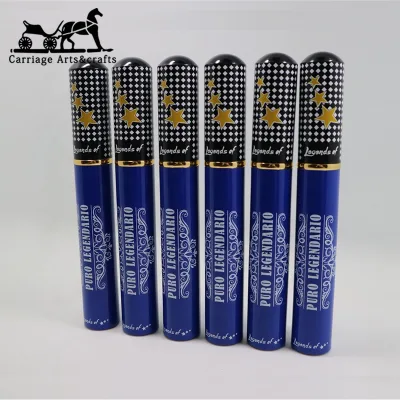


Aluminum Cigar Tube with Transparent View Window, Display Cigar Without Opening
$0.50 - $1.00
MOQ: 1000 Pieces

Anodized Aluminum Cigar Tube with Humidifier, Bulk Order for Cigar Shop Supplies
$0.50 - $1.00
MOQ: 1000 Pieces

Mini Aluminum Cigarillo Tube, Perfect for Cigarillo and Short Smoke Breaks
$0.50 - $1.00
MOQ: 1000 Pieces

Easy-Clean Aluminum Cigar Tube with Removable Inner Sleeve, Maintenance-Free
$0.50 - $1.00
MOQ: 1000 Pieces


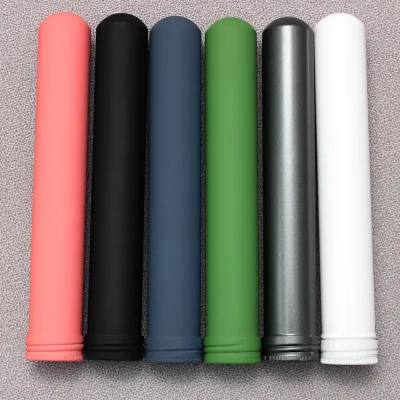


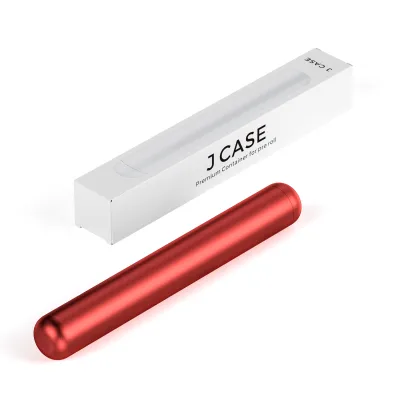


Hot Sale Elegant Custom Printing Silver Cigar Holder Aluminium Cigar Tube
$2.34 - $2.57
MOQ: 100 Pieces

High Quality Silver Aluminum Steel Stainless Steel Pipe Metal Cigar Tube
$0.60 - $0.70
MOQ: 10000 Pieces


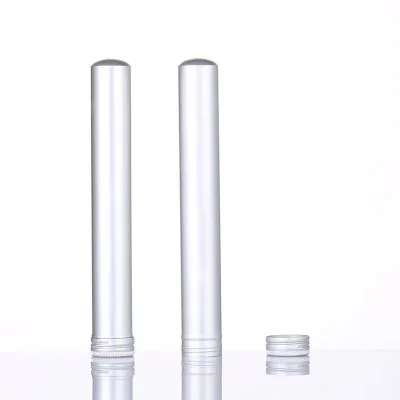
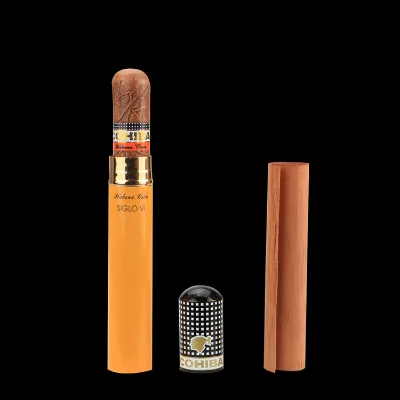
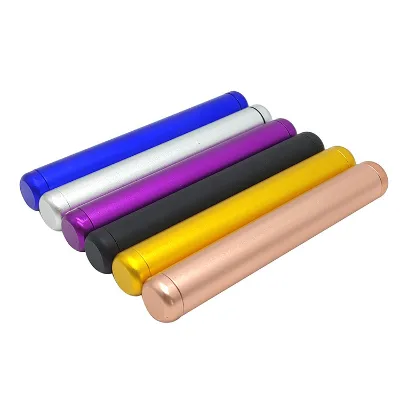
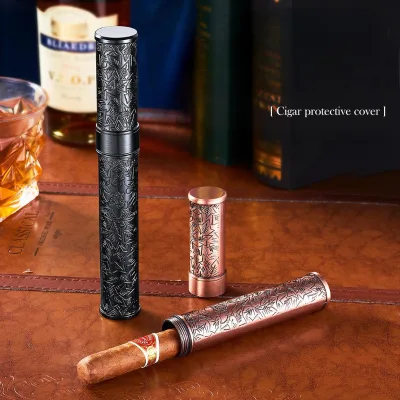
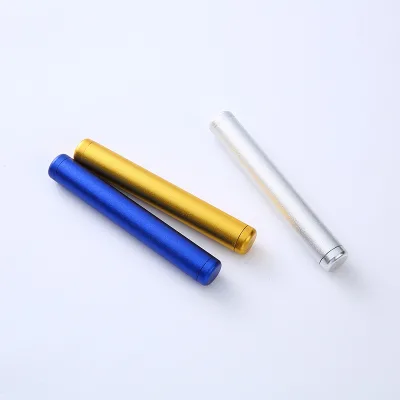
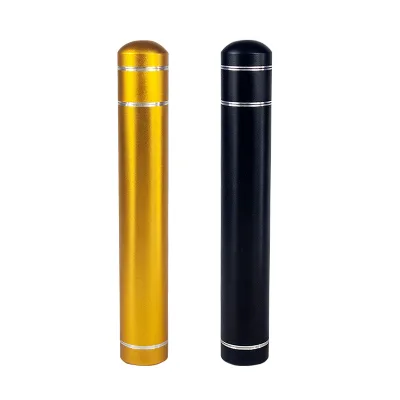
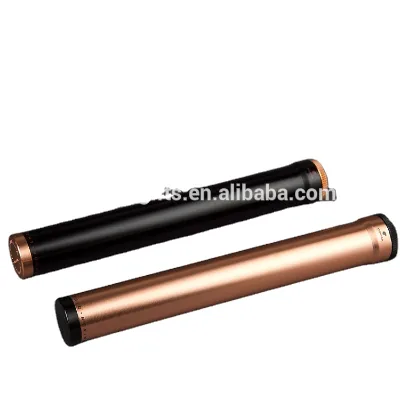
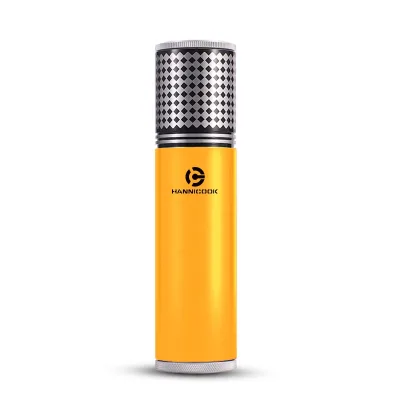
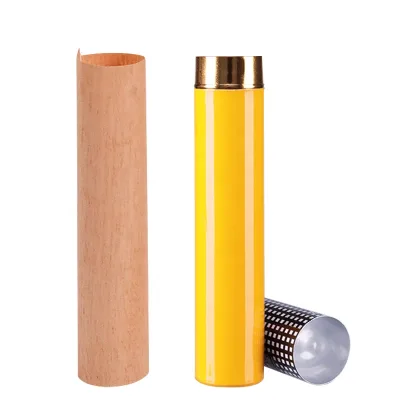


Wholesale Recyclable Custom Print Metal Slim Aluminum Cigar Tube Wholesale
$0.60 - $0.70
MOQ: 1000 Pieces
Comprehensive Sourcing Guide
Strategic Sourcing Guide for Oxidized Aluminum Cigar Tubes
The global market for premium packaging solutions has seen a distinct shift toward materials that offer both aesthetic sophistication and functional integrity. Among these, the Oxidized Aluminum Cigar Tube represents a niche but growing segment where surface chemistry, mechanical durability, and brand storytelling converge. For procurement professionals, sourcing these items requires a disciplined approach that distinguishes between generic aluminum packaging and specialized tubes designed specifically for the cigar industry. This guide outlines the critical technical, compliance, and operational factors necessary to secure high-quality oxidized aluminum cigar tubes while mitigating supply chain risks.
Technical Specifications and Material Composition
The foundation of a successful procurement strategy lies in a precise understanding of the material specifications. The core material for these products is consistently identified as aluminum, specifically noted in industry data as "food grade aluminum" or standard "aluminium" depending on the intended secondary application. While the primary function is for cigars, the material grade must be verified to ensure it meets safety standards if the tube is intended for food or cosmetic adjacency. The physical dimensions are a critical variable; observed specifications indicate a range of outer diameters (OD) including 15mm, 21mm, and 25mm, with other listings offering a broader spectrum from 17.5mm to 28mm.
Thickness is another non-negotiable parameter. The structural integrity of an oxidized tube relies heavily on wall thickness, with specific data points indicating a thickness of 0.35mm. This dimension ensures the tube can withstand the pressure of insertion and the rigidity required for a premium unboxing experience without being overly heavy. The shape is uniformly described as a "tube," often with a cylindrical profile, though some variations may exist. Buyers must verify the exact diameter and length requirements against the cigar's dimensions to prevent loose fitting or excessive tightness, which can damage the product.
| Parameter | Observed Standard Range | Verification Requirement |
|---|---|---|
| Material | Food grade aluminum / Aluminium | Confirm food-grade certification if applicable |
| Wall Thickness | 0.35 mm | Verify via caliper measurement on samples |
| Outer Diameter (OD) | 15mm, 21mm, 25mm (or 17.5-28mm) | Match specific cigar gauge requirements |
| Shape | Cylindrical Tube | Confirm internal diameter clearance |
| Surface Treatment | Painting, Anodizing, Plating, Polishing | Define specific finish (e.g., oxidized, matte) |
Surface Finishing and Aesthetic Customization
The term "oxidized" in the context of aluminum cigar tubes often refers to a specific aesthetic finish achieved through surface treatments. The available processes include painting, anodizing, plating, and polishing. High-end surface treatments are a key feature, with options such as "soft touch painting" and "lacquer" finishes observed in the market. The color palette is extensive, allowing for "any Pantone color," with specific examples like red and general "other" color options available. This flexibility allows brands to align the tube color with their corporate identity or specific product lines.
Printing capabilities are equally robust, supporting silk screening, hot stamping, heat transfer, and laser engraving. These methods are essential for applying customized logos, which are a standard offering. The ability to apply a "customized logo" via laser or hot stamping ensures that the branding is durable and resistant to wear, a crucial factor for a product that may be handled frequently. Buyers should request samples to verify the adhesion and clarity of the printing, as the oxidation process can sometimes affect ink adhesion if not properly primed. The "feature" of high-end surface treatment suggests that the finish should be uniform, free of bubbles, and consistent in texture.
Compliance, Certification, and Regulatory Checks
Navigating the regulatory landscape is essential for B2B procurement, particularly when the packaging may come into contact with consumable goods or be exported to markets with strict environmental regulations. While specific certification statuses vary by supplier, the industry data highlights several key certifications that buyers should actively seek or verify. These include ISO, CE, and FSC (Forest Stewardship Council) standards. Although FSC is typically associated with paper and wood, its presence in the data suggests a broader commitment to sustainable sourcing practices by the manufacturer.
The "recyclable" feature of aluminum is a significant compliance advantage, aligning with global sustainability goals. However, the presence of surface treatments like paints and lacquers can complicate the recycling process. Buyers must inquire about the specific composition of these coatings to ensure they do not hinder the recycling stream. Furthermore, the "commercial buyer" profile often includes fast food and takeaway services, indicating that the tubes may be subject to food safety regulations. While the material is described as "food grade," this claim must be backed by valid documentation from the supplier.
Buyers should not assume certification status based on marketing materials. Instead, they must request current certificates of analysis (CoA) and specific compliance documents for ISO, CE, and FSC. The verification process should include checking the validity dates and the scope of the certification to ensure it covers the specific manufacturing location and product line.
Cost Drivers and Economic Considerations
The economics of sourcing oxidized aluminum cigar tubes are influenced by several distinct variables. The minimum order quantity (MOQ) is a primary cost driver, with observed ranges spanning from 5,000 pieces to 10,000 pieces, and in some cases extending up to 30,000 pieces. This high MOQ is typical for custom-molded or surface-treated aluminum products due to the setup costs involved in tooling and surface treatment lines. The price range observed in the market is broad, from $0.10 to $12.00 per unit, reflecting the variance in material thickness, complexity of surface treatment, and order volume.
Lead time is another critical economic factor. The production time is noted as approximately 30 days, with sample times ranging from 4 to 12 days. These timelines must be factored into the overall supply chain schedule. Delays in sample approval can cascade into significant production delays. Additionally, the "single gross weight" of the product, observed at 1.000 kg for certain configurations, impacts shipping costs. Buyers should calculate the total landed cost, including freight, duties, and insurance, rather than focusing solely on the unit price.
Supplier Evaluation and Operational Due Diligence
Evaluating suppliers requires a multi-faceted approach that goes beyond price comparison. The "place of origin" is a key indicator of manufacturing capability, with data pointing to locations such as ZHE (Zhejiang) and Guangdong in China. These regions are known for their robust aluminum processing industries, but buyers must verify the specific factory's capacity and quality control systems. The "brand name" associated with these products varies, with some listings showing generic names and others indicating specific brands like "lonten."
When evaluating a potential supplier, buyers should assess their customization capabilities. The availability of "customized package" and "customized size" options is a strong indicator of a flexible manufacturing partner. However, the ability to deliver on these customizations consistently is the true test. Buyers should request a detailed production timeline and a quality assurance plan. The "product time" of 30 days suggests a standard production cycle, but buyers should confirm if expedited options are available for urgent orders.
| Evaluation Criterion | Key Questions for Supplier |
|---|---|
| Manufacturing Capacity | Can the facility handle orders of 10,000+ units within 30 days? |
| Quality Control | What is the defect rate, and how are non-conforming units handled? |
| Customization | Can you provide samples for specific Pantone colors and logo placements? |
| Logistics | What are the packaging standards for export, and how is weight managed? |
| Compliance | Can you provide current ISO, CE, and FSC certificates for this specific line? |
Quality Control and Long-Term Procurement Strategy
Implementing a rigorous quality control (QC) protocol is essential to ensure that the oxidized aluminum tubes meet the required standards. The "feature" of high-end surface treatment implies that visual defects such as scratches, uneven coloring, or poor adhesion of the logo are unacceptable. Buyers should establish a clear acceptance criteria document that defines acceptable tolerances for dimensions, weight, and surface finish. The "single package size" of 3x3x22 cm provides a baseline for packaging efficiency, but the actual packing method must protect the tubes during transit.
For long-term procurement, building a strategic partnership with the supplier is more beneficial than transactional buying. The "customization" aspect of the product means that the supplier becomes an extension of the buyer's brand. Regular communication regarding design updates, material changes, or volume fluctuations is necessary. Buyers should also consider the "application" of the tubes, which includes smoking, cigars, and potentially cosmetics, medicine, or chemical products. This versatility suggests that the supplier should have experience in multiple sectors, ensuring they understand the specific handling requirements of each.
Finally, the "recyclable" nature of the product offers a long-term sustainability advantage. Buyers should work with suppliers to optimize the design for end-of-life recycling, ensuring that the surface treatments do not compromise the aluminum's recyclability. By focusing on these technical, compliance, and operational factors, buyers can secure a reliable supply of high-quality oxidized aluminum cigar tubes that enhance their brand value and meet rigorous market standards.
FAQs
What printing methods are available for custom logos on these tubes?
Available printing methods include silk screening, hot stamping, heat transfer, and laser engraving. These options allow for customized logos on the aluminum surface, ensuring durability and brand visibility for your specific product line.
Can I order oxidized aluminum cigar tubes with custom dimensions?
Yes, customized sizes are available to match specific cigar gauges. The standard outer diameters range from 15mm to 28mm, but you can request specific measurements to ensure a precise fit for your packaging needs.
Which certifications do the manufacturers typically hold for these products?
Manufacturers often hold ISO, CE, and FSC certifications for their production lines. These standards verify compliance with quality management, safety, and sustainable sourcing practices required for international B2B procurement.
How long does it take to receive samples before bulk production?
Sample delivery typically takes between 4 to 12 days after request. Free samples are often available, allowing you to verify the material quality, surface finish, and printing accuracy before committing to a large order.
What is the minimum order quantity for custom aluminum cigar tubes?
The minimum order quantity usually ranges from 5,000 to 10,000 pieces depending on the supplier. Some vendors may require up to 30,000 units, reflecting the setup costs for custom tooling and surface treatment processes.
Which surface treatments can be applied to achieve an oxidized look?
Surface treatments include painting, anodizing, plating, and polishing to achieve various finishes. Options like soft touch painting or lacquer are available to create a high-end aesthetic while protecting the aluminum material.
Can these tubes be used for food or cosmetic applications?
Yes, the tubes are made from food grade aluminum and are suitable for cosmetics, medicine, and food packaging. This versatility allows them to serve multiple industries while maintaining safety and structural integrity.