Source P-Nitro Benzoic Acid Pigments Intermediate for Dyes
Find 30 listings for P-Nitro Benzoic Acid Pigments Intermediate to compare industrial and pharmaceutical grade options. Evaluate specifications like CAS 62-23-7, purity levels, and packaging to select the right synthesis material intermediates for your supply chain needs.
Key considerations
Products List




Comprehensive Sourcing Guide
P-Nitro Benzoic Acid Pigments Intermediate Sourcing Guide
Procuring P-Nitrobenzoic Acid as a pigment intermediate requires a disciplined approach to distinguishing between synthesis materials and pharmaceutical intermediates, as the same chemical entity often serves multiple industrial sectors. Buyers must first verify the specific CAS registry number, as the supply chain lists distinct identifiers such as 62-23-7 and 100-09-4 for related compounds, necessitating precise alignment between the purchase order and the technical data sheet. The observed market data indicates a wide variance in product classification, ranging from industrial synthesis materials to dyestuff intermediates, which directly impacts the required purity levels and handling protocols for downstream manufacturing processes.
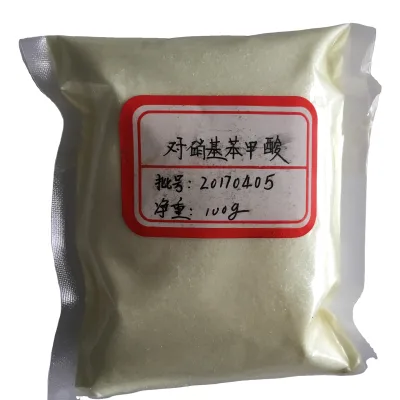
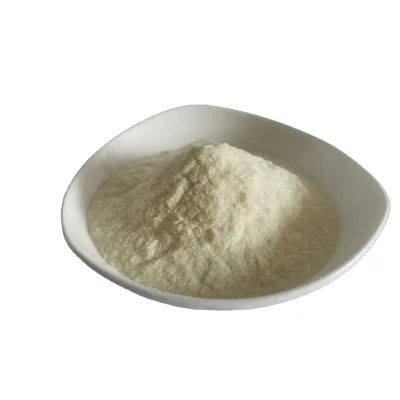
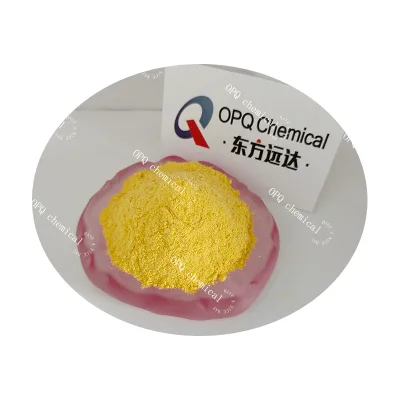
The physical appearance of the material is a critical initial verification point, as listings describe the substance variously as a white powder, a yellow powder, or a light yellow crystalline powder. This variation in color observation suggests differences in batch purity, oxidation states, or the presence of specific impurities that may affect the final pigment quality. Sourcing teams should prioritize suppliers who can consistently demonstrate the specific color profile required for their application, as the discrepancy between white and yellow descriptions in the market data highlights the need for rigorous sample validation before committing to bulk orders.
Product Scope and Observed Listing Signals
The product scope for P-Nitrobenzoic Acid in the current market encompasses a broad spectrum of grades, including Tech Grade, Food Grade, and Refined varieties, each tailored to different end-use requirements. Buyers should note that while some listings specify the product as a synthesis material intermediate, others categorize it under pharmaceutical or dyestuff intermediates, indicating that the same chemical structure is utilized across diverse industries. This diversity in classification signals that procurement strategies must be flexible enough to accommodate varying quality standards, with the specific grade selected based on the sensitivity of the final application, whether it be in resin production, rubber manufacturing, or pharmaceutical synthesis.
Listing signals reveal significant variability in packaging and minimum order quantities, with observed ranges spanning from single units to 1,000 units and packaging formats including 25kg drums, bags, and customized solutions. The presence of both standard 25kg drum packaging and flexible customized options suggests that suppliers are catering to both large-scale industrial operations and smaller, specialized research or pilot projects. Procurement teams must carefully evaluate these listing signals to ensure that the chosen supplier can meet the logistical requirements of the specific project, particularly regarding the ability to handle customized packaging or the flexibility to accept smaller initial orders for quality verification.
Technical Specifications to Verify
Verification of physical properties is paramount when sourcing P-Nitrobenzoic Acid, as the market data presents specific ranges for density, boiling point, and melting point that must be confirmed against the supplier's certificate of analysis. The observed density is listed as 1.5±0.1 g/cm3, with a boiling point of 359.1±25.0 °C at 760 mmHg and a melting point ranging from 237-240 °C, all of which serve as critical benchmarks for material identity. Buyers should insist on test reports that explicitly confirm these values, as deviations could indicate the presence of solvents, incomplete reactions, or the substitution of a different chemical intermediate, all of which would compromise the integrity of the final product.
Chemical composition and stability parameters further define the scope of acceptable material, with specific attention required for acid strength, volatility, and oxidation characteristics. The product is identified as a weak, monobasic organic acid with volatile and labile properties, which necessitates careful storage and handling to prevent degradation or safety hazards during transport. Additionally, the water content is a critical specification, with some listings indicating a maximum of 0.5%, a threshold that must be strictly enforced to ensure the material meets the purity requirements for sensitive applications like polyvinyl chloride resin or rubber production.
Compliance and Safety Documentation
Safety documentation for P-Nitrobenzoic Acid must address its classification as an oxidizing acid and its specific flash point, which is observed at 166.5±11.6 °C. This flash point data is essential for determining the appropriate storage conditions and transportation regulations, as the material's volatility and oxidizing nature require specific handling protocols to mitigate fire and explosion risks. Procurement teams should verify that the supplier provides comprehensive Safety Data Sheets (SDS) that align with international standards, ensuring that the listed flash point and other hazard classifications are accurately reflected in the documentation provided for each shipment.
Regulatory compliance extends to the chemical's classification and identification numbers, requiring buyers to cross-reference the provided CAS numbers, such as 62-23-7 or 100-09-4, with local and international regulatory databases. The presence of specific identifiers like the EINECS number 200-618-2 for Benzoic Acid derivatives underscores the need for precise chemical identification to ensure adherence to environmental and safety regulations. Buyers must confirm that the supplier can provide all necessary regulatory certificates, including those related to the product's origin in China and its compliance with the stated 99% or 99.8% minimum content standards, to avoid legal and operational disruptions.
Cost Drivers and Commercial Terms
The cost structure for P-Nitrobenzoic Acid is influenced by the grade of the material, with Tech Grade and Food Grade options presenting different price points and value propositions. The observed price range in the market spans from 1 to 900 USD, a wide variance that likely reflects differences in purity, packaging, order volume, and the specific supplier's production capabilities. Buyers should analyze the cost drivers beyond the base price, considering that higher purity grades or customized packaging solutions may command a premium, while bulk orders in standard 25kg drums might offer more competitive unit economics.
Commercial terms and logistics play a significant role in the total cost of ownership, with payment terms such as T/T, L/C, and D/P being negotiable and the port of loading typically located in major Chinese hubs like Qingdao, Tianjin, or Shanghai. The flexibility in payment terms allows buyers to negotiate based on their creditworthiness and the size of the order, while the choice of loading port can impact shipping costs and lead times. Procurement strategies should include a detailed evaluation of these commercial terms to optimize cash flow and minimize logistical expenses, ensuring that the final landed cost aligns with the project budget.
Supplier Qualification and Quality Control
Supplier qualification for P-Nitrobenzoic Acid requires a thorough assessment of their production capabilities and quality control systems, particularly given the observed variations in product appearance and grade. Buyers should verify that the supplier has a robust system for maintaining consistency in color, density, and chemical composition, as the market data shows discrepancies between white, yellow, and light yellow crystalline powders. A qualified supplier must demonstrate the ability to provide samples for testing and maintain a track record of meeting the specified standards, such as the 99% or 99.8% content requirements, to ensure reliable supply for critical manufacturing processes.
Quality control protocols must extend to the entire supply chain, from the initial synthesis to the final packaging and shipping stages. The availability of customized packaging and the support for sample requests indicate that suppliers are willing to engage in a collaborative quality assurance process, which is essential for verifying that the material meets the specific needs of the buyer. Buyers should implement a rigorous incoming inspection process that includes testing for water content, acid strength, and stability, ensuring that the received material matches the technical specifications and safety data provided by the supplier.
Long-Term Procurement Checks
Establishing a long-term procurement strategy for P-Nitrobenzoic Acid involves regular audits of supplier performance and continuous monitoring of market trends to ensure supply chain resilience. Buyers should schedule periodic reviews of the supplier's ability to maintain consistent quality, adhere to delivery schedules, and respond to changes in regulatory requirements or market conditions. This proactive approach helps mitigate the risks associated with supply disruptions and ensures that the procurement team can adapt to any shifts in the availability of specific grades or packaging options.
Continuous improvement in the procurement process should focus on refining the criteria for supplier selection and enhancing the efficiency of quality control measures. By leveraging the observed data on packaging, pricing, and technical specifications, buyers can develop more precise requirements that align with their operational needs and reduce the likelihood of receiving non-conforming materials. Long-term success in sourcing P-Nitrobenzoic Acid depends on building strong, transparent relationships with suppliers who are committed to delivering high-quality intermediates that support the buyer's production goals and regulatory compliance.
FAQs
What is the CAS number for p nitro benzoic acid?
The CAS number for p nitro benzoic acid is 62-23-7. This identifier distinguishes it from other isomers like m-aminophenol. Buyers should verify this number to ensure they are sourcing the correct chemical intermediate for their specific synthesis requirements.
What is the purity standard for this product?
The product standard is typically 99% purity. Some listings specify a minimum content of 99.8% with water at 0.5% max. Buyers must confirm the exact grade required for their application, as industrial and refined grades may have different specifications.
How is p nitro benzoic acid packaged for shipment?
Standard packaging is 25kg per drum or bag. Customized packaging options are available upon request. Buyers should specify their preferred container type during the inquiry to ensure safe transport and compliance with logistics requirements for chemical intermediates.
Can suppliers provide samples for quality verification?
Yes, sample support is available for most suppliers. Buyers can request samples to verify appearance, melting point, and purity before placing bulk orders. This step helps ensure the material meets the required industrial or pharmaceutical intermediate standards.
What are the physical properties of p nitro benzoic acid?
It appears as a white or light yellow crystalline powder. The melting point is 237-240 °C, and the density is 1.5±0.1 g/cm3. These physical characteristics help buyers identify the material and assess its suitability for their specific chemical processes.
Where is p nitro benzoic acid typically manufactured?
The product origin is China, with places of origin including Liaoning. Major ports of loading include Qingdao, Tianjin, and Shanghai. Buyers should consider these locations when calculating logistics costs and lead times for international shipments.