Source Packable Outdoor Fisherman Cap for Hiking, Camping, and Beach
Compare 30 listings of Packable Outdoor Fisherman Cap featuring cotton and polyester blends with sun protection. Buyers can evaluate customization options, seasonal suitability, and folding designs from verified manufacturers in China.
Key considerations
Products List


Wholesale Cotton Polyester Cool Adult Men Women Fisherman Bucket Cap Hat
$1.90 - $4.50
MOQ: 300 Pieces

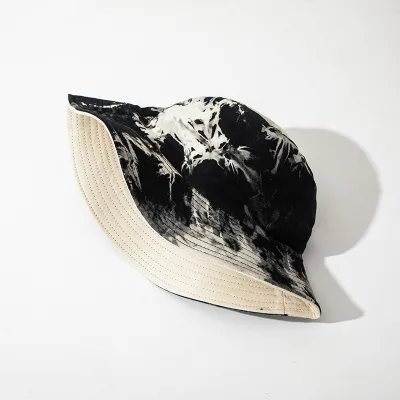


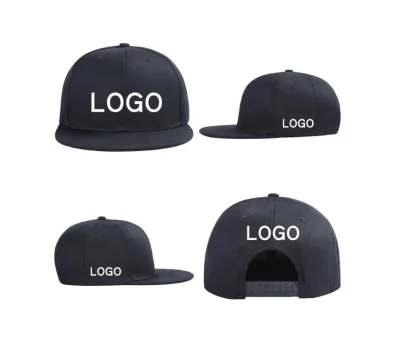


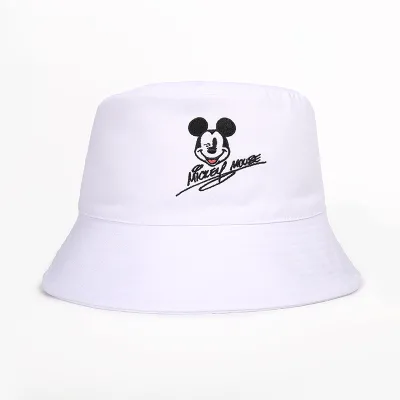
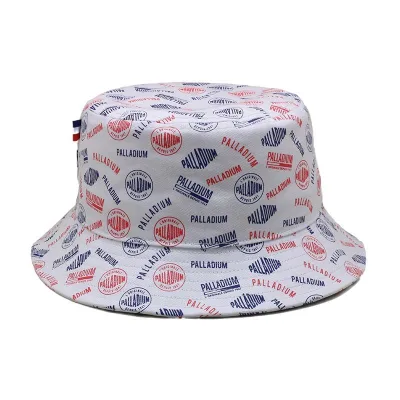
Custom Design Logo Cool Printed Outdoor Fisherman Cap for Men Women Bucket Hats
$0.89 - $4.95
MOQ: 100 pieces
Comprehensive Sourcing Guide
Strategic Sourcing Guide for Packable Outdoor Fisherman Caps
The global demand for versatile headwear has surged, with the Packable Outdoor Fisherman Cap emerging as a critical category for both recreational and commercial buyers. This guide synthesizes observed market data and technical specifications to provide a disciplined framework for procurement professionals. The focus remains on the intersection of functionality, material integrity, and supply chain reliability. Buyers must navigate a landscape where product attributes vary significantly between suppliers, requiring a rigorous approach to specification matching rather than relying on generic assumptions.
Technical Specifications and Material Composition
The foundation of a successful procurement strategy lies in a precise understanding of technical specifications. Based on the observed product data, the "packable" attribute is frequently linked to specific material compositions and construction techniques. The market presents a dichotomy in material sourcing: some listings specify 100% Cotton, while others utilize a Polyester/Cotton blend or 100% Polyester. The choice of material directly influences the cap's performance in outdoor environments.
For outdoor applications, the presence of "Quick Dry" and "Breathable" features is paramount. Products listed with 100% Polyester or Polyester/Cotton blends often align with these functional requirements, as synthetic fibers typically offer superior moisture management compared to pure cotton. However, the 100% Cotton options, which adhere to standards such as "cotton 100%," provide a different tactile experience and may be preferred for specific fashion-forward outdoor applications. Buyers must verify the fabric type against the intended use case; for instance, "Canvas" fabric is noted in specific listings, offering durability that may be essential for rugged outdoor activities.
Construction details further define the product's utility. The "With Brim" and "With Crown" attributes are standard, but the dimensions are critical. Observed specifications indicate a head circumference range of 56-60cm, with specific models noting 58-60cm. This variance suggests that a single "one-size-fits-all" approach may not suffice for all target demographics. Furthermore, the "Foldable" and "Lightweight" attributes are essential for the "packable" claim. These features are often enabled by the specific weaving technique and the absence of stiff interfacing in the crown.
| Attribute Category | Observed Variations | Procurement Implication |
|---|---|---|
| Material | 100% Cotton, Polyester/Cotton, 100% Polyester | Verify blend ratios for moisture wicking vs. comfort. |
| Size | 56-60cm, 58-60cm | Confirm fit for target demographic; avoid assuming uniform sizing. |
| Features | Sun Protection, Quick Dry, Breathable, Foldable | Cross-reference with fabric type to validate performance claims. |
| Pattern | Embroidered, Printed, Plain Dyed, Letter | Determine production method (Silk Screen vs. Discharge) for durability. |
Compliance, Certification, and Standard Verification
In the B2B sector, compliance is not merely a formality but a risk mitigation strategy. The supplied data indicates that some products adhere to specific standards, such as "cotton 100%," while others operate under "on request" standard protocols. This discrepancy highlights a critical area for buyer diligence. When sourcing from regions like China or Jiangsu, buyers must not assume that a product listed as "100% Cotton" automatically meets international textile safety standards without verification.
Certification checks should focus on the chemical composition and safety of the dyes used, particularly given the "Plain Dyed" and "Discharge Printing" technologies observed. Discharge printing, for example, involves specific chemical processes that may require compliance with environmental regulations regarding heavy metals and azo dyes. Buyers should request test reports from suppliers to confirm that the "Sun Protection" and "Washable" claims are backed by data, rather than marketing assertions.
Furthermore, the "Standard" field in product listings varies from specific material declarations to "on request." This suggests that some manufacturers may not have pre-established certifications for every SKU. Procurement teams must explicitly request documentation regarding the "prod_standard" before placing large orders. If a supplier claims a product meets a specific standard, the buyer must verify the scope of that certification. For instance, a "cotton 100%" standard implies a specific fiber content, but it does not inherently guarantee compliance with flammability or chemical safety regulations unless explicitly stated.
Cost Drivers and Pricing Dynamics
The observed price range of 0.35 to 15 USD indicates a highly segmented market with significant variance in cost drivers. This wide spread is not arbitrary; it is driven by material quality, customization complexity, and order volume. The Minimum Order Quantity (MOQ) range of 2 to 2500 units further illustrates the flexibility of the supply chain, catering to both small boutique orders and large-scale corporate procurement.
Material cost is a primary driver. A cap made of 100% Cotton with embroidered patterns will generally command a higher price point than a 100% Polyester cap with simple printed designs. The "Custom Design" and "Customization Available" attributes add layers of complexity to the production process, which inevitably increases the unit cost. Embroidery, in particular, is a labor-intensive process compared to plain dyeing or simple printing, and this cost differential is reflected in the final price.
Packaging also influences the total landed cost. Listings show variations from "OPP" bags to "Carton" and "Sea Carton" packaging. While OPP bags are cost-effective for individual shipping, sea cartons are necessary for bulk logistics and may incur different handling fees. Buyers must calculate the total cost of ownership, including packaging, rather than focusing solely on the unit price. Additionally, the "Selling Units" being listed as "Single item" for some products suggests that bulk pricing tiers may not be automatically applied, requiring negotiation to secure volume discounts.
Typical Applications and Seasonal Versatility
The versatility of the Packable Outdoor Fisherman Cap is evident in the diverse seasonal applications observed. The data lists "Winter, Summer, Spring / Autumn" and "Four Seasons" as applicable periods. This suggests that the product's utility is not limited to a single season but depends heavily on the material composition and feature set.
For summer applications, the "Sun Protection," "Quick Dry," and "Breathable" features are critical. These attributes are most effective when paired with lightweight, synthetic materials like 100% Polyester. Conversely, for spring and autumn use, the "Foldable" nature allows for easy storage, while the "Cotton" options may provide better insulation and comfort in moderate temperatures. The "Unisex" and "Adults" target demographics indicate that these caps are suitable for a broad range of users, from outdoor enthusiasts to corporate teams.
The "Special Features" such as "Washable" and "Adjustable" further expand the application scope. Adjustable features, often implied by the "Adjustable" tag, ensure a secure fit during physical activities, making these caps ideal for hiking, fishing, or cycling. The "Logo position: front panel" and "Pattern Type: Letter" suggest that these caps are frequently used for branding and promotional purposes, serving as effective marketing tools for outdoor apparel brands or event organizers.
Supplier Evaluation and Origin Analysis
Evaluating suppliers requires a nuanced understanding of the geographical and logistical data provided. The "prod_origin" is listed as "China" and specifically "Jiangsu." Jiangsu is a significant hub for textile manufacturing, known for its supply chain efficiency. However, the presence of multiple origin points or specific regional designations suggests that buyers should verify the actual factory location to ensure consistency in quality control.
Supplier evaluation should extend beyond the product listing to include an assessment of their customization capabilities. The "Customization Available" and "Custom Design" attributes indicate that many suppliers are willing to tailor products. Buyers must assess the supplier's capacity to handle "Silk Screen Printing" and "Discharge Printing" technologies. The choice of printing method affects the durability and aesthetic of the final product. For example, "Silk Screen Printing" is often more durable for high-volume runs, while "Discharge Printing" offers a softer hand feel but may require more stringent quality control.
The "prod_packing" variations (Carton, OPP, Sea Carton) also serve as indicators of a supplier's logistical maturity. Suppliers offering "Sea Carton" packaging are likely experienced in handling international bulk shipments, whereas those offering only "OPP" may be better suited for smaller, direct-to-consumer shipments. Buyers should prioritize suppliers who can demonstrate flexibility in packaging to match their specific distribution needs.
Quality Control and Long-Term Procurement Considerations
Quality control is the linchpin of long-term procurement success. The observed "Single gross weight" of 0.150 kg and "Single package size" of 22X15X3 cm provide baseline metrics for logistics planning, but they do not guarantee product durability. Buyers must implement a rigorous quality assurance protocol that includes testing for colorfastness, seam strength, and the integrity of the "Foldable" mechanism.
The "Washable" claim requires verification through repeated washing tests to ensure that the "Printed" or "Embroidered" patterns do not fade or peel. Similarly, the "Sun Protection" feature should be validated against established standards, as not all caps with this label offer equivalent UV protection levels. Long-term procurement considerations also involve the stability of the supply chain. With MOQs ranging from 2 to 2500, buyers must ensure that the supplier can scale production without compromising quality.
Finally, the "Standard" field's variability ("cotton 100%" vs. "on request") necessitates a proactive approach to standard setting. Buyers should define their own quality standards in the purchase order, specifying acceptable tolerances for size, color, and material composition. By establishing clear expectations and verifying compliance through third-party testing, buyers can mitigate the risks associated with the diverse product attributes observed in the market. This disciplined approach ensures that the Packable Outdoor Fisherman Cap meets both functional requirements and brand standards over the long term.
FAQs
What materials are used for packable outdoor fisherman caps?
These caps are made from 100% Cotton, Polyester/Cotton blends, or 100% Polyester. The material choice depends on whether you prioritize breathability and quick-dry performance or a specific tactile feel for fashion applications.
Can I customize the design and logo placement on these caps?
Yes, customization is available for custom designs and specific logo placements. You can often request front panel logos using techniques like silk screen printing or discharge printing depending on the supplier's capabilities.
Which size specifications are standard for these adult caps?
Standard head circumference sizes range from 56 to 60 cm, with some models specifying 58 to 60 cm. Buyers should verify the exact fit requirements as a single size may not suit all target demographics.
How do I verify the sun protection and washable claims?
Buyers must request test reports to validate sun protection and washable claims rather than relying on marketing labels. Verification is essential because not all caps with these labels offer equivalent UV protection levels or colorfastness.
What are the typical packaging options for bulk orders?
Packaging options vary from individual OPP bags to cartons and sea cartons for international shipping. The choice affects logistics costs, so buyers should calculate the total landed cost including packaging rather than just the unit price.
Which seasons are these caps suitable for wearing?
These caps are designed for winter, summer, spring, autumn, or all four seasons depending on the material. Lightweight polyester options suit summer needs, while cotton blends may be preferred for moderate temperatures in other seasons.