Source Padded Buttocks Corset for Fitness, Shaping, and Daily Wear
Find and compare 30 Padded Buttocks Corset options from Chinese manufacturers. Evaluate features like breathability, quick-dry fabric, and tummy control effects to select the right shapewear for your business needs.
Key considerations
Products List


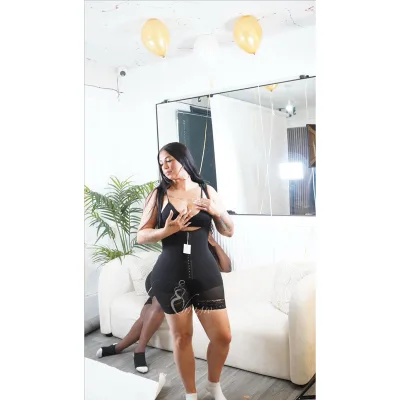
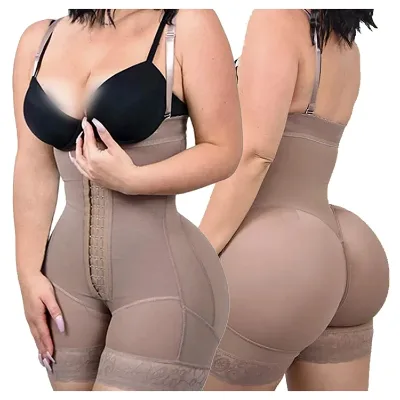


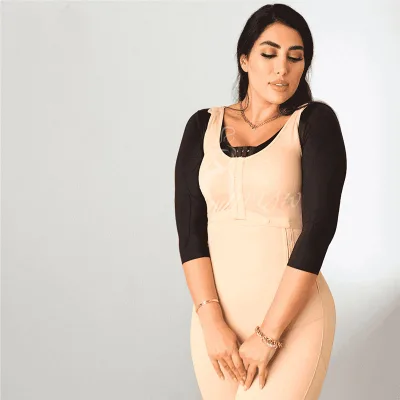
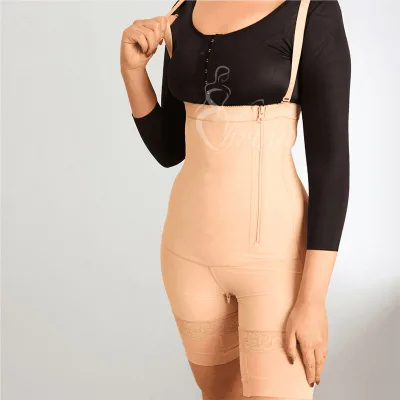
Comprehensive Sourcing Guide
Padded Buttocks Corset Sourcing Guide
Sourcing padded buttocks corsets requires a nuanced understanding of the intersection between shapewear engineering and aesthetic enhancement. These garments are designed to simultaneously compress the abdominal area and lift or enhance the gluteal region, often utilizing internal structural elements to maintain shape and function. Buyers must distinguish between standard compression shapewear and specialized corsets that incorporate padding or specific contouring technologies. The primary value proposition for end-users lies in the dual benefit of silhouette smoothing and volumetric enhancement, which demands rigorous attention to material composition, structural integrity, and fit consistency across size runs.
The procurement landscape for these items is characterized by a high degree of customization and a wide variance in technical specifications. Manufacturers often offer OEM and ODM services, allowing buyers to tailor materials, padding density, and structural keels to specific market demands. However, this flexibility introduces complexity in quality control, as variations in fabric blends and padding placement can significantly impact the final product’s performance and durability. Sourcing decisions must therefore balance the desire for unique design features with the need for standardized quality metrics that ensure customer satisfaction and reduce return rates.
Product Scope and Observed Listing Signals
The current market for padded buttocks corsets exhibits a broad price range, typically observed between $1.28 and $19.80 USD, reflecting significant differences in material quality, construction complexity, and brand positioning. This wide variance suggests that buyers can access entry-level products for high-volume, price-sensitive markets as well as premium items for niche segments requiring advanced features such as breathable fabrics or specialized padding. The minimum order quantity (MOQ) also varies substantially, ranging from single-piece samples to bulk orders of up to 3,000 units, indicating that suppliers cater to both small-batch testers and large-scale distributors.
Observed product attributes highlight a strong emphasis on functional benefits, with common features including anti-bacterial properties, breathability, quick-dry capabilities, and plus-size availability. Many listings specify effects such as stomach and abdomen pulling, buttock upward lifting, and fat loss support, which are critical selling points for consumers seeking body contouring solutions. Additionally, the presence of internal keels in many designs underscores the structural nature of these corsets, distinguishing them from simple compression garments. Buyers should note that while these features are commonly advertised, their actual implementation and effectiveness can vary widely between suppliers, necessitating careful verification of product samples.
Technical Specifications to Verify
Material composition is a critical technical specification that directly influences the comfort, durability, and performance of padded buttocks corsets. Common fabric blends include spandex combined with nylon or polyester, with main fabric components often ranging from 80% to 90% of the total content. Buyers must verify the exact percentage of elastane or spandex to ensure adequate stretch and recovery, which is essential for maintaining the garment’s shape over time. Additionally, the type of padding used in the buttocks area should be specified, including its density, washability, and resistance to shifting or clumping after repeated use.
Structural elements such as internal keels and waist support panels are key differentiators in corset design. The presence of a keel, often made from steel or plastic, provides rigidity and helps maintain the corset’s shape, while also offering additional support to the lower back. Buyers should verify the number, placement, and flexibility of these keels, as well as the method of their attachment to the fabric. Furthermore, sizing standards vary across suppliers, with common ranges including XS/S, M/L, XL/XXL, and extended sizes up to XXXXXL. It is crucial to confirm the accuracy of these size charts, as even a 1cm error range can lead to significant fit issues and customer dissatisfaction.
Compliance and Safety Documentation
While specific certification requirements may vary by destination market, buyers must ensure that all padded buttocks corsets comply with relevant textile and safety regulations. This includes verifying that materials are free from harmful substances such as azo dyes, formaldehyde, and heavy metals, which are commonly regulated in the apparel industry. Suppliers should provide test reports or declarations of conformity that confirm compliance with standards such as REACH in Europe or CPSIA in the United States, depending on the target market. Buyers should also inquire about any specific labeling requirements related to fiber content, care instructions, and country of origin.
Safety considerations extend beyond chemical compliance to include the physical safety of the garment’s structural components. Internal keels and boning must be securely encased to prevent puncture or exposure, which could pose a risk to the wearer. Buyers should request samples to inspect the quality of stitching and the robustness of the keel channels, ensuring that they can withstand regular wear and washing without failure. Additionally, if the product claims anti-bacterial or other health-related benefits, buyers should verify that these claims are supported by credible testing data and do not violate advertising standards in the target market.
Cost Drivers and Commercial Terms
The cost of padded buttocks corsets is influenced by several key factors, including material costs, labor intensity, and the complexity of the design. High-quality spandex blends and specialized padding materials tend to be more expensive, while intricate construction techniques such as multiple panels, reinforced seams, and integrated keels increase labor costs. Buyers should also consider the impact of customization on pricing, as OEM and ODM services often involve additional setup fees and higher MOQs. Understanding these cost drivers can help buyers negotiate more effectively and identify opportunities for cost optimization without compromising quality.
Commercial terms such as payment methods, shipping arrangements, and return policies are also critical components of the sourcing process. Buyers should clarify the supplier’s preferred payment terms, such as T/T or L/C, and negotiate favorable conditions based on order volume and relationship history. Shipping costs can vary significantly depending on the weight and dimensions of the product, as well as the chosen mode of transport. Given that some listings indicate a weight of around 400g per piece, buyers should calculate the total landed cost, including duties and taxes, to ensure accurate pricing for their end customers. Additionally, clear return and defect resolution policies are essential for managing risk and maintaining customer satisfaction.
Supplier Qualification and Quality Control
Selecting a reliable supplier for padded buttocks corsets requires a thorough evaluation of their manufacturing capabilities, quality control processes, and business stability. Buyers should verify the supplier’s production capacity, lead times, and ability to handle large orders, as well as their experience in producing similar garments. Requesting references or case studies from existing clients can provide valuable insights into the supplier’s reliability and performance. Additionally, buyers should assess the supplier’s commitment to quality by reviewing their internal QC procedures, including in-line inspections and final random inspections, to ensure that products meet specified standards before shipment.
Quality control should also extend to the verification of product samples and the establishment of clear acceptance criteria. Buyers should order pre-production samples to evaluate the fit, comfort, and durability of the corsets, paying close attention to the padding placement and the integrity of the internal structure. It is advisable to conduct wear tests and wash tests to assess the product’s performance over time, ensuring that it maintains its shape and functionality after repeated use. Establishing a robust quality agreement with the supplier, including clear definitions of acceptable defect rates and remediation procedures, can help mitigate risks and ensure consistent product quality.
Long-Term Procurement Checks
Long-term success in sourcing padded buttocks corsets depends on the ability to monitor supplier performance and adapt to changing market conditions. Buyers should establish key performance indicators (KPIs) to track metrics such as on-time delivery, product quality, and responsiveness to issues. Regular audits and performance reviews can help identify areas for improvement and ensure that suppliers continue to meet expectations. Additionally, buyers should stay informed about trends in the shapewear industry, including new materials, technologies, and consumer preferences, to remain competitive and relevant in the market.
Building a strong relationship with suppliers is also crucial for long-term procurement success. Open communication, mutual trust, and collaborative problem-solving can lead to better pricing, improved quality, and more flexible terms. Buyers should consider developing a diversified supplier base to mitigate risks associated with single-source dependencies, while also investing in strategic partnerships with key suppliers who demonstrate exceptional performance and alignment with business goals. By maintaining a proactive approach to supplier management and market analysis, buyers can ensure a steady supply of high-quality padded buttocks corsets that meet the evolving needs of their customers.
FAQs
What materials are used for padded buttocks corsets?
The product is constructed from a blend of Spandex and Nylon or Spandex and Polyester. This composition ensures the garment remains breathable and quick-drying while providing the necessary elasticity for a comfortable fit during wear.
Can I customize the design of these corsets?
Yes, customization is available for this product line. Buyers can request specific modifications to the design, allowing for tailored solutions that meet unique requirements while maintaining the core structural integrity of the corset.
Which sizes are available for padded buttocks corsets?
Standard sizing includes XS, S, M, L, XL, XXL, XXXL, XXXXL, and XXXXXL. Some models also offer As design sizing options to accommodate various body types and ensure a proper fit for all customers.
How does the corset affect the stomach area?
The corset features effects designed to pull in the stomach and abdomen. This functional design helps create a smoother silhouette while providing support, making it suitable for those seeking tummy control and body shaping.
What is the minimum order quantity for these items?
The minimum order quantity ranges from 1 to 3000 units depending on the specific model and supplier. Small orders are accepted, providing flexibility for buyers who need to test the market or fulfill smaller initial requirements.
Where are these corsets manufactured?
These products originate from Guangdong and Zhejiang in China. The manufacturing locations ensure access to established supply chains while maintaining the quality standards required for the specific fabric blends and construction methods used.
Are these corsets suitable for plus size customers?
Yes, the product features include specific options for plus size customers. The design accommodates larger body types while still delivering the intended effects of buttock lifting and stomach control through the specialized fabric composition.