Source Modal Sleepwear for Home Loungewear, Office, and Parties
Find 30 Modal Sleepwear options featuring soft silky textures and breathable fabrics. Compare styles including lapel and scoop neck designs, available in various sizes and customizable colors for OEM and ODM needs; compare the available evidence and request quotations based on your requirements.
Updated
Key considerations
Products List


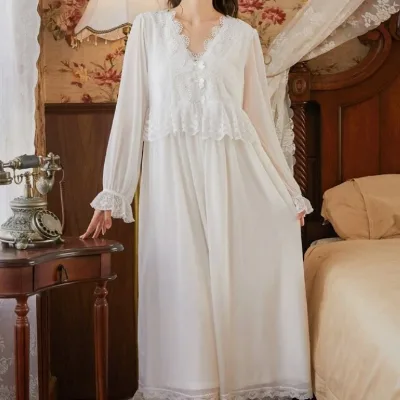
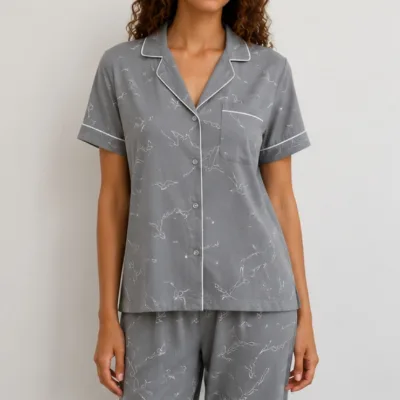
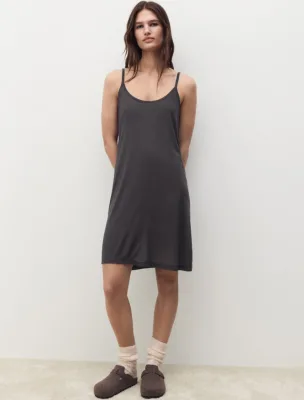
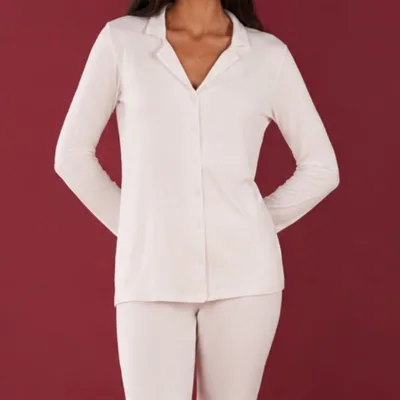
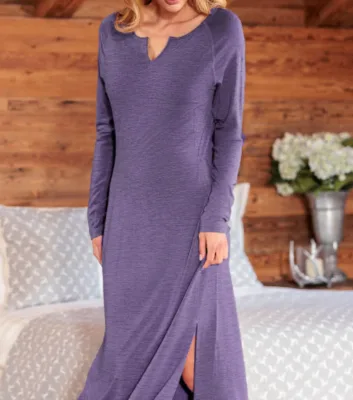
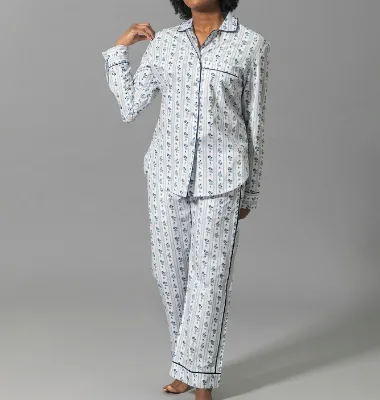


Modal Cotton Pajamas Sleeping Suit Long Pajama Shorts Plus Size Nighties
$6.00 - $8.00
MOQ: 1000 Pieces


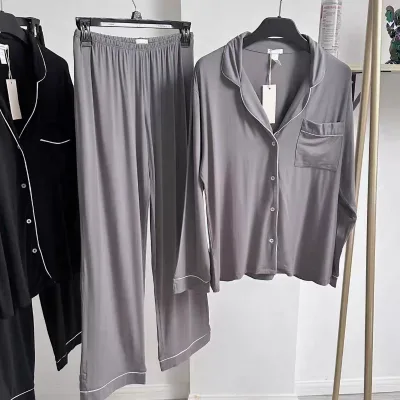
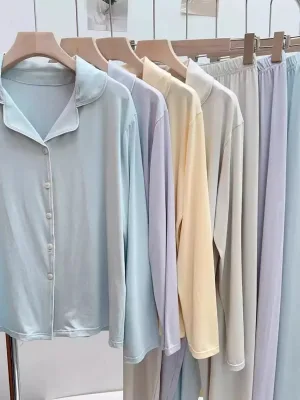
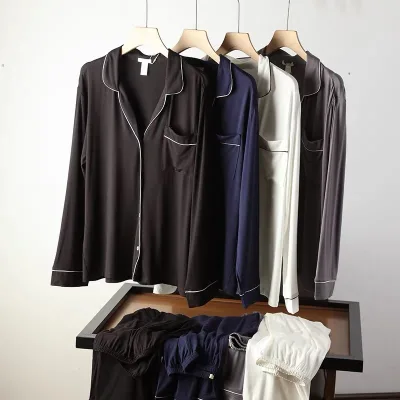


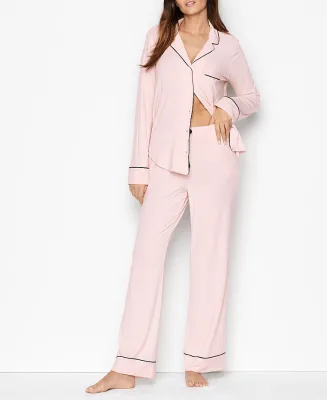
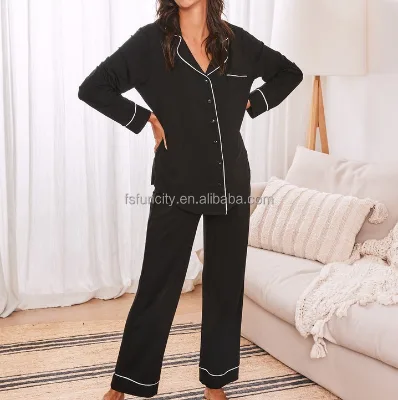
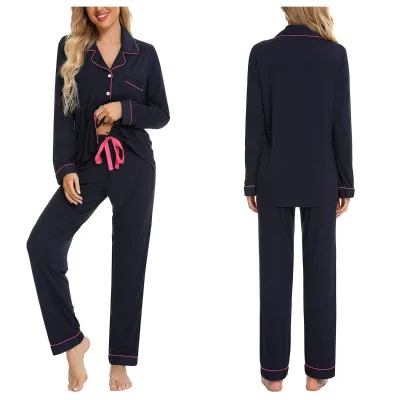
Comprehensive Sourcing Guide
Modal Sleepwear Sourcing Guide
Sourcing Modal Sleepwear requires a nuanced understanding of fabric behavior and supply chain transparency. Modal, a semi-synthetic fiber derived from beech tree pulp, offers superior softness and breathability compared to standard cotton, making it ideal for loungewear and intimate apparel. Buyers must prioritize suppliers who provide clear material composition data, as blends with polyester or elastane can alter the drape and moisture-wicking properties essential for comfort. The observed market signals indicate a strong emphasis on aesthetic versatility, with listings highlighting styles ranging from princess and luxury cuts to romantic and fashionable designs. This variety suggests that successful procurement depends on aligning product aesthetics with specific target demographics, whether for home loungewear, holiday gifts, or daily leisure.
Commercial viability in this sector hinges on balancing customization capabilities with minimum order quantities. Many suppliers offer OEM and ODM services, allowing brands to develop unique silhouettes and branding, yet this flexibility often comes with tiered MOQ structures. The observed data points to an MOQ range of 10 to 1000 units, with specific listings citing 100 units as a baseline for certain styles. Buyers should evaluate whether their volume forecasts justify the setup costs associated with custom logos and colors. Furthermore, the availability of samples is a critical checkpoint; verifying sample quality before committing to bulk production ensures that the fabric weight and texture meet expectations. Understanding these commercial levers helps mitigate risk and aligns procurement strategies with realistic production capacities.
Product Scope and Observed Listing Signals
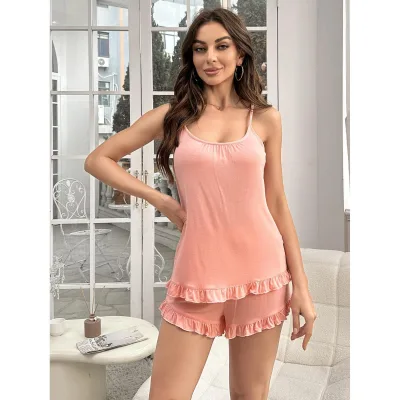
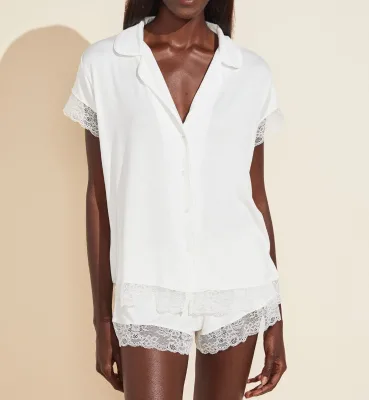
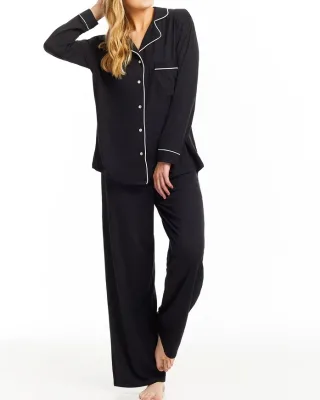
The current market landscape for Modal Sleepwear is characterized by a diverse array of styles and functional attributes. Listings frequently describe items as women’s pajamas or sleepwear, featuring lapel collars, scoop necks, and V-necklines. The fabric weight is typically categorized as medium thin, with specific GSM ranges observed between 161-180 GSM and 181-200 GSM, indicating a preference for lightweight, breathable materials suitable for indoor sleeping and home office use. Texture descriptions often emphasize a soft, silky feel, which is a key selling point for consumers seeking comfort. Additionally, the product scope extends beyond basic sleepwear to include occasion-specific items like Christmas party attire, leveraging holiday themes and patterned prints to drive seasonal sales.
Packaging and presentation are also significant factors in the observed product scope. Items are commonly packed in independent PE bags or OPP bags within cartons, ensuring protection during transit while maintaining a clean, professional appearance for retail. The standard packaging dimensions noted are 50.00cm * 40.00cm * 5.00cm, which aids in logistics planning and storage efficiency. Buyers should note that while some listings specify short pants, others may imply long pants, creating potential confusion in product categorization. Clarifying the exact trouser length and sleeve style, such as long sleeves, is essential to avoid fulfillment errors. The emphasis on customizable colors and logos further underscores the B2B nature of these transactions, where brand identity plays a crucial role in product differentiation.
Technical Specifications to Verify
Verifying technical specifications is paramount to ensuring product consistency and customer satisfaction. Buyers must confirm the exact fabric composition, as modal blends can vary significantly in performance. The observed GSM ranges of 161-180 and 181-200 provide a baseline for thickness, but buyers should request physical samples to assess hand feel and drape. Size inclusivity is another critical technical aspect, with listings offering sizes from XS to 5XL. However, sizing standards can vary between manufacturers, so obtaining detailed size charts and tolerance levels is necessary to minimize return rates. Additionally, the neckline style, whether scoop, V-neck, or lapel, should be verified against design specifications to ensure alignment with brand aesthetics.
Construction details and finishing techniques also require close scrutiny. The observed technic is listed as plain dyed, which suggests a uniform color application, but buyers should inquire about colorfastness and shrinkage rates. The number of pieces per set, typically two, should be confirmed to ensure completeness. Furthermore, the single gross weight and volume are often listed as zero in digital catalogs, which is inaccurate for logistics planning. Buyers must request actual weight and volume data to calculate freight costs accurately. The presence of features like breathability should be validated through supplier documentation or third-party testing, as these claims directly impact consumer perception and product performance in warm climates.
Compliance and Safety Documentation
Compliance with safety and quality standards is non-negotiable in the sleepwear industry. Buyers must ensure that suppliers adhere to relevant chemical regulations, such as REACH in Europe or CPSIA in the United States, to guarantee that dyes and finishes are free from harmful substances. Although specific certification statuses are not provided in the observed data, buyers should request test reports from accredited laboratories to verify compliance. The material, modal, is generally considered safe, but the processing chemicals used in dyeing and finishing can pose risks. Therefore, obtaining documentation that confirms the absence of azo dyes, formaldehyde, and heavy metals is essential for market access and consumer trust.
Quality assurance protocols should also be clearly defined in the procurement agreement. The observed listings mention high quality, but this is a subjective claim that must be backed by objective metrics. Buyers should establish clear quality control checkpoints, including inspections for stitching integrity, seam strength, and fabric defects. The product care instructions, such as machine-washability, should be validated to ensure that the garment maintains its shape and color after multiple wash cycles. Additionally, buyers should verify that the supplier has a robust system for handling defects and returns, as this impacts long-term customer satisfaction. Clear communication regarding compliance requirements helps mitigate legal risks and ensures that products meet the regulatory standards of the target market.
Cost Drivers and Commercial Terms
Understanding the cost drivers in Modal Sleepwear procurement is essential for accurate budgeting and margin management. The primary cost components include raw material prices, labor, and manufacturing complexity. Modal fabric is more expensive than cotton, and the GSM range influences the amount of material used per unit. Customization options, such as unique logos, colors, and packaging, add to the production cost. The observed MOQ of 100 units suggests that smaller orders may incur higher per-unit costs due to setup fees and limited economies of scale. Buyers should negotiate pricing based on volume tiers and clarify whether costs include tooling, sampling, and shipping.
Commercial terms also play a significant role in the overall cost structure. Payment terms, such as deposits and balance payments, affect cash flow and risk exposure. Buyers should seek favorable terms that align with their financial capabilities and supply chain reliability. Lead times are another critical factor, as delays can impact inventory levels and sales opportunities. Although specific lead times are not provided, buyers should establish clear timelines for sample approval, production, and delivery. Incoterms should be carefully selected to define responsibility for shipping and insurance. Understanding these commercial dynamics allows buyers to optimize costs and maintain healthy profit margins while ensuring timely delivery of products.
Supplier Qualification and Quality Control
Supplier qualification is the foundation of a reliable supply chain. Buyers should conduct thorough due diligence to assess the supplier’s manufacturing capabilities, financial stability, and ethical practices. The observed data indicates that suppliers are located in China, with specific mentions of Shandong as a place of origin. Buyers should verify the supplier’s business license and production capacity to ensure they can meet order volumes. Additionally, assessing the supplier’s experience with modal fabric and sleepwear production is crucial, as specialized knowledge impacts product quality. Requesting references from existing clients can provide insights into the supplier’s reliability and performance.
Quality control measures must be integrated into the procurement process to maintain product standards. Buyers should implement a multi-stage inspection plan, including pre-production, during-production, and pre-shipment inspections. The observed listings mention independent PE bag packaging, which should be checked for durability and protection. Buyers should also verify that the supplier has a clear process for handling non-conforming products. Regular communication and site visits, if possible, can help build trust and ensure alignment on quality expectations. By establishing rigorous qualification and quality control protocols, buyers can minimize risks and ensure consistent product quality across orders.
Long-Term Procurement Checks
Long-term procurement success requires continuous monitoring and relationship management. Buyers should regularly review supplier performance metrics, such as on-time delivery, defect rates, and responsiveness to issues. The observed data highlights the importance of customization, so buyers should assess the supplier’s ability to innovate and adapt to changing market trends. Building a collaborative partnership with the supplier can lead to better pricing, priority production, and improved product development. Regular feedback loops and joint planning sessions can help align goals and address potential challenges proactively.
Sustainability and ethical sourcing are increasingly important considerations for long-term procurement. Buyers should evaluate the supplier’s environmental practices, such as water usage and waste management, and their commitment to fair labor practices. The observed listings mention holiday themes and fashion styles, indicating a dynamic market that requires agility. Buyers should stay informed about regulatory changes and consumer preferences to adjust their sourcing strategies accordingly. By focusing on long-term checks and strategic partnerships, buyers can build a resilient supply chain that supports business growth and meets evolving customer demands.
FAQs
What material is used in these Modal Sleepwear sets?
The pajamas are made from modal fabric, listed with thickness options of 161-180GSM and 181-200GSM depending on the model. Modal is known for a soft, silky texture and breathability, which suits indoor sleeping and daily leisure use. Fabric weight options let buyers choose between lighter and heavier feels, and plain dyed or printed patterns are available across the range.
Can I customize the logo, colors, and design on Modal Sleepwear orders?
Yes, customization is supported. The listings state that customized colors are accepted, custom logos are accepted, and supply type includes OEM and ODM services. This means you can adapt colors, patterns, and branding to your market. Confirm your artwork requirements with the supplier early so sampling and production schedules can be planned around your customization needs.
What is the MOQ for Modal Sleepwear orders?
The listed minimum order quantity is 100 pieces per style, which suits small to mid-size buyers testing a market. Some related listings in the range show MOQs from 10 to 1000 pieces, so flexibility exists depending on the specific model and supplier terms. Always confirm the MOQ for your chosen model, size range, and customization level before placing a trial order.
Which sizes are available for these modal pajama sets?
The size range covers XS, S, M, L, XL, 2XL, 3XL, 4XL, and 5XL, giving broad coverage for different body types and regional markets. When ordering, confirm which size grades are included in the base price and whether extended sizes like 3XL to 5XL affect unit cost or MOQ. Sample requests are available so you can verify fit before bulk production.
How are the sleepwear products packed for delivery?
Each piece is packed in an independent PE bag, with outer packing in an OPP bag or carton. A listed carton specification of 50cm by 40cm by 5cm applies to certain models, helping you estimate freight volume. Independent inner packaging keeps garments clean and presentation-ready, which is useful for holiday gifting and retail display, and packing can typically be discussed with the supplier.
What occasions suit this Modal Sleepwear range?
The products are positioned for home loungewear, Christmas parties, and holiday gifts, with multi-scene functions including indoor sleeping, daily leisure, home office, and outdoor use. Styles include long pants and short pants options with lapel, scoop neck, or V-neck designs. The Christmas theme and patterned prints make the range especially relevant for seasonal retail programs and gift promotions.
Can I request a sample before placing a bulk order?
Yes, samples are available and listed for the product range. Ordering a sample lets you check the modal fabric hand feel, GSM weight, stitching quality, and print accuracy before committing to production. Since OEM and ODM customization is offered, use the sample stage to confirm your logo placement, color matching, and packaging preferences, then agree on lead times for the bulk order.
How should Modal Sleepwear be cared for after purchase?
The products are machine-washable according to the listed care instructions, which simplifies maintenance for end consumers. To preserve the soft, silky texture and printed patterns, washing in cool water with mild detergent is a sensible practice, and avoiding high-heat drying helps maintain fabric integrity. Including clear care guidance in your retail packaging can reduce returns and improve customer satisfaction.