Source Quick Dry Thermal Underwear for Cycling, Yoga, and Outdoor Use
Source Quick Dry Thermal Underwear from 30 verified listings. Compare features like carbon fiber heating, breathable fabrics, and anti-static properties for cycling, yoga, and outdoor activities. Evaluate sizes, materials, and customization options to find the right fit for your needs.
Key considerations
Products List
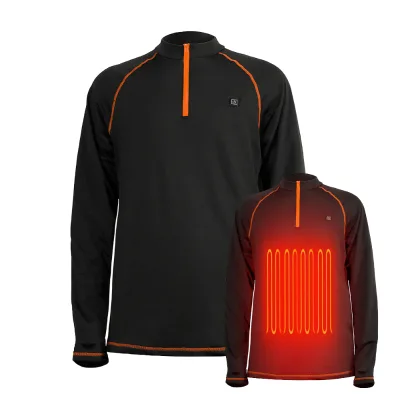
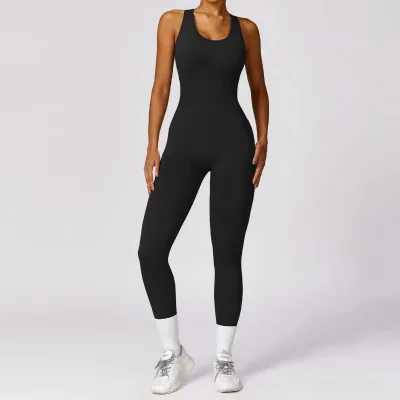


Factory Tactical Thermal Underwear Quick Dry Function Warm Tactical Underwear
$7.20 - $8.50
MOQ: 100 Pieces


Battery Heating Underwear Black Thermal Underwear Men and Women Underwear
$35.51 - $38.90
MOQ: 1 Pieces

Winter Underwear Heated Underwear Long 5V USB Electric Thermal Underwear
$35.51 - $38.90
MOQ: 1 Pieces

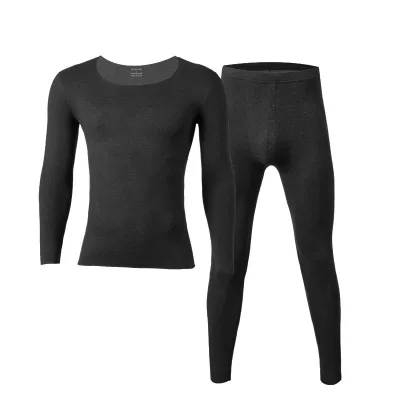
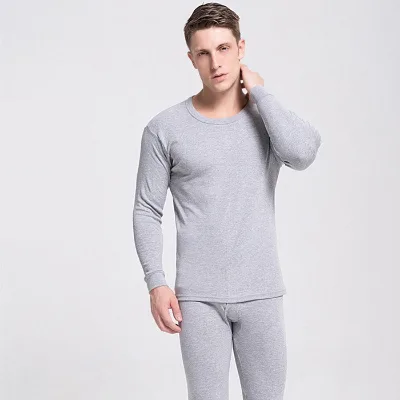
Round Neck Thermal Underwear Polyester Long Johns Thermal Underwear Suit
$35.51 - $38.90
MOQ: 1 Pieces

O-Neck Thermal Underwear 5V Electrical Underwear Men Thermal Underwear Set
$35.51 - $38.90
MOQ: 1 Pieces


Outdoor Sports Skiing Quick Drying Underwear Warm and Moisture Absorbing
$9.00 - $12.46
MOQ: 500 Pieces


Comprehensive Sourcing Guide
Quick Dry Thermal Underwear Sourcing Guide
Buyers must first distinguish between standard thermal layers and advanced quick-dry variants, as the supplied data reveals a mix of cotton, chemical fiber blends, and specialized fabrics like TC/65 35. While some listings explicitly claim quick-drying and breathable properties, others focus solely on warmth or anti-static features, requiring careful filtering to ensure the material composition matches the intended high-intensity activity.
Procurement teams should verify that the selected fabric blend supports rapid moisture evaporation without compromising thermal retention, as the observed product range includes items with varying thickness levels from normal to specialized heating elements. It is critical to cross-reference the stated fabric type against the specific usage environment, ensuring that the garment can handle the sweat-absorbent demands of outdoor cycling or yoga without retaining dampness that leads to discomfort.
Product Scope and Observed Listing Signals
The market presents a diverse array of thermal underwear models, ranging from general kits to specialized tactical and heated options, with observed listings featuring specific model numbers like KomGirl and TF-FB330. Buyers should note that while some products are marketed for general winter warmth, others include advanced features such as carbon fiber heating elements and specific power supply requirements, necessitating a clear definition of functional needs before selection.
Color and style variations are extensive, with options including black, custom colors, and specific combinations like black, yellow, and green, alongside patterns such as plaid. The observed data indicates that sizing spans from S to 5XL, yet some listings restrict sizes to specific ranges like S-3XL or L, requiring buyers to confirm size availability for their target demographic to avoid fulfillment gaps in their supply chain.
Technical Specifications to Verify
Technical verification must begin with the fabric composition, as the data shows a split between cotton, chemical fiber blends, and TC/65 35 materials, each offering different performance characteristics regarding breathability and drying speed. Buyers should explicitly request fabric test reports to confirm that the "quick dry" claim is backed by measurable moisture-wicking data, ensuring the material does not simply absorb sweat but actively transports it away from the skin.
Thickness and construction details are equally critical, with observed listings describing thickness as "normal" while others specify seamless fusing as absent or present. Procurement teams must validate the stitching quality and the presence of features like stretchability, which is confirmed in some listings, to ensure the garment maintains its shape and comfort during dynamic movements like cycling or yoga without restricting the wearer.
Compliance and Safety Documentation
Safety documentation is paramount when sourcing heated thermal underwear, as the observed listings include products with carbon fiber heating elements and power bank requirements that introduce electrical safety risks. Buyers must demand evidence of electrical safety certifications for the heating components and the power supply interface to ensure the product does not pose a fire hazard or risk of electric shock during operation in various environments.
For non-heated variants, compliance should focus on material safety and chemical restrictions, particularly since some listings mention anti-static properties which may involve specific chemical treatments. Procurement teams should verify that the fabric and any dyes used meet international standards for textile safety, ensuring that the garments are free from harmful substances that could cause skin irritation or allergic reactions during prolonged wear.
Cost Drivers and Commercial Terms
Cost structures are heavily influenced by the complexity of the product, with basic thermal layers differing significantly in price from those featuring integrated heating elements or custom branding services. The observed price range of 0.03 to 64.6 USD reflects this disparity, where the lower end likely covers standard cotton or blend items, while the higher end encompasses advanced tactical or electrically heated solutions with complex assembly requirements.
Commercial terms such as Minimum Order Quantity (MOQ) and lead times vary widely, with observed MOQs ranging from 1 to 1000 units and sample lead times explicitly noted as not supported in some cases. Buyers must negotiate clear terms regarding customization, as the data indicates that packing and standard dimensions can be adjusted to customer requirements, but these customizations often incur additional costs and extended production schedules.
Supplier Qualification and Quality Control
Supplier qualification requires a rigorous assessment of their manufacturing capabilities, particularly given the mixed origins observed, including specific hubs and Wuhan as a production location. Buyers should verify the supplier's ability to handle both standard textile production and specialized assembly for heated garments, ensuring they have the necessary infrastructure to manage electrical components alongside fabric cutting and sewing.
Quality control protocols must be established to address the variability in product attributes, such as the inconsistent reporting of seam fusing and fabric types across different listings. Implementing a pre-shipment inspection plan that specifically tests for the claimed quick-dry performance, heating element functionality, and dimensional accuracy is essential to prevent the receipt of substandard goods that fail to meet the defined technical specifications.
Long-Term Procurement Checks
Long-term procurement success depends on establishing a consistent supply chain that can adapt to evolving performance standards and seasonal demand fluctuations. Buyers should monitor the supplier's ability to maintain the quality of the chemical fiber blends and cotton mixes over time, ensuring that the quick-dry and breathable properties do not degrade with repeated production runs or changes in raw material sourcing.
Regular audits of the supplier's quality management systems are necessary to verify that the anti-static and thermal properties remain consistent with the initial samples. Additionally, buyers must track the reliability of the supply chain regarding the availability of specialized components like power banks and carbon fiber elements, ensuring that the long-term partnership can support the continued delivery of high-performance thermal underwear without interruption.
FAQs
What materials are used for Quick Dry Thermal Underwear?
The products utilize cotton and chemical fiber blends to ensure comfort and functionality. These materials provide essential warmth while maintaining breathability and quick-drying properties. Some items feature specific fabric compositions like Tc/65 35 blends. This variety allows buyers to select options that balance thermal retention with moisture management for outdoor or tactical use.
Can I customize the packaging for thermal underwear orders?
Yes, customization is available for packaging requirements. Suppliers offer flexible packing solutions, including individual poly bags and carton configurations. Some standard packing dimensions are noted, but buyers can request specific arrangements to meet their logistical needs. This flexibility supports various distribution channels and retail presentation strategies for international buyers.
What sizes are available for thermal underwear kits?
Sizes range from Small to 5XL, accommodating a wide variety of body types. The product line includes standard sizes like S, M, L, and XL, as well as extended sizes up to 5XL. This extensive size range ensures that buyers can source inventory suitable for diverse customer demographics without needing multiple specialized product lines.
How does the heating element function in thermal underwear?
Certain models incorporate carbon fiber heating elements for enhanced warmth. These elements are strategically placed on the back and waist of the clothing, as well as the belly and knee areas of the pants. The system is powered by a 10000mAh power bank, providing targeted heat for cold-weather activities and outdoor comfort.
What is the lead time for sample orders?
Sample order lead times are not supported for these specific listings. Buyers should note that standard production lead times may apply for bulk orders. It is advisable to confirm specific timelines with suppliers directly, as sample availability and processing times can vary based on customization requirements and current production capacity at the manufacturing facilities.
Which features make these thermal underwear suitable for outdoor use?
These garments are designed with thermal, anti-static, and breathable features. They offer warmth and sweat-absorbent properties, making them ideal for cycling, yoga, and general outdoor activities. The stretchable fabric and quick-drying capabilities enhance comfort during physical exertion, ensuring that users remain dry and warm in varying weather conditions.