Source Pan Tilt Boat Search Light for Marine, Park, and Factory Use
Explore 30 listings for the Pan Tilt Boat Search Light featuring LED sources, IP65 to IP67 ratings, and various beam angles. Buyers can compare specifications like lumen output, voltage options, and certifications including CE, RoHS, and FCC across different models.
Key considerations
Products List

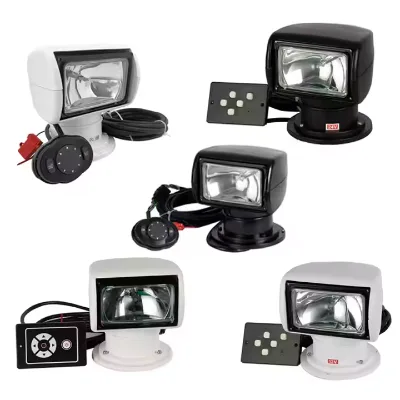
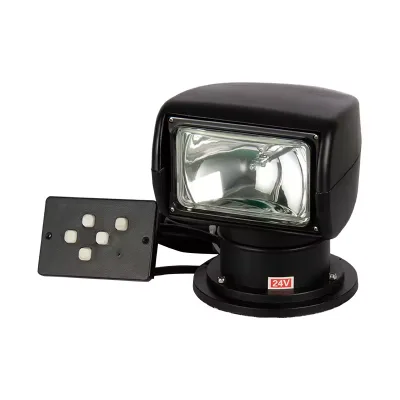
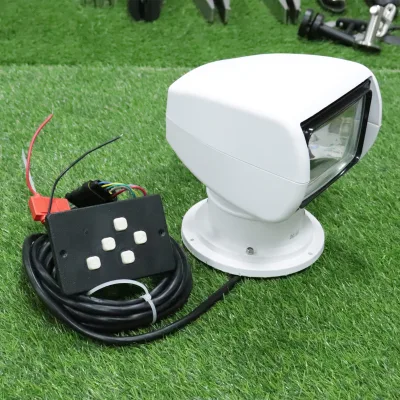
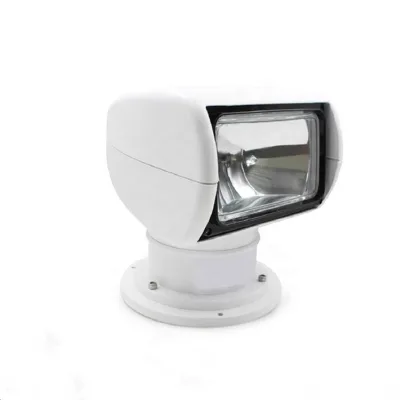
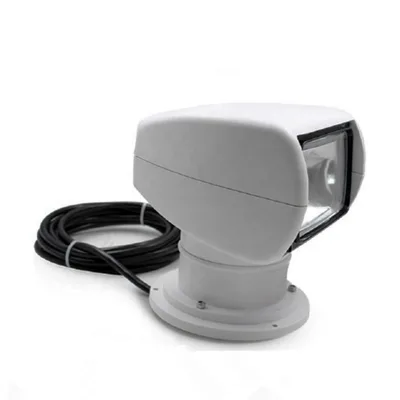
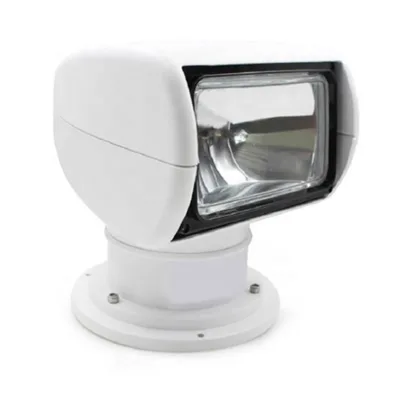
Marine & Boat LED Lights 100W 150W Fishing Ship Pan & Tilt Search Light
$89.00 - $2500.00
MOQ: 1 Pieces

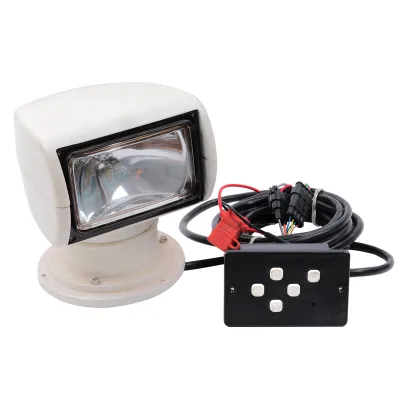
LED Fishing Boat Lighting 500W Navigation & Marine Pan and Tilt Search Light
$89.00 - $2500.00
MOQ: 1 Pieces

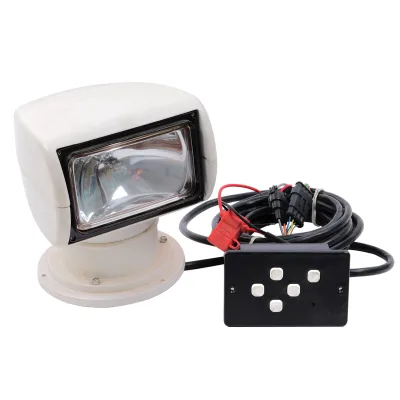
LED Fishing Boat Lighting 800W 1000W Navigation & Marine Pan & Tilt Search Lights
$89.00 - $2500.00
MOQ: 1 Pieces

Marine & Boat LED Lights 500W 600W Fishing Ship Pan & Tilt Searchlight Lamp
$89.00 - $2500.00
MOQ: 1 Pieces

LED Fishing Boat Lighting 200W 300W Navigation & Marine Ship Pan & Tilt Searchlight
$89.00 - $2500.00
MOQ: 1 Pieces







Comprehensive Sourcing Guide
Strategic Sourcing Guide for Marine Pan Tilt Boat Search Lights
Navigating the global market for pan tilt boat search lights requires a rigorous approach to technical verification and compliance. These specialized lighting systems are critical for maritime safety, navigation, and search-and-rescue operations. The procurement process must distinguish between general outdoor lighting and equipment designed specifically for the harsh marine environment. Buyers must rely on observed product attributes and verified specifications rather than marketing generalizations. This guide outlines the essential factors for sourcing these high-performance units, focusing on the data available from current market listings and established industry standards.
Technical Specifications and Optical Performance
The core functionality of a Pan Tilt Boat Search Light depends heavily on its optical configuration and power delivery. When evaluating potential units, buyers should prioritize the light source technology and beam characteristics. Current market data indicates that LED technology is the dominant standard for these applications, offering superior longevity and energy efficiency compared to traditional halogen or xenon alternatives. However, specific listings also reference single xenon lamp types, suggesting that high-intensity discharge options remain available for specialized high-lumen requirements.
Beam angle is a critical variable that dictates the utility of the search light for specific maritime tasks. The observed range of beam angles is extensive, spanning from narrow 2-degree spots for long-distance illumination to wide 90-degree spreads for area lighting. Specific configurations include 8-degree, 10-degree, 15-degree, 20-degree, 25-degree, 30-degree, 45-degree, and 60-degree options. Some advanced models feature complex arrays, such as 10x45-degree configurations, which allow for versatile illumination patterns. The choice of beam angle must align with the intended application, whether it is long-range detection or close-quarters maneuvering.
Luminous efficacy, measured in lumens per watt (lm/W), is another key performance metric. Observed data suggests a range of efficiency between 90 lm/W and 170 lm/W. Higher efficacy values indicate better energy conversion, which is vital for vessels with limited power generation capacity. The color temperature of the emitted light also varies significantly across different models. Listings show options ranging from warm white to cool white, with specific measurements noted as 2700K, 6500K, and even 7500K. Pure white and nature white options are also available, allowing buyers to select the spectrum that best balances visibility and glare reduction for the specific operational environment.
Voltage Compatibility and Electrical Integration
Marine vessels operate on diverse electrical systems, making voltage compatibility a primary screening criterion. The supply chain data reveals a variety of input voltage requirements. Some units are designed for low-voltage DC systems, specifically 12V or 24V, which are common in smaller boats and auxiliary power setups. Other models are engineered for high-voltage AC inputs, supporting ranges such as 85-265V, 100-240V, or specific mains voltages like 110V, 220V, and 220V.
Buyers must verify the operating voltage of the specific unit against their vessel's electrical architecture. Mismatched voltage can lead to immediate failure or safety hazards. The data indicates that some products list "IPInput Voltage" as a specific attribute, suggesting that the ingress protection rating is intrinsically linked to the electrical interface design. For example, a unit with an IP67 rating may be paired with a 12V input, while another with an IP65 rating might support 220V. It is imperative to confirm the exact operating voltage range, such as 12V/24V or 85-265V, before finalizing a purchase to ensure seamless integration with the boat's power distribution system.
Environmental Durability and Material Construction
The marine environment is uniquely corrosive due to saltwater exposure, requiring search lights to be constructed from robust materials. Stainless steel is a frequently observed material for the lamp body, providing essential resistance to saltwater corrosion. Some listings explicitly mention a "Marine Grade" designation with an "Anti-Salt Water Coating" backed by a 10-year warranty, indicating a high level of confidence in the product's longevity. Other materials, such as aluminum, are also present in the market, often used for heat dissipation in LED assemblies.
Ingress Protection (IP) ratings are the standard metric for assessing resistance to water and dust. The observed data includes IP65, IP67, and specific references to "IPInput Voltage" which implies a need for careful verification of the IP rating in conjunction with electrical specs. An IP67 rating, for instance, suggests the unit can withstand temporary immersion in water, a crucial feature for deck-mounted lights exposed to spray or waves. Additionally, impact resistance is measured using the IK rating system. Listings show IK08, IK09, and IK10 ratings, with IK10 representing the highest level of impact protection. Buyers should select an IK rating that matches the expected physical stress on the vessel, particularly for boats operating in rough seas or high-traffic areas.
Compliance, Certification, and Safety Standards
Navigating the regulatory landscape for marine lighting requires a thorough understanding of international certifications. The supply data lists a comprehensive array of certifications, including CE, RoHS, FCC, EMC, GS, CCC, CQC, C-tick, Energy Star, ETL, FDA, GOST, LVD, PSE, REACH, SAA, SASO, and VDE. The presence of multiple certifications suggests that these products are designed for global distribution and must meet various regional safety and environmental standards.
Buyers must verify that the specific unit they intend to purchase holds the certifications required by their flag state and the ports of call. For example, the FCC certification is essential for electronic devices sold in the United States, while the C-tick and SAA are relevant for the Australian market. The CE mark indicates conformity with health, safety, and environmental protection standards for products sold within the European Economic Area. It is important to note that while a product may list a broad range of certifications, not every individual unit in a batch may possess every single certification listed in the general product description. Procurement teams should request specific test reports or certificates of conformity for the exact model number to ensure compliance.
Cost Drivers and Procurement Economics
The price of pan tilt boat search lights varies significantly based on specifications, materials, and certification levels. The observed price range in the market spans from approximately $32.19 to $13,000. This wide disparity reflects the difference between basic LED floodlights and high-end, motorized pan-tilt search lights with advanced optics and marine-grade construction. The minimum order quantity (MOQ) also varies, with observed ranges from 1 unit to 50 units. This flexibility allows buyers to source single units for replacement or small fleet upgrades, as well as bulk orders for new vessel construction.
Several factors drive the cost of these units. The brand of the LED chips, such as Osram or CREE, is a significant cost component, as these manufacturers are known for high reliability and performance. The complexity of the pan-tilt mechanism, the quality of the anti-corrosion coating, and the extent of the certification portfolio also influence the final price. Additionally, the physical dimensions of the unit, ranging from compact 343x362x132mm models to larger 597x362x132mm units, affect material usage and shipping costs. Buyers should balance their budget against the required performance metrics, ensuring that cost-saving measures do not compromise safety or durability.
Supplier Evaluation and Quality Assurance
Evaluating suppliers for marine lighting requires a focus on origin, production standards, and customization capabilities. The observed data indicates that products originate from manufacturing hubs such as Shenzhen City and Hebei in China. Shenzhen is a major electronics manufacturing center, while Hebei is known for industrial hardware. Buyers should verify the specific factory location to understand the supply chain dynamics and potential lead times.
Customization is a key feature observed in the market, with "Available" status noted for many products. This allows buyers to tailor specifications such as voltage, beam angle, and mounting options to their specific vessel requirements. When evaluating a supplier, buyers should request detailed product data sheets that confirm the exact model number, such as LCD-FAS-205-LN30-4K or BL30. The packaging standards, typically listed as "Carton Box" or "Carton," should be verified to ensure adequate protection during shipping. Furthermore, the production standard dimensions, such as 540x350x368mm or 436x411x111mm, should be cross-referenced with the physical space available on the vessel.
Application Scenarios and Operational Fit
The versatility of pan tilt boat search lights makes them suitable for a wide range of applications. Observed use cases include parks, squares, factories, and gardens, but for marine contexts, the primary applications are search and rescue, navigation, and security patrol. The ability to adjust the beam angle and pan/tilt direction allows these lights to cover large areas of water or track moving targets effectively.
The choice of color temperature and beam angle should be dictated by the specific operational need. For example, a narrow 2-degree beam with a cool white or pure white color temperature is ideal for long-range search operations, while a wider 60-degree beam with a nature white spectrum might be better for general deck illumination. The high lumen output, ranging up to 170 lm/W, ensures that the light can penetrate fog and darkness effectively. Buyers should consider the environmental conditions of their specific route, such as the frequency of rough seas or the need for low-glare lighting to preserve night vision, when selecting the final configuration.
Long-Term Procurement and Maintenance Strategy
Sourcing marine lighting is not just a one-time transaction but a long-term investment in vessel safety. The availability of a 10-year warranty on anti-salt water coatings is a strong indicator of a supplier's confidence in their product's durability. However, buyers should also consider the maintenance requirements of the unit. LED lights generally have a long lifespan, but the mechanical components of the pan-tilt mechanism require regular inspection to ensure smooth operation.
Procurement strategies should include a plan for spare parts and future upgrades. Given the wide range of models and specifications, maintaining a consistent inventory of compatible parts is essential. Buyers should also monitor the evolution of standards and certifications, as regulations regarding marine lighting can change. By selecting suppliers who offer customization and robust after-sales support, buyers can ensure that their search light systems remain compliant and functional throughout the lifecycle of the vessel. The observed diversity in product models and specifications suggests a mature market with options for every budget and requirement, provided that buyers conduct thorough due diligence on the technical and compliance aspects of each unit.
FAQs
What certifications do pan tilt boat search lights typically hold?
These lights commonly hold CE, RoHS, FCC, EMC, GS, and CCC certifications. Some models also include CQC, C-tick, Energy Star, ETL, and VDE marks. Buyers must verify specific test reports for the exact model number to ensure compliance with their local regulations.
Which beam angles are available for marine search light applications?
Available beam angles range from narrow 2-degree spots to wide 90-degree spreads. Specific options include 8, 10, 15, 20, 25, 30, 45, and 60 degrees. Complex arrays like 10x45-degree configurations are also offered for versatile illumination patterns on vessels.
Can these lights operate on different voltage systems?
Yes, units support diverse voltages including 12V, 24V, 110V, and 220V. Some models accept wide AC ranges like 85-265V or 100-240V. Buyers must match the operating voltage to their vessel's electrical architecture to prevent failure or safety hazards.
How durable are the materials used for marine grade search lights?
Lamp bodies are often made of stainless steel or aluminum with anti-salt water coatings. Some listings offer a 10-year warranty on the marine grade coating. Impact resistance is rated IK08, IK09, or IK10 to withstand rough sea conditions and physical stress.
What is the lumen output efficiency for these LED search lights?
Observed lumen output efficiency ranges from 90 to 170 lumens per watt. Higher efficacy values indicate better energy conversion for vessels with limited power capacity. This range ensures effective penetration of fog and darkness for search and rescue operations.
Which LED chip brands are used in these marine lighting units?
Major brands such as Osram and CREE are used for the LED chips. These manufacturers are known for high reliability and performance in harsh environments. The choice of chip brand is a significant factor in the overall cost and longevity of the unit.
Can buyers customize the specifications of these search lights?
Customization is available for many models to meet specific vessel requirements. Buyers can tailor voltage, beam angle, and mounting options to their needs. This flexibility allows for precise integration into existing marine electrical and structural systems.