Source Non-Invasive Commercial Muscle Stimulator for Gyms
Find and compare 30 Non-Invasive Commercial Muscle Stimulator options from verified Chinese manufacturers. Evaluate models like G-EMS and P2002 for salon and home use, checking certifications such as CE and FDA to ensure quality and compliance for your business needs.
Key considerations
Products List



Electronic Muscle Stimulator EMS Training Slimming Muscle Massager Stimulation
$2500.00 - $3000.00
MOQ: 1 Sets



Electromagnetic Muscle Stimulation Machine EMS Muscle Stimulator Device EMS Neo
$2500.00 - $2950.00
MOQ: 1 Pieces


EMS and Tens Muscle Stimulator Body Slimming Device Fat Dissolving Machine
$450.00 - $520.00
MOQ: 100 Sets

Body Treatment Relief EMS Stimulate Muscles to Young Low Frequency Device
$450.00 - $520.00
MOQ: 100 Sets

Comprehensive Sourcing Guide
Non-Invasive Commercial Muscle Stimulator Sourcing Guide
The market for non-invasive commercial muscle stimulators features diverse units ranging from portable handheld devices to larger salon-grade systems. Buyers must distinguish between products designed for general muscle training and those offering specific therapeutic functions like analgesia or body shaping. The observed product landscape includes models with varying power sources, from battery-operated units to those requiring external power, necessitating a clear definition of the intended operational environment before selection.
Procurement decisions should prioritize the specific functional claims supported by the available data, such as muscle stimulation for training or slimming applications. While some listings indicate capabilities for body slimming and shaping, others focus on muscle trainer stimulation and pain relief. Understanding these distinct functional categories is essential for aligning the purchased equipment with the specific service menu or therapeutic goals of the commercial facility.
Product Scope and Observed Listing Signals
Buyers should verify the physical dimensions and weight of the equipment, as observed listings show single package sizes around 30x30x10 cm and gross weights near 5 kg. These specifications are critical for logistics planning and determining whether the unit fits within the intended salon or home space. The presence of multiple engine configurations, such as combinations of main and smaller engines, suggests complex setups that require careful spatial assessment during the installation phase.
The application scope varies significantly across listings, with some units explicitly targeting salon environments while others are marketed for home use. This distinction influences the durability requirements and the complexity of the user interface. Procurement teams must confirm whether the device is designed for high-frequency commercial use or occasional personal application, as this directly impacts the expected lifespan and the necessary maintenance protocols for the equipment.
Technical Specifications to Verify
Technical due diligence must focus on the power type and control interfaces, as observed data includes both battery-powered and potentially mains-operated models. The presence of LCD displays on certain units indicates advanced control capabilities, which are vital for professional settings where precise parameter adjustments are required. Buyers should confirm the specific power requirements and battery life to ensure the device can operate continuously throughout a busy service day without interruption.
The model numbers and material compositions provide further insight into the build quality and intended use. Listings reference high-quality PU leather materials and specific model identifiers like G-EMS or P2002, which help in tracing the exact configuration of the hardware. It is essential to verify the handle count and bio-pad compatibility, as the number of pairs included, such as ten pairs, directly affects the throughput and efficiency of the treatment sessions in a commercial setting.
Compliance and Safety Documentation
Safety compliance is paramount when sourcing electrical medical devices, and buyers must demand valid quality certifications such as CE and FDA. The observed listings mention certifications like ISO and CE, but these must be verified against the specific batch of equipment being purchased to ensure they are current and applicable to the region of operation. Relying on generic certification claims without physical documentation can expose the business to significant liability and regulatory penalties.
Warranty terms and shelf life are critical components of the safety and reliability profile of the equipment. A standard one-year warranty and a three-year shelf life are observed in the market, yet these terms should be explicitly detailed in the purchase agreement. Buyers should ensure that the warranty covers not just the main engine but also consumable parts like bio-pads, as these are subject to wear and tear during regular commercial use and require frequent replacement.
Cost Drivers and Commercial Terms
Pricing structures in this category are influenced by the complexity of the technology and the inclusion of accessories like multiple engines and pads. The observed price range is broad, extending from low-cost portable units to high-end commercial systems, which reflects the variance in features and build quality. Buyers must analyze the total cost of ownership, including the cost of replacement pads and the energy consumption of the device, rather than focusing solely on the initial purchase price.
Minimum Order Quantities (MOQ) and shipping terms significantly impact the commercial viability of the procurement. Listings indicate MOQs ranging from single items to 50 pieces, with lead times for express shipping estimated between 7 to 15 days. Procurement strategies should account for these constraints, especially when scaling up operations, as higher volume orders may unlock better pricing but require larger upfront capital and storage capacity for the inventory.
Supplier Qualification and Quality Control
Supplier verification should include a check on the place of origin and the specific manufacturing capabilities of the vendor. The observed data points to origins in Henan, Shenzhen, and Guangzhou, China, regions known for electronics manufacturing but with varying levels of quality control infrastructure. Buyers should request proof of the supplier's ability to maintain consistent quality across batches, particularly for electronic components that are prone to variation.
Quality control processes must extend beyond the initial inspection to include post-delivery testing and after-sales support. The availability of online technical support is a key indicator of a supplier's commitment to long-term service. Buyers should establish clear protocols for handling defects and ensuring that replacement parts are readily available, as the downtime of a commercial muscle stimulator can directly impact revenue and client satisfaction in a busy salon environment.
Long-Term Procurement Checks
Sustainability of the supply chain requires monitoring the shelf life and the availability of replacement components over the product's lifecycle. With a stated shelf life of three years, buyers must plan for the eventual obsolescence of specific models and ensure that the supplier can provide compatible upgrades or replacements. This foresight prevents the need for emergency sourcing and ensures continuity of service for clients who rely on consistent treatment protocols.
Regular performance audits and adherence to customization standards are necessary to maintain the integrity of the equipment over time. The ability to customize the device for specific client needs is a valuable feature, but it must be balanced with the risk of deviating from standard safety configurations. Buyers should implement a schedule for regular maintenance checks to ensure that the muscle stimulators continue to meet the original performance specifications and safety standards throughout their operational life.
FAQs
How does a Non-Invasive Commercial Muscle Stimulator work?
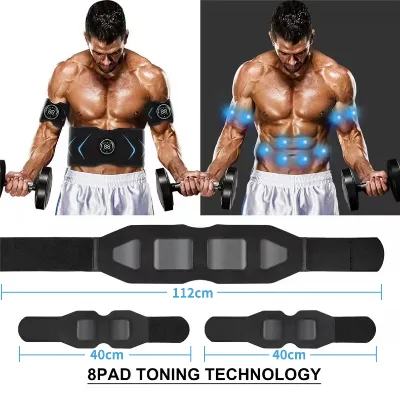
It uses electrical or electromagnetic impulses to trigger muscle contractions through the skin without needles or surgery. Sessions typically target areas like the belly and arms using adhesive pads or applicators placed on the body. Users stay clothed or lightly prepared depending on the model, and intensity is adjusted through a control unit or LCD display during treatment.
What areas of the body can this muscle stimulator treat?
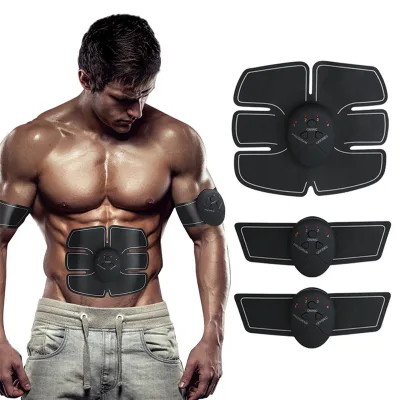
The listed stimulator targets the belly and arm areas, which are common zones for muscle training and body shaping treatments. Some salon models support broader body applications with multiple pairs of bio pads. Always confirm treatment coverage with the supplier before ordering, since pad quantity, applicator design, and program modes differ between models and configurations.
Which certifications should I check before sourcing these devices?
Look for CE certification as a baseline for many markets, and confirm whether listings include FDA or ISO documentation when relevant to your region. Certification claims on product pages should be verified directly with suppliers, including certificate numbers and scope. Commercial buyers should also ask which certificates apply to the specific model number being quoted.
Can this device be used in a salon as well as at home?
Yes, several listed models are designed for salon and home application, with salon units typically offering more power and multiple pad pairs. Home versions are portable, battery powered, and simpler to operate. Commercial operators should confirm duty cycle, capacity, and after-sales support, since professional environments place heavier demands on the equipment than occasional personal use.
What is typically included in the packaging of one unit?
A typical kit includes main engine units, smaller main engine pads, and an instruction booklet, with some models listing three main engines and two smaller main engine pads. Package size for one listed unit is 30 by 30 by 10 centimeters with a gross weight around 5 kilograms. Confirm the exact packing list per model number before placing an order.
How long does express shipping take for these muscle stimulators?
Express delivery time is listed at 7 to 15 days for ready stock items, though larger salon machines may require different arrangements. Shipping terms follow customer demand, so air, sea, and courier options should be compared based on order size. Always confirm current lead times with the supplier, as they vary by order quantity and destination.
Can I customize the muscle stimulator for my own brand?
Yes, customization is available on the listed products, which typically covers branding elements and packaging preferences for bulk orders. Minimum order quantities apply, with one listed configuration set at 50 pieces per order. Discuss logo placement, packaging, and model options directly with suppliers, and request written confirmation of customization scope before committing to production.
What warranty and after-sales support do these products include?
Listed products carry a one year warranty and include online technical support after purchase, with a stated shelf life of three years. Buyers should confirm warranty coverage details, including what faults qualify for replacement or repair. For commercial salon use, clarify response times for technical issues, since equipment downtime directly affects revenue and client scheduling.