Source Paper Plate and Cup Set for Coffee, Tea, and Juice
Compare 30 listings for Paper Plate and Cup Set options featuring biodegradable materials and customizable sizes. Buyers can evaluate oil-proof, waterproof, and food-grade products from verified manufacturers in China with flexible MOQs and OEM services.
Key considerations
Products List

Biodegradable Raw Material Paper Plates Set Party Luxury Napkin Paper Plates and Cups Set
$0.05 - $1.00
MOQ: 1000 Pieces


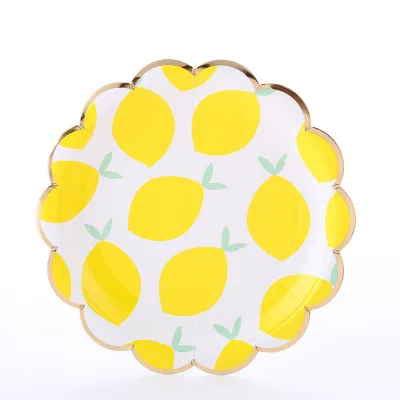


Christmas Paper Plates Set, Disposable Festive Banner Party Decoration Set
$1.70 - $2.00
MOQ: 500 Pieces


Comprehensive Sourcing Guide
Strategic Sourcing Guide for Disposable Paper Plate and Cup Sets
Navigating the global market for disposable paper plate and cup sets requires a disciplined approach that balances functional performance, regulatory compliance, and supply chain reliability. The core keyword "Paper Plate and Cup Set" encompasses a diverse range of products designed for single-use food service applications, from casual dining to large-scale events. Buyers must distinguish between generic paper products and those engineered with specific coatings and certifications to meet modern sustainability and safety demands. This guide outlines the critical technical specifications, compliance frameworks, and evaluation criteria necessary for successful procurement in this sector.
Technical Specifications and Material Composition
The foundation of any reliable Paper Plate and Cup Set lies in its material composition and physical dimensions. Based on available market data, the primary raw material is food-grade paper, often sourced as kraft paper. This material provides the necessary structural integrity while offering a natural aesthetic that appeals to eco-conscious consumers. The standard size range for these products typically spans from 5 inches to 10 inches, with specific increments including 6, 7, 7.5, and 9 inches. Custom sizing is frequently available, allowing buyers to tailor the set to specific serving requirements or brand identities.
A critical technical differentiator is the lining or coating applied to the paper. To ensure functionality with hot and cold beverages, as well as wet and dry foods, manufacturers utilize various barrier technologies. Common lining options observed in the market include aqueous coatings, Polyhydroxyalkanoates (PHA), Polylactic Acid (PLA), and Polyethylene (PE). The choice of lining directly impacts the product's performance characteristics, such as oil-proofing and waterproofing capabilities. For instance, PLA and PHA are often selected for their compostability, whereas PE provides a robust moisture barrier but may complicate recycling streams.
The manufacturing process also plays a significant role in the final product quality. Flexographic printing is a standard technique used for applying logos and designs, allowing for customization without compromising the structural integrity of the paper. The product models vary significantly, with identifiers such as XGK PP, Xr-414, and sy-095 indicating different production lines or design specifications. Buyers should verify that the specific model selected matches the intended usage, whether for coffee, tea, juice, or general food packaging. The absence of windows in the design is a common feature, ensuring a continuous surface for printing and structural strength.
Compliance and Certification Verification
In the B2B food service sector, compliance is not merely a regulatory formality but a prerequisite for market access. Buyers must rigorously verify that suppliers possess valid certifications for food safety and environmental standards. The supply chain data indicates that reputable manufacturers often hold certifications such as LFGB (German Food and Feed Code) and FDA (U.S. Food and Drug Administration) approval, which are essential for products intended for direct food contact. Additionally, facility quality systems like ISO 9001 and ISO 9001 (IOS9001) demonstrate a commitment to consistent manufacturing processes.
For buyers targeting markets with strict environmental regulations, compostability certifications are vital. Specific standards such as EN 13432 (European), NF-T 51:800 (French), and AS 5810 (Australian) are cited as benchmarks for compostable products. These standards ensure that the Paper Plate and Cup Set will break down under industrial composting conditions within a defined timeframe. Furthermore, corporate social accreditation like BSCI (Business Social Compliance Initiative) and factory food safety certifications such as BRC (British Retail Consortium) provide assurance regarding labor practices and hygiene standards.
It is crucial to note that while some suppliers may claim FSC (Forest Stewardship Council) certification, this should be treated as a background observation rather than a guaranteed attribute for every listed product. Buyers must explicitly request proof of these certifications before finalizing orders. The presence of standards like SGS, EU, CIQ, CE, ES, and GSV further validates the product's adherence to international quality and safety norms. Procurement teams should maintain a checklist of required certifications based on their target export markets to avoid compliance failures at customs or retail entry points.
Cost Drivers and Pricing Dynamics
Understanding the cost structure of paper plate and cup sets is essential for budgeting and negotiation. The observed price range in the market is extensive, spanning from $0 to $114,200, reflecting the vast difference between small sample orders and massive bulk procurement contracts. Several factors drive these costs, including the complexity of the coating, the customization level, and the volume of the order.
The Minimum Order Quantity (MOQ) is a significant variable. Standard orders may start as low as 50 pieces, while custom orders involving specific logos or packaging designs often require a minimum of 50,000 pieces. This disparity highlights the economies of scale inherent in the industry. Customization of packaging and logos adds to the unit cost due to the setup time and specialized printing requirements. Additionally, the choice of raw material and lining affects the price; PLA and PHA linings generally command a premium over standard aqueous or PE coatings due to their biodegradable properties.
Packaging specifications also influence the final landed cost. Products are typically packed in cartons, with seaworthy packing standards often set at 1,000 pieces per carton. Buyers must factor in the logistics of handling these cartons, especially when shipping from origins in China, such as Xingtai, Guangdong, or Zhejiang. The lead time for samples is typically 3 to 7 days, but production lead times for large orders can vary significantly based on the supplier's capacity and the complexity of the customization.
Typical Applications and Usage Scenarios
The versatility of paper plate and cup sets allows them to serve a wide array of applications. The primary usage categories include hot and cold beverages such as coffee, tea, and juice, as well as general food packaging for parties and events. The product features, such as being oil-proof and waterproof, make them suitable for serving a variety of wet and dry products. This functionality is critical for maintaining the structural integrity of the set during service, preventing leaks or sogginess that could compromise the dining experience.
In the context of party decoration and event management, the aesthetic appeal of the product is paramount. The color options, ranging from natural brown to white and custom printed designs, allow buyers to align the product with specific event themes or brand identities. The ability to customize the logo and packaging makes these sets ideal for corporate events, weddings, and promotional campaigns. Furthermore, the eco-friendly, biodegradable, and recyclable nature of the products aligns with the growing trend of sustainable event planning, where venues and organizers seek to minimize waste.
Supplier Evaluation and Selection Criteria
Selecting the right supplier requires a multi-faceted evaluation process that goes beyond price comparisons. Buyers should assess the supplier's production capabilities, including their facility quality systems and adherence to international standards. The presence of certifications like ISO 9001, BRC, and BSCI indicates a mature operation capable of maintaining consistent quality and ethical standards. Additionally, the supplier's ability to offer OEM (Original Equipment Manufacturer) and ODM (Original Design Manufacturer) services is a key indicator of flexibility and innovation.
Geographic location is another factor to consider. Suppliers are located in various regions of China, including Xingtai, Guangdong, and Zhejiang. Each region may have different logistical advantages and cost structures. Buyers should verify the specific origin of the product to ensure it aligns with their shipping and tariff strategies. The supplier's responsiveness to inquiries and their willingness to provide samples are also critical indicators of their service quality. A reliable supplier should be able to provide detailed product specifications, test results, and compliance documentation upon request.
Quality Control and Long-Term Procurement
Implementing a robust quality control (QC) protocol is essential for mitigating risks in the supply chain. Buyers should establish clear acceptance criteria for dimensions, coating adhesion, and print quality. Regular inspections, either through third-party agencies or on-site audits, can help ensure that the products meet the specified standards. The use of standardized testing methods to verify food safety and compostability is recommended, particularly for products claiming to meet EN 13432 or AS 5810 standards.
Long-term procurement considerations involve building a strategic partnership with suppliers who can scale with the buyer's needs. The ability to handle large order volumes, such as the 50,000-piece MOQ for custom orders, is crucial for businesses with high demand. Buyers should also consider the sustainability of the supply chain, ensuring that the raw materials are sourced responsibly and that the production processes minimize environmental impact. Continuous communication regarding market trends, regulatory changes, and new material technologies will help buyers stay ahead of the curve and maintain a competitive edge in the disposable tableware market.
Summary of Key Product Attributes
To facilitate quick reference during the sourcing process, the following table summarizes the key attributes and specifications observed in the market for paper plate and cup sets.
| Attribute Category | Specific Details |
|---|---|
| Material | Food Grade Paper, Kraft Paper |
| Sizes | 5, 6, 7, 7.5, 9, 10 inches (Custom available) |
| Lining/Coating | Aqueous, PHA, PLA, PE |
| Features | Oil-Proof, Waterproof, Biodegradable, Recyclable, Non-Toxic |
| Colors | Natural Brown, White, Custom Printed |
| Certifications | LFGB, FDA, ISO 9001, BRC, BSCI, EN 13432, AS 5810 |
| MOQ Range | 50 PCS to 50,000 PCS (Custom) |
| Origin | China (Xingtai, Guangdong, Zhejiang) |
| Packaging | Carton, Seaworthy Packing (1000 PCS/Carton) |
| Printing | Flexographic Printing |
By adhering to these guidelines and maintaining a rigorous approach to verification, buyers can secure high-quality paper plate and cup sets that meet both functional and regulatory requirements. The market offers a wide array of options, but success depends on the ability to navigate the complexities of specifications, certifications, and supply chain dynamics with precision and foresight.
FAQs
What sizes are available for the Paper Plate and Cup Set?
Standard sizes range from 5 to 10 inches including 7.5 inches. Custom sizing is available to meet specific serving requirements or brand identities.
Can the product be customized with logos and packaging?
Yes, both packaging and logos can be customized using flexographic printing. This customization typically requires a minimum order quantity of 50,000 pieces.
Which certifications ensure food safety for these paper products?
Products often hold LFGB and FDA certifications for direct food contact. Additional facility quality systems include ISO 9001 and factory food safety certifications like BRC.
What lining materials are used for oil and water resistance?
Common linings include aqueous, PHA, PLA, and PE coatings. These materials provide oil-proof and waterproof properties suitable for hot and cold beverages.
How do I find suppliers with specific compostability standards?
Look for manufacturers certified to EN 13432, NF-T 51:800, or AS 5810 standards. These certifications verify that the products are compostable under industrial conditions.
What is the minimum order quantity for custom designs?
The minimum order quantity for custom designs is 50,000 pieces. Standard orders may start as low as 50 pieces depending on the specific product model.
Where are these paper plate sets manufactured?
Products originate from various regions in China including Xingtai, Guangdong, and Zhejiang. Buyers should verify the specific origin for logistics and tariff planning.