Source Personalized Travel Neck Pillow for Camping, Students, and Laptop Users
Explore 30 listings for a Personalized Travel Neck Pillow designed for camping, student use, and laptop travel. Buyers can compare materials like memory foam and latex, customization options, and packing details across models from China.
Key considerations
Products List


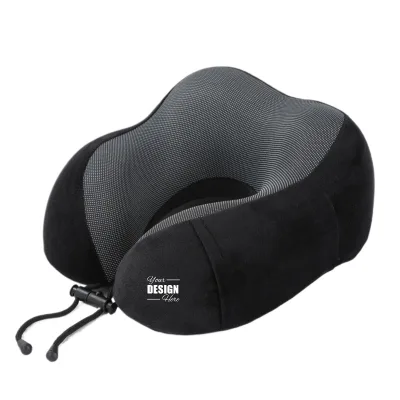
Custom Personalised U Shaped Soft Neck Support Memory Foam Travel Pillow
$2.00 - $4.00
MOQ: 1000 Pieces



Comprehensive Sourcing Guide
Strategic Sourcing Guide for Personalized Travel Neck Pillows
Understanding Product Specifications and Material Variations
When sourcing personalized travel neck pillows, buyers must first navigate a diverse landscape of technical specifications that define the product's utility and comfort. The core keyword implies a need for customization, yet the underlying product architecture varies significantly between manufacturers. Based on available market data, the primary material drivers are memory foam and latex, each offering distinct performance characteristics. Memory foam variants are frequently cited with specific attributes such as "Memory" and "Anti-Static" features, often paired with a "U-Shape" design to ensure ergonomic support for the head and neck. These products are typically designed for "Everyday" use or specific travel scenarios, catering to an adult demographic.
In contrast, latex-based options present a different profile, often described with "Knitted" or "Woven" technics and specific filling properties. The material composition directly influences the weight, which ranges observationally from 0.2kg to 1.2kg per unit. This variance is critical for logistics planning, as heavier pillows impact shipping costs and handling requirements. Furthermore, the structural design includes specific dimensions that buyers must verify against their packaging constraints. Observed standard dimensions include measurements such as 39 x 29 x 10 CM, 11.0"x11.0"x5.5", and 94183CM, alongside cubic options like 303010cm. These figures are not universal but represent specific model configurations, such as those identified by model numbers like I2542, OFFA1026, or TP-028-012.
The customization aspect is a defining feature for this category. Suppliers indicate that "Customization" is available, allowing buyers to tailor the product to specific brand identities. This often extends to the cover, which may be "detachable" for ease of cleaning, and the "Fashion Element," which can include "Contrast Color" or "Plain" styles. The "Gender" classification is generally "Unisex," and the "Season" suitability is often listed as "All" or "Everyday," suggesting a year-round demand profile. However, the specific "Usage" cases vary, ranging from "Camping & Traveling" and "Student" applications to "Hotel," "Massage," and "Bedding" environments. Understanding these granular specifications is the first step in aligning a procurement strategy with the intended end-use of the product.
Compliance, Certification, and Quality Verification Protocols
Ensuring compliance and verifying quality are paramount when importing personalized travel accessories, particularly those involving direct contact with the skin. While specific certification statuses cannot be universally asserted for all listed products without explicit verification, buyers should prioritize suppliers who can demonstrate adherence to recognized safety and quality standards. In the broader industry, standards such as ISO 27001 are sometimes referenced regarding data security in supply chain management, though physical product safety often relies on textile and foam safety regulations.
Buyers must rigorously verify the "OEM & ODM" capabilities of potential suppliers. The availability of these services indicates a supplier's capacity to manage intellectual property and custom design requirements. When evaluating a supplier, the "Acceptale" or "Support" status for OEM/ODM should be confirmed in writing. Additionally, the "Small Orders: Accepted" attribute suggests flexibility for buyers testing the market, but this does not replace the need for quality assurance on initial batches.
Quality control should focus on the integrity of the materials and the construction of the pillow. For memory foam products, the "Feature" list often includes "Therapy" and "Massage" claims, which require careful scrutiny. These terms should be treated as observations of product intent rather than guaranteed medical outcomes unless backed by specific test data. The "Cover" material and its "detachable" nature must be tested for durability and washability. Similarly, for latex products, the "Filling" consistency and the "Technics" used in the knitting or weaving process must be inspected to ensure there are no defects that could compromise the pillow's shape retention or comfort.
Buyers should also verify the "prod_standard" and "prod_packing" details. Packaging standards like "CTN" (Carton), "OPP" (Polypropylene), or "Box" vary in their protective capabilities. The "1PCS, 50/CTN" packing specification indicates a bulk unit count that affects palletization and shipping efficiency. Ensuring that the packaging meets the requirements for long-distance transport is essential to prevent damage before the product reaches the end consumer.
Cost Drivers and Pricing Dynamics in the Supply Chain
The pricing structure for personalized travel neck pillows is influenced by a complex interplay of material costs, customization levels, and order volumes. The observed price range in the market spans from $1.05 to $21.50 USD, a significant variance that reflects differences in material quality, branding, and order quantity. Lower price points typically correlate with standard models, basic materials like polystyrene or standard memory foam, and minimal customization. Conversely, higher price points are associated with premium materials, complex designs, and extensive personalization features.
The "MOQ" (Minimum Order Quantity) is a critical cost driver, with observed ranges spanning from 2 to 5000 units. Suppliers offering low MOQs, such as 2 units, are often more expensive per unit due to the setup costs associated with small-batch production. For buyers seeking to minimize upfront capital expenditure, these low-MOQ options are attractive for market testing. However, for established brands requiring volume, negotiating MOQs closer to the higher end of the range can significantly reduce the unit cost.
Material selection plays a substantial role in cost determination. Products utilizing "Memory Foam" or "Latex" generally command higher prices than those using "Polystyrene" or other synthetic fillings. The "Weight" of the product, ranging from 0.2kg to 1.2kg, also impacts shipping costs, which are a hidden but significant component of the total landed cost. Heavier items require more freight capacity, increasing the overall expense per unit.
Additionally, the "Commercial Buyer" profile, such as "Stores," influences pricing strategies. Bulk buyers often have leverage to negotiate better terms, but they must also account for the costs associated with custom packaging and branding. The "prod_packing" options, including "Bag+Carton/Customized," add layers of cost that must be factored into the final price calculation. Buyers should request detailed breakdowns of costs to understand the margin between the base product price and the final customized unit price.
Typical Applications and Market Segmentation
The versatility of personalized travel neck pillows allows them to serve a wide array of market segments and applications. The "Usage" attributes highlight several key sectors, including "Camping & Traveling," "Student," "Laptop," and general "Travel." These applications suggest that the product is not limited to a single use case but is designed to fit into the daily lives of various consumer groups. The "Unisex" gender classification and "Adults" age group indicate a broad target audience, maximizing the potential market reach.
In the hospitality sector, the "Hotel," "Massage," and "Bedding" usage categories present significant opportunities. Hotels often seek branded amenities that enhance guest comfort, making the "Personalized" aspect of these pillows highly valuable. The "Contrast Color" fashion element and "Plain" style options allow hotels to align the product with their interior design themes. Similarly, the "Therapy" and "Massage" features make these pillows suitable for spas and wellness centers, where comfort and relaxation are paramount.
For the student and commuter markets, the "Laptop" and "Student" usage tags suggest a need for portability and durability. These users often require products that can withstand frequent travel and varied environments. The "All" season and "Everyday" suitability reinforce the idea that these pillows are essential accessories for modern mobility. The "Neck" and "Head" body part specifications ensure that the product addresses the specific ergonomic needs of travelers who spend long hours in transit.
The "Suit for: Traveling" attribute is a primary driver for the product's relevance in the global travel industry. As travel rebounds and becomes a more integral part of daily life, the demand for high-quality, personalized travel accessories is expected to grow. Buyers should consider how their specific product variations can meet the unique needs of these diverse segments, ensuring that the customization aligns with the functional requirements of each application.
Supplier Evaluation and Operational Capabilities
Selecting the right supplier is a critical decision that impacts the success of the procurement project. Buyers should evaluate suppliers based on their "OEM & ODM" capabilities, "Small Orders" acceptance, and production flexibility. The "Location" of the supplier, often listed as "China" or specifically "Zhejiang, China," provides insight into the manufacturing ecosystem and potential logistical advantages. Zhejiang is a known hub for textile and foam manufacturing, offering a robust supply chain for these products.
When evaluating suppliers, buyers should look for evidence of "Customization" support. This includes the ability to modify the "prod_model," "Color," and "prod_packing" to meet specific brand requirements. The "Model Number" variations, such as KO015, KO008, or TP-046-010, indicate a range of existing designs that can be adapted. Suppliers who can demonstrate a history of successful customization projects are preferable, as they are more likely to deliver on complex requirements.
The "prod_packing" options, including "CTN," "OPP," "Box," and "Bag+Carton/Customized," should be assessed for their suitability to the buyer's distribution channels. A supplier who offers flexible packaging solutions can help reduce waste and improve the unboxing experience for end consumers. Additionally, the "Weight" and "Standard" dimensions provided by the supplier should be verified to ensure they align with the buyer's logistics and storage capabilities.
Buyers should also consider the "Commercial Buyer" profile of the supplier. Suppliers who primarily serve "Stores" may have different production capacities and quality standards compared to those serving direct-to-consumer brands. Understanding the supplier's typical clientele can provide insight into their operational maturity and reliability. Finally, the "Acceptale" status for OEM/ODM services should be confirmed through direct communication to ensure that the supplier is willing and able to meet the buyer's specific needs.
Long-Term Procurement Considerations and Sustainability
Sustainable procurement practices are becoming increasingly important in the global supply chain. While specific environmental certifications are not explicitly detailed in the provided data, buyers should inquire about the sustainability of the materials used, such as "Memory Foam" and "Latex." The "Technics" employed, whether "Knitted" or "Woven," can also impact the environmental footprint of the product. Buyers should ask suppliers about their waste management practices and the recyclability of their packaging materials.
Long-term procurement strategies should focus on building strong relationships with suppliers who demonstrate reliability and flexibility. The "Small Orders: Accepted" attribute suggests that suppliers are open to working with buyers at various stages of growth, which is beneficial for scaling operations. However, as order volumes increase, buyers should negotiate better terms and ensure consistent quality control.
The "Feature" list, including "Anti-Static" and "Therapy," should be monitored for changes in consumer expectations. As the market evolves, buyers may need to adapt their product specifications to meet new demands. The "Season" and "Usage" attributes should be regularly reviewed to ensure the product remains relevant in the face of changing travel trends and consumer behaviors.
Finally, buyers should consider the "prod_origin" and "prod_standard" in the context of global trade regulations. Ensuring that the products comply with the import regulations of the target market is essential for avoiding delays and penalties. By focusing on these long-term considerations, buyers can build a resilient supply chain that supports their business growth and meets the evolving needs of their customers.
FAQs
Can I customize the color and packing of the pillow?
Yes, customization is available for color and packing options. Buyers can select from styles like contrast color or plain designs and choose packaging such as CTN, OPP, or custom boxes to match their brand requirements.
What materials are used for the filling in these pillows?
The filling materials include memory foam and latex, depending on the specific model. Some variants also utilize polystyrene, offering different weight and texture profiles suitable for various comfort needs and usage scenarios.
Which models support OEM and ODM services?
Multiple models support OEM and ODM services, including those with model numbers like TP-028-012 and KO015. Suppliers indicate acceptance of these services, allowing buyers to tailor product features and branding to their specific commercial needs.
How does the minimum order quantity vary for these products?
The minimum order quantity ranges from 2 to 5000 units depending on the supplier and customization level. Small orders are accepted for testing, while larger volumes may be required for specific custom packaging or material configurations.
What are the standard dimensions for the packaging boxes?
Standard packaging dimensions vary by model, with observed sizes like 39 x 29 x 10 CM and 30*30*10cm. Specific models also feature dimensions such as 11.0x11.0x5.5 inches or 94*18*3CM, which buyers must verify for logistics planning.
Where are these personalized travel neck pillows manufactured?
Products originate from China, with specific manufacturing hubs located in Zhejiang. This location is a known center for textile and foam production, offering a robust supply chain for sourcing these travel accessories.
What is the price range for these neck pillows?
The observed price range spans from 1.05 to 21.5 USD per unit. This variance reflects differences in material quality, such as memory foam versus latex, and the extent of customization or branding included in the order.