Source Personalized Sublimation Gaming Mouse Pad for Office Gamer Household
Find 19 options for Personalized Sublimation Gaming Mouse Pad with custom designs and non-slip rubber bases. Compare thickness, sizes, and printing methods from verified manufacturers in China.
Key considerations
Products List


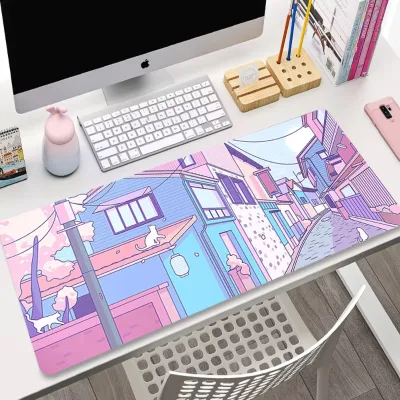


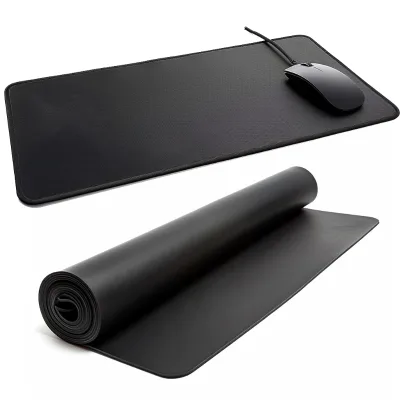
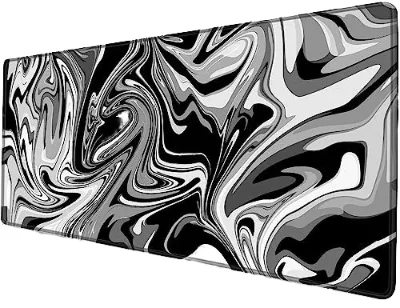
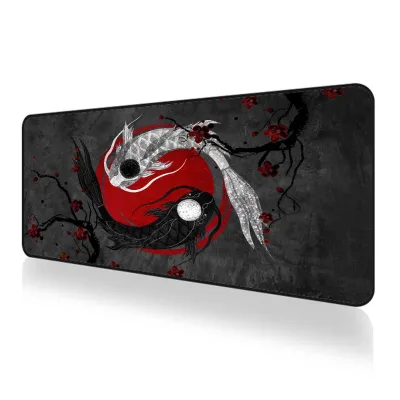
Comprehensive Sourcing Guide
Strategic Sourcing Guide for Personalized Sublimation Gaming Mouse Pads
Understanding Product Specifications and Customization Capabilities
When sourcing personalized sublimation gaming mouse pads, buyers must first distinguish between the technical requirements of the product and the specific customization options available. The core product category includes items described as "Large Gaming Mouse Pad" and "Promotion Gaming Mouse Pad," designed primarily for gaming, office, and household applications. The customization capability is a defining feature of this market segment, with "Customization" explicitly listed as available. This allows buyers to tailor the product to specific branding needs or user preferences.
The physical dimensions and form factors vary significantly depending on the intended use case. Standard specifications observed in the market include a size of 220180mm, while larger variants reach up to 800300mm (31.5*11.8 inches) or can be fully customized. The shape is predominantly rectangular, though circular options are also available for specific promotional needs. The surface texture is consistently noted as smooth, which is critical for the precision required in gaming scenarios.
Material composition is another vital specification. The base material is typically non-slip rubber, providing stability on desk surfaces, while the top surface is fabric-based to facilitate the sublimation printing process. Thickness is a variable attribute, with options ranging from 3mm to 6mm. A 3mm thickness is a common standard, but buyers should verify the specific thickness required for their ergonomic or durability needs. The product is generally single-sided, and most standard models do not include a wrist rest, though the design can be adapted. The printing method is a critical technical differentiator; "Sublimation/Heat Transfer Printing" and "Cmyk Sublimation Heat Transfer Printing" are the standard techniques used to achieve full-color, vibrant designs that do not crack or peel over time.
Compliance Standards and Certification Verification
For B2B procurement, particularly when dealing with products intended for global distribution, verifying compliance with international safety and environmental standards is non-negotiable. The supply chain for these mouse pads often involves complex chemical processes for dyeing and printing, making certification a key risk management tool.
Buyers should expect suppliers to provide documentation for a robust set of certifications. Verified standards in this category include BSCI (Business Social Compliance Initiative) and Sedex, which address social responsibility and ethical labor practices. Environmental and chemical safety is covered by Reach, Ca65 (California Proposition 65), PAHs (Polycyclic Aromatic Hydrocarbons), and RoHS (Restriction of Hazardous Substances). Furthermore, ISO9001 certification indicates that the manufacturer adheres to international quality management systems.
It is important to treat these certifications as observations of specific supplier capabilities rather than universal guarantees for every listed product. A buyer must explicitly request current certificates for the specific batch or model they intend to purchase. The presence of "Eco-Friendly" features in product descriptions should be backed by these specific test results. For instance, compliance with Ca65 and PAHs ensures that the inks and materials do not contain harmful levels of carcinogens or reproductive toxins, which is essential for products used in close proximity to the human body in home and office environments.
Cost Drivers and Pricing Structure Analysis
The pricing of personalized sublimation gaming mouse pads is influenced by several dynamic factors, primarily driven by order volume, customization complexity, and material specifications. The observed price range in the market spans from $0.03 to $5.10 USD. This wide variance indicates that unit cost is highly sensitive to the scale of the order and the specific configuration of the product.
The Minimum Order Quantity (MOQ) is a significant cost driver. The observed MOQ range is between 10 and 500 units, with a specific high-confidence data point indicating an MOQ of 100 pieces for certain models. Buyers purchasing below the standard MOQ may face higher per-unit costs or may be unable to secure the product at all. The "Selling Units" are listed as 1PC, which implies that while the product is sold individually, the transaction is bound by the supplier's batch requirements.
Additional cost factors include the thickness of the pad. Thicker options (e.g., 6mm) generally command a higher price than the standard 3mm due to increased material usage. The printing method also impacts cost; while sublimation is efficient for large runs, the setup for custom designs involves pre-press costs. Payment terms such as TT (Telegraphic Transfer) and PayPal are standard, but buyers should negotiate terms that align with their cash flow, especially for large orders. The "Advantage" of "Easy Typing" suggests that ergonomic design is a value-add that may influence the final price point, though it is not a primary cost driver compared to material and volume.
Typical Applications and Market Segmentation
Personalized sublimation gaming mouse pads serve a diverse range of applications, extending beyond the core gaming demographic. The primary applications identified include "Household," "Office," and "Gamer" use. This versatility makes them suitable for a wide array of B2B procurement scenarios, from corporate gifting to retail inventory.
In the gaming sector, the product is marketed as a "Gaming Mouse Pad" with a focus on performance and aesthetics. The smooth surface and non-slip rubber base are essential for high-DPI mouse movements required in competitive gaming. The ability to customize the design allows gaming communities, esports teams, and streamers to create branded merchandise.
For the corporate and promotional market, the product functions as an "Advertising Mouse Pad" or "Photo Mouse Pad." Companies utilize these items for trade shows, employee onboarding kits, and client appreciation gifts. The "Custom Design" capability allows businesses to imprint logos, slogans, or marketing campaigns directly onto the fabric surface. The "Eco-Friendly" attribute appeals to organizations with sustainability goals, making these pads suitable for green procurement initiatives.
The application extends to various indoor environments, including "Home, Kitchen, Living Room, Bathroom, Bedroom, and PAR" (Public Access Rooms). While the primary function remains computer usage, the aesthetic customization allows these pads to blend with interior design themes. The "Large" size specification (up to 800*300mm) is particularly relevant for applications requiring extensive desk space, such as multi-monitor setups in professional offices or high-end gaming rigs.
Supplier Evaluation and Operational Logistics
Evaluating a supplier for personalized mouse pads requires a focus on their operational capabilities, specifically regarding customization, lead times, and logistics. A reliable supplier must demonstrate a clear capacity for OEM (Original Equipment Manufacturer) and ODM (Original Design Manufacturer) services, which are explicitly welcomed in the market data.
Lead time is a critical metric for supply chain planning. The standard lead time for production is observed to be 15-20 days. However, for initial samples, the "Sample Time" is typically 3-5 days. Buyers should account for these timelines when planning product launches or promotional campaigns. The port of loading is identified as Shenzhen, a major logistics hub in China, which facilitates efficient shipping to global markets. The product origin is listed as Dongguan, another key manufacturing center, suggesting a concentrated supply chain ecosystem.
Packaging is another area for supplier evaluation. Standard packaging includes "1PC/OPP Bag," but suppliers may offer options like "EVA Bag," "Box," or "Carton" depending on the order value and destination requirements. The "prod_packing" attribute suggests flexibility in packaging solutions, which can be leveraged to reduce damage during transit or to enhance unboxing experiences for premium clients.
When evaluating suppliers, buyers should verify the "prod_model" codes (e.g., XC-P45, XC-R74, mat52) to ensure consistency in specifications. A supplier that can provide a wide range of model numbers indicates a mature production line capable of handling various sizes and shapes. The "Brand" attribute is listed as "Custom," meaning the supplier does not impose their own branding, allowing the buyer to establish their own brand identity on the product.
Quality Control and Long-Term Procurement Considerations
Ensuring consistent quality in personalized sublimation mouse pads requires a rigorous quality control (QC) strategy. The "Feature" of being "Non-Heated" is a standard attribute, but buyers must verify that the sublimation process does not compromise the structural integrity of the fabric or the adhesion of the rubber base. The "Surface Texture" must remain smooth after printing, and the "Design" must not fade or peel after extended use.
Long-term procurement considerations involve establishing a relationship with a supplier who can maintain consistency across multiple batches. The "Thickness" options (3/4/5/6mm) should be standardized for repeat orders to ensure that the product feels identical to previous purchases. Buyers should also consider the "Wrist Support Type," which is currently "Non-Adjustable" in standard models. If a buyer requires ergonomic enhancements, they must confirm with the supplier if adjustable wrist rests can be integrated into the custom design, as this is not a standard feature.
Sustainability is a growing concern in procurement. The "Eco-Friendly" feature should be a recurring point of verification. Buyers should request data on the recyclability of the fabric and rubber materials, as well as the environmental impact of the sublimation inks. The presence of certifications like RoHS and Reach supports these claims, but ongoing verification is necessary to ensure compliance with evolving regulations.
Finally, the "Payment Term" of TT/Paypal offers flexibility, but buyers should establish clear terms for large orders to mitigate financial risk. The "MOQ" of 100 pieces is a reasonable entry point for testing the market, but buyers planning for long-term volume should negotiate tiered pricing structures that reward increased order quantities. By focusing on these operational and quality aspects, buyers can secure a reliable supply of high-quality personalized sublimation gaming mouse pads that meet both functional and branding requirements.
FAQs
What customization options are available for these mouse pads?
Customization is available for branding and design needs. Buyers can request custom designs with sublimation or heat transfer printing on fabric surfaces, allowing for full-color graphics suitable for gaming or corporate advertising purposes.
How long does it take to receive samples of the product?
Sample time is typically 3 to 5 days for production. This allows buyers to verify the smooth surface texture and fabric quality before committing to larger orders that require a standard lead time of 15 to 20 days.
Which certifications do the manufacturers hold for safety compliance?
Manufacturers hold certifications including BSCI, Sedex, Reach, Ca65, PAHs, RoHS, and ISO9001. These documents verify ethical labor practices and ensure the materials meet international standards for chemical safety and environmental protection.
Can I order small quantities below the standard minimum order?
The standard MOQ is 100 pieces for most models, though ranges from 10 to 500 units exist. Buyers should verify specific model requirements as some vendors may accommodate lower volumes with adjusted pricing or lead times.
What thickness options are available for the mouse pad base?
Thickness options range from 3mm to 6mm depending on the specific model selected. A 3mm thickness is common, but thicker variants provide different ergonomic profiles and durability for heavy gaming or office use scenarios.
Where are these products manufactured and shipped from?
Products originate from Dongguan and are loaded from the Shenzhen port. This location in China supports efficient logistics for global distribution while maintaining the supply chain capabilities for OEM and ODM services.