Source Pin Loaded Leg Extension Machine for Home Gym
Find a Pin Loaded Leg Extension Machine designed for home gyms, commercial facilities, and community centers. Compare 30 verified options from Tianzhan with weights ranging from 210kg to 230kg and customizable stacks to suit various training needs.
Key considerations
Products List


Pin Loaded Selection Strength Training Legs Extension Machine for Fitness Gym
$370.00 - $410.00
MOQ: 1 Pieces


Hot Sale Commercial Fitness Equipment Pin Loaded Machine Leg Extension
$420.00 - $600.00
MOQ: 1 Pieces


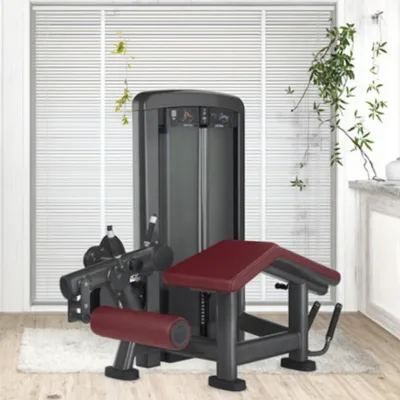
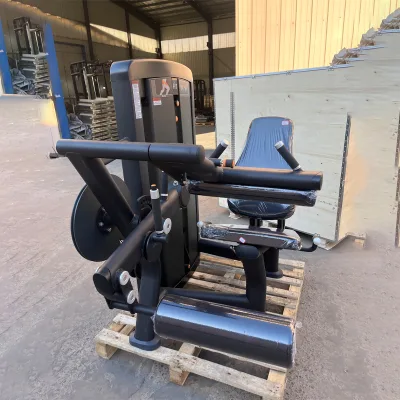


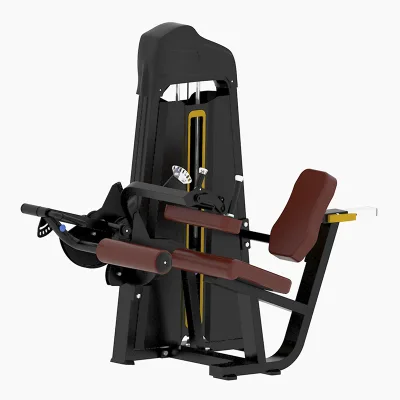

Comprehensive Sourcing Guide
Strategic Sourcing Guide for Pin-Loaded Leg Extension Machines
Understanding Technical Specifications and Mechanical Design
When sourcing a pin-loaded leg extension machine, the primary objective is to identify equipment that balances structural integrity with ergonomic functionality. The core mechanical architecture of these units typically relies on a weight stack mechanism where users select resistance via a pin insertion system. Based on observed market data, the structural framework is predominantly constructed from steel, specifically utilizing Q235 grade steel tubes. This material choice is critical for ensuring the machine can withstand repetitive high-tension loading without deformation. The specific dimensions of the steel tubing often vary, with common specifications including oval tubes measuring 60x120mm or similar robust profiles designed to minimize flex during the extension phase.
The physical footprint of the equipment is a significant consideration for facility planners. Observed product standards indicate a wide range of dimensions, with some units measuring approximately 1112mm in length, 953mm in width, and 1560mm in height, while others may reach up to 1380mm in length and 1590mm in height. Buyers must verify the exact size specifications against their available floor space, as the "Commercial Standard" dimensions can differ significantly from compact home-use models. The weight of the unit itself is another critical technical parameter; observed data points to machine weights ranging from 210kg to 230kg, with some heavier variants reaching 228kg. This substantial mass is necessary to prevent the machine from tipping or shifting during vigorous leg extension exercises.
The resistance mechanism is defined by the weight stack capacity. In the observed market, weight stacks vary considerably, with specific models featuring stacks of 80kg, 95kg, 100kg, or customizable ranges between 80kg and 145kg. The selection of the weight stack is often customizable, allowing buyers to tailor the resistance profile to the specific demographic of their facility, whether it serves a commercial gym, a community center, or a rehabilitation clinic. The cable system connecting the stack to the leg pad is equally vital; high-quality units utilize 6mm strong steel cables or 7x19 strand configurations to ensure smooth operation and safety. The pulley systems are typically constructed from a combination of nylon and aluminum, while the weight pins themselves are often made of aluminum to reduce friction and wear.
Compliance, Certification, and Safety Standards
Navigating the regulatory landscape is a non-negotiable aspect of B2B procurement for fitness equipment. The safety and reliability of a leg extension machine are heavily dependent on the certifications held by the manufacturer. In the current market, high-confidence facts indicate that reputable suppliers provide products with CE certification, which is essential for market access in Europe and often serves as a baseline for international quality. Additionally, ISO standards are frequently cited, with specific references to ISO9001 for quality management systems and ISO for product standards. Some listings also mention SGS certification, which provides third-party verification of the product's compliance with safety and quality benchmarks.
Buyers must exercise caution when interpreting certification claims. While "CE, ISO, RoHS" appears as a common grouping, the specific application of these standards varies. For instance, RoHS compliance relates to the restriction of hazardous substances in electrical and electronic equipment, which is less relevant for purely mechanical pin-loaded machines but indicates a manufacturer's adherence to broader environmental standards. The presence of a "Commercial Standard" designation suggests that the equipment is built to withstand the rigorous usage patterns of a public gym, distinguishing it from lighter-duty home equipment.
Verification of these certifications should be a proactive step in the supplier evaluation process. Buyers should request valid certification documents directly from the supplier rather than relying solely on product descriptions. The origin of the product is also a factor in compliance; observed data points to manufacturing origins in China, specifically in the Shandong Dezhou region. While this location is a known hub for fitness equipment production, the specific factory's adherence to international safety standards must be confirmed through documentation. The "Export Market: Global" attribute suggests that these products are designed to meet diverse international regulatory requirements, but the buyer must ensure that the specific model ordered meets the local safety codes of the destination country.
Cost Drivers and Pricing Dynamics
The pricing structure for pin-loaded leg extension machines is influenced by a complex interplay of material costs, manufacturing complexity, and logistical factors. The observed price range for these units in the market spans from approximately 338 USD to 905 USD. This significant variance is not arbitrary but reflects differences in build quality, weight stack capacity, and customization options. Lower-priced units in this range may utilize standard steel tubing and fixed weight stacks, whereas higher-priced models often feature enhanced customization, larger weight stacks, and more robust finishing options.
Material costs are a primary driver of price. The use of high-grade Q235 steel and the specific dimensions of the tubing directly impact the raw material expense. Furthermore, the weight stack itself represents a substantial cost component; a 100kg stack is more expensive to manufacture and ship than an 80kg stack. The choice of components also affects the final price; for example, units featuring 7x19 steel cables and aluminum weight pins may command a premium over those with simpler cable and pin configurations.
Logistics and packaging play a crucial role in the total cost of ownership. The standard packaging for these machines is plywood cases, which are designed to protect the equipment during international shipping but add to the overall volume and weight. The "prod_packing" attribute indicates that units are shipped in plywood cases, which can increase freight costs compared to simpler packaging methods. Additionally, the lead time, typically stated as "Within 25 Days After Receiving Deposite," influences cash flow and project timelines. Buyers must factor in the time required for manufacturing, quality checks, and shipping from the port of loading, often identified as Tianjin, to the final destination.
Typical Applications and Usage Scenarios
Pin-loaded leg extension machines are versatile pieces of equipment designed for a wide array of applications. The observed "Appliance" attributes list Home, Gymnasium, Community, and Park as primary usage environments. This versatility makes them suitable for a broad spectrum of buyers, from individual home gym enthusiasts to large commercial fitness centers and public recreational facilities.
In a commercial gymnasium setting, the durability and high weight capacity of these machines are essential. The "Commercial Standard" designation implies that the equipment is built to handle high-frequency usage by multiple users throughout the day. The robust steel construction and heavy weight (often exceeding 200kg) ensure stability during intense workouts, which is a critical safety feature in a busy gym environment. The ability to customize the weight stack allows gym operators to cater to a diverse clientele, from beginners requiring lighter resistance to advanced athletes needing heavier loads.
For community centers and parks, the focus shifts slightly towards accessibility and durability. These facilities often serve a wider demographic, including older adults and children, making the "Unisex" and "Adult" age group designations relevant. The customizable logo feature allows facility managers to brand the equipment with their organization's identity, fostering a sense of community ownership. The "Folded: Unfolded" attribute suggests that some models may offer space-saving features, which is beneficial for facilities with limited square footage.
In home gym scenarios, the emphasis is often on space efficiency and ease of use. While the machines are heavy, their compact footprint relative to their functionality makes them a valuable addition to a home setup. The "Manual" power source ensures that the equipment requires no electricity, making it suitable for any location with a power source or even off-grid setups. The customization options, such as color choices (Black, Silver Grey) and logo placement, allow homeowners to match the equipment to their existing decor.
Supplier Evaluation and Quality Control Protocols
Selecting the right supplier is paramount to ensuring the long-term success of a procurement project. The observed data indicates that the "Machine Brand" is often identified as "Tianzhan," but buyers should not limit their search to a single brand. Instead, the evaluation should focus on the supplier's ability to meet specific technical and quality requirements. Key evaluation criteria include the supplier's experience in exporting to the "Global" market, their adherence to "CE" and "ISO" standards, and their capacity to handle custom orders.
Quality control should be a continuous process throughout the procurement lifecycle. Buyers should verify that the supplier has established protocols for inspecting the steel tubing, welding quality, and cable tension. The "Guage" of the steel tube, often listed as 60x120, should be consistent across all units to ensure uniform strength. The pulley and pin systems must be tested for smooth operation and resistance to wear. The use of "Nylon & Aluminum" pulleys and "Aluminum" weight pins should be verified to ensure they meet the specified material standards.
Documentation is a critical component of quality control. Buyers should request detailed specifications sheets, material certificates, and test reports from the supplier. The "prod_standard" and "prod_model" numbers should be clearly documented to ensure that the delivered product matches the ordered specifications. The "Delivery Time" of "Within 25 Days After Receiving Deposite" should be confirmed in the contract, with clear penalties for delays. The "Port of Loading" being Tianjin is a standard detail, but buyers should verify the shipping terms and insurance coverage to mitigate risks during transit.
Long-Term Procurement Considerations and Maintenance
Sourcing a pin-loaded leg extension machine is not just a one-time transaction but an investment in long-term operational efficiency. The "Customization: Available" attribute highlights the importance of future-proofing the purchase. Buyers should consider whether the equipment can be easily upgraded or modified as their facility's needs evolve. For instance, the ability to customize the weight stack from 80kg to 145kg allows for scalability without the need to replace the entire unit.
Maintenance requirements are another critical factor. The "Manual" power source simplifies maintenance by eliminating the need for electrical components, but the mechanical parts require regular inspection. The steel cables, pulleys, and weight pins should be checked for signs of wear and tear. The "Plywood Packing" used for shipping indicates that the equipment is designed for durability, but the packaging materials should be inspected upon arrival to ensure no damage occurred during transit.
The "Export Market: Global" status suggests that the equipment is designed to meet international standards, but buyers should be aware of local maintenance requirements. In some regions, specific spare parts may be difficult to source, so it is advisable to purchase a set of spare parts, such as additional cables or pins, at the time of the initial order. The "Weight" of the machine, ranging from 210kg to 230kg, also impacts the installation process; professional installation may be required to ensure the machine is level and secure.
Finally, the "Logo: Customized" feature offers an opportunity for branding that can enhance the perceived value of the facility. However, the durability of the logo application should be verified to ensure it withstands frequent cleaning and use. By considering these long-term factors, buyers can ensure that their investment in pin-loaded leg extension machines provides lasting value and supports the continued success of their fitness facility.
Comparative Analysis of Key Product Attributes
To facilitate a clear comparison of the observed product attributes, the following table summarizes the key specifications and variations found in the market. This data is derived strictly from the provided facts and serves as a reference for buyers evaluating different options.
| Attribute | Observed Range/Values | Notes for Verification |
|---|---|---|
| Material | Steel (Q235) | Verify tube thickness and grade. |
| Dimensions | 1112x953x1560mm to 1380x1160x1590mm | Check against available floor space. |
| Machine Weight | 210kg to 230kg | Higher weight generally indicates better stability. |
| Weight Stack | 80kg to 145kg (Customizable) | Confirm stack capacity matches user needs. |
| Cable Type | 6mm Strong Steel or 7x19 | Inspect for fraying or wear resistance. |
| Pulley Material | Nylon & Aluminum | Ensure smooth rotation and low friction. |
| Certifications | CE, ISO9001, SGS, RoHS | Request valid certificates for all claims. |
| Origin | China, Shandong Dezhou | Verify factory location and export history. |
| Packaging | Plywood Case | Check for damage upon delivery. |
| Lead Time | Within 25 Days After Deposit | Confirm in contract with penalty clauses. |
| MOQ | 1 Piece | Negotiate bulk pricing if ordering multiple units. |
| Color Options | Black, Silver Grey | Confirm availability for specific models. |
This comparative overview underscores the importance of detailed verification. While the observed data provides a solid baseline, the specific requirements of each buyer will dictate which attributes are most critical. By systematically evaluating these factors, procurement professionals can make informed decisions that align with their operational goals and budget constraints.
FAQs
What certifications do pin loaded leg extension machines typically have?
These machines typically carry CE and ISO certifications to ensure safety and quality compliance. Some listings also include RoHS and SGS standards, which verify the restriction of hazardous substances and third-party quality verification for international markets.
Which steel specifications are used for the frame construction?
Frames are constructed using Q235 grade steel tubes with dimensions like 60x120mm or 60x120mm oval profiles. This robust material ensures the unit can withstand high-tension loading without deformation during vigorous leg extension exercises.
How much does a Pin Loaded Leg Extension Machine weigh?
The machine weight typically ranges from 210kg to 230kg, with some specific models weighing 228kg. This substantial mass is necessary to prevent the equipment from tipping or shifting during intense workouts.
Can the weight stack capacity be customized for different users?
Yes, the weight stack capacity can be customized, with options ranging from 80kg to 145kg depending on the model. This allows facility operators to tailor resistance profiles for diverse demographics from beginners to advanced athletes.
What is the standard delivery time for these machines?
The standard delivery time is within 25 days after receiving the deposit. This timeline covers manufacturing, quality checks, and preparation for shipment from the port of loading, typically Tianjin.
Which applications are suitable for pin loaded leg extension machines?
These machines are suitable for home gyms, commercial gymnasiums, community centers, and parks. Their durable construction and unisex design make them versatile for various environments requiring stable leg exercise equipment.