Source Pipe PVC Resin for Film, Pipe, and Hose Applications
Compare 30 listings of Pipe PVC Resin from China suppliers offering various grades like SG-5 and Z-500. Buyers can evaluate specifications such as K value, volatile matter, and packing options for industrial uses including pipes, films, and hoses; compare the available evidence and request quotations based on your requirements.
Key considerations
Products List


$950.00 - $1050.00
MOQ: 1 Tons


Recycled PVC Resin Powder, Recycled Material, PVC Resin for Sewage Pipes.
$630.00 - $640.00
MOQ: 20 Tons



Comprehensive Sourcing Guide
PVC Resin Sourcing Guide
Procuring polyvinyl chloride resin requires a disciplined approach to align material properties with end-product performance. Buyers must distinguish between general-purpose grades and specialized formulations, as the molecular structure directly influences processing behavior. The core keyword "Pipe PVC Resin" often refers to specific K-value ranges that determine rigidity and pressure resistance. Understanding these distinctions prevents costly mismatches between raw material specifications and manufacturing requirements.
Sourcing decisions should be driven by verified technical data rather than generic product titles. Many listings use broad terms like "PVC Resin" without specifying the exact model or K-value. Buyers need to confirm whether the material is suitable for extrusion processes used in pipe manufacturing. Clear communication of technical needs ensures that suppliers provide accurate samples and documentation, reducing the risk of production delays or quality failures.
Product Scope and Observed Listing Signals
The observed market signals indicate a wide range of product models, including SG-5, Z-500, and J-700, which correspond to different polymerization degrees and K-values. Listings frequently describe the material as a white powder with a carbon chain polymer structure. Some entries specify a chlorinated content around 66.5% to 67.0%, which is critical for determining chemical stability. Buyers should note that appearance alone does not guarantee suitability for high-pressure pipe applications.
Packing standards vary, with common formats including 25kg craft paper bags or plastic bags on pallets. The origin is predominantly China, with some listings specifying China Mainland. Volatile matter is often cited around 0.5% or lower, which affects processing efficiency. Buyers must verify if the listed bulk density and impurity particle counts meet their specific extrusion line requirements. These observed signals provide a baseline for initial supplier screening but require deeper technical validation.
Technical Specifications to Verify
Verification of the K-value is paramount for pipe resin selection, as it dictates the molecular weight and mechanical strength. Observed data points to SG-5 having a K-value range of 66-68, while SG-3 is listed at 71-72. For pipe applications, the SG-5 grade is often preferred due to its balance of processability and durability. Buyers must confirm the exact K-value range for the specific lot, as variations can impact extrusion stability and final product integrity.
Additional critical parameters include retained particle size on a 30-mesh sieve, which should ideally be 99% or higher to prevent die blockages. The polymerization degree, observed in some listings as ranging from 981 to 1135, correlates directly with the resin's tensile strength. Buyers should also verify the maximum impurity particle count, with some standards citing 16 as a limit. Ensuring these metrics align with extrusion equipment capabilities is essential for maintaining consistent production quality.
Compliance and Safety Documentation
Safety documentation must address the handling of PVC resin powders, which can generate dust during processing. Buyers should request Material Safety Data Sheets that detail volatile matter content, as excessive volatiles can lead to defects in the final pipe structure. While specific certifications are not listed in the observed data, buyers must ensure that the supplier can provide relevant health and safety documentation for their specific facility.
Regulatory compliance varies by destination market, particularly regarding food contact or potable water applications. Although some listings mention usage in water supply pipes, buyers must verify if the resin meets local standards for such uses. Documentation should confirm that the manufacturing process adheres to good manufacturing practices. Buyers should also inquire about traceability systems that allow for batch-specific quality verification throughout the supply chain.
Cost Drivers and Commercial Terms
Cost structures are influenced by the specific model grade, with higher K-values or specialized formulations often commanding premium prices. The observed price range is broad, reflecting differences in purity, packaging, and volume discounts. Buyers should negotiate based on total landed cost, including shipping and handling, rather than just the unit price. Understanding the cost drivers helps in evaluating whether a lower price point compromises on critical quality attributes.
Minimum order quantities typically range from 1 to 1000 units, allowing for flexibility in initial trials. Buyers should clarify payment terms and lead times, as these can impact cash flow and production scheduling. Customization options are available for some suppliers, which may affect pricing and delivery timelines. Establishing clear commercial terms early in the negotiation process helps prevent misunderstandings and ensures a smooth transaction.
Supplier Qualification and Quality Control
Supplier qualification should include a review of their manufacturing capabilities and quality control processes. Buyers must verify if the supplier offers OEM/ODM services and if they have experience in producing resin for pipe applications. Observing the supplier's packaging methods, such as the use of craft paper bags or palletized plastic bags, can indicate their attention to product protection during transit.
Quality control checks should include random sampling and testing of key parameters like K-value and volatile matter. Buyers should establish a protocol for incoming inspection that aligns with their internal quality standards. Regular audits of the supplier's facility can help ensure consistent adherence to quality protocols. Building a relationship based on transparent communication and mutual trust is essential for long-term success.
Long-Term Procurement Checks
Long-term procurement requires ongoing monitoring of supplier performance and product consistency. Buyers should track key performance indicators such as delivery times, defect rates, and responsiveness to issues. Regular reviews of technical specifications ensure that the resin continues to meet evolving product requirements. Maintaining a buffer stock of qualified suppliers can mitigate risks associated with supply chain disruptions.
Continuous improvement initiatives should be encouraged through regular feedback loops and joint problem-solving sessions. Buyers should stay informed about industry trends and technological advancements in PVC resin production. Adapting to changes in market conditions and regulatory requirements is crucial for maintaining a competitive edge. A proactive approach to supplier management ensures sustained quality and reliability in the supply chain.
FAQs
What PVC resin grades are available for pipe production?
Common suspension grades listed for pipe and fitting applications include PVC Resin SG3, SG5, SG7, and SG8. SG5 with a K value of 66-68 is widely used for pipes, while SG3 with a K value of 71-72 suits soft products and SG8 with a K value of 55-59 suits rigid injection items. Availability depends on the listing, so confirm the grade and current specification with the seller before ordering.
How is PVC resin packed and shipped?
PVC resin is typically packed in 25kg bags, with some listings describing kraft paper bags or bag packing in general. Bags are palletized for container transport, and shipping is usually arranged by sea or by land depending on the destination. Confirm bag weight, pallet configuration, and container loading quantity with the supplier before placing an order.
Which specifications should I check when buying PVC resin for pipes?
Review the K value, polymerization degree, volatile matter, bulk density, and impurity particle number. Listed reference values include a volatile matter of 0.40% max, bulk density of 0.45 min, and impurity particle number of 16 max for PVC resin. Match these figures against your pipe extrusion formulation requirements and request a current specification sheet for the exact grade offered.
What does the product look like and what is its chemical composition?
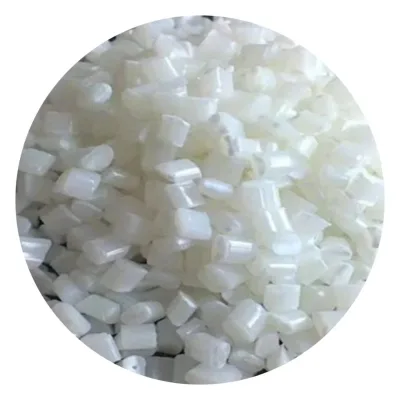
The resin appears as a white powder with a carbon chain polymer structure and the molecular formula [C2H3Cl]N. It is classified as industry grade material for industrial processing rather than food or medical use. Appearance and grade details should be verified on the product listing, since different models may carry slightly different physical characteristics.
Can PVC resin be customized for specific applications?
Yes, customization is listed as available on these product pages, and OEM or ODM arrangements are accepted. Customization typically covers grade selection, packaging format, and related PVC products such as hoses, fittings, and shoes. Discuss your required K value range, application, and volume with the supplier to confirm what can be tailored before committing to a purchase.
What are common applications of this PVC resin besides pipes?
Beyond pipes, listed applications include PVC film, PVC banner, PVC hose, PVC fittings, and PVC shoes. Higher K value grades generally perform better in flexible products like film, while lower K value grades suit rigid profiles and fittings. Select the grade that matches your processing method, and consult the supplier if your application falls between standard categories.