Source Pipeline Construction Hydraulic Welding Machine for Power Plant, Mining, and Chemical Industry
Find 30 Pipeline Construction Hydraulic Welding Machine listings from verified Chinese manufacturers. Buyers can compare specifications, prices, and MOQs for applications in power plants, mining transport, and chemical industries.
Key considerations
Products List
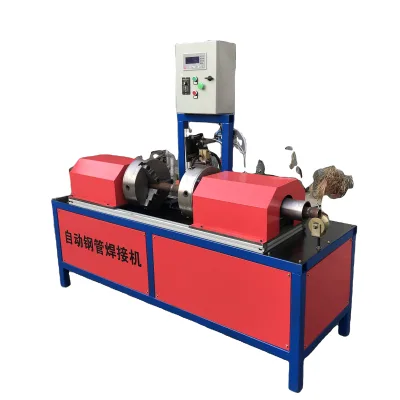
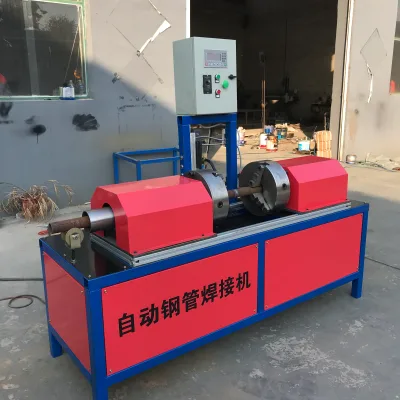


All-Position Pipe Automatic Welding Machine for Pipeline Construction MIG Welding Equipment
$800.00 - $845.00
MOQ: 1 Pieces


All Position Automatic Welding Machine for Pipeline Construction ((GMAW))
$5600.00 - $21000.00
MOQ: 1 Sets


Comprehensive Sourcing Guide
Strategic Sourcing Guide for Pipeline Construction Hydraulic Welding Machines
Understanding the Technical Landscape of Automatic Pipe Welding
The procurement of hydraulic welding machines for pipeline construction requires a precise understanding of the specific mechanical and operational parameters that define high-performance equipment. In the current market, buyers are increasingly focused on fully automatic solutions that minimize human error while maximizing throughput. The core of these machines often revolves around a robust motor system, which serves as the primary driver for the welding head and conveyor mechanisms. For heavy-duty applications, such as those found in offshore wind tower pipe or vessel welding, the power output is a critical metric. Observed specifications in the sector indicate that machines in this category frequently operate with power ratings around 2 kW to 3 kW, ensuring sufficient torque for consistent weld quality across various pipe diameters.
The operational voltage is another fundamental technical specification that dictates the compatibility of the machine with existing site infrastructure. Buyers must verify whether the equipment supports standard industrial voltages, such as 220V or 380V, and whether the system is designed for alternating current. The welding range is equally significant; for standard pipeline construction projects involving steel tubes, the machine must accommodate a specific diameter range. Data suggests that effective units often cover a welding range up to 90mm, with some models specifically designed for pipes below this diameter threshold. This capability ensures versatility across different project scales, from small-diameter transport lines to larger structural components.
The control system of the welding head is a distinguishing feature of modern hydraulic machines. Advanced units utilize pneumatic control for the welding head conveying mechanism, allowing for smooth, precise movements that are essential for maintaining a uniform weld seam. This automation extends to the overall operation, where the machine is designed for fully automatic work cycles. The integration of a conveyor system structure further enhances efficiency, allowing for the continuous processing of pipe segments. When evaluating technical specifications, procurement teams should look for evidence of a synchronized operation capability, where several sets of machines can work in unison to handle large-scale construction projects. This synchronization is particularly vital for offshore applications where time is a critical factor in project completion.
Compliance, Certification, and Material Standards
In the realm of industrial machinery, compliance with international standards is not merely a formality but a prerequisite for operational safety and legal liability management. Buyers must rigorously verify that the machinery meets established quality management standards. For instance, the ISO 9001:2008 standard is a recognized benchmark for quality assurance in manufacturing processes. While specific certification status varies by supplier, the presence of a machinery test report is a strong indicator of a manufacturer's commitment to quality control. These reports provide documented evidence that the equipment has undergone rigorous testing to validate its performance claims and safety features.
The materials used in the construction of the welding machine itself are also subject to strict scrutiny. The primary structural components should be fabricated from high-grade stainless steel, chosen for its durability and resistance to harsh environmental conditions. This material selection is crucial for machines intended for use in the chemical industry, power plants, or mining transport sectors, where exposure to corrosive substances or extreme temperatures is common. The material features often include fire resistance, heat resistance, and oil resistance, ensuring that the equipment remains operational even in demanding industrial environments.
Furthermore, the welding materials consumed during the process must be compatible with the pipe being welded. Stainless steel wire is a standard consumable for these applications, providing the necessary filler material to create strong, leak-proof joints. Buyers should confirm that the machine is designed to handle these specific welding materials efficiently. The condition of the equipment is another compliance factor; the market standard for new industrial machinery dictates that units should be delivered in "New" condition, free from prior wear or damage. Customization options are also a key consideration, as many pipeline projects require unique adaptations to fit specific site constraints or pipe geometries. Ensuring that the supplier offers available customization services can significantly reduce the risk of project delays caused by equipment incompatibility.
Cost Drivers and Economic Considerations
The total cost of ownership for a hydraulic welding machine extends far beyond the initial purchase price. While the observed listed price range in the market can vary significantly, from as low as 1 USD to as high as 192,000 USD, this wide spectrum reflects differences in machine capacity, automation levels, and brand positioning. Buyers must look beyond the headline price to understand the underlying cost drivers. The complexity of the control system, the quality of the motor, and the inclusion of advanced features like pneumatic control for the welding head all contribute to the final valuation.
The minimum order quantity (MOQ) is another economic factor that influences procurement strategy. In this sector, MOQs typically range from 1 to 5 units, offering flexibility for both small-scale contractors and large industrial enterprises. However, buyers should be aware that purchasing single items may involve different logistical considerations compared to bulk orders. The selling units are often listed as single items, which allows for modular procurement but may impact the per-unit cost if economies of scale are not achieved.
Packaging and logistics also play a significant role in the overall cost. Equipment is typically packed in containers to ensure safe transport, which adds to the shipping expenses. The weight of the equipment, often around 280 kg, necessitates specialized handling and transportation solutions, further influencing the total landed cost. Additionally, the warranty period, commonly set at 1 year for these machines, represents a form of insurance against early failure. A longer warranty or extended service agreements can be a valuable negotiation point, potentially reducing long-term maintenance costs. Buyers should also consider the operating efficiency as a cost driver; machines with high operating efficiency and features like easy operation can reduce labor costs and increase project throughput, offering a better return on investment over the machine's lifecycle.
Typical Applications and Industry Use Cases
Hydraulic welding machines are integral to a diverse array of industries, each with unique requirements that influence the selection of specific equipment. The construction project sector is a primary user, where these machines are employed to weld steel tubes for structural frameworks and piping systems. The ability to perform fully automatic welding ensures consistency and speed, which are essential for meeting tight construction deadlines. In the power plant sector, the reliability of the weld is paramount, as failures can lead to catastrophic consequences. Machines designed for these environments often feature robust construction and advanced control systems to handle the high stresses associated with power generation infrastructure.
The mining and transport industries also rely heavily on these welding solutions. In mining transport, pipes are subjected to abrasive conditions and heavy loads, requiring welds that are both strong and durable. Similarly, in grain transport systems, the integrity of the piping is critical to prevent contamination and ensure efficient flow. The chemical industry presents another challenging environment, where pipes must resist corrosive chemicals and extreme temperatures. The material features of the welding machine, such as heat and oil resistance, are particularly relevant in these contexts.
Offshore applications represent one of the most demanding use cases for hydraulic welding machines. The welding of offshore wind tower pipes and vessels requires equipment that can operate in harsh marine environments while maintaining high precision. The synchronization of several sets of machines is often necessary to handle the large scale of these projects. The main usage in offshore wind tower pipe and vessel welding highlights the need for machines that can deliver high efficiency and reliability under difficult conditions. Whether for construction, power generation, or offshore development, the selection of the right welding machine is crucial for the success of the project.
Supplier Evaluation and Quality Assurance Protocols
Evaluating potential suppliers requires a multi-faceted approach that goes beyond simple price comparisons. Buyers should prioritize suppliers who can provide comprehensive machinery test reports, as these documents offer objective evidence of the machine's performance and safety. The origin of the equipment is also a significant factor; many high-quality machines are manufactured in regions known for their industrial expertise, such as Shandong or Nanjing in China. Verifying the place of origin can help buyers assess the manufacturing capabilities and quality control standards of the supplier.
Brand reputation and product history are additional criteria for supplier evaluation. Established brands like KRD or Keruide have a track record in the industry, which can provide a degree of confidence in the reliability of their products. However, buyers should remain objective and verify that the specific model meets their project requirements. The availability of customization services is another important indicator of a supplier's flexibility and commitment to customer satisfaction. A supplier that offers tailored solutions is better positioned to address the unique challenges of specific pipeline construction projects.
Quality assurance protocols should be a central part of the supplier evaluation process. Buyers should inquire about the manufacturer's internal quality control measures, including the testing of core components like the motor and the final inspection of the assembled machine. The condition of the equipment upon delivery should be guaranteed as "New," and the supplier should provide clear documentation regarding the warranty and after-sales support. The warranty period, typically 1 year, should be clearly defined, including what is covered and the process for claiming service. By thoroughly evaluating suppliers based on these criteria, buyers can mitigate risks and ensure they are partnering with a reliable provider capable of delivering high-quality welding machines.
Long-Term Procurement and Operational Sustainability
Sourcing a hydraulic welding machine is a long-term investment that requires careful consideration of future operational needs and sustainability. The lifecycle of the machine is influenced by factors such as maintenance requirements, the availability of spare parts, and the potential for upgrades. Buyers should assess the supplier's ability to provide ongoing support, including technical assistance and the supply of consumables like stainless steel wire. The ease of operation is a key feature that contributes to long-term efficiency, reducing the training burden on operators and minimizing the risk of human error.
The adaptability of the machine to changing project requirements is another critical aspect of long-term procurement. As pipeline construction projects evolve, the need for different pipe diameters or welding methods may arise. Machines that offer customization options and have a modular design are better suited to these changing needs. The overall weight and dimensions of the equipment, such as the 1700700700mm footprint and 280kg weight, should be considered in the context of the buyer's facility layout and logistics capabilities. Ensuring that the machine can be easily integrated into existing workflows is essential for maintaining operational continuity.
Finally, buyers should consider the environmental impact and energy efficiency of the machine. Models with high operating efficiency and features like automatic work cycles can reduce energy consumption and waste. The use of durable materials like stainless steel ensures that the machine has a long service life, reducing the need for frequent replacements and minimizing environmental waste. By focusing on these long-term factors, buyers can make informed decisions that align with their strategic goals and contribute to the sustainable growth of their operations.
FAQs
What is the welding range for this machine?
The machine supports a welding range up to 90mm, with specific models designed for pipes below this diameter. This capacity ensures versatility for standard pipeline construction projects involving steel tubes and structural frameworks.
How is the welding head controlled during operation?
The welding head conveying control utilizes pneumatic control for smooth and precise movements. This automation allows for consistent weld seam quality while the machine operates in a fully automatic work cycle.
Which voltage options are available for the equipment?
The equipment operates on 220V or 380V alternating current to ensure compatibility with various site infrastructures. Some models specifically list 380V at 50Hz as the standard operating voltage for industrial applications.
Can the machine be customized for specific projects?
Customization is available to adapt the machine to unique site constraints or specific pipe geometries. This flexibility helps reduce project delays caused by equipment incompatibility in diverse industrial environments.
What is the warranty period for the new machine?
The standard warranty period for this equipment is 1 year, providing insurance against early failure. Buyers should verify the specific terms regarding maintenance and after-sales support included in the warranty.
How much does the equipment weigh?
The overall weight of the equipment is 280kg, requiring specialized handling and transportation solutions. This weight necessitates careful logistical planning to ensure safe delivery to the construction site.
What certifications does the manufacturer provide?
The equipment meets the ISO9001:2008 standard for quality management in manufacturing processes. Additionally, a machinery test report is provided to validate performance claims and safety features before delivery.