Source Piperlongumine Extract for Health Food and Supplements
Find 30 verified Piperlongumine suppliers offering high-purity extracts for health food, dietary supplements, and cosmetic applications. Compare specifications, certifications, and pricing to identify the right raw material source for your manufacturing needs.
Key considerations
Products List
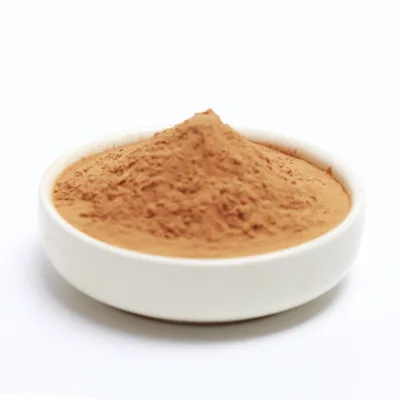
Piper Longum Natural Extract Ingredient 10 1 20 1 Piper Longum Extract Powder
$6.00 - $10.00
MOQ: 100 kilograms


Wuhan Hhd Supply Psoralea Corylifolia Extract CAS 66-97-7 Psoralen Powder
$1.00 - $2.00
MOQ: 100 Pieces


Comprehensive Sourcing Guide
Piperlongumine Sourcing Guide
Sourcing Piperlongumine requires a disciplined approach to distinguishing between raw botanical extracts and isolated active compounds, as market listings often conflate the two. Buyers must first clarify whether the procurement goal is to acquire Piper longum extract powder for general health food applications or to source the specific isolated molecule, Piperlongumine (CAS 20069-09-4), for high-purity health care products. The observed market signals indicate a wide variance in product descriptions, with some listings advertising brown or white powders derived from whole herbs, while others specify the isolated compound with purity claims exceeding 99%. This distinction is critical because the manufacturing processes, quality control requirements, and end-use applications for a crude extract differ significantly from those of a standardized, isolated phytochemical. Procurement teams must align their technical specifications with the intended formulation, whether it be for capsules, tablets, or paste applications, to avoid receiving materials that do not meet the required assay or solubility profiles.
Furthermore, the geographic concentration of suppliers in Shaanxi, particularly Xi’an, presents both opportunities and challenges for international buyers. This region is a major hub for plant-based extracts, offering competitive pricing and established supply chains for raw materials such as Piper longum and Schisandra chinensis. However, the density of manufacturers also means that buyers must rigorously verify the actual capabilities of each supplier, distinguishing between true manufacturers and trading companies. The presence of multiple certification claims, including GMP, ISO, and HACCP, is common in this region, but the validity and scope of these certifications must be confirmed through direct audit or third-party verification. Buyers should prioritize suppliers who can provide transparent documentation regarding their extraction methods, such as solvent extraction, and who maintain clear traceability from the cultivation method, whether artificial planting or wild-harvested, to the final packaged product.
Product Scope and Observed Listing Signals
The product landscape for Piperlongumine-related materials is characterized by a broad spectrum of forms and grades, ranging from food-grade herbal extracts to high-purity isolated compounds. Observed listings frequently describe the product as a powder, with appearance varying from brown to white, depending on the level of purification and the specific part of the plant used, such as the whole herb or fruit. Some suppliers offer the material in various packaging formats, including bottles, cans, drums, glass containers, and vacuum-packed options, with single package sizes often standardized at 25x25x25 cm. The shelf life is typically listed as two years, provided the product is stored in a cool, dry, and sealed environment, which is a standard requirement for maintaining the stability of both botanical extracts and isolated alkaloids. Buyers should note that the term "Piperlongumine" may be used loosely in some listings to refer to the entire Piper longum extract, while others strictly refer to the isolated CAS 20069-09-4 compound, necessitating careful review of the product name and model number.
Commercial signals indicate a flexible market structure with minimum order quantities (MOQs) ranging from 1 to 1000 units, allowing for both trial orders and bulk procurement. The selling units are often listed as single items, with customization available for packaging and specifications, catering to diverse client needs. The price range observed is extensive, spanning from $0.1 to $1500, which reflects the disparity between low-grade bulk extracts and high-purity, certified isolated compounds. This variance underscores the importance of defining precise quality parameters before engaging with suppliers, as price alone is not a reliable indicator of product quality or consistency. Buyers should be cautious of listings that do not clearly specify the assay method, such as UV or HPLC, or the purity percentage, as these are essential metrics for ensuring the material meets the required standards for health care products and food applications.
Technical Specifications to Verify
Technical verification must begin with the confirmation of the active ingredient and its concentration, as this is the primary determinant of product efficacy and value. For isolated Piperlongumine, buyers should verify the CAS number 20069-09-4 and demand assay results that confirm purity levels, with some listings claiming greater than 99% purity. In contrast, for Piper longum extracts, the focus should be on the extraction ratio, such as 10:1 or 20:1, and the standardization range, which may vary from 10% to 98% depending on the target compound content. The assay method, typically UV or HPLC, must be specified and validated, as these methods provide the necessary accuracy for quantifying the active components. Buyers should request detailed certificates of analysis (COA) that include chromatograms and peak purity data to ensure that the product matches the claimed specifications and is free from significant impurities or degradation products.
Physical and chemical properties also require careful scrutiny to ensure compatibility with the intended manufacturing process. The form of the product, whether powder or solid, and its mesh number, such as 80-120 mesh, are critical for formulation consistency, especially in the production of capsules and tablets. The storage method must be clearly defined, with recommendations to keep the product in a clean, sealed, and dry place to prevent moisture absorption and degradation. Additionally, buyers should verify the extraction type, such as solvent extraction, and ensure that any residual solvents are within safe limits as per regulatory standards. The part of the plant used, whether the whole herb or fruit, and the cultivation method, such as artificial planting, can also impact the consistency and quality of the final product, so these details should be documented and verified against the supplier’s quality management system.
Compliance and Safety Documentation
Compliance documentation is a cornerstone of safe and legal procurement, particularly for products intended for health care and food applications. Buyers must verify that suppliers hold relevant certifications, such as GMP, ISO, HACCP, FDA, and Halal or Kosher certifications, which demonstrate adherence to international quality and safety standards. The presence of certifications like USP, BP, and RoHS may also be relevant depending on the target market and regulatory requirements. However, the validity of these certifications should be confirmed through direct verification with the issuing bodies, as the mere listing of a certification does not guarantee current compliance or scope coverage. Buyers should also ensure that the supplier can provide documentation regarding the origin of the raw materials, including proof of cultivation methods and any relevant agricultural practices, to ensure ethical and sustainable sourcing.
Safety data sheets (SDS) and toxicological reports are essential for assessing the safety profile of the product and ensuring compliance with local and international regulations. Buyers should request detailed information on any potential allergens, contaminants, or heavy metals that may be present in the product, as well as guidelines for safe handling and storage. The product’s suitability for specific demographics, such as adults, children, and the elderly, should be clearly stated and supported by relevant safety data. Additionally, buyers should verify that the supplier adheres to good manufacturing practices (GMP) and has a robust quality control system in place to prevent cross-contamination and ensure batch-to-batch consistency. This documentation is crucial for maintaining regulatory compliance and protecting the brand reputation of the end product.
Cost Drivers and Commercial Terms
Cost drivers for Piperlongumine and related extracts are influenced by several factors, including the purity level, extraction method, and certification status. Isolated compounds with high purity, such as those exceeding 99%, typically command higher prices due to the complex and costly purification processes involved. In contrast, crude extracts or lower-purity materials may be more cost-effective but require additional processing or quality control measures by the buyer. The packaging material and format, such as drums or vacuum-packed containers, also impact the overall cost, as specialized packaging may be required to maintain product stability and prevent degradation during transit. Buyers should consider the total cost of ownership, including shipping, insurance, and potential tariffs, when evaluating supplier quotes, as these factors can significantly affect the final landed cost.
Commercial terms, including MOQs, lead times, and payment terms, vary widely among suppliers and should be negotiated based on the buyer’s volume requirements and supply chain strategy. The observed MOQ range of 1 to 1000 units offers flexibility for both small-scale trials and large-scale production, allowing buyers to manage inventory risks effectively. Lead times should be clearly defined and confirmed, as delays in production or shipping can disrupt manufacturing schedules and impact customer satisfaction. Payment terms, such as letters of credit or advance payments, should be structured to balance risk and cash flow, with buyers considering the use of escrow services or third-party payment platforms for added security. Buyers should also establish clear agreements regarding quality disputes and returns, ensuring that they have recourse in the event of non-conforming products or supply chain disruptions.
Supplier Qualification and Quality Control
Supplier qualification is a critical step in ensuring the reliability and consistency of the Piperlongumine supply chain. Buyers should conduct thorough due diligence on potential suppliers, verifying their status as manufacturers or factories rather than trading companies, as this can impact quality control and pricing. The character of the company, including its production capacity, technical expertise, and quality management systems, should be assessed through on-site audits or third-party inspections. Buyers should also evaluate the supplier’s ability to provide customized solutions, such as specific packaging or formulation requirements, and their responsiveness to technical inquiries and support. Establishing a strong relationship with a qualified supplier can lead to better pricing, priority production, and improved collaboration on product development and innovation.
Quality control measures must be implemented throughout the supply chain to ensure that the product meets the specified standards and remains stable during storage and transit. Buyers should require suppliers to implement rigorous testing protocols, including identity, purity, and potency tests, using validated methods such as HPLC or UV spectroscopy. Regular audits of the supplier’s quality management system, including their handling of raw materials, production processes, and finished goods, are essential to identify and mitigate potential risks. Buyers should also establish clear acceptance criteria and sampling plans for incoming goods, ensuring that only conforming products are accepted into inventory. Continuous monitoring of supplier performance, including metrics such as on-time delivery, product quality, and responsiveness, is crucial for maintaining a high-performing supply chain and minimizing disruptions.
Long-Term Procurement Checks
Long-term procurement success depends on the establishment of robust monitoring and review mechanisms to ensure ongoing compliance and performance. Buyers should conduct periodic reviews of supplier certifications and quality documentation, ensuring that they remain current and valid. Regular communication with suppliers, including technical updates and market feedback, can help identify potential issues early and foster continuous improvement. Buyers should also stay informed about changes in regulatory requirements and industry standards, ensuring that their procurement practices remain compliant with evolving laws and best practices. Establishing a formal supplier evaluation process, including scorecards and performance metrics, can help track supplier performance over time and identify areas for improvement or potential replacement.
Risk management strategies should be developed to mitigate potential supply chain disruptions, such as raw material shortages, production delays, or quality issues. Buyers should diversify their supplier base where possible, reducing dependence on a single source and enhancing supply chain resilience. Contingency plans, including alternative suppliers and safety stock strategies, should be established to ensure continuity of supply in the event of unforeseen disruptions. Regular training and education for procurement and quality control teams on the latest industry trends, technologies, and best practices can also enhance the organization’s ability to manage risks and capitalize on opportunities. By maintaining a proactive and disciplined approach to long-term procurement, buyers can ensure the consistent supply of high-quality piper
FAQs
What is the CAS number for Piperlongumine?
The CAS number for Piperlongumine is 20069-09-4. This identifier confirms the chemical structure and purity of the extract. Buyers should verify this number against supplier documentation to ensure accurate sourcing. The product is typically available as a white or brown powder depending on the extraction method used.
What certifications are available for Piperlongumine suppliers?
Suppliers often provide certifications such as ISO, GMP, HACCP, FDA, Halal, Kosher, and USP. These documents verify that the manufacturing process meets international quality and safety standards. Buyers should request specific certificates relevant to their target market to ensure regulatory compliance for health food applications.
How is Piperlongumine packaged for bulk orders?
Piperlongumine is commonly packaged in 25kg drums or vacuum-packed containers. The single package size is often 25x25x25 cm with a gross weight of 2.000 kg. Customized packaging options are available to meet specific logistical requirements. Proper storage in a cool, dry place is essential to maintain product stability.
What is the purity level of Piperlongumine extract?
The purity of Piperlongumine extract is typically greater than 99%. Assay methods such as UV and HPLC are used to verify this concentration. The standard specification ranges from 10% to 98% depending on the desired potency. Buyers should confirm the exact assay method with the supplier before placing orders.
Where is Piperlongumine primarily manufactured?
Piperlongumine is primarily manufactured in Shaanxi, China, specifically in Xi'an. This region is known for herbal extract production. Buyers can source from manufacturers and factories located in this area. The cultivation method is often artificial planting, ensuring a consistent supply of raw materials for extraction.
Can Piperlongumine be customized for specific applications?
Yes, customization is available for Piperlongumine to suit specific application needs. Suppliers can adjust specifications to meet requirements for health care products or food. The product is suitable for adults, children, and the elderly. Buyers should communicate their specific formulation needs to the manufacturer for tailored solutions.