Source Plastic Polymer Cylinder for Hotel, printing, and automation
Find 30 verified listings for plastic polymer cylinder designed for hotel, printing, and automation applications. Compare specifications, prices, and customization options from multiple suppliers to identify the right industrial gas or pneumatic components for your needs.
Key considerations
Products List


$15.00 - $150.00
MOQ: 1 Pieces




Comprehensive Sourcing Guide
Strategic Sourcing Guide for Plastic Polymer Cylinders in Hospitality Procurement
The hospitality sector relies heavily on specialized equipment to maintain operational efficiency, guest comfort, and safety standards. When sourcing a Plastic Polymer Cylinder for Hotel applications, buyers must navigate a complex landscape of material science, regulatory compliance, and specific functional requirements. The term "plastic polymer cylinder" in this context often refers to pressurized containment units used for dispensing cleaning agents, fire suppression systems, or pneumatic automation components within hotel infrastructure. Unlike industrial gas cylinders made of steel or aluminum, polymer variants offer distinct advantages in weight reduction and corrosion resistance, yet they demand rigorous vetting to ensure they meet the stringent safety and durability needs of a hotel environment. This guide provides a structured approach to evaluating potential suppliers and products, ensuring that procurement decisions are grounded in verified data and industry best practices rather than marketing assertions.
Technical Specifications and Material Composition
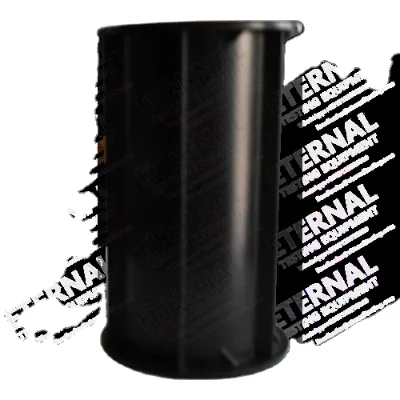
Understanding the technical specifications of a plastic polymer cylinder is the first step in the sourcing process. While the provided data includes various cylinder types, including those made from aluminum and high-end steel, the specific focus on polymer materials requires careful differentiation. Buyers should verify the material composition, as some products listed in the market utilize PP (Polypropylene) plastic material for specific cartridge applications, such as the "Two Component AB Rubber Storage Cartridge" which is noted to be made of PP plastic. This material choice is critical for applications involving chemical storage or dispensing where corrosion resistance is paramount.
When evaluating technical parameters, the physical properties of the cylinder must align with the intended pressure and temperature conditions. For instance, standard industrial cylinders often operate at pressures ranging from 15MPa to 20MPa, a range that must be explicitly confirmed for any polymer alternative. The molecular weight and density of the polymer are also essential; while specific values like a molecular weight of 28.06 and a density of 1.178 Kg/M³ are observed in certain gas contexts, these figures must be validated against the specific polymer grade intended for the hotel application. The melting and boiling points, such as -169.4 ℃ and -103.9 ℃ respectively for certain gases, indicate the thermal stability limits of the contents, which indirectly influences the cylinder's required thermal resistance.
Furthermore, the structural design plays a vital role. Cylinders may feature a piston structure or be designed as pressurized cylinders for gas-liquid combinations. In the context of hotel automation, such as pneumatic systems for door controls or laundry machinery, the cylinder must be compatible with the specific power source, typically pneumatic. The valve type is another critical specification; standard configurations like Qf-30A/Cga350 are common in industrial settings, and buyers must ensure that any polymer cylinder is equipped with compatible, leak-proof valves that meet the specific DOT Class 2.1 requirements for flammable gases if applicable.
Compliance and Certification Verification
In the hospitality industry, compliance with international standards is non-negotiable. Buyers must prioritize suppliers who can demonstrate adherence to recognized quality and safety certifications. The provided data highlights several relevant certifications, including ISO, RoHS, and TS16949. These certifications indicate that the manufacturer has established processes for quality management, environmental compliance, and automotive-grade reliability, which are transferable to high-standard hospitality applications.
Standard compliance extends beyond general certifications to specific cylinder standards. The industry often references standards such as DOT/ISO/GB for cylinder construction. While specific standards like ISO 11439, ISO11119, ISO9809, and EN11245 are mentioned in background contexts, buyers should not assume a product automatically meets these without explicit verification from the supplier. Instead, procurement teams must request documentation proving that the specific polymer cylinder model complies with the relevant pressure vessel regulations for the region of operation.
The "Grade Standard" is another crucial compliance metric. Products are often categorized as "Industrial Grade," which implies a baseline level of quality suitable for commercial use. However, for hotel applications, which may involve higher frequency of use or stricter safety protocols, buyers should verify if the product meets higher purity or safety grades. The "Un Number" 1962, associated with specific flammable gases, serves as a reference for hazardous material classification. If the cylinder is intended for fire suppression or gas storage, the supplier must provide clear labeling and documentation confirming the correct UN classification and DOT class adherence.
Cost Drivers and Pricing Structures
The cost of sourcing plastic polymer cylinders is influenced by several variables, including material costs, manufacturing complexity, and certification overhead. The observed price range in the market spans from 0.19 USD to 500 USD, indicating a vast difference between simple components and fully integrated, high-pressure systems. This wide variance suggests that buyers must look beyond the unit price to understand the total cost of ownership.
Material costs are a primary driver. The use of high-end materials, such as the "High-End Steel" or specialized "PP Plastic material," directly impacts the price. Additionally, the customization level significantly affects cost. Products offering "Customizable" specifications, such as specific dimensions or valve configurations, will typically command a higher price than standard off-the-shelf items. The "MOQ" (Minimum Order Quantity) also plays a role; while some suppliers offer an MOQ of 1, allowing for small-scale testing, bulk orders often benefit from economies of scale.
Packaging and logistics represent another cost factor. The data indicates various packing methods, including "Cartons/Box," "Film Wrapping," and "Standard Export Packing." The dimensions of the packaging, such as "303020cm," influence shipping costs, especially for international procurement. Buyers should request detailed breakdowns of costs to ensure they are not paying for unnecessary packaging or handling fees. Furthermore, the "Condition" of the product, typically "New," should be verified to avoid hidden costs associated with refurbished or used equipment.
Typical Applications in Hotel Infrastructure
Plastic polymer cylinders find diverse applications within hotel operations, ranging from maintenance and cleaning to safety and automation. One prominent use case is in the "Print" and "Semiconductor" sectors, which may translate to hotel printing services or specialized equipment maintenance. However, the most direct application in hotels is likely in "Automation and Control" systems. Pneumatic cylinders are essential for automated doors, window openers, and robotic cleaning systems that enhance guest experience and operational efficiency.
The "Two Component AB Rubber Storage Cartridge" suggests an application in maintenance and repair, where specialized adhesives or sealants are stored and dispensed. These cartridges, often made of PP plastic, are crucial for quick and effective repairs of furniture, fixtures, or plumbing. Additionally, the "Gas-Liquid Pressurized Cylinder" type could be utilized in fire suppression systems or specialized cleaning agents that require pressurized dispensing.
The versatility of these cylinders is further highlighted by their use in "Robot" applications. Modern hotels increasingly employ robotic staff for room service, cleaning, and security. These robots rely on pneumatic systems for movement and manipulation, making the reliability of the cylinders critical. Buyers should ensure that the selected cylinders are compatible with the specific "Power" requirements of these automated systems, typically pneumatic, and can withstand the "Double-acting" pressure directions required for complex movements.
Supplier Evaluation and Selection Criteria
Selecting the right supplier is as important as selecting the right product. Buyers should evaluate suppliers based on their ability to provide consistent quality, adherence to standards, and flexibility in customization. The "Customization" attribute being "Available" is a positive indicator, suggesting that the supplier can tailor products to specific hotel needs. However, buyers must verify the extent of this customization and the associated lead times.
The "Product Origin" is another key factor. With "China" listed as a common origin, buyers should be aware of the supply chain dynamics and potential logistics challenges. While this can offer competitive pricing, it necessitates a thorough vetting of the supplier's export capabilities and quality control processes. The "Inspection Cycle" of 3-6 months is a critical metric for ongoing quality assurance. Suppliers who offer regular inspection cycles demonstrate a commitment to maintaining product integrity over time.
Suppliers should also be evaluated on their response to specific technical queries. For instance, the ability to clarify the "Valve" type or the "Cylinder Standard" (DOT/ISO/GB) indicates a level of technical competence. Buyers should request samples or detailed technical datasheets to verify claims about material properties, such as the "Appearance" being "Colourless" or the "Structure" being a "Piston Cylinder." A supplier that provides transparent and accurate information is more likely to deliver a reliable product.
Quality Control and Long-Term Procurement
Quality control is the backbone of successful procurement. Buyers must implement a robust quality assurance plan that includes pre-shipment inspections and post-delivery testing. The "Inspection Cycle" mentioned in the data suggests that regular checks are necessary to maintain product performance. For hotel applications, where downtime can disrupt guest services, the reliability of the cylinders is paramount.
Long-term procurement considerations involve establishing a relationship with a supplier who can provide consistent support and replacement parts. The "Standard" of "Customizable" implies that the supplier can adapt to changing needs, but buyers should also consider the availability of spare parts and the ease of maintenance. The "Marketing Type" being "Ordinary Product" suggests that the item is a standard commodity, but buyers should ensure that the specific model meets the unique requirements of the hotel's infrastructure.
Finally, buyers should monitor the "Condition" of the cylinders over time. Even if the product is "New" upon delivery, environmental factors in a hotel setting, such as humidity and temperature fluctuations, can affect the lifespan of polymer materials. Establishing a regular maintenance schedule and conducting periodic inspections will help extend the service life of the cylinders and ensure continued safety and performance. By focusing on these long-term aspects, hotels can optimize their procurement strategy and minimize operational risks.
Comparative Analysis of Cylinder Types
To assist in decision-making, the following table compares common cylinder types based on the provided data attributes. This comparison highlights the differences in material, application, and standard compliance to help buyers make informed choices.
| Feature | Aluminum Cylinder | High-End Steel Cylinder | PP Plastic Polymer Cylinder |
|---|---|---|---|
| Primary Material | Aluminum | High-End Steel | PP Plastic |
| Typical Pressure | 15MPa/20MPa | 15MPa/20MPa | Variable (Verify) |
| Structure | Piston Cylinder | Piston Cylinder | Pressurized Cylinder |
| Key Application | General Gas Storage | Industrial Automation | Chemical Storage/Dispensing |
| Certification | ISO, RoHS, TS16949 | ISO, RoHS, TS16949 | ISO, RoHS, TS16949 |
| Customization | Available | Available | Available |
| Weight | Light | Heavy | Lightest |
| Corrosion Resistance | High | Moderate | High |
This table underscores the importance of matching the cylinder type to the specific application. While aluminum and steel cylinders are robust for high-pressure gas storage, PP plastic cylinders offer superior corrosion resistance and lighter weight, making them ideal for chemical dispensing and specific automation tasks in hotels. Buyers should use this comparison as a starting point for further technical discussions with suppliers.
Conclusion
Sourcing a Plastic Polymer Cylinder for Hotel applications requires a meticulous approach that balances technical specifications, compliance requirements, and cost considerations. By focusing on verified data, such as material composition, certification status, and pressure ratings, buyers can mitigate risks and ensure the selection of high-quality products. The hospitality industry's reliance on automation and safety systems makes the choice of cylinder critical. Through careful supplier evaluation and a commitment to long-term quality control, hotels can secure reliable components that enhance operational efficiency and guest satisfaction. The path to successful procurement lies in rigorous due diligence and a clear understanding of the specific needs of the hotel's infrastructure.
FAQs
What certifications do plastic polymer cylinder suppliers typically hold?
Suppliers often hold ISO, RoHS, and TS16949 certifications for quality and safety. These standards ensure the product meets industrial grade requirements and environmental compliance for hotel use.
Which cylinder pressure standards apply to these industrial units?
Standard cylinders operate at 15MPa or 20MPa pressure levels. They must comply with DOT, ISO, or GB cylinder standards to ensure safe containment of pressurized contents.
Can buyers request customization for cylinder specifications?
Yes, customization is available for specific dimensions and valve types. Buyers can request adjustable cushioning or specific packing methods like cartons or film wrapping to suit hotel needs.
What is the minimum order quantity for these cylinders?
The minimum order quantity can be as low as one unit for testing. However, bulk orders often benefit from economies of scale while maintaining the same product specifications.
How are these cylinders packaged for international shipping?
Packaging options include standard export packing, cartons, boxes, or film wrapping. Dimensions like 30*30*20cm are common, ensuring safe transport of the aluminum or steel components.
Which materials are used for high-end cylinder construction?
High-end cylinders are constructed from aluminum or high-end steel materials. Some specific cartridges use PP plastic material for chemical storage and dispensing applications.