Source Plastic PP Reed Diffuser Bottle for Home and Office
Find 30 Plastic PP Reed Diffuser Bottle options for home fragrance and cosmetic packaging. Compare transparent and colored glass bottles with screw caps, available in 50ml to 500ml sizes from China suppliers; compare the available evidence and request quotations based on your requirements.
Key considerations
Products List




Comprehensive Sourcing Guide
Plastic PP Reed Diffuser Bottle Sourcing Guide
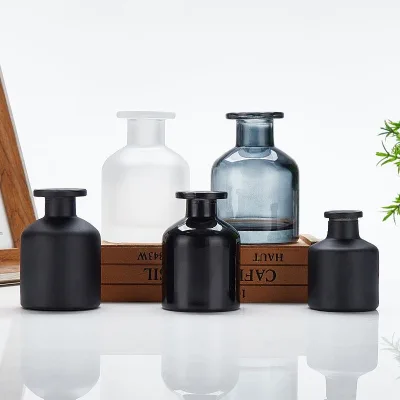
Procurement teams often encounter a discrepancy between the core keyword "Plastic PP Reed Diffuser Bottle" and the actual market inventory, which is dominated by glass variants. The supplied data confirms that available products are primarily made of glass, featuring transparent, light gray, pink, or purple finishes rather than polypropylene. Buyers must verify material composition immediately, as the listed items are explicitly identified as glass bottles with smooth polished surfaces, not plastic containers. This distinction is critical for sourcing strategies, as glass offers different chemical resistance and aesthetic properties compared to plastic alternatives.
The observed product range includes specific models like XJ24, JR0043, and YJCA2509 series, with capacities ranging from 50ml to 500ml. While the search term suggests plastic, the actual listings describe flanged open neck designs with screw caps, suitable for essential oils and home fragrance applications. Sourcing guides must address this material reality by focusing on glass specifications, such as lead-free status and recyclability, rather than plastic molding parameters. Understanding this inventory reality prevents specification errors and ensures that the selected supplier can deliver the correct glass-based reed diffuser bottles required for the intended market.
Product Scope and Observed Listing Signals
The product scope for reed diffuser bottles in this dataset is defined by specific shape and design variations, including round and square configurations. Listings indicate that designs range from plain to printed or gradient color options, with customization available for logos via screen printing. Buyers should note that while some items are marked for cosmetics, the primary application signals point toward home fragrance, hotels, and office environments. The availability of custom colors like light purple or pink suggests a market segment focused on aesthetic appeal alongside functional utility.
Commercial signals reveal a flexible minimum order quantity structure, with observed ranges from 200 to 10,000 units and specific listings offering MOQs as low as 300 or 1,000 pieces. Pricing data shows a wide variance, with observed listings ranging from $0.04 to $1.80 per unit, reflecting differences in volume, customization, and glass thickness. Packaging methods vary from standard cartons to wooden pallets with egg-crate protection, indicating that logistics planning must account for fragile glass contents. These signals help buyers calibrate their order volumes and budget expectations against the actual supply chain capabilities.
Technical Specifications to Verify
Technical verification must begin with the neck type and closure mechanism, as the data specifies flanged open necks paired with screw caps. Although the keyword implies plastic, the confirmed products are glass bottles with leak-proof limitations inherent to open neck designs. Buyers need to confirm that the screw cap provides a secure seal for essential oils, as the open neck structure does not guarantee a leak-proof seal without the specific closure. Verifying the surface finish is equally important, as the listed items feature smooth polished surfaces that affect the visual quality and perceived value of the final product.
Capacity and model standardization are critical technical parameters, with observed standards including 50ml, 100ml, 150ml, 200ml, and 500ml variants. The specific model numbers like YJCA2509-10 and JR191 serve as unique identifiers for these capacities and shapes. Procurement teams must ensure that the ordered model matches the required volume and shape, as square and round bottles have different reed insertion dynamics and visual profiles. Confirming the exact model number prevents mismatches in reed compatibility and ensures the bottle fits the intended diffuser system design.
Compliance and Safety Documentation
Safety documentation for these glass bottles centers on material integrity and chemical safety, with the data confirming that the glass is lead-free. This attribute is essential for products intended for home fragrance and cosmetic applications where direct contact with skin or inhalation of vapors may occur. Buyers should request specific test reports verifying the lead-free status, as this is a non-negotiable safety requirement for consumer goods in many jurisdictions. The absence of food-grade certification in the data further clarifies that these bottles are not intended for consumable liquids, limiting their use to fragrance and cosmetic storage.
Certification verification should focus on the SGS testing mentioned in the listings, which provides a baseline for quality assurance. While some background knowledge suggests ISO 9001 or ROHS standards, the explicit data only confirms SGS testing and ISO9001 as a standard for the manufacturer. Buyers must ensure that the supplier provides current SGS test reports for the specific batch ordered, rather than relying on general company certifications. This step validates that the glass meets safety thresholds for heavy metals and other potential contaminants, ensuring compliance with international safety regulations for home fragrance products.
Cost Drivers and Commercial Terms
Cost drivers for these glass reed diffuser bottles are heavily influenced by customization levels, such as gradient colors, printed logos, and specific shape requirements. The observed price range of $0.04 to $1.80 reflects the significant cost impact of adding custom designs or specialized colors like light pink or purple. Buyers should anticipate higher unit costs for complex designs and lower costs for plain, transparent models. Understanding these cost drivers allows procurement teams to balance aesthetic requirements with budget constraints effectively.
Commercial terms regarding shipping and packaging are equally critical, with options including sea freight, air freight, and specific packing methods like wooden pallets. The origin of the products is listed as China, specifically Jiangsu, which impacts lead times and logistics costs. Buyers must negotiate clear terms for packaging to prevent breakage during transit, as glass is fragile and requires robust protection. Additionally, the negotiable MOQ allows for flexibility in order sizing, enabling buyers to manage cash flow while securing the necessary inventory for their distribution channels.
Supplier Qualification and Quality Control
Supplier qualification should prioritize manufacturers with proven experience in glass molding and surface finishing, as the data highlights smooth polished finishes and specific glass types. The presence of SGS testing and ISO9001 standards indicates a baseline level of quality management, but buyers must verify the supplier's specific capabilities in producing the required shapes and colors. Checking the supplier's history with similar models, such as the YJCA or JR series, ensures they have the technical expertise to maintain consistency across large production runs.
Quality control protocols must include rigorous inspection of the flanged open neck and screw cap compatibility to prevent leakage issues. Since the data notes that open necks are not inherently leak-proof, the quality control process must verify the seal integrity of the screw cap assembly. Buyers should also inspect the color consistency for custom orders, as variations in light gray or purple shades can affect brand perception. Establishing a clear quality acceptance criteria based on these specific attributes ensures that the delivered products meet the required standards for home fragrance and cosmetic applications.
Long-Term Procurement Checks
Long-term procurement strategies should focus on maintaining consistent supply of the specific glass models and colors required for the brand. The availability of customization options like logo printing and gradient colors suggests that suppliers must have the capacity to scale these services without compromising quality. Buyers should establish a long-term partnership with suppliers who can reliably produce the 50ml to 500ml range with consistent lead times and packaging standards. This stability is crucial for maintaining inventory levels and meeting seasonal demand fluctuations in the home fragrance market.
Continuous monitoring of supplier performance is essential to ensure that the lead-free glass and SGS testing standards remain consistent over time. Buyers should conduct periodic audits to verify that the supplier continues to meet the specified material and safety requirements. Additionally, tracking changes in packaging methods and shipping logistics helps mitigate risks associated with product damage during transit. By maintaining a proactive approach to supplier management, buyers can ensure a steady supply of high-quality glass reed diffuser bottles that align with their brand values and customer expectations.
FAQs
Can plastic pp reed diffuser bottles be customized with logos?
Yes, plastic pp reed diffuser bottles support customized logo printing. Buyers can request screen printing or other branding methods to match their product identity. This customization allows for distinct visual appeal in home fragrance and cosmetic applications, ensuring the packaging aligns with specific marketing strategies and brand recognition goals.
What is the typical MOQ for plastic pp reed diffuser bottles?
The typical MOQ for plastic pp reed diffuser bottles ranges from 300 to 10,000 pieces. Some suppliers offer flexible minimum order quantities starting at 300 units, while others may require higher volumes. Buyers should verify specific MOQ requirements with manufacturers to ensure alignment with their production scale and inventory needs.
Are plastic pp reed diffuser bottles leak-proof?
Plastic pp reed diffuser bottles are generally not leak-proof when using open neck designs. However, models equipped with screw caps or specific closures can provide better sealing. Buyers should select appropriate closure types based on their storage and transportation requirements to prevent spills and maintain product integrity during shipping.
What certifications are available for plastic pp reed diffuser bottles?
Plastic pp reed diffuser bottles often come with SGS testing certifications. Some manufacturers may also provide ISO 9001 compliance documentation. These certifications ensure quality standards and material safety. Buyers should request specific test reports to verify compliance with international standards for their target markets and regulatory requirements.
How are plastic pp reed diffuser bottles packaged for shipping?
Plastic pp reed diffuser bottles are typically packaged in cartons or pallets. Some suppliers use wooden pallets with five-ply paper cartons and eggcrate protection for added safety. This packaging ensures secure transport and minimizes damage during transit. Buyers should confirm packaging details to meet their logistics and handling preferences.
What shapes are available for plastic pp reed diffuser bottles?
Plastic pp reed diffuser bottles are available in round and square shapes. These designs cater to various aesthetic preferences for home decoration and hotel use. Buyers can choose between classic round forms or modern square profiles. The shape selection depends on the desired visual impact and compatibility with existing interior design themes.