Source Polished 19mm Sail Boat Handles for marine doors, yachts, and ships
Find Polished 19mm Sail Boat Handles for marine doors, yachts, and ships among 30 available listings. Buyers can compare specifications, prices, and delivery times from verified suppliers offering stainless steel and steel options with high mirror polish finishes.
Key considerations
Products List
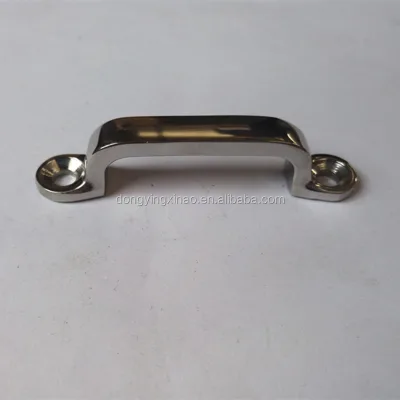
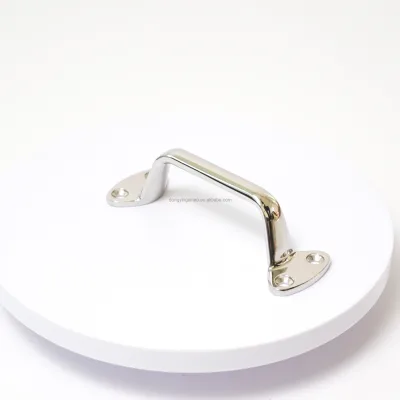
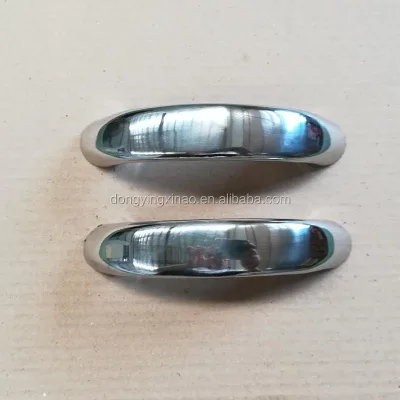
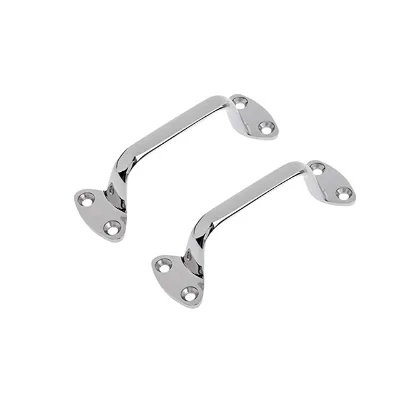
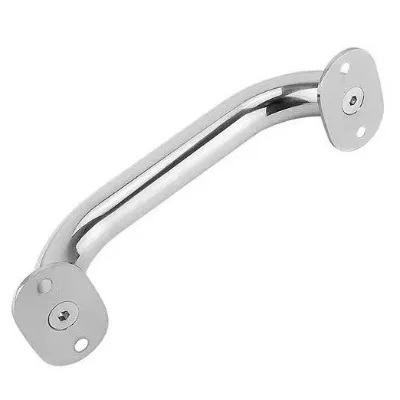
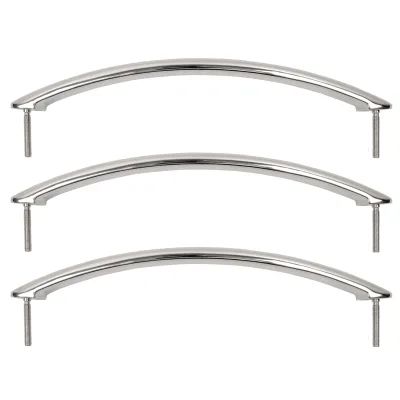
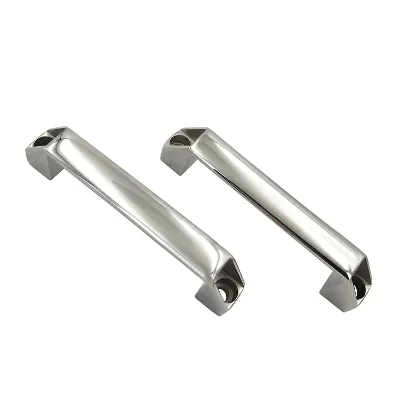
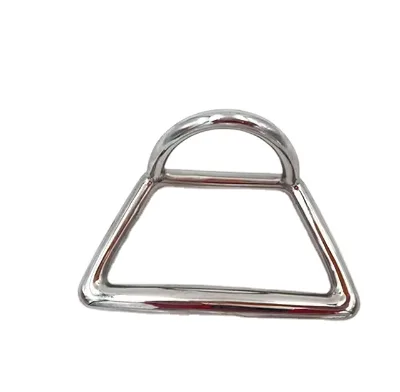





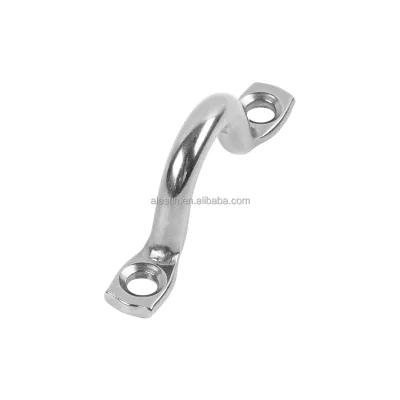
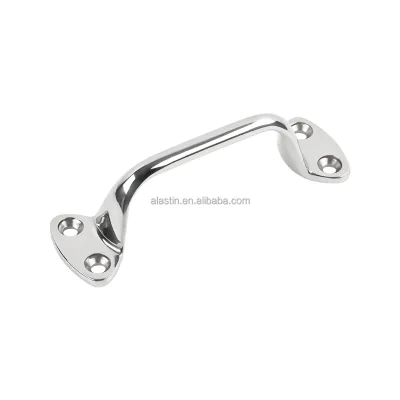


Comprehensive Sourcing Guide
Strategic Sourcing Guide for Polished 19mm Sail Boat Handles
Understanding Technical Specifications and Dimensional Variability
When sourcing Polished 19mm Sail Boat Handles, buyers must first navigate the complex landscape of technical specifications, as "19mm" often refers to the diameter of the mounting rod or the grip profile rather than the overall length of the fixture. The supplied product data reveals a significant variance in physical dimensions, with observed sizes ranging from compact 8219.5mm units to larger 15050mm models, alongside listings that simply state "Variety." This inconsistency underscores the necessity for precise communication with suppliers regarding the specific application geometry. A handle described as a "19mm" unit may be a specific grip diameter on a larger assembly, or it may refer to a specific mounting hole spacing that differs from the overall product length.
The material composition is a critical differentiator in marine environments. The available data highlights "Stainless Steel" as the primary material for high-end marine applications, specifically citing 316 Stainless Steel for boat door handles. This grade is essential for resisting saltwater corrosion, a standard requirement for marine hardware. However, some listings in the same category specify generic "Steel" as the material. For a sail boat environment, where exposure to salt spray is constant, relying on generic steel without a verified stainless grade (such as 316 or 304) poses a severe risk of rapid degradation. Buyers must verify that the "polished" finish is applied to a corrosion-resistant alloy, not merely a surface treatment on a base metal that will rust once the polish wears.
Surface treatment is another area requiring rigorous definition. The observed data lists "high polished," "High Mirror Polish," and "Polishing Mirror" as standard finishes. These terms suggest a high-gloss aesthetic intended to match the sleek lines of modern vessels. However, the distinction between a "high polish" and a "mirror polish" can affect the manufacturing process and the final durability. A mirror finish typically requires more extensive buffing and may be more susceptible to showing fingerprints or minor scratches compared to a satin or high polish finish. For a 19mm handle intended for frequent handling, the buyer must determine if the aesthetic requirement for a mirror finish outweighs the practical need for a finish that hides minor wear and tear.
Compliance, Certification, and Standard Verification
In the marine hardware sector, compliance is not merely a formality but a safety imperative. The supplied product information explicitly references "ISO9001:2015" as a certificate held by certain suppliers, indicating a commitment to quality management systems. Additionally, the "ISO Standard" is mentioned as a general specification for some items. While these are positive indicators, buyers must understand that ISO 9001 certifies the management system of the manufacturer, not the specific performance of the handle itself. It does not guarantee that the stainless steel grade is 316 or that the welds meet marine safety standards.
Buyers should be cautious regarding the mention of "CE" certification in the background data. This is flagged as low-confidence and should not be assumed as a fact for any specific product listing. Instead of accepting a claim based on a general keyword, procurement teams must request valid, verifiable documentation for the specific batch of handles being purchased. The absence of a specific marine standard (such as ABYC or ISO 10240 for marine hardware) in the provided text means the buyer must explicitly ask for compliance with relevant maritime standards.
The "Standard" field in the product data is listed as "ISO Standard," but without a specific number (e.g., ISO 9001 vs. a specific product standard), this is too vague for a definitive procurement specification. A robust sourcing strategy requires the buyer to define the exact standard required for the vessel's classification society or flag state. For instance, if the sail boat is intended for commercial use or high-performance racing, the handles may need to meet specific load-bearing or corrosion resistance standards that go beyond general ISO certifications.
Cost Drivers and Pricing Dynamics
The observed price range for these products spans from $0.08 to $23.00 USD, a variance that reflects differences in material quality, manufacturing complexity, and order volume. The lower end of this spectrum likely corresponds to generic steel handles or smaller, simpler units with minimal polishing. The higher end, approaching $23, likely represents 316 stainless steel models with complex mirror polishing, larger dimensions, and potentially custom branding.
The Minimum Order Quantity (MOQ) is another significant cost driver, with observed ranges from 1 to 5000 units. For a buyer testing a new design or replacing a small number of handles, an MOQ of 1 or 50 pieces allows for low-risk prototyping. However, the data indicates that many suppliers have an MOQ of 50 pieces. This threshold can impact the unit cost significantly; buying 50 units often yields a lower per-unit price than buying 1000 units if the supplier has high setup costs for polishing and packaging.
Packaging also influences the final landed cost. The data shows variations from simple "Plastic Bag" to "Bubble Bag+Box" and "Standard Packing." For international shipping, especially for heavy items like marine hardware, the packaging must be robust enough to prevent damage during transit. The "Single gross weight" varies from 0.21kg to 2.000kg, directly affecting freight costs. A buyer sourcing 100 units of a 2kg handle will incur significantly higher shipping costs than 100 units of a 0.21kg unit, even if the product price is similar.
Typical Applications and Usage Contexts
The primary application for these handles is identified as "Internal Doors" and "ship" usage, with specific mentions of "replace/repair" purposes. This suggests that the market is driven by both new construction and the maintenance of existing fleets. The "316 Stainless Steel Marine boat door handles" are explicitly designed for internal doors, which are subject to less direct saltwater exposure than external fittings but still require corrosion resistance due to the humid marine environment.
The "Type" of product is listed as "Boat Handle" and "handrails," indicating versatility in application. A 19mm handle could serve as a grip for a companionway door, a locker handle, or a safety handrail on a deck. The "Purpose" of "replace/repair" highlights the importance of dimensional accuracy. When sourcing for repair, the buyer must ensure the new handle matches the existing mounting pattern and hole spacing exactly. The data shows model numbers like H60119 and H52001, which implies that specific models are designed for specific applications. Using a generic handle in a repair scenario without verifying the model number could lead to installation failures.
The "Usage" field also mentions "Internal Doors" and "ship," reinforcing the need for handles that can withstand the vibration and movement of a vessel at sea. A handle that is too loose or has a finish that peels under vibration will compromise the safety and comfort of the crew. Therefore, the sourcing guide must emphasize the selection of handles that are not only aesthetically polished but also mechanically secure.
Supplier Evaluation and OEM Capabilities
Evaluating suppliers requires a focus on their ability to meet specific customization needs. The data indicates that "OEM" is "Welcomed" and "Accept" by multiple suppliers, suggesting that many manufacturers are open to branding and custom specifications. This is crucial for buyers who need handles with their own logo or specific dimensions that deviate from the standard "Variety" sizes.
The "Place of Origin" is consistently listed as "ShanDong China(Mainland)" or simply "China." While this provides a geographical baseline, it does not indicate the specific industrial capability of the supplier. Buyers should verify the supplier's capacity to handle the specific "High Mirror Polish" finish required. The process of achieving a mirror finish on stainless steel is labor-intensive and requires skilled labor. A supplier with a history of producing "high polished" goods is more likely to deliver consistent results than one with a generic steel background.
The "Delivery" time is listed as "15~30 Days" or "20-30 Days." This lead time is standard for manufacturing and shipping but can be extended by custom orders or high demand. Buyers should factor in this lead time when planning vessel refits or new builds. The "Sample" offering is noted as "Offered," which is a critical tool for supplier evaluation. Before committing to a large order, buyers should request samples to verify the actual weight, finish quality, and material grade. The "Single gross weight" data suggests that samples can be heavy, so shipping costs for samples should be considered in the initial budget.
Quality Control and Long-Term Procurement Considerations
Quality control for marine hardware must extend beyond visual inspection. The "Surface Treatment" of "high polished" or "Mirror Polished" is prone to showing defects such as pitting, scratches, or uneven buffing lines. Buyers must establish clear acceptance criteria for the finish. A "mirror" finish should reflect a clear image without distortion, and any visible scratches or dull spots should be grounds for rejection.
The "Condition" is listed as "New," which is standard, but buyers should also verify that the product is free from manufacturing defects such as sharp edges or weak welds. The "Single package size" varies significantly, from 15x5x5 cm to 30x20x17 cm. This variation suggests that packaging is tailored to the product size, but it also means that buyers must ensure the packaging is sufficient to protect the polished surface during transit. A damaged finish on a new product is a common issue in marine hardware shipping.
For long-term procurement, the "Brand Name" and "Model Number" are important for consistency. The data shows brands like "Xinao Marine" and "Pony," as well as specific model numbers. Sticking to a specific brand and model ensures that replacement parts remain compatible over the life of the vessel. If a buyer switches suppliers or models, they risk incompatibility in future repairs.
Finally, the "Selling Units" are listed as "Single item," which implies that handles can be purchased individually. This is beneficial for small repair jobs but may result in higher per-unit costs compared to bulk purchasing. Buyers should consider the total cost of ownership, including the frequency of replacement due to wear or corrosion. Investing in high-quality 316 stainless steel handles with a robust mirror polish may have a higher upfront cost but will likely result in lower long-term maintenance costs compared to cheaper alternatives.
Summary of Key Sourcing Parameters
| Parameter | Observed Data Range/Value | Procurement Action Required |
|---|---|---|
| Material | Stainless Steel (316), Steel | Verify 316 grade for marine use; reject generic steel. |
| Finish | High Polished, Mirror Polished | Request samples to verify finish quality and scratch resistance. |
| Dimensions | 8219.5mm to 15050mm, Variety | Confirm exact mounting dimensions and 19mm grip diameter. |
| MOQ | 1 to 5000 pcs | Negotiate MOQ based on project scale; check sample availability. |
| Lead Time | 15-30 Days | Plan for 30+ days to account for potential delays. |
| Certification | ISO9001:2015, ISO Standard | Request specific marine compliance docs; do not rely on CE alone. |
| Weight | 0.21kg to 2.000 kg | Calculate freight costs based on actual gross weight. |
By adhering to these evidence-based guidelines, buyers can navigate the complexities of sourcing Polished 19mm Sail Boat Handles, ensuring they acquire products that meet the rigorous demands of marine environments while maintaining cost efficiency and quality standards.
FAQs
What material is used for Polished 19mm Sail Boat Handles?
The primary material is stainless steel, specifically grade 316 for marine door handles to resist saltwater corrosion. Some listings specify generic steel, so buyers must verify the grade to prevent rapid degradation in marine environments.
Which certifications do these boat handles typically hold?
Many suppliers hold ISO9001:2015 certification for their quality management systems. Some products also reference ISO Standard compliance, but buyers should request specific documentation as general ISO claims do not guarantee material grade or weld safety.
How long is the delivery time for these handles?
The standard delivery time ranges from 15 to 30 days depending on the supplier and order volume. Custom orders or high demand may extend this lead time, so buyers should factor this into their vessel refit schedules.
Can I order samples before placing a bulk order?
Yes, samples are offered by suppliers to verify quality and specifications before committing to a large purchase. Buyers should consider shipping costs for samples, as the single gross weight can vary significantly from 0.21kg to 2.000kg.
What is the minimum order quantity for these handles?
The minimum order quantity ranges from 1 to 5000 pieces, with many suppliers setting an MOQ of 50 pieces. Lower MOQs allow for low-risk prototyping, while bulk orders may yield better per-unit pricing despite higher setup costs.
Which surface finishes are available for these marine handles?
Available finishes include high polished, high mirror polish, and polishing mirror treatments. A mirror finish offers a high-gloss aesthetic but may show fingerprints more easily than a standard high polish finish on frequently handled units.
Where are these boat handles manufactured?
The place of origin is consistently listed as Shandong, China (Mainland) or generally China. Buyers should verify the specific industrial capability of the supplier to ensure they can deliver the required high mirror polish finish.