Source Pole Line Angle Brace for Crossarms, Braces, and Fittings
Find 30 Pole Line Angle Brace options including galvanized steel crossarms, link fittings, and line hardware. Compare customization, materials like carbon and stainless steel, and finishes such as hot-dip galvanizing to select the right components for your infrastructure projects; compare the available evidence and request quotations based on your requirements.
Key considerations
Products List


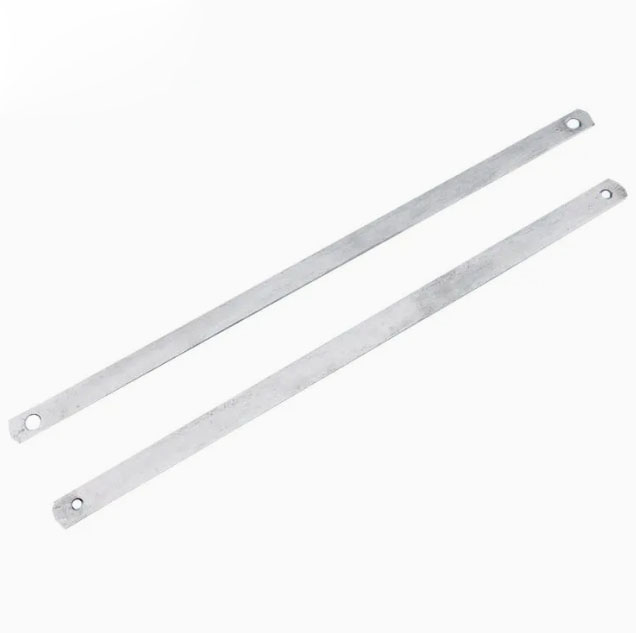


Comprehensive Sourcing Guide
Pole Line Angle Brace Sourcing Guide
Buyers must first distinguish between standard angle steel components and specialized line fittings when sourcing pole line angle braces. The market offers distinct product categories ranging from raw steel angles to finished pull-line and link fittings, each serving different structural roles in utility infrastructure. Understanding whether the requirement is for a generic structural member or a specific hardware assembly is the primary step in defining the procurement scope.
The observed product listings reveal a wide variance in material composition, including carbon steel, stainless steel, and galvanized steel angle profiles. Some suppliers offer customized sizes and models like B0209 or SA6979, while others provide standard cross-arms and alley arm braces. This diversity necessitates a clear definition of the specific application, such as pole line hardware or substation fittings, to ensure the selected component matches the mechanical and environmental demands of the project.
Product Scope and Observed Listing Signals
Procurement teams should verify the specific product model and size specifications against the project engineering drawings, as listings often mix generic angle steel with specialized fittings. The data indicates models such as B0209, B02, and GP12 are available, alongside custom dimensions like L50xL50x5x2100. Buyers must confirm if the listed item is a raw material for fabrication or a pre-engineered assembly, as the functional requirements for a pull-line fitting differ significantly from a standard structural cross-arm.
Packaging and origin details also serve as critical signals for logistics planning and quality expectations. Suppliers in Yueqing and Wenzhou, Zhejiang, offer various packing methods including pallets, bundles, cartons, and export-standard cases. While some listings specify standard export packaging, others allow for custom requests, which impacts shipping costs and on-site handling procedures. Buyers should align their logistics strategy with the supplier's specific packing capabilities to prevent damage during transit.
Technical Specifications to Verify
Engineers must rigorously validate the surface treatment and manufacturing process to ensure long-term durability in outdoor environments. The supplied facts highlight Hot DIP Galvanized finishes adhering to ASTM A153 and ASTM A123 standards, which are critical for corrosion resistance in utility applications. It is essential to confirm that the galvanization process covers all welds and cut edges, as incomplete coverage can lead to premature failure in exposed pole line systems.
The mechanical properties and fabrication techniques, such as welding, stamping, and cold pressing, directly influence the structural integrity of the angle brace. Buyers should verify that the production process matches the required load-bearing capacity, noting that some listings specify welding while others emphasize cold pressing or laser cutting. Additionally, the connection type, such as female connections or hexagon head types, must be compatible with the existing hardware system to ensure a secure and safe installation.
Compliance and Safety Documentation
Safety compliance requires verifying that the product standards align with the specific regulatory framework of the project location. While some listings reference international standards like ANSI, DIN, and JIS, others may cite Non-GB or specific model numbers like B0207. Procurement teams must ensure that the chosen standard meets the local utility authority requirements, as a mismatch in compliance documentation can lead to rejection of the shipment or safety violations during inspection.
Documentation regarding the drawing formats and customization capabilities is equally vital for engineering validation. Suppliers often provide technical drawings in PDF, 3D, CAD, DWG, or STP formats, which are necessary for integration into the project's design software. Buyers should request these files early to confirm that the product dimensions and tolerances match the design specifications, ensuring that the angle brace will fit precisely within the intended assembly without requiring on-site modifications.
Cost Drivers and Commercial Terms
Pricing and minimum order quantities (MOQ) are significant variables that fluctuate based on material type, customization level, and order volume. The observed market data shows a price range from $0.05 to $28 and MOQs varying from 10 to 5000 pieces, depending on the specific product model and finish. Buyers must analyze the total cost of ownership, considering that higher MOQs may reduce unit costs but increase inventory holding expenses, while lower MOQs offer flexibility at a potentially higher per-unit price.
Commercial terms regarding OEM acceptance and packaging customization also impact the overall procurement budget. Many suppliers accept OEM requests and offer flexible packaging options, which can add value but may incur additional setup or handling fees. It is crucial to clarify whether the quoted price includes the cost of custom packaging or specific surface treatments, as these factors can significantly alter the final landed cost and should be negotiated explicitly before placing an order.
Supplier Qualification and Quality Control
Supplier location and production capabilities are key indicators of reliability and supply chain stability. The majority of observed suppliers are located in Zhejiang, China, specifically in Yueqing and Wenzhou, which are known industrial hubs for hardware manufacturing. Buyers should assess the supplier's capacity to handle the required volume and their ability to maintain consistent quality across different production batches, especially when dealing with customized models or specific galvanization standards.
Quality control processes must be verified through the supplier's adherence to specified standards and their willingness to provide test results. While the listings mention standards like GB, DIN, and ANSI, buyers should request evidence of compliance, such as mill test reports or galvanization thickness certificates, to validate the product quality. Establishing a clear quality assurance protocol with the supplier ensures that the delivered angle braces meet the rigorous safety and performance standards required for pole line applications.
Long-Term Procurement Checks
Sustainable procurement requires establishing a framework for ongoing performance monitoring and supplier relationship management. Buyers should implement regular audits to ensure that the supplier continues to meet the agreed-upon standards for materials, finishes, and dimensions over time. This proactive approach helps identify potential quality drifts early and ensures that the supply chain remains resilient against market fluctuations or changes in manufacturing practices.
Future-proofing the procurement strategy involves maintaining open communication channels for design updates and standard changes. As utility standards evolve, the ability to adapt product specifications, such as switching from carbon steel to stainless steel or updating galvanization methods, becomes critical. Buyers should negotiate flexible terms that allow for adjustments in order volume and product specifications, ensuring that the long-term supply of pole line angle braces remains aligned with the evolving needs of the infrastructure project.
FAQs
What materials are used for pole line angle braces?
Pole line angle braces are typically manufactured from steel angle, stainless steel, or carbon steel. These materials provide the necessary structural integrity for line fittings. The choice depends on specific load requirements and environmental exposure, ensuring durability in outdoor applications.
How are pole line angle braces finished for corrosion resistance?
These braces commonly feature hot dip galvanized finishes to ASTM A153 or ASTM A123 standards. This process ensures robust corrosion resistance for outdoor pole line hardware. Some variants may use galvanized sheet surfaces, providing long-term protection against weathering and environmental degradation.
Can manufacturers customize the size of angle steel braces?
Yes, customization is available for pole line angle braces. Manufacturers offer customized sizes and models such as B0209 or GP12. Buyers can provide drawings in PDF, 3D, CAD, or DWG formats to ensure the final product meets specific engineering requirements and installation constraints.
What is the typical MOQ for ordering angle steel braces?
The minimum order quantity varies by supplier but generally ranges from 10 to 5000 pieces. Some specific items may have an MOQ of 100 PCS. Buyers should confirm the exact MOQ with the manufacturer, as it depends on the product model and production capacity.
Which standards apply to Pole Line Angle Brace manufacturing?
Manufacturing standards include GB, DIN, ANSI, BSW, and JIS. Specific models may follow standards like B0209 or B0207. Non-GB standards are also available. These standards ensure the fittings meet international quality and safety requirements for use in substation and line applications.
How are pole line angle braces packaged for shipping?
Braces are packed by pallet, bundle, carton, or in wood cases. Export standard packages are commonly used to protect the goods. Custom packaging requests are accepted to ensure safe transit. This prevents damage during logistics and ensures the galvanized finish remains intact upon arrival.