Source Polished Marble Ceramic Porcelain Tiles for Floors, Walls, and Interiors
Compare 30 listings of Polished Marble Ceramic Porcelain Tiles featuring non-slip, firebrick, and heat insulation properties. Buyers can evaluate sizes, thickness, and certifications like CE and ISO for floor and interior wall applications.
Key considerations
Products List


600*600 800*800mm Polished Porcelain Tiles, Polished Marble Tiles
$4.80 - $6.50
MOQ: 100 Square Meters


$4.80 - $6.50
MOQ: 100 Square Meters


$4.80 - $6.50
MOQ: 100 Square Meters
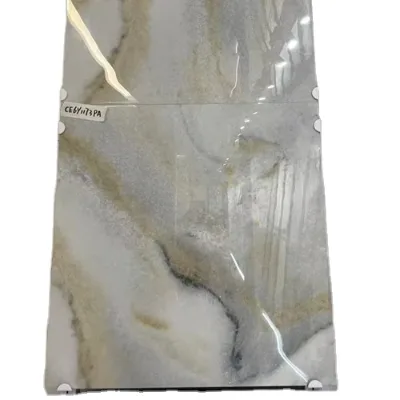


Carpet-Like Polished Glazed Floor and Wall Porcelain Ceramic Tiles
$4.50 - $6.80
MOQ: 500 Square Meters

60*120cm White Color Marble Tile Porcelain Tile Price Polished Floor Wall Tile
$3.90 - $4.40
MOQ: 500 Square Meters


Glazed Marble Floor Polished Wall White Glossy Ceramic Porcelain Tile
$3.10 - $4.90
MOQ: 500 Square Meters

Wholesale Ceramic Marble Full Polished Glazed Porcelain Floor Wall Tiles
$3.10 - $4.90
MOQ: 500 Square Meters


Comprehensive Sourcing Guide
Polished Marble Ceramic Porcelain Tiles Sourcing Guide
Sourcing Polished Marble Ceramic Porcelain Tiles requires a disciplined approach that balances aesthetic aspirations with rigorous technical verification. These products are engineered to replicate the luxurious veining and depth of natural stone while offering the durability and consistency of vitrified ceramic or porcelain. Buyers must navigate a market where terminology can be ambiguous, distinguishing between true porcelain bodies and standard ceramic vitrified tiles. The decision to source these materials involves evaluating not just the visual finish, but the underlying material density, surface treatment, and structural integrity that determine long-term performance in high-traffic environments.
The procurement process is heavily influenced by the specific application context, whether for residential living rooms, commercial lobbies, or bathroom interiors. Each setting imposes different demands on slip resistance, wear resistance, and maintenance requirements. A polished finish, while visually striking, often presents challenges regarding slip resistance and stain susceptibility compared to matte or textured alternatives. Therefore, the initial sourcing strategy must align the tile’s physical attributes with the intended usage, ensuring that the aesthetic choice does not compromise safety or longevity. This guide provides a framework for verifying these critical factors before committing to large-scale orders.
Product Scope and Observed Listing Signals
The current market landscape for Polished Marble Ceramic Porcelain Tiles reveals a diverse range of product specifications and customization options. Listings frequently highlight a variety of sizes, including standard formats such as 600x600mm, 800x800mm, and larger formats like 1000x1000mm, with thicknesses typically ranging from 8mm to 10mm. These dimensions cater to different installation scales, from small residential bathrooms to expansive commercial floors. The presence of customization options indicates that suppliers are prepared to accommodate specific design requirements, allowing buyers to tailor the product to unique architectural needs rather than being limited to off-the-shelf inventory.
Observations of product attributes show a strong emphasis on functional performance, with many listings advertising features such as non-slip properties, heat insulation, and antibacterial surfaces. While the term "polished" suggests a high-gloss finish, some products also claim acid resistance and wear resistance, which are critical for maintaining appearance in high-traffic areas. The material composition is consistently identified as porcelain or ceramic, with some products specified as vitrified tiles. This distinction is vital for buyers, as vitrified tiles generally offer lower water absorption and higher strength compared to standard ceramic tiles. Understanding these observed signals helps buyers filter listings to find products that meet their specific technical and aesthetic criteria.
Technical Specifications to Verify
Verifying the technical specifications of Polished Marble Ceramic Porcelain Tiles is essential to ensure they meet the project’s performance standards. Key parameters to confirm include water absorption rates, which should ideally be less than 0.1% for high-quality porcelain tiles, indicating a dense, durable body that resists staining and frost damage. Buyers should also verify the surface treatment, ensuring that the polished finish is consistent and free from defects such as pinholes or uneven gloss. The planeness of the tile, often specified as a deviation of less than 0.3mm, is another critical factor that affects installation quality and the final appearance of the floor or wall.
In addition to surface properties, the structural integrity of the tile must be assessed through its thickness and load-bearing capacity. Standard thicknesses observed in the market range from 8mm to 10mm, with some products offering 9.5mm variants. Thicker tiles generally provide better durability and resistance to cracking, especially in commercial applications. Buyers should also inquire about the packing specifications, such as the number of pieces per box and the weight per box, to calculate logistics costs and handling requirements accurately. Confirming these details ensures that the selected tiles are suitable for the intended installation method and structural load.
Compliance and Safety Documentation
Compliance with international standards and safety certifications is a non-negotiable aspect of sourcing Polished Marble Ceramic Porcelain Tiles. Buyers must verify that the products hold relevant certifications, such as CE marking, which indicates conformity with health, safety, and environmental protection standards for products sold within the European Economic Area. Additionally, ISO certifications, particularly ISO 9001 for quality management systems, provide assurance that the manufacturer adheres to consistent production processes. These certifications are critical for ensuring that the tiles meet regulatory requirements in the destination market and reduce the risk of customs delays or product rejection.
Safety documentation should also include test results for slip resistance, especially for polished tiles which can be slippery when wet. Buyers should request data on the coefficient of friction (COF) to ensure the tiles meet the safety standards for the intended application, such as bathrooms or poolside areas. Furthermore, information on fire resistance and heat insulation properties should be reviewed, particularly for commercial projects where fire safety codes are stringent. Ensuring that all necessary documentation is available and up-to-date helps mitigate legal and safety risks associated with the installation and use of these tiles.
Cost Drivers and Commercial Terms
The cost of Polished Marble Ceramic Porcelain Tiles is influenced by several factors, including material quality, size, thickness, and customization requirements. Larger formats and thicker tiles typically command higher prices due to increased material usage and more complex manufacturing processes. Customization options, such as specific sizes or finishes, can also add to the cost, as they require additional production steps and quality control measures. Buyers should be aware that while the observed price range in the market is broad, the final cost will depend on the specific configuration and quantity ordered.
Commercial terms, including minimum order quantities (MOQ) and delivery times, play a significant role in the overall procurement strategy. MOQs can vary widely, from small quantities for sample orders to large volumes for full project supplies. Delivery times are typically estimated at 7-20 days after payment receipt, but this can be affected by production schedules and logistics arrangements. Buyers should negotiate clear terms regarding payment methods, shipping responsibilities, and warranty periods, which are often stated as more than 15 years for quality products. Understanding these commercial dynamics helps in budgeting accurately and planning the project timeline effectively.
Supplier Qualification and Quality Control
Selecting a reliable supplier is crucial for ensuring the quality and consistency of Polished Marble Ceramic Porcelain Tiles. Buyers should conduct thorough due diligence on potential suppliers, verifying their manufacturing capabilities, production capacity, and quality control processes. Suppliers with a proven track record of exporting to international markets are often more reliable, as they are familiar with global standards and logistics requirements. It is also important to assess the supplier’s ability to provide customization and handle large orders without compromising on quality or delivery schedules.
Quality control measures should be implemented throughout the production and shipping process. Buyers should request pre-shipment inspections to verify that the tiles meet the agreed-upon specifications, including size, thickness, color consistency, and surface finish. Random sampling and testing for water absorption, slip resistance, and mechanical strength can help identify any defects or inconsistencies before the goods are dispatched. Establishing a clear communication channel with the supplier for addressing any issues that arise during production or delivery is essential for maintaining a successful procurement relationship and ensuring project success.
Long-Term Procurement Checks
Long-term procurement of Polished Marble Ceramic Porcelain Tiles requires ongoing monitoring and evaluation to ensure sustained quality and value. Buyers should establish a system for tracking supplier performance, including delivery times, product quality, and responsiveness to issues. Regular audits or inspections of the supplier’s facilities can help identify potential problems early and ensure that quality standards are consistently maintained. Building a long-term relationship with a trusted supplier can lead to better pricing, priority production, and improved support for future projects.
Additionally, buyers should stay informed about advancements in tile technology and market trends to make informed decisions about future purchases. This includes keeping up with changes in safety standards, environmental regulations, and design preferences. By maintaining a proactive approach to procurement, buyers can ensure that their projects are equipped with high-quality, compliant, and cost-effective Polished Marble Ceramic Porcelain Tiles. Continuous evaluation and adaptation of the sourcing strategy will help mitigate risks and maximize the value of the investment over time.
FAQs
What certifications do these porcelain tiles have?
The porcelain tiles carry CE and ISO certifications. These standards ensure the products meet specific safety and quality requirements for international markets, providing assurance for bulk buyers regarding compliance and reliability.
Which sizes are available for these ceramic tiles?
Available sizes include 1000x1000x10mm, 800x800x10mm, and 600x600x10mm. Some models also offer 600x600x8mm variations, allowing flexibility for different floor and wall installation projects across various commercial and residential spaces.
Can I request customization for these tiles?
Yes, customization is available for these porcelain tiles. Buyers can specify unique requirements to tailor the product to their specific project needs, ensuring the final output aligns perfectly with design and functional specifications.
How long is the delivery time for these tiles?
The delivery time ranges from 7 to 20 days after receiving payment. This lead time applies to standard orders and allows for efficient logistics planning for buyers sourcing these vitrified tiles from the manufacturer in China.
What is the water absorption rate of these tiles?
The water absorption rate is less than 0.1 percent. This low absorption level indicates high density and durability, making the tiles suitable for areas requiring resistance to moisture and staining in both interior and exterior applications.
Which functions do these tiles provide?
These tiles offer non-slip, firebrick, heat insulation, antibacterial, wear-resistant, and acid-resistant functions. These attributes make them ideal for high-traffic floors and areas requiring specific safety and hygiene standards in commercial environments.
What is the minimum order quantity for these tiles?
The minimum order quantity ranges from 10 to 10,000 units depending on the specific product model. Buyers should verify the exact MOQ for their selected model to ensure their order meets the supplier's purchasing requirements.