Source Reusable Orthopedic Neurosurgery Power Tool for Surgery, Burns, Orthopedic
Find 30 listings for the Reusable Orthopedic Neurosurgery Power Tool designed for orthopedic surgery, burns treatment, and general orthopedic applications. Buyers can compare specifications like speed, voltage, and certification across multiple models from Chinese manufacturers.
Key considerations
Products List


Medical Power Tool Neurosurgery Equipment High Speed Micro Neuro Electric Spine Drill
$1700.00 - $1800.00
MOQ: 1 Pieces


Electric Orthopedic Instrument Set Medical Power Tools for Bone Surgery
$2100.00 - $2300.00
MOQ: 1 Sets


Orthopedic Medical Electric Power Tool Sternum Saw for Thoracic Surgery
$700.00 - $800.00
MOQ: 1 Pieces

Economic Orthopedic Surgical Power Tool with Compatible Battery Orthopedic Surgery
$550.00 - $1500.00
MOQ: 1 Sets


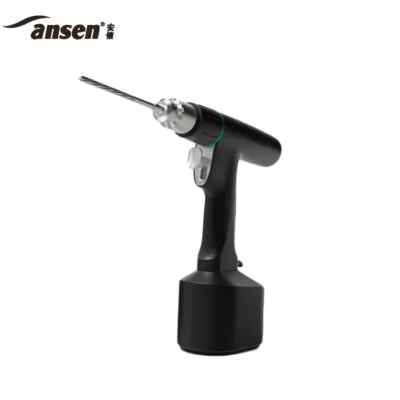


Surgical Electric Power System Medical Instrument for Neurosurgery/Orthopedic
$3000.00 - $5000.00
MOQ: 1 Pieces

Medical Power Tool Neurosurgery Equipment Micro High Speed Orthopedic Spine Electric Drill
$1800.00 - $1950.00
MOQ: 1 Pieces


Comprehensive Sourcing Guide
Reusable Orthopedic Neurosurgery Power Tool Sourcing Guide
The procurement of reusable orthopedic neurosurgery power tools requires a rigorous evaluation of product attributes that distinguish surgical-grade equipment from general industrial machinery. Buyers must first identify listings that explicitly state applications in orthopedic surgery, burns, or general orthopedic procedures, as these terms signal the intended medical context. The observed market data indicates a diverse range of models, from specific bone drills to multifunctional units, all sharing the critical characteristic of being reusable. This reusability is a primary cost and safety factor, necessitating that the tool be constructed from durable materials like steel and designed for repeated sterilization cycles without degradation of performance.
When scanning supplier catalogs, buyers should look for specific model identifiers such as NM100, EM100, or SM100, which often accompany detailed technical specifications. The presence of a "Brushless Multifunctional Drill" or "High Speed Drill" designation suggests advanced motor technology capable of delivering the necessary torque and speed ranges required for delicate bone work. It is essential to verify that the product name and type align with the surgical procedure, ensuring the tool is not merely a general-purpose saw or awl but a specialized instrument designed for the precision demands of neurosurgery and orthopedic interventions.
Product Scope and Observed Listing Signals
The product scope for reusable orthopedic neurosurgery tools encompasses a variety of configurations, including brushless motors, high-speed drills, and multifunctional units capable of handling different surgical tasks. Listings frequently highlight the "Group" as Adult, indicating the intended patient demographic, while the "Type" may vary between saws, awls, or drills depending on the specific surgical need. Buyers must carefully distinguish between general industrial power tools and those explicitly marketed for medical use, noting that some products may list applications for both burns and orthopedic surgery, which requires a deeper verification of the device's regulatory classification.
Observed listing signals often include specific packaging details, such as items packed individually in aluminum boxes within cartons, or simply in standard boxes. These packaging methods are indicative of the care taken to protect the precision components during transit and storage. The color of the device, typically available in red, blue, green, or silver, may be customizable, but the primary focus should remain on the functional specifications. The presence of a "Medical Device Regulatory Type: Type 2" designation is a strong signal that the product is intended for clinical environments, distinguishing it from non-medical industrial equipment that might share similar physical dimensions.
Technical Specifications to Verify
Buyers must rigorously verify the speed and torque capabilities of the power tool, as these parameters directly impact surgical precision and bone cutting efficiency. The observed data suggests a wide operating speed range, with some models capable of speeds between 1200 and 30,000 RPM, while others may have a non-load speed of 600 RPM. It is critical to confirm the specific torque output, such as 20,000 g/Cm, to ensure the tool can handle the resistance of bone without stalling or causing excessive vibration. The input voltage requirements, typically ranging from 110VAC to 220VAC, must match the electrical infrastructure of the operating room to prevent equipment failure during critical procedures.
Battery performance and charging logistics are equally vital for reusable surgical tools that rely on cordless operation. Specifications such as a 14.4V battery and a charging time of approximately three hours should be cross-referenced with the surgical schedule to ensure the device remains operational throughout the procedure. The weight of the unit, observed at 1700g, and the weight of the aluminum box at 2280g, influence the ergonomics and the fatigue levels of the surgeon during long surgeries. Buyers should also verify the rotating voltage and ensure the tool's design supports the specific mechanical demands of the intended orthopedic or neurosurgical application.
Compliance and Safety Documentation
Compliance with international medical standards is non-negotiable for reusable orthopedic neurosurgery tools, and buyers must demand evidence of certifications such as FDA, ISO, and CE. The observed listings frequently mention certifications like "ISOCE" or "CE ISO," which indicate adherence to specific quality management and safety protocols. However, the presence of a certification label alone is insufficient; procurement teams must verify the validity of these certificates against the specific model number and the intended market of the buyer. The "Medical Device Regulatory Type: Type 2" classification further underscores the need for strict adherence to regulatory frameworks governing medical devices in the target region.
Safety documentation must also include clear instructions for sterilization and maintenance, given the reusable nature of the equipment. The product attributes indicate that these tools are designed for repeated use, which implies a robust cleaning protocol to prevent cross-contamination between patients. Buyers should request detailed manuals that outline the maximum number of sterilization cycles the device can withstand and the specific materials used, such as steel, that ensure durability against harsh cleaning agents. Without comprehensive safety documentation, the risk of equipment failure or patient injury increases significantly, making this a primary checkpoint in the supplier qualification process.
Cost Drivers and Commercial Terms
The cost of reusable orthopedic neurosurgery power tools is driven by the complexity of the motor technology, the quality of materials, and the regulatory compliance status of the device. While some listings mention a "Most Competitive Price," the actual cost is heavily influenced by the inclusion of accessories, the type of packaging, and the specific model features like brushless motors or high-speed capabilities. The observed price range in the market is broad, extending from low-cost entry points to high-end specialized units, reflecting the variance in technical sophistication and brand reputation. Buyers should be wary of prices that seem unusually low, as they may indicate compromised quality or a lack of necessary certifications.
Commercial terms, including the Minimum Order Quantity (MOQ) and transportation logistics, play a significant role in the total cost of ownership. The observed MOQ is often as low as 1 set, which allows for smaller procurement cycles and reduces initial capital expenditure. However, transportation methods such as FedEx, DHL, TNT, and UPS must be factored into the budget, as these services vary in cost and speed. The origin of the product, typically from China or specifically Anhui, China, also affects shipping times and potential tariffs. Buyers should negotiate clear terms regarding lead times and warranty coverage to mitigate the risks associated with international procurement of sensitive medical equipment.
Supplier Qualification and Quality Control
Supplier qualification for medical power tools requires a thorough assessment of the manufacturer's production capabilities and quality control systems. Buyers should verify the supplier's location, such as Anhui, China, and ensure they have a track record of producing devices that meet international medical standards. The presence of a brand name, such as Ruijin, can be a starting point for due diligence, but it is essential to confirm that the brand is associated with legitimate manufacturing facilities rather than just a trading entity. The ability to offer customization, as noted in the product attributes, suggests a flexible manufacturing process, but this flexibility must not come at the expense of quality consistency.
Quality control processes must be transparent and verifiable, with suppliers providing evidence of their testing procedures for torque, speed, and battery life. The standard of "1PC" or "1PC/Carton" indicates the unit of measurement for quality checks, but buyers should demand more detailed quality assurance reports. It is crucial to ensure that the supplier has a robust system for handling defects and returns, given the critical nature of the equipment. The supplier's ability to provide a complete set of documentation, including user manuals, maintenance guides, and certification copies, is a strong indicator of their commitment to quality and customer support.
Long-Term Procurement Checks
Long-term procurement of reusable orthopedic neurosurgery tools requires a strategic approach to maintenance, spare parts availability, and lifecycle management. Buyers must establish a relationship with the supplier that ensures a steady supply of replacement parts, such as batteries or drill bits, to keep the equipment operational for years. The "Reusable" attribute implies a long service life, but this is contingent on proper maintenance and the availability of technical support. Procurement teams should negotiate service level agreements that include training for hospital staff on the proper use and care of the devices to maximize their lifespan.
Regular audits of the equipment's performance and compliance status are essential to ensure continued safety and efficacy. Over time, the wear and tear on reusable tools can affect their performance, making it necessary to implement a schedule for regular inspections and recalibration. Buyers should also monitor changes in regulatory requirements that might affect the use of the equipment, ensuring that the tools remain compliant with evolving medical standards. By maintaining a proactive approach to procurement and maintenance, healthcare facilities can ensure that their investment in reusable orthopedic neurosurgery power tools delivers consistent value and patient safety over the long term.
FAQs
What certifications do these reusable orthopedic neurosurgery power tools have?
These tools typically hold FDA and ISO CE certifications, ensuring compliance with international medical device standards. Some listings also specify CE ISO certificates. Buyers should verify specific regulatory documentation for their target market, as Type 2 medical device classification may apply to certain models. Always confirm the exact certification status with the supplier before procurement.
Can the color of the Reusable Orthopedic Neurosurgery Power Tool be customized?
Yes, customization is available for the color of these power tools. Standard options usually include red, blue, green, or silver finishes. The supplier explicitly states that colors can be customized to meet specific hospital or branding requirements. This feature allows for better identification and organization within surgical teams while maintaining the tool's functional integrity.
What is the minimum order quantity for these orthopedic power tools?
The minimum order quantity is generally 1 set for these reusable orthopedic neurosurgery power tools. This low MOQ allows hospitals and clinics to test the equipment without committing to large bulk purchases. It facilitates easier procurement for smaller facilities or for replacing specific components. Buyers can order single units to evaluate performance before considering larger orders.
How is the Reusable Orthopedic Neurosurgery Power Tool packed for shipping?
Packaging varies by model but typically includes individual boxes or aluminum cases. One common method packs each set in an aluminum box, which is then placed in a carton. Other models may use simple box or carton packaging. This ensures safe transport and protection of the precision instruments. Buyers should confirm the specific packing details for their chosen model to ensure compliance with shipping requirements.
What is the speed range of the high-speed drill model?
The high-speed drill model offers a speed range of 1200 to 30000 RPM. This wide range allows for versatile applications in orthopedic and neurosurgery procedures. The non-load speed can reach up to 600 RPM for certain models, providing controlled operation. This variability ensures surgeons can select the appropriate speed for different tissue types and surgical tasks.
Where are these reusable orthopedic neurosurgery power tools manufactured?
These tools are manufactured in China, with specific origins noted as Anhui, China (Mainland). The brand name associated with some models is Ruijin. Buyers should be aware of the manufacturing location for logistics and regulatory purposes. The products are shipped via major carriers like FedEx, DHL, TNT, and UPS, ensuring global delivery capabilities.