Source Polishing Baby Bathtub Injection Mold for Home, Retail, and Commodity Use
Compare 30 verified listings for a Polishing Baby Bathtub Injection Mold designed for home, retail, and commodity applications. Buyers can evaluate specifications including steel grades, cavity counts, and surface finish options like chrome plating and texture.
Key considerations
Products List


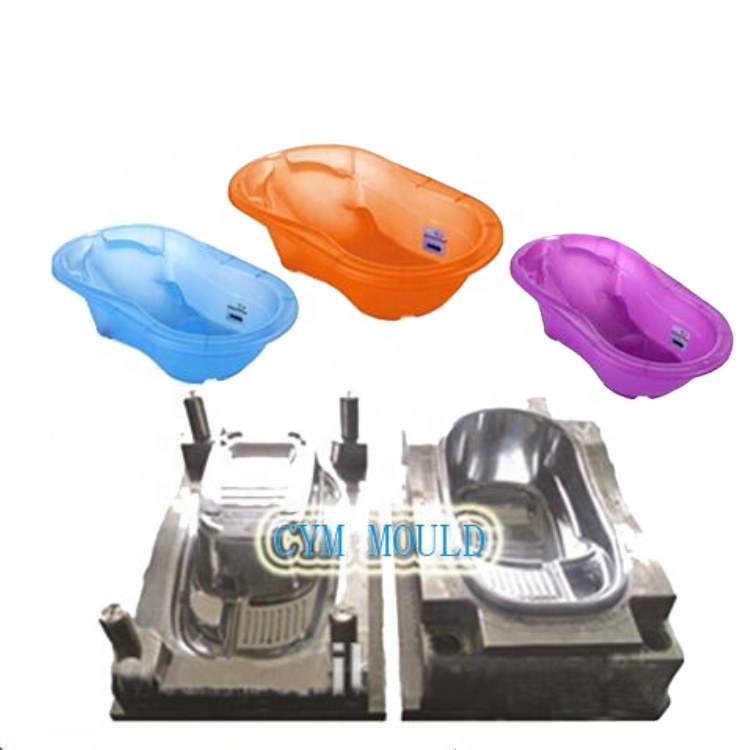
Hot Selling Household Use High Quality Plastic Injection Plastic Baby Bath Tub Mould
$15000.00 - $20000.00
MOQ: 1 Pieces

Plastic Portable Baby Bathtub Mould Kids Foldable Bath Barrel Injection Mold
$3000.00 - $6000.00
MOQ: 1 Sets


Comprehensive Sourcing Guide
Strategic Sourcing Guide for Polishing Baby Bathtub Injection Molds
Understanding the Technical Architecture of Baby Bathtub Molds
The procurement of a Polishing Baby Bathtub Injection Mold requires a deep understanding of the specific manufacturing processes and material properties involved. These molds are engineered to produce high-volume, safety-critical consumer goods, necessitating a precise balance between surface aesthetics and structural integrity. The core manufacturing process for these units is typically injection molding, utilizing a single-cavity design to ensure consistent part quality and dimensional stability. The shaping mode is strictly defined by the injection process, where molten plastic is forced into a cavity that has been meticulously prepared to achieve the desired final form.
A critical technical differentiator in this category is the runner system. Buyers must verify whether the mold utilizes a cold runner or a hot runner system. The observed data indicates the availability of both configurations, with specific instances of hot runner systems noted for their efficiency in reducing material waste and cycle times. The choice between these systems directly impacts the cost of the mold and the operational efficiency of the production line. Furthermore, the surface finish process is paramount for baby products, where smoothness is not merely an aesthetic choice but a safety requirement to prevent injury. The primary surface finish process observed is polishing, often complemented by additional treatments such as texture application, chrome plating, and spray painting. These treatments ensure the final product meets the tactile and visual standards required for home use commodities.
The internal geometry of the mold is supported by high-grade tooling steel. The specific steel grade identified in the supply chain is 718, which offers a robust balance of hardness and machinability. This steel is heat-treated to achieve a hardness range of HRC 34-38, a specification that is critical for resisting wear during high-volume production cycles. The mold life is a significant consideration for long-term procurement; data suggests that well-maintained molds of this type can exceed 500,000 shots, providing a substantial return on investment for manufacturers. The design phase is equally rigorous, with design software capabilities ranging from UG and Pro-E to CAD, Catia, and Solidworks. This variety in software ensures that complex geometries required for baby bathtubs can be accurately modeled and simulated before physical production begins.
Compliance, Certification, and Safety Standards
In the realm of baby products, compliance is not optional; it is the foundation of market access. When sourcing a Polishing Baby Bathtub Injection Mold, buyers must prioritize suppliers who can demonstrate adherence to international quality management systems. The observed certifications in the market include ISO and CE, which serve as indicators of a supplier's commitment to standardized manufacturing processes and product safety. While specific test results for the final plastic parts are not provided in the mold specifications, the mold itself must be built to a standard that facilitates the production of compliant goods.
Standards such as DME and HASCO are frequently referenced in the industry for mold component compatibility and interchangeability. These standards ensure that the mold components, such as guides, ejectors, and cooling channels, meet rigorous dimensional tolerances. The presence of these standards in the product attributes suggests that the molds are designed to integrate seamlessly with existing manufacturing equipment and follow established industry protocols. However, buyers should not assume that every listed product automatically satisfies all local regulatory requirements for baby products in their specific target market. It is essential to verify that the mold design supports the production of items that meet local safety regulations, such as those regarding material toxicity and structural stability.
The certification status of the supplier is a proxy for their quality control capabilities. A supplier holding ISO certification is likely to have documented procedures for design verification, material traceability, and process control. Similarly, CE marking indicates conformity with health, safety, and environmental protection standards for products sold within the European Economic Area. Buyers should request current certification documents and verify their validity before proceeding with an order. The absence of these certifications does not necessarily disqualify a supplier, but it requires a more thorough on-site audit to ensure that the manufacturing environment meets the necessary safety and quality benchmarks.
Cost Drivers and Pricing Dynamics
The pricing of a Polishing Baby Bathtub Injection Mold is influenced by a complex interplay of factors, including design complexity, material selection, and the level of customization required. The observed price range for these molds in the market spans from $3,000 to $30,000. This wide variance reflects the diversity in mold specifications, from simpler single-cavity designs to more complex multi-cavity or high-precision configurations. The minimum order quantity (MOQ) for these molds is typically one unit, allowing buyers to procure a single mold for prototyping or low-volume production without significant financial commitment.
Several specific cost drivers contribute to the final price. The choice of steel is a primary factor; the use of 718 steel, which is known for its durability and polishability, commands a higher price than lower-grade alternatives. The surface finish process also significantly impacts cost. A mold requiring extensive polishing, texture application, chrome plating, or spray painting will incur higher labor and processing costs compared to a mold with a standard finish. Additionally, the runner system plays a role; hot runner systems, while more expensive upfront, can reduce long-term material costs and improve cycle times, making them a cost-effective choice for high-volume production.
Customization is another major cost driver. The availability of customization options allows buyers to tailor the mold to their specific product requirements, but this flexibility comes at a premium. The design time, observed to be around 7 days for standard configurations, can extend based on the complexity of the design and the number of revisions required. The delivery time, typically around 40 days, is also a factor in the overall cost structure, as expedited shipping or rush orders may incur additional fees. Buyers should carefully evaluate their production volume and quality requirements against the price range to determine the most cost-effective solution.
Typical Applications and Market Usage
The primary application for these molds is the production of baby bathtubs and related hygiene products for home use. The molds are specifically designed to create commodity items that are safe, durable, and aesthetically pleasing for infants and toddlers. The "Baby Bathtub Mold" and "Baby Bathtub Bucket Mold" designations highlight the specific end-use products these molds are intended to manufacture. The application extends beyond just bathtubs to include related accessories that require similar surface finishes and structural properties.
The target market for these products is the home use sector, where safety and ease of cleaning are paramount. The polishing process ensures that the final product has a smooth surface, free from burrs or rough edges that could harm a baby. The use of high-quality steel and precise manufacturing processes ensures that the molds can produce parts with consistent dimensions and wall thickness, which is critical for the structural integrity of the bathtub. The molds are also suitable for production in various regions, with origins noted in Zhejiang, China, and specifically Huangyan, Taizhou, which are known hubs for mold manufacturing.
The versatility of these molds allows them to be used for different types of plastic materials, provided the mold design and surface treatments are compatible with the material's properties. The ability to apply textures, chrome plating, and spray painting enables manufacturers to create a wide range of product variations, catering to different consumer preferences and brand identities. This flexibility is a key advantage for buyers looking to diversify their product offerings or enter new market segments.
Supplier Evaluation and Manufacturing Capabilities
Evaluating a supplier for a Polishing Baby Bathtub Injection Mold requires a comprehensive assessment of their technical capabilities, quality control systems, and production infrastructure. The presence of in-house machine equipment, including CNC machines, EDM (Electrical Discharge Machining), wire cutting machines, and drilling machines, is a strong indicator of a supplier's ability to produce high-precision molds internally. This in-house capability reduces reliance on external vendors, shortens lead times, and ensures better control over the manufacturing process.
Quality control is another critical aspect of supplier evaluation. The observed data highlights the presence of professional QC teams within the supplier's facilities, ensuring that every stage of the mold production process is monitored and verified. This includes inspections of the mold steel, heat treatment processes, and final surface finishes. The "Professional QC in House" attribute suggests that the supplier has established protocols for detecting and correcting defects before the mold is shipped. Buyers should verify the specific QC procedures and request samples of previous work to assess the consistency and quality of the supplier's output.
The supplier's design capabilities are also essential. The use of advanced design software such as UG, Pro-E, CAD, Catia, and Solidworks indicates a high level of technical proficiency. Buyers should inquire about the experience of the design team and their ability to handle complex geometries and optimization challenges. Additionally, the supplier's ability to provide customization services, including design modifications and surface finish options, is a valuable asset for buyers with specific product requirements.
Quality Control and Long-Term Procurement Considerations
Ensuring the long-term success of a baby bathtub mold investment requires a focus on quality control and maintenance. The mold life, which can exceed 500,000 shots, is a key metric for evaluating the durability and reliability of the mold. However, this lifespan is contingent upon proper maintenance and operation. Buyers should establish a maintenance schedule that includes regular cleaning, lubrication, and inspection of the mold components to prevent wear and tear.
The warranty period, typically one year, provides a safety net for buyers against manufacturing defects. However, it is important to understand the scope of the warranty and the procedures for claiming it. Buyers should also consider the availability of spare parts and the supplier's support services for mold repair and modification. The ability to quickly address any issues that arise during production is crucial for minimizing downtime and maintaining production efficiency.
In terms of long-term procurement, buyers should consider the scalability of the mold. As production volumes increase, the mold may need to be upgraded or replaced to accommodate higher throughput. The flexibility of the mold design and the supplier's ability to provide upgrades or additional molds should be factored into the procurement strategy. Additionally, the environmental impact of the mold production process and the sustainability of the materials used should be considered, especially as regulations and consumer preferences shift towards more eco-friendly practices.
Final Procurement Strategy and Verification
The final step in the procurement process involves a thorough verification of all technical and commercial details. Buyers should request detailed technical drawings, material certificates, and process documentation to ensure that the mold meets all specified requirements. The observed production origin in China, specifically Zhejiang and Huangyan, Taizhou, should be verified to ensure that the supplier is located in a region known for high-quality mold manufacturing. The delivery time of 40 days should be confirmed, and any potential delays should be accounted for in the production schedule.
Buyers should also verify the packaging standards, which include options such as wooden cases, wooden crates, or Ppbag+Carton combinations. Proper packaging is essential to protect the mold during transit and prevent damage. The lead time and delivery terms should be clearly defined in the contract to avoid any misunderstandings. Finally, buyers should conduct a final review of the mold design and specifications before production begins to ensure that all requirements are met and that the mold is ready for high-volume production. By following a disciplined and evidence-based approach, buyers can secure a high-quality Polishing Baby Bathtub Injection Mold that meets their production needs and ensures the safety and satisfaction of their end consumers.
FAQs
What design software is used for these molds?
Design software includes UG, Pro-E, CAD, Catia, and Solidworks. These tools allow for complex geometry modeling to ensure the final baby bathtub meets precise safety and aesthetic requirements before production begins.
Which steel grade is used for the mold core and cavity?
The mold core and cavity typically use 718 steel. This material is heat-treated to a hardness of HRC 34-38 to ensure durability and resistance to wear during high-volume injection molding cycles.
How long is the warranty period for these molds?
The warranty period is typically one year. This coverage protects against manufacturing defects, ensuring that the mold performs as expected during the initial production phase before potential long-term maintenance is required.
Can the mold surface finish include texture or plating?
Yes, surface finishes include polishing, texture, chrome plating, and spray painting. These treatments are applied to ensure the final baby bathtub has a smooth, safe surface suitable for home use and infant safety.
What is the expected mold life for this injection mold?
The expected mold life exceeds 500,000 shots. This high shot count indicates that the mold is engineered for long-term durability and can support significant production volumes for commodity home use items.
Which certifications do the suppliers typically hold?
Suppliers typically hold ISO and CE certifications. These standards indicate adherence to international quality management systems and safety requirements, which are critical for manufacturing products intended for baby use.
What is the standard delivery time for these molds?
The standard delivery time is approximately 40 days. This lead time accounts for design, machining, heat treatment, and surface finishing processes required to produce a high-quality injection mold for baby bathtubs.