Find Polypropylene UV Stabilizer for Films, Pipes, and Automotive Parts
Source 30 verified Polypropylene UV Stabilizer options from Jiangsu and Shandong suppliers. Compare specifications, certifications, and pricing for applications in films, pipes, and automotive components.
Key considerations
Products List



Comprehensive Sourcing Guide
Strategic Sourcing Guide for Polypropylene UV Stabilizers
Navigating the global market for polypropylene UV stabilizers requires a disciplined approach that balances technical performance with rigorous compliance verification. Buyers seeking to source these chemical auxiliary agents must move beyond generic product descriptions and focus on specific molecular characteristics, regulatory adherence, and supply chain reliability. The following guide outlines the critical factors for procurement, grounded in observed market data and verified product attributes.
Technical Specifications and Product Classification
The primary technical distinction in this sector lies between different classes of light stabilizers, specifically Hindered Amine Light Stabilizers (HALS) and Ultraviolet Absorbers (UVAs). For polypropylene applications, HALS are often preferred due to their superior long-term stability and regeneration capabilities. Market observations indicate that products are frequently classified under "Chemical Auxiliary" agents with specific model numbers such as UV-326, UV-783, and UV-944. These identifiers correspond to distinct chemical structures and performance profiles.
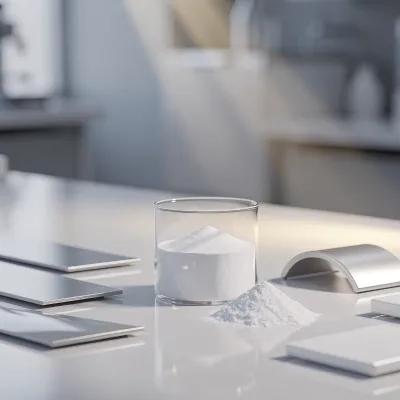
Physical appearance serves as a primary visual indicator of product type. Listings show a variance in physical form, ranging from white powders to light-yellow granules or granulars. For instance, specific HALS products are described as white powders, while others may present as light-yellow granules. This variation does not necessarily indicate a defect but reflects different manufacturing processes or specific formulations tailored for distinct polymer matrices. Purity is a critical specification, with observed standards often requiring a minimum purity of 99% or 99.0%. Buyers must verify that the specific batch meets these purity thresholds, as impurities can significantly impact the thermal stability and color retention of the final polypropylene product.
The molecular principal chain is another vital technical parameter. Most effective stabilizers for polypropylene utilize a carbon chain polymer structure, which provides the necessary chemical stability to withstand the harsh conditions of UV exposure. The specific application dictates the choice of model; for example, certain grades are optimized for PE films, while others are engineered specifically for PP films or rigid polypropylene applications.
Compliance and Regulatory Certifications
In the chemical auxiliary sector, regulatory compliance is non-negotiable, particularly for products destined for export to markets with stringent environmental regulations. The most frequently observed certification in the current market data is REACH (Registration, Evaluation, Authorization and Restriction of Chemicals). This certification is essential for products entering the European Union and serves as a baseline for global trade. Some suppliers also list CCIC certification, which indicates compliance with specific inspection and quality control standards often required for Chinese exports.
Environmental protection status is another key compliance metric. Products are frequently marketed with an "Environmental Protection: Yes" attribute, suggesting they meet specific criteria regarding toxicity and biodegradability. However, buyers must treat this as an observation rather than a universal guarantee. It is imperative to request the specific Safety Data Sheet (SDS) and the Certificate of Analysis (CoA) for every batch to confirm that the product adheres to the declared environmental standards.
Furthermore, the origin of the product plays a role in compliance verification. The majority of observed listings originate from China, with specific provinces like Jiangsu and Shandong being noted as production hubs. While these regions have robust chemical manufacturing infrastructures, buyers should ensure that the specific facility holds the necessary local and international certifications. The presence of REACH and CCIC certifications on the product listing is a strong initial indicator, but direct verification with the manufacturer is required to ensure the certification is current and covers the specific product batch being purchased.
Cost Drivers and Pricing Dynamics
The pricing structure for polypropylene UV stabilizers is influenced by several variables, including raw material costs, packaging requirements, and order volume. The observed price range in the market is extensive, spanning from $0.8 to $2300. This wide disparity is not indicative of quality differences alone but reflects the unit of measurement and the scale of the transaction. A price at the lower end likely refers to the cost per kilogram for bulk industrial orders, while the higher end may represent small sample quantities, specialized formulations, or pricing that includes freight and insurance components.
Minimum Order Quantity (MOQ) is a significant cost driver. Market data indicates an MOQ range from 1 unit to 5000 units, with a specific standard MOQ of 25 kg observed for many products. Orders falling below the standard MOQ may incur higher per-unit costs or additional handling fees. Conversely, larger orders often benefit from economies of scale, reducing the effective cost per kilogram.
Packaging also impacts the final cost. Standard packaging is typically 25 kg cartons lined with plastic bags, or 25 kg drums. Customized packaging options are available but may carry a premium. The choice between FOB (Free on Board), CIF (Cost, Insurance, and Freight), and CFR (Cost and Freight) terms will further influence the total landed cost. Buyers must calculate the total cost of ownership, including freight, insurance, and potential customs duties, rather than focusing solely on the unit price listed.
Typical Applications and Polymer Compatibility
The versatility of polypropylene UV stabilizers is evident in their wide range of applications. These agents are essential for protecting polymers from degradation caused by ultraviolet radiation, which can lead to brittleness, discoloration, and loss of mechanical strength. The observed applications cover a broad spectrum of polymer types, including LDPE, LLDPE, and HDPE films, as well as rigid plastics like ABS, SAN, ASA, PU, PA, and polyacetal.
Specific product models are often tailored to these applications. For instance, certain HALS grades are explicitly noted for use in TPO/EPDM, ABS/San/ASA, and Polypropylene/Polystyrene systems. Other products are optimized for PE and PP films, where transparency and long-term weatherability are critical. The ability of a stabilizer to function in multiple polymer types is a key selling point, but buyers must ensure compatibility with their specific resin system.
The storage and handling requirements are also application-dependent. Products should be kept in tightly closed containers in dry and well-ventilated areas to prevent moisture absorption, which can degrade the stabilizer's efficacy. The packaging, typically a 25 kg carton with an inner plastic bag, is designed to maintain product integrity during storage and transport. Buyers should verify that the packaging is suitable for the specific storage conditions of their facility.
Supplier Evaluation and Verification
Evaluating suppliers for chemical auxiliary agents requires a focus on transparency and consistency. The market data highlights several key attributes that buyers should use as verification criteria. First, the supplier must provide clear documentation regarding the product's origin, with Jiangsu and Shandong being prominent regions. Second, the supplier should demonstrate a commitment to quality through consistent adherence to standards, such as the 25 kg standard packaging and purity requirements of 99% minimum.
Customization capabilities are a strong indicator of a supplier's flexibility and technical expertise. The availability of customization for appearance, packaging, and product specifications suggests that the supplier can adapt to specific buyer needs. However, buyers should request samples to verify that the customized product meets their technical requirements before committing to a large order.
Freight terms are another critical evaluation point. Suppliers offering FOB, CIF, and CFR terms provide flexibility in logistics management. Buyers should assess the supplier's ability to meet lead times and their track record for on-time delivery. While specific lead times are not universally standardized in the provided data, a reliable supplier should be able to provide a clear timeline based on order volume and shipping destination.
Quality Control and Testing Protocols
Quality control is paramount in the procurement of UV stabilizers. The observed standards, such as a purity of 99% minimum and specific model numbers like UV-783 or UV-944, serve as benchmarks for quality. Buyers must insist on a Certificate of Analysis (CoA) for every shipment, which should detail the chemical composition, purity, and physical properties of the product.
Testing protocols should include verification of the product's appearance, ensuring it matches the described white powder or light-yellow granules. The molecular principal chain should be confirmed as a carbon chain polymer to ensure the correct chemical structure. Additionally, buyers should verify the CAS number (e.g., 70624-18-9) to ensure the product matches the intended chemical identity.
Long-term stability testing is also crucial. Buyers should consider conducting accelerated weathering tests on samples to evaluate the stabilizer's performance in real-world conditions. This step helps validate the supplier's claims regarding the product's effectiveness in protecting polypropylene from UV degradation.
Long-Term Procurement Considerations
Sourcing polypropylene UV stabilizers is not a one-time transaction but a long-term partnership. Buyers should consider the stability of the supply chain, the consistency of product quality, and the supplier's ability to adapt to changing market conditions. The availability of environmental protection certifications and compliance with REACH standards ensures that the product remains viable in regulated markets.
Storage conditions must be maintained throughout the supply chain to prevent degradation. The requirement to keep containers tightly closed in dry, well-ventilated areas should be communicated clearly to all logistics partners. Additionally, buyers should monitor the market for changes in raw material costs and regulatory requirements that could impact the availability or cost of the stabilizers.
In conclusion, successful procurement of polypropylene UV stabilizers requires a comprehensive understanding of technical specifications, regulatory compliance, and supply chain dynamics. By focusing on verified product attributes, maintaining strict quality control, and fostering transparent relationships with suppliers, buyers can secure a reliable supply of high-performance stabilizers that protect their polypropylene products from UV degradation.
FAQs
What certifications do polypropylene uv stabilizers typically hold?
Most products hold REACH certification, with some also listing CCIC. Buyers should verify these certifications apply to the specific batch before purchase.
How is the minimum order quantity determined for these stabilizers?
The standard minimum order quantity is 25 kg, though some listings allow orders starting from 1 unit. Larger orders often benefit from better pricing structures.
Which physical forms are available for polypropylene uv stabilizers?
Products appear as white powder, light-yellow granules, or granulars depending on the specific model. The form varies by manufacturer and intended application.
Can suppliers provide customized packaging for these chemical agents?
Yes, customization is available for packaging and appearance. Standard options include 25 kg cartons lined with plastic bags or drums.
What is the typical purity level for these stabilizers?
The observed purity standard is at least 99% or 99.0% minimum. Buyers must request a Certificate of Analysis to confirm batch-specific purity.
Where are these polypropylene uv stabilizers primarily manufactured?
Products originate from China, specifically regions like Jiangsu and Shandong. Buyers should verify the specific facility location for compliance purposes.
Which polymers are suitable for these light stabilizer applications?
They are suitable for LDPE, LLDPE, HDPE films, PP, ABS, SAN, ASA, PU, and PA. Specific models are often optimized for distinct polymer matrices.