Source Polypropylene Liquid Filter Bag for Water Treatment Industry Metallurgy
Compare 30 Polypropylene Liquid Filter Bag options from verified suppliers. These medium filtration units support liquid and solid filtering applications with customizable sizes and ring types for diverse industrial needs.
Key considerations
Products List


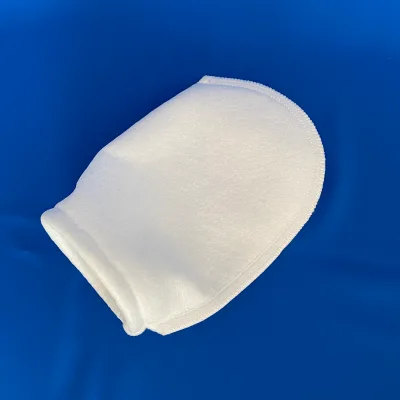


Polypropylene PP Filter Bag Liquid Filter Bag for Hydraulic Oil Press Machine
$4.80 - $5.00
MOQ: 100 Pieces


Non Standard Customized Liquid Filter Bag Polypropylene Water Filter Bag
$3.80 - $48.00
MOQ: 100 Pieces

Nylon / Polyester / Polypropylene Filter Bags Size 2 for Liquid Filtration
$0.50 - $7.80
MOQ: 500 Pieces


Comprehensive Sourcing Guide
Strategic Sourcing Guide for Polypropylene Liquid Filter Bags
Understanding Technical Specifications and Material Composition
When sourcing polypropylene (PP) liquid filter bags, buyers must first establish a clear understanding of the core technical specifications that define product performance. The primary material of interest is polypropylene, a synthetic polymer widely recognized for its chemical resistance and durability in liquid filtration applications. However, the market data indicates a diverse material landscape where polypropylene coexists with other options such as nylon, polyester, and polyethylene. A buyer specifying "polypropylene" must verify that the supplier explicitly lists PP as the primary material for the specific unit, as some listings may offer "Material Available: PP PE Nylon" as a general category without guaranteeing the specific composition of every SKU.
The physical construction of the filter bag is equally critical. The observed product attributes reveal that these bags typically feature a round sectional shape, designed to maximize surface area and flow efficiency within standard housing units. The manufacturing method often involves either sewing or welding techniques to create the bag body. Buyers should note that "Sewed" and "Welded" are distinct construction methods; welding may offer a more seamless barrier against leakage in high-pressure scenarios, while sewing is common for general-purpose applications. Furthermore, the bag ring, which secures the filter into the housing, comes in various configurations including F rings, H rings, and metal rings. The selection of the ring material and type must align with the specific housing design and the chemical compatibility required for the fluid being filtered.
Filtration performance is quantified by the micron rating, which defines the particle size the bag can retain. The available data suggests a broad operational range from 0.2 to 300 microns. This wide spectrum allows for applications ranging from fine particulate removal to coarse straining. However, buyers must treat these ranges as observed market capabilities rather than universal guarantees for every listed product. The filtration grade is generally categorized as "Medium Filter," indicating suitability for general industrial liquid filtration rather than ultra-fine or sterile-grade applications. Additionally, the bag environment is noted as suitable for room temperature conditions, though some entries simply list "Temperature" without specific limits, necessitating direct verification of thermal stability for the intended process.
Compliance, Standards, and Certification Verification
In the B2B procurement of industrial filtration components, compliance with standards and certifications is a non-negotiable aspect of supplier evaluation. While the provided data lists specific product standards such as "60x42x52cm" and "7inch*32inch," these appear to be dimensional specifications rather than international safety or quality certifications. Buyers should not assume that a product listing a standard dimension automatically meets regulatory requirements for food safety, pharmaceutical use, or environmental discharge without explicit certification documentation.
The sourcing guide emphasizes that buyers must verify the "prod_standard" field carefully. In the observed data, standards are listed as "Regular size; Customizable" or specific dimensions like "180*430mm." These entries describe the physical output rather than a third-party validation of quality. Consequently, procurement teams must request evidence of compliance with relevant industry standards, such as ISO 9001 for quality management or specific material safety data sheets (MSDS) for the polypropylene resin used. The absence of explicit certification names in the product attributes means that the buyer's due diligence must extend beyond the product page to the supplier's quality assurance documentation.
Furthermore, the origin of the product plays a role in compliance. The data indicates that many products originate from Shanghai, China. While this is a major manufacturing hub, it does not inherently dictate compliance levels. Buyers should verify if the supplier adheres to the import regulations of their destination country, particularly regarding material safety and environmental standards. The "Paper Type" listed as "Qualitative" in some entries suggests that documentation may vary, and buyers should ensure that all necessary compliance certificates accompany the shipment. It is crucial to treat the listed attributes as observations of the product's physical state and not as proof of regulatory adherence.
Cost Drivers and Pricing Dynamics
The pricing structure for polypropylene liquid filter bags is influenced by several key variables, including material composition, micron rating, and customization requirements. The observed price range in the market spans from $0.50 to $48.00 USD. This significant variance suggests that price is not a linear function of the product type but is heavily dependent on specific attributes. Lower-priced items likely correspond to standard sizes with higher micron ratings (coarser filtration) and basic construction methods. Conversely, higher-priced units may feature finer micron ratings (e.g., 0.2 microns), specialized ring types like metal rings, or custom manufacturing processes.
Minimum Order Quantity (MOQ) is another critical cost driver. The data shows an MOQ range from 1 to 500 units. Buyers purchasing small quantities may face a higher per-unit cost, while those ordering in bulk can leverage economies of scale to reduce the unit price. The flexibility of the MOQ allows for different procurement strategies; for instance, a buyer testing a new application might start with a low MOQ to validate performance before committing to a larger order. However, the "Customization: Available" attribute implies that custom orders may incur additional setup costs or higher MOQs, which should be factored into the total cost of ownership.
Packing methods also contribute to the final cost. The observed packing options include "Carton Box," "Carton," and "Carton or Wooden Case." Wooden cases are typically more expensive and are used for heavier or more fragile shipments, adding to the overall logistics cost. Buyers should evaluate whether the standard carton packaging is sufficient for their shipping needs or if the added protection of a wooden case is necessary to prevent damage during transit. Additionally, the "prod_model" codes (e.g., SFF-L0015, SFF-L002) often correlate with specific feature sets that influence pricing, and buyers should request a price breakdown based on the specific model number to understand the cost drivers.
Typical Applications and Industry Use Cases
Polypropylene liquid filter bags are versatile components used across a wide array of industrial sectors. The primary application identified is "Liquid Filter," which encompasses a broad range of fluid processing needs. Specific industry applications mentioned include "Water Treatment," "Industry," and "Metallurgy." In water treatment facilities, these bags are essential for removing suspended solids, sediment, and particulate matter to ensure water quality meets regulatory standards. The chemical resistance of polypropylene makes it particularly suitable for handling various water types, including those with mild acidic or alkaline properties.
In the metallurgy sector, the filter bags are utilized to protect equipment and maintain process fluid cleanliness. The "Medium Filter" grade is well-suited for pre-filtration stages where large particulates need to be removed before the fluid enters more sensitive downstream processes. The "Usage" attribute also lists "Solid Filter," indicating that these bags can be employed in applications where the primary goal is the separation of solid particles from a liquid stream. This dual functionality makes them a cost-effective solution for general industrial filtration needs.
The "Application" field also notes "Industry" and "Metallurgy," suggesting that these bags are integral to manufacturing processes where fluid purity is critical. For example, in chemical processing, the non-woven polyester fiber or polypropylene material can withstand exposure to various chemicals without degrading. The "Filter Bag Filter" attribute, described as "The Filter Type," reinforces the general-purpose nature of these products. Buyers should match the specific micron rating and material properties to the viscosity and chemical composition of the fluid they intend to filter. For instance, a 0.2-micron rating would be appropriate for fine filtration in high-purity applications, while a 300-micron rating might be used for coarse straining in wastewater treatment.
Supplier Evaluation and Quality Control Protocols
Evaluating suppliers for polypropylene liquid filter bags requires a rigorous approach to ensure consistent quality and reliability. The first step is to verify the supplier's ability to meet the specific technical requirements outlined in the product specifications. Buyers should confirm that the supplier can consistently produce bags with the desired micron rating, material composition (PP, Nylon, or Polyester), and construction method (sewed or welded). The "Customization: Available" attribute indicates that suppliers should have the flexibility to adapt to specific client needs, but buyers must assess the supplier's capacity to handle custom orders without compromising quality.
Quality control protocols are essential to mitigate the risk of product failure. Buyers should request detailed information on the supplier's quality assurance processes, including in-process inspections and final product testing. The "prod_packing" attributes, such as "Carton Box" or "Carton," should be inspected to ensure that the packaging protects the filter bags from contamination and physical damage during storage and transit. Additionally, the "prod_standard" and "prod_model" fields should be cross-referenced with the actual product received to ensure consistency.
The "prod_origin" of Shanghai, China, is a common source for these products, but buyers should not rely solely on the origin to gauge quality. Instead, they should evaluate the supplier's track record, customer reviews, and any available third-party audit reports. The "Material Available" list suggests that suppliers may offer multiple material options, and buyers should verify that the specific material ordered matches the requested specification. For example, if a buyer requires polypropylene, they must ensure the supplier does not substitute it with nylon or polyester without prior approval.
Long-Term Procurement Considerations and Operational Efficiency
Long-term procurement of polypropylene liquid filter bags involves more than just securing a one-time purchase; it requires a strategic approach to ensure operational efficiency and cost-effectiveness over time. One key consideration is the lifecycle of the filter bag. The "Micron" rating and "Filtration Grade" determine how quickly the bag will clog and need replacement. Buyers should analyze their process data to determine the optimal replacement frequency, balancing the cost of frequent bag changes against the risk of equipment damage from clogged filters.
The "Cartridge Installation" method, listed as "Flange Mounting" or "Vertical Lifting," impacts the ease of maintenance and replacement. Buyers should evaluate their existing filtration housing systems to ensure compatibility with the chosen installation method. A mismatch in installation types can lead to increased downtime and labor costs. Additionally, the "Bag Ring" type (F Ring, H Ring, Metal Ring) must be compatible with the housing to prevent leaks and ensure a secure fit.
Sustainability and environmental impact are also becoming increasingly important in procurement decisions. The "Material" options, including PP, PE, Nylon, and Polyester, have different environmental footprints. Buyers should consider the recyclability of the used filter bags and the supplier's commitment to sustainable manufacturing practices. The "Paper Type" listed as "Qualitative" may indicate the level of documentation provided, and buyers should ensure that all necessary environmental compliance documents are available.
Finally, the "prod_packing" and "prod_standard" details should be reviewed to optimize logistics. Standardized packaging and dimensions can reduce shipping costs and simplify inventory management. Buyers should negotiate terms that allow for flexible ordering and delivery schedules to accommodate fluctuating demand. By focusing on these long-term factors, buyers can build a resilient supply chain that supports their operational goals and minimizes total cost of ownership.
FAQs
What materials are available for polypropylene liquid filter bags?
Polypropylene is the primary material, but nylon, polyester, and polyethylene are also available options. Buyers must verify the specific material composition for each SKU, as listings may offer multiple materials without guaranteeing the exact composition of every unit.
Which micron ratings can be found for these filter bags?
The available micron ratings range from 0.2 to 300 microns. This broad spectrum supports applications from fine particulate removal to coarse straining, though specific ratings depend on the individual product model and filtration grade.
How are the filter bags constructed and sealed?
The bag bodies are typically constructed using either sewing or welding techniques. The choice between sewed and welded methods depends on the application, with welding often preferred for high-pressure scenarios requiring a seamless barrier.
What ring types are used to secure the filter bags?
Filter bags utilize F rings, H rings, or metal rings to secure them within the housing. The selection of ring material and type must align with the specific housing design and the chemical compatibility required for the fluid being filtered.
Where are these products typically manufactured and shipped from?
Most products originate from Shanghai, China. Buyers should verify if the supplier adheres to import regulations of their destination country, as the origin alone does not guarantee compliance with specific material safety or environmental standards.
What is the typical price range for these filter bags?
The observed price range spans from 0.50 to 48.00 USD. This variance depends on factors like material composition, micron rating, and customization requirements, with lower prices often corresponding to standard sizes and higher micron ratings.
Can these bags be customized for specific needs?
Customization is available for many products, allowing for tailored specifications. However, custom orders may incur additional setup costs or higher minimum order quantities, which should be factored into the total cost of ownership.