Source Portable CE Cattle Crate for Farm, Livestock, Outdoor Fence
Compare 30 listings for Portable CE Cattle Crate options including galvanized steel and heat-treated wood designs. Buyers can evaluate customization, dimensions, and certification details like CE and ISO for farm and livestock applications.
Key considerations
Products List


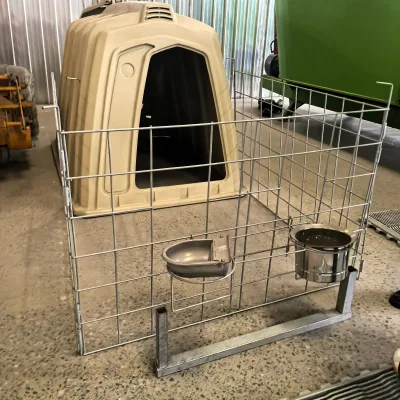
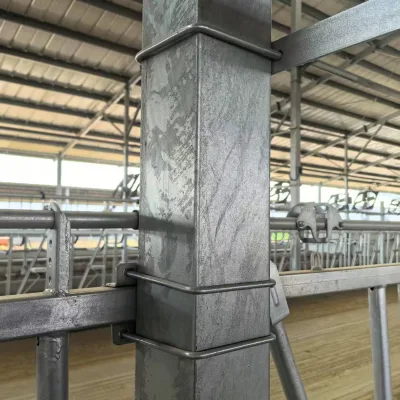


Portable Factory Price Heavy Duty Galvanized Easy Handling Sheep Turnover Crate
$300.00 - $500.00
MOQ: 1 Pieces



Comprehensive Sourcing Guide
Strategic Sourcing Guide for Portable CE Cattle Crates
Navigating the global market for portable cattle handling equipment requires a disciplined approach to verifying technical specifications, regulatory compliance, and supplier capabilities. The core keyword "Portable CE Cattle Crate" indicates a specific segment of agricultural machinery where safety, durability, and adherence to international standards are paramount. Buyers must distinguish between generic livestock fencing and specialized, certified handling units designed for efficient animal management. This guide synthesizes observed market data and technical attributes to provide a robust framework for procurement decisions, ensuring that the selected equipment meets operational needs without compromising on safety or regulatory requirements.
Technical Specifications and Structural Design
The engineering integrity of a portable cattle crate is defined by its material composition, dimensional stability, and structural configuration. Based on available product data, the primary material for these units is often Hot Dip Galvanized steel, a choice that directly addresses the corrosive environment of livestock facilities. This surface treatment is critical for longevity, as it prevents rust and degradation caused by constant exposure to moisture, manure, and cleaning agents. The structural framework frequently utilizes specific tube dimensions, such as 5050mm square tubes and 8040mm oval tubes, which provide the necessary rigidity to withstand the force of large animals during handling procedures.
Dimensional specifications vary significantly depending on the intended application, ranging from compact feeding units to larger transportable structures. Observed models indicate a wide range of sizes, including specific configurations like 1.35m long x 880mm wide x 960mm high for feeding tiers, while other heavy-duty units may reach dimensions of 18000*1800mm. The floor construction is another vital technical attribute; high-quality crates often feature a 2.5mm checker plate floor, which provides essential slip resistance for cattle, reducing the risk of injury during movement. Furthermore, the customization options available in the market allow buyers to specify the number of tiers, such as single-tier or double-size configurations, and the orientation of the structure, whether it is designed for one side or double-sided access.
The welding process employed in manufacturing also dictates the structural strength of the unit. Advanced robotic welding is increasingly common in high-end models, ensuring consistent weld quality and eliminating human error that could lead to structural weaknesses. This level of automation is particularly relevant for units intended for rigorous daily use. Additionally, the frame finishing process, often involving powder coating, adds an extra layer of protection and aesthetic consistency, though the galvanized finish remains the primary defense against corrosion.
Compliance, Certification, and Regulatory Standards
For buyers operating in international markets, particularly in regions like Australia and New Zealand, certification is not merely a formality but a legal and operational necessity. The presence of CE (Conformité Européenne) marking is a frequent observation in product listings, indicating compliance with European health, safety, and environmental protection standards. However, the certification landscape is broader than CE alone. Trusted product data suggests that suppliers may also hold ISO, ASTM, DOT, CCC, and ISO/TS certifications. These multiple certifications signal a manufacturer's commitment to adhering to diverse international quality and safety protocols.
When evaluating a supplier, buyers must verify the specific standard codes associated with the product. For instance, some units are listed with standard codes such as FQC0101218 or GVW 2000KG, which refer to specific quality control procedures or gross vehicle weight ratings. It is crucial to understand that "CE" in a product title does not automatically guarantee that every specific model meets the exact regulatory requirements of the buyer's local jurisdiction. The "DOT" certification, for example, is particularly relevant if the crate is intended for road transport, ensuring it meets Department of Transportation safety standards. Similarly, "CCC" indicates compliance with Chinese Compulsory Certification, which is essential for domestic sales in China but serves as an indicator of rigorous internal quality control for export markets.
Buyers should also scrutinize the "Condition" attribute, which is frequently listed as "New." While this seems straightforward, it is vital to confirm that "New" refers to the manufacturing state of the unit rather than a refurbished item. The "Warranty" period, often observed as 1 Year, provides a baseline for manufacturer confidence but should be evaluated alongside the specific terms of coverage. The "Brand Name" Aoxin is noted in the context of cattle equipment, serving as a reference point for buyers to research brand reputation and after-sales support, though the absence of a specific brand does not preclude a product from being high-quality.
Cost Drivers and Pricing Dynamics
The pricing of portable cattle crates is influenced by a complex interplay of material costs, manufacturing complexity, and logistical factors. The observed price range in the market is extensive, spanning from $7.07 to $3260 USD. This vast disparity highlights the difference between simple, lightweight feeding accessories and heavy-duty, fully fabricated handling systems. The lower end of the spectrum likely corresponds to smaller components or basic fencing elements, while the upper end reflects complete, robust units with advanced features like robotic welding, specialized flooring, and complex customization.
Material costs are a primary driver, with the use of Hot Dip Galvanized steel and specific tube dimensions (5050mm, 8040mm) significantly impacting the final price. The thickness of the checker plate floor (2.5mm) and the application of powder coating also add to the production cost. Furthermore, the "Customization" attribute plays a major role; units that require bespoke dimensions, specific tier configurations, or unique structural modifications will command a higher price than standard off-the-shelf models.
The Minimum Order Quantity (MOQ) is another critical cost factor. The observed MOQ range spans from 1 to 200 units. For small-scale farms or pilot projects, suppliers offering an MOQ of 1 are essential, though the unit price may be higher due to the lack of economies of scale. Conversely, larger agricultural operations can leverage higher MOQs, such as the 20 Sets observed for certain models, to negotiate better pricing. The "Selling Units" attribute, often listed as "Single item," suggests flexibility in purchasing, but bulk orders may unlock different pricing tiers. Buyers must also consider the "prod_packing" method, whether it is on a pallet, iron pallet, or in bulk, as packaging and shipping costs can significantly affect the total landed cost.
Typical Applications and Operational Use Cases
Portable cattle crates serve diverse functions across the agricultural spectrum, from routine health checks to large-scale livestock transport. The primary application is identified as "Farm, Livestock, Outdoor Fence, Animal Fencing," indicating their versatility in various on-farm settings. Specific use cases include "Feeding" operations, where the crate acts as a controlled feeding station to prevent aggressive competition among animals, and "Cattle equipment" for general handling and sorting.
The structural design often supports specific operational needs, such as "Cow Cages" for individual animal isolation or "Feeding" tiers for group management. The "Installation" method is frequently "Detachable," which is a crucial feature for portability, allowing the units to be easily assembled, disassembled, and transported between different locations on a farm or to different facilities. The "Dumping Direction" attribute, noted as "Backward" in some models, suggests that certain units may be part of a larger transport system, such as a dump trailer, where the crate integrates with the vehicle's mechanism for unloading.
The "Market" focus on Australia and New Zealand indicates that these products are designed to meet the specific climatic and regulatory demands of these regions, which often feature extensive livestock industries. The "Key Selling Points" of "Cattle equipment" emphasize the specialized nature of these units, distinguishing them from generic fencing. Buyers should match the crate's specifications, such as the "Tiers" (1 Tier) and "Type" (Feeding), to their specific operational workflow to ensure maximum efficiency.
Supplier Evaluation and Quality Control
Selecting a reliable supplier requires a thorough evaluation of their manufacturing capabilities and quality assurance processes. The "Location" of production, often cited as "Shandong, China," provides insight into the supply chain geography, with Shandong being a known hub for heavy machinery and agricultural equipment manufacturing. Buyers should verify the "prod_origin" to ensure it aligns with their sourcing strategy and any trade regulations they must comply with.
Quality control is evidenced by the "prod_standard" and "FQC" (Final Quality Control) references. The presence of specific standard codes like FQC0101218 suggests a structured approach to inspection before shipment. Buyers should request detailed quality control reports that verify the welding integrity, material thickness, and surface treatment quality. The "Condition: New" and "Warranty: 1 Year" attributes are standard indicators, but the depth of the warranty coverage should be clarified.
The "Frame Finishing" and "Surface Treatment" processes are critical indicators of quality. A supplier that utilizes "Robot" welding and "Powder Coated" finishes demonstrates a commitment to precision and durability. Buyers should also assess the "prod_packing" standards, such as "Iron Pallet" or "Steel Pallet," as these reflect the care taken during the shipping process to prevent damage. The "Max. Capacity" attribute, sometimes listed as "customzied" or "ask," requires direct communication with the supplier to determine the specific load limits of the unit.
Long-Term Procurement and Maintenance Considerations
Sourcing portable cattle crates is not a one-time transaction but a long-term investment in farm infrastructure. The "Warranty" period is a starting point, but buyers must consider the long-term maintenance requirements of the equipment. The "Hot Dip Galvanized" material and "Powder Coated" finishes are designed to minimize maintenance, but regular inspections for wear and tear, particularly on the "Floor" and "Welding" points, are essential.
The "Customization" availability offers a path for future-proofing the operation. As farm needs evolve, the ability to modify or expand the existing crate system can be more cost-effective than replacing the entire unit. Buyers should also consider the "Installation" process; detachable units require clear instructions and potentially specialized tools, which should be included in the procurement package.
Finally, the "Market" dynamics and "Lead Time" (though not explicitly quantified in the data, implied by the "MOQ" and "Location") should be factored into the procurement timeline. Suppliers with a strong presence in key markets like Australia and New Zealand may offer better logistical support and faster response times for spare parts or technical assistance. By focusing on these long-term factors, buyers can ensure that their investment in portable cattle crates delivers sustained value and operational efficiency.
Comparative Analysis of Key Product Attributes
To facilitate decision-making, the following table summarizes the key attributes observed in the market for portable cattle crates, highlighting the variability and specific features buyers should prioritize.
| Attribute Category | Observed Values / Options | Procurement Priority |
|---|---|---|
| Material | Hot Dip Galvanized, Steel | High (Corrosion Resistance) |
| Certification | CE, ISO, ASTM, DOT, CCC, ISO/TS | High (Regulatory Compliance) |
| Dimensions | 1.35m x 880mm x 960mm to 18000*1800mm | Medium (Fit for Purpose) |
| Tube Specs | Square 5050, Oval 8040 | High (Structural Integrity) |
| Flooring | 2.5mm Checker Plate | High (Safety/Slip Resistance) |
| Welding | Robot Welding | High (Consistency/Strength) |
| Customization | Available, Yes, Customized | Medium (Operational Fit) |
| Packing | Pallet, Iron Pallet, Bulk | Medium (Shipping Safety) |
| Warranty | 1 Year | Medium (Risk Mitigation) |
| Origin | China, Shandong | Low (Supply Chain) |
This comparative overview underscores the importance of matching specific technical attributes to the buyer's operational requirements. By rigorously evaluating these factors, procurement professionals can secure high-quality, compliant, and durable cattle handling equipment that enhances farm safety and efficiency.
FAQs
What certifications do portable ce cattle crates typically hold?
These units commonly hold CE, ISO, ASTM, DOT, CCC, and ISO/TS certifications. Buyers should verify specific standard codes like FQC0101218 or GVW 2000KG to ensure compliance with international safety and quality protocols for their target region.
How are the structural tubes dimensioned in these crates?
The framework frequently utilizes 50*50mm square tubes and 80*40mm oval tubes for rigidity. This specific tube configuration provides the necessary strength to withstand the force of large animals during handling procedures in farm environments.
Can I customize the tier configuration and size of the crate?
Yes, customization is available for tier configurations like single-tier or double-size options. Buyers can specify dimensions such as 1.35m long x 880mm wide x 960mm high or request other bespoke sizes to match their operational needs.
What material is used for the floor to prevent slipping?
High-quality crates feature a 2.5mm checker plate floor to provide essential slip resistance. This material choice reduces the risk of injury for cattle during movement and ensures durability against constant exposure to moisture and manure.
Where are these cattle crates typically manufactured?
Production is often located in Shandong, China, a known hub for heavy machinery. Buyers should verify the product origin to ensure it aligns with their sourcing strategy and any specific trade regulations they must comply with.
What is the minimum order quantity for purchasing these units?
The minimum order quantity ranges from 1 to 200 units depending on the supplier. Some models require an MOQ of 20 sets, while others allow single item purchases, affecting the unit price and economies of scale.
How are the crates packed for shipping and transport?
Packing methods include pallets, iron pallets, steel pallets, or bulk shipping. The specific packing type, such as industrial packing or iron pallets, is chosen to prevent damage during transit and reflects the care taken by the manufacturer.