Source Portable Handled Reusable Makeup Bag for Travel, Outdoor, and Household Use
Source a Portable Handled Reusable Makeup Bag from 30 verified options. Compare materials like PU, nylon, and canvas, along with waterproof features and customization services for professional, camping, and daily travel needs.
Key considerations
Products List


Portable Handle Canvas Reusable Cotton Makeup Bag Cosmetic Storage Bag for Travel
$1.71 - $1.99
MOQ: 100 Pieces
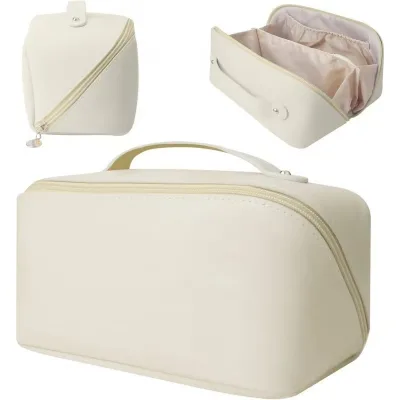


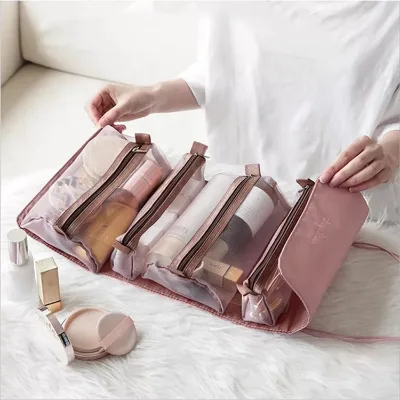
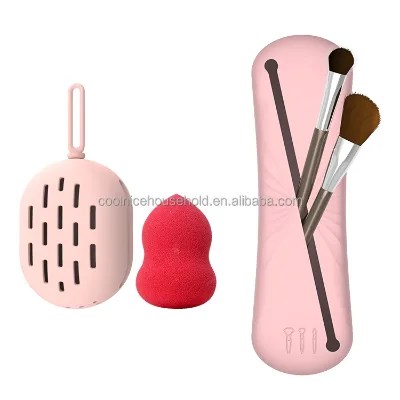


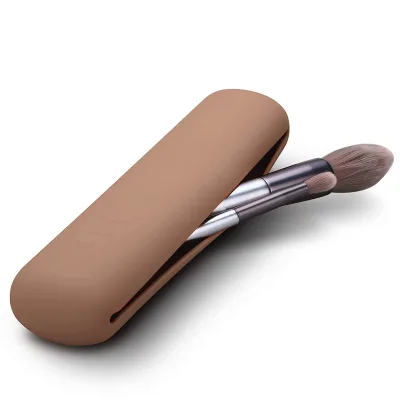


Portable Makeup Bag with Adjustable Dividers, Makeup Brush Holder Storage
$5.00 - $6.00
MOQ: 300 Pieces


Comprehensive Sourcing Guide
Portable Handled Reusable Makeup Bag Sourcing Guide
Sourcing portable handled reusable makeup bags requires a strategic balance between aesthetic customization, material durability, and functional utility. These products serve as essential accessories for travelers, professionals, and households, offering a structured solution for organizing cosmetics, toiletries, and small personal items. The market offers a diverse range of options, from compact pouches to larger, multi-compartment organizers, each designed to meet specific user needs regarding capacity, portability, and style. Buyers must navigate a landscape where customization is not just an option but a standard expectation, allowing for brand integration through logos, colors, and specific structural designs.
The procurement process for these items involves evaluating multiple variables, including material composition, hardware quality, and production capabilities. Suppliers often provide extensive customization options, such as silk screen printing, foil bronzing, and heat transfer techniques, which are critical for promotional and retail branding. Understanding the technical specifications, such as zipper types, waterproofing levels, and internal lining materials, is vital for ensuring the final product meets the end-user’s expectations for longevity and performance. This guide outlines the key considerations for sourcing high-quality, reusable makeup bags that align with commercial goals and quality standards.
Product Scope and Observed Listing Signals
The observed product landscape for portable handled reusable makeup bags reveals a wide spectrum of materials and design features. Common materials include PU leather, nylon, canvas, and genuine leather, each offering distinct advantages in terms of durability, weight, and aesthetic appeal. For instance, PU and nylon options often provide waterproof characteristics suitable for travel and outdoor use, while canvas and genuine leather may prioritize a more premium or natural look. The presence of handles, such as hanging features or structured horizontal square shapes, enhances portability and ease of access, making these bags suitable for various settings, from professional use to camping and traveling.
Listing signals indicate that customization is a dominant theme, with many suppliers offering OEM and ODM services. Buyers can expect to find products with customizable sizes, colors, and logos, catering to both small orders and bulk procurement needs. The observed price range and MOQ values suggest flexibility in sourcing, with some suppliers accepting orders as low as one piece, which is ideal for sampling or small-scale promotional campaigns. However, larger orders may require higher MOQs, typically around 100 pieces, reflecting the economies of scale in production. Understanding these signals helps buyers align their procurement strategy with supplier capabilities and market demands.
Technical Specifications to Verify
When evaluating technical specifications, the type of zipper and its functionality are critical factors. Double-open zippers are a common feature, providing easy access to the contents of the bag from both ends, which is particularly useful for organizing and retrieving items quickly. The hardness of the bag, often described as medium soft, offers a balance between structure and flexibility, allowing the bag to maintain its shape while being easy to pack and carry. Buyers should verify the specific model numbers, such as SU-CMT-197 or SU-CMT-180, to ensure consistency in design and quality across orders, as these identifiers often correspond to specific material and structural configurations.
Internal and external material compositions also require careful verification. The inside material is frequently polyester, which provides a smooth lining that protects cosmetics from snagging and makes cleaning easier. External materials vary, with options like PU, nylon, canvas, and genuine leather, each affecting the bag’s weight, durability, and water resistance. Additionally, the size of the bag, whether customized or standard dimensions like 2312.511.5cm, must align with the intended use case. Buyers should confirm these specifications with suppliers to ensure that the product meets the functional requirements for capacity, portability, and aesthetic appeal.
Compliance and Safety Documentation
While specific certification statuses are not universally applicable to all makeup bags, buyers should prioritize suppliers who adhere to recognized quality and safety standards. The presence of ISO 27001 certification, although primarily related to information security, may indicate a supplier’s commitment to robust management systems, which can indirectly reflect their operational reliability. However, for physical products, buyers should focus on material safety certifications, such as those ensuring that leather, PU, or fabric materials are free from harmful substances like azo dyes or heavy metals. These certifications are crucial for products that come into direct contact with skin or personal care items.
Documentation should also include details on the manufacturing process and quality control measures. Suppliers should provide clear information on their customized processing capabilities, ensuring that any modifications to design or material are executed with precision. Buyers should request samples to verify the quality of printing, such as silk screen or foil bronzing, and to assess the durability of the handles and zippers. Additionally, understanding the sample time, which is typically around five to seven days after design confirmation, allows buyers to plan their procurement timeline effectively and make necessary adjustments before committing to large orders.
Cost Drivers and Commercial Terms
The cost of portable handled reusable makeup bags is influenced by several factors, including material choice, customization complexity, and order volume. Premium materials like genuine leather or specialized waterproof fabrics will naturally command higher prices compared to standard PU or canvas options. Customization features, such as unique shapes, multiple compartments, or intricate printing designs, also add to the production cost. Buyers should be aware that while some suppliers offer low MOQs and competitive pricing for small orders, larger volumes may benefit from economies of scale, resulting in lower per-unit costs.
Commercial terms, including payment methods, shipping arrangements, and return policies, should be clearly defined in the procurement agreement. Suppliers often accept small orders, which can be advantageous for testing the market or fulfilling immediate needs, but buyers should verify the associated costs and lead times. The packing method, typically each piece in an OPP bag, is a standard practice that ensures product protection during transit. Buyers should also consider the total landed cost, including shipping and customs duties, to accurately assess the profitability of their procurement strategy.
Supplier Qualification and Quality Control
Supplier qualification is a critical step in ensuring the reliability and quality of portable handled reusable makeup bags. Buyers should assess suppliers based on their production capabilities, customization options, and track record in the industry. Suppliers that offer OEM and ODM services demonstrate flexibility and expertise in meeting diverse client needs. Additionally, the availability of samples allows buyers to evaluate the product quality firsthand, checking for consistency in materials, stitching, and hardware functionality. Suppliers with a reputation for high-quality products, as indicated by customer reviews or industry certifications, are generally more reliable partners.
Quality control measures should be integrated into the procurement process to minimize defects and ensure product consistency. Buyers should establish clear quality standards and communicate them to suppliers, including specifications for materials, dimensions, and finishing. Regular inspections, either through third-party agencies or in-house teams, can help identify and address issues early in the production process. Suppliers that provide detailed information on their quality control processes, such as material testing and final product inspections, offer greater assurance of product reliability. Building a strong relationship with suppliers based on transparency and mutual trust is essential for long-term success.
Long-Term Procurement Checks
Long-term procurement success depends on continuous monitoring and evaluation of supplier performance and product quality. Buyers should establish key performance indicators (KPIs) to track metrics such as on-time delivery, defect rates, and customer satisfaction. Regular feedback loops with suppliers can help identify areas for improvement and foster a collaborative relationship. Additionally, staying informed about market trends and consumer preferences allows buyers to adapt their product offerings to meet changing demands. This proactive approach ensures that the sourced makeup bags remain competitive and relevant in the market.
Sustainability and ethical sourcing practices are increasingly important considerations for long-term procurement. Buyers should prioritize suppliers who demonstrate commitment to environmental responsibility, such as using eco-friendly materials or implementing sustainable manufacturing processes. This not only aligns with growing consumer demand for sustainable products but also mitigates potential risks associated with regulatory changes or reputational damage. By integrating sustainability into their procurement strategy, buyers can enhance their brand value and build a resilient supply chain that supports long-term growth and success.
FAQs
Can I order small quantities of portable handled reusable makeup bags?
Yes, small orders are accepted with a minimum of one piece for some models. Other listings require a minimum order quantity of 100 pieces depending on the specific product model and customization needs.
What materials are used for portable handled reusable makeup bags?
These bags are constructed from various materials including PU, Nylon, Canvas, and Genuine Leather. The inside material is often Polyester to ensure durability and structure for the user.
How long does it take to receive a sample of the makeup bag?
Sample time is approximately five days after confirming the design. Some suppliers indicate a sample window of five to seven days depending on the specific customization requirements.
Which features are available for portable handled reusable makeup bags?
Available features include waterproof protection, double open zippers, and hanging capabilities. Some models are designed for outdoor use while others are suitable for household or professional applications.
What customization options exist for the makeup bag brand and logo?
Customization is available for brand names, logos, colors, and printing methods like silk screen or foil bronzing. OEM and ODM services are all available to meet specific buyer requirements.
Where are the portable handled reusable makeup bags manufactured?
The products originate from China, specifically from the Guangdong region. This location serves as the primary place of origin for the listed models and specifications.