Source Portable Heating LED Eye Massager for fatigue relief, skin care, and travel
Explore 30 listings for the Portable Heating LED Eye Massager featuring vibration, heat compression, and LED light therapy. Buyers can compare models with ABS construction, USB rechargeable power, and OEM support from manufacturers in China.
Key considerations
Products List


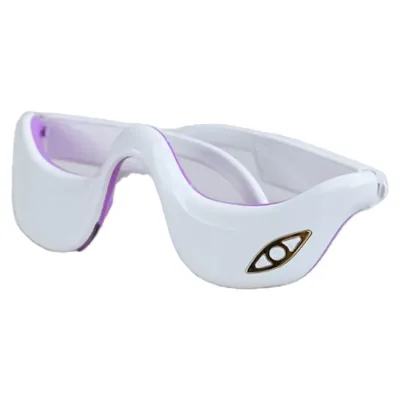
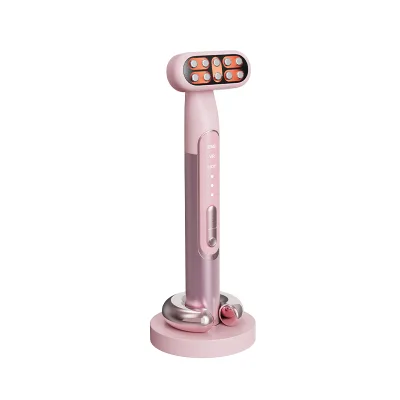
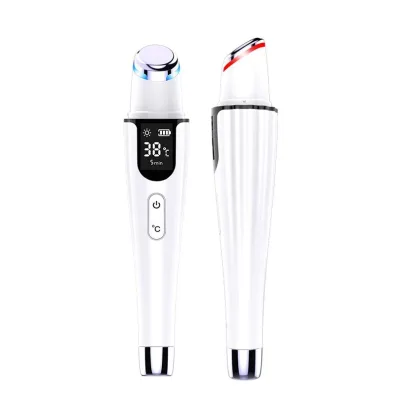
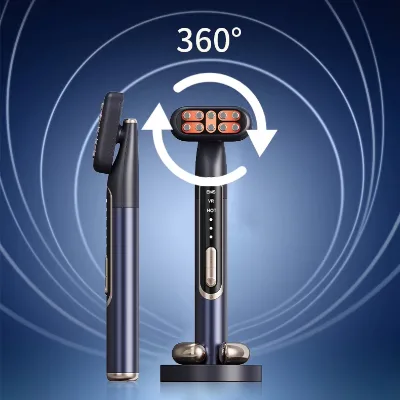


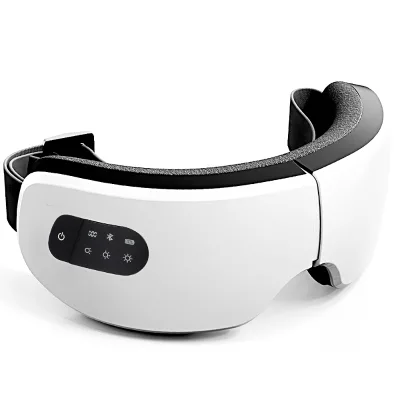

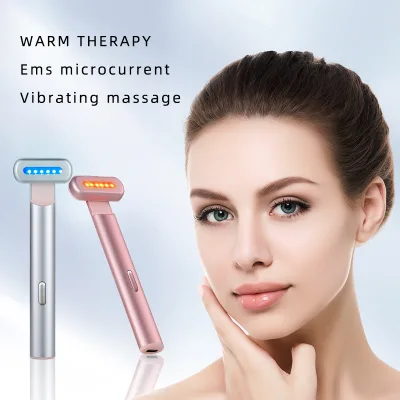
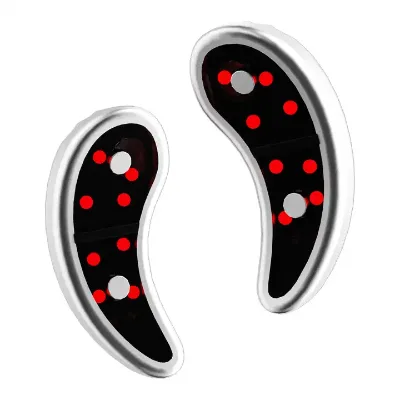
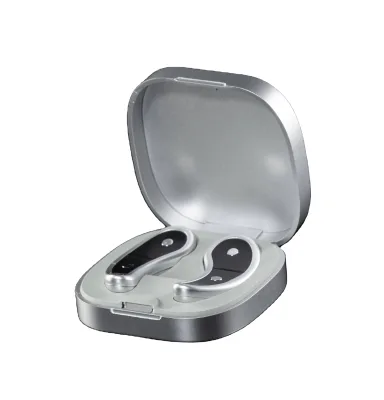
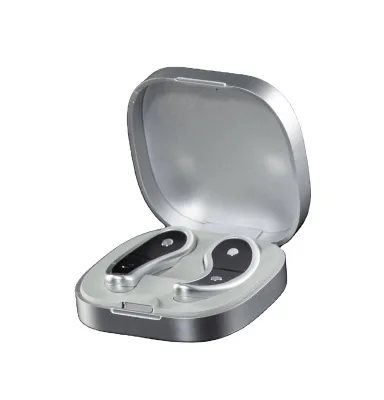

Rechargeable Heating Vibrating Wireless Eye Massager Music Eyes Care Massager
$0.00 - $0.00
MOQ: 20 Pieces


Comprehensive Sourcing Guide
Strategic Sourcing Guide for Portable Heating LED Eye Massagers
The global demand for portable personal care devices has surged, with the Portable Heating LED Eye Massager emerging as a high-potential category for B2B procurement. These devices integrate multiple therapeutic modalities, including vibration, heat compression, and LED light therapy, to address visual fatigue and aesthetic concerns. For procurement professionals, navigating this market requires a disciplined approach to verifying technical specifications, understanding compliance landscapes, and evaluating supplier capabilities without relying on unverified marketing claims. This guide synthesizes observed product attributes and industry standards to provide a robust framework for sourcing decisions.
Technical Architecture and Functional Specifications
Understanding the core technical architecture is the first step in defining product requirements. The observed market data indicates that these devices typically rely on a combination of mechanical and optical technologies. The primary actuation principle is vibration, which is often paired with heat compression to enhance blood circulation in the periorbital area. Some advanced models incorporate EMS (Electrical Muscle Stimulation) as a tertiary function, aiming to tone the muscles around the eyes while simultaneously addressing dark circles and wrinkles.
Material composition is a critical differentiator. High-quality units frequently utilize a blend of ABS plastic and stainless steel. The ABS component provides the necessary structural integrity and lightweight portability, while the stainless steel elements often contribute to the thermal mass required for effective heat compression. The power supply mode is predominantly USB rechargeable, with observed battery capacities ranging around 1200mAh. This capacity supports a typical usage cycle of 15 minutes, with a charging time generally falling between 2 to 3 hours.
The physical form factor is consistently designed as a handheld or wearable unit. Packaging dimensions vary, with observed single package sizes ranging from approximately 11x19x7 cm to 18x18x18 cm, indicating a need for flexible logistics planning. The devices are generally not waterproof, a crucial safety specification that buyers must communicate to end-users to prevent damage. Furthermore, the power interface often requires specific plug types, such as AU standards, which necessitates careful verification of regional compatibility before bulk ordering.
| Feature Category | Observed Specifications | Verification Requirement |
|---|---|---|
| Core Principle | Vibration, Heat, LED Light | Confirm efficacy of heat transfer and light wavelength |
| Material | ABS, ABS+Stainless Steel | Verify material grade for skin safety and durability |
| Power Source | Electric, USB Rechargeable | Check battery capacity (e.g., 1200mAh) and charging time |
| Functionality | Relieve Visual Fatigue, EMS, Wrinkle Remover | Validate specific claims against clinical or lab data |
| Safety | Waterproof: No | Ensure user manuals clearly state water avoidance |
| Packaging | Color Box/Carton | Confirm dimensions for shipping volume optimization |
Compliance, Certification, and Regulatory Standards
Navigating the regulatory landscape is essential for importing these devices into international markets. The observed product data highlights specific certifications, such as CE, which indicates compliance with European health, safety, and environmental protection standards. Buyers must treat these certifications as observations of specific listings rather than universal guarantees for all products in the category. It is imperative to request valid, up-to-date certification documents for the specific model number being sourced, as regulatory requirements can vary significantly by region.
While some background knowledge suggests the relevance of RoHS (Restriction of Hazardous Substances), this should not be assumed as a confirmed attribute for every listing. Instead, procurement teams should explicitly verify RoHS compliance to ensure the device does not contain restricted hazardous materials, particularly given the electrical and battery components involved. The product standard designation "N" or specific numerical values like "0.27" observed in listings are not universally recognized standards; therefore, buyers must clarify what these codes represent. Are they internal manufacturer codes, or do they refer to specific international safety standards? Without explicit clarification, these values should be treated as non-binding observations.
Battery safety is another critical compliance area. With rechargeable lithium-ion or similar batteries, compliance with transport regulations (such as UN38.3) and local electrical safety standards is mandatory. The warranty period observed in the market is typically one year, which serves as a baseline for after-sales service expectations. However, the actual warranty terms should be negotiated based on the supplier's track record and the specific risk profile of the product.
Cost Drivers and Pricing Dynamics
The pricing structure for portable heating LED eye massagers is influenced by several variable factors. The observed price range in the market spans from 0 to 60 USD, a wide variance that reflects differences in material quality, feature sets, and brand positioning. Lower-priced units may rely solely on basic vibration and heat functions with standard ABS materials, while higher-priced models often include EMS technology, premium stainless steel accents, and more sophisticated LED control systems.
Material costs are a primary driver. The inclusion of stainless steel alongside ABS increases the bill of materials compared to all-plastic alternatives. Additionally, the battery capacity and the complexity of the charging circuitry contribute to the unit cost. The packaging also plays a role; units shipped in color boxes with custom branding will incur higher packaging costs than those in generic cartons.
Minimum Order Quantity (MOQ) is another significant cost determinant. The market shows an MOQ range from 2 pieces to 500 pieces. Suppliers offering low MOQs, such as 2 pieces, are often more flexible for sampling or small-batch testing but may charge a higher unit price. Conversely, suppliers with higher MOQs typically offer better economies of scale but require a larger upfront capital commitment. Buyers must balance the need for inventory flexibility against the desire for lower per-unit costs. The "Selling Units" are typically listed as single items, meaning the MOQ applies to the number of individual units rather than cases, which simplifies initial order calculations.
Supplier Evaluation and Customization Capabilities
When evaluating potential suppliers, it is crucial to assess their capacity for customization and their operational flexibility. The observed data confirms that customization is available for many products in this category, with suppliers supporting OEM (Original Equipment Manufacturer) and ODM (Original Design Manufacturer) services. This capability allows buyers to brand the device with their own logo, modify the color scheme (e.g., white and purple combinations), and potentially adjust the packaging design.
The "Brand Name" field in product listings varies, with examples like "Handsomely" and "Qingying" appearing. However, buyers should not assume that a listed brand name is the only option. The support for OEM/ODM implies that the supplier is willing to produce white-label goods. Verification of this capability should include a request for a portfolio of previous custom projects to ensure the supplier has the technical expertise to execute specific design changes without compromising quality.
Geographic origin is another factor in supplier selection. The observed data points to production in Fujian and Guangdong, China. These regions are established hubs for electronics manufacturing, offering a mature supply chain and skilled labor. However, buyers should verify the specific factory location to ensure it aligns with their ethical sourcing policies and logistical preferences. The "Place of Origin" should be clearly stated in the contract to avoid ambiguity regarding the manufacturing source.
Quality Control and Performance Verification
Quality control (QC) is paramount when sourcing electronic personal care devices. The observed attributes, such as "Shelf Life: 1 year" and "After-sale Service: Online Technical Support," provide a baseline for product longevity and support. However, these are observations and should not be taken as absolute guarantees. Buyers must implement a rigorous QC protocol that includes pre-shipment inspections.
Key performance indicators to verify include the consistency of heat output, the intensity of vibration, and the accuracy of the timing duration (typically 15 minutes). The "Single gross weight" observed ranges from 1.500 kg to 1.600 kg, which serves as a useful metric for checking packaging consistency. Significant deviations from this weight could indicate missing components or packaging errors.
Furthermore, the "Waterproof: NO" attribute necessitates specific testing to ensure that the device does not inadvertently become water-resistant in a way that could mislead consumers, or conversely, that it fails to protect internal components from minor humidity. Buyers should request test reports for electrical safety, battery performance, and material durability. The "Certification: ce" mentioned in the data is a starting point, but additional testing for the specific target market (e.g., FCC for the US, PSE for Japan) may be required.
Long-Term Procurement and Operational Considerations
Sourcing decisions should extend beyond the initial transaction to consider long-term operational viability. The "Warranty: 1 Year" is a standard offering, but the reliability of the supplier in honoring this warranty is critical. Buyers should establish clear communication channels for after-sales support, such as the "Online Technical Support" observed in the market. This ensures that any technical issues, such as battery degradation or LED failure, can be addressed promptly.
Inventory management is also a key consideration. With a "Timing Duration" of 15 minutes and a "Charging Time" of 2-3 hours, the product is designed for short, frequent use. This usage pattern suggests a steady demand, but buyers must manage their stock levels to avoid stockouts during peak seasons. The "Single package size" and "prod_packing" details are essential for calculating storage requirements and shipping costs.
Finally, the "Type: Eye Massage" and "Application: EYE" confirm the specific use case. Buyers should ensure that marketing materials and product descriptions accurately reflect these applications to avoid regulatory issues related to medical claims. While the product may have features like "Wrinkle Remover" and "Face Lift," these should be framed as cosmetic benefits rather than medical treatments unless specific medical device certifications are obtained. By adhering to these guidelines, buyers can build a sustainable supply chain for portable heating LED eye massagers that meets quality standards and market expectations.
FAQs
What functions does the Portable Heating LED Eye Massager provide?
The device primarily relieves visual fatigue using vibration and heat compression. Some models also include LED light therapy and EMS for wrinkle removal and dark circle reduction, offering a multi-modal approach to eye care.
Can I customize the product with my own brand name?
Yes, customization is available with OEM and ODM support for this category. Buyers can typically request specific branding, color schemes like white and purple, and packaging adjustments to match their business requirements.
What is the typical charging time and battery capacity?
The charging time generally falls between 2 to 3 hours for a full charge. Most units feature a battery capacity around 1200mAh, which supports a standard usage cycle of approximately 15 minutes per session.
Which certifications are commonly observed for these devices?
CE certification is frequently observed in product listings, indicating compliance with European safety standards. Buyers should verify specific documentation for each model, as other standards like RoHS may not be universally confirmed without explicit verification.
What is the minimum order quantity for sourcing these massagers?
The minimum order quantity ranges from 2 pieces to 500 pieces depending on the supplier. Lower MOQs allow for sampling, while higher volumes often provide better economies of scale for bulk procurement needs.
Are these devices waterproof for safe use near water?
No, the observed products are not waterproof and should not be exposed to water. Users must be instructed to avoid moisture to prevent damage to the internal electronic components and battery systems.
Where are the manufacturers of these devices located?
Production is primarily located in Fujian and Guangdong, China, which are established electronics manufacturing hubs. Buyers should verify the specific factory location to ensure alignment with their ethical sourcing and logistical preferences.
What materials are used to construct the device body?
High-quality units typically utilize a blend of ABS plastic and stainless steel. The ABS provides structural integrity while the stainless steel contributes to the thermal mass required for effective heat compression therapy.