Source Portable Hanging Orbital Welding Trolley for Tanks, Pipes, and Vessels
Explore 30 listings for the Portable Hanging Orbital Welding Trolley designed for tank construction, pipe welding, and vessel fabrication. Buyers can compare specifications like walking speed, power supply, and welding forms to find the right automation solution; compare the available evidence and request quotations based on your requirements.
Key considerations
Products List


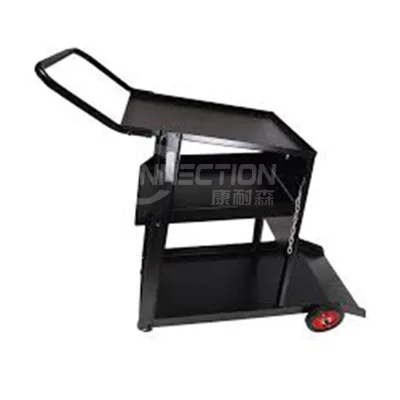
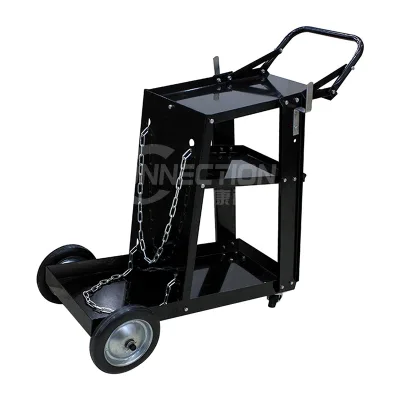
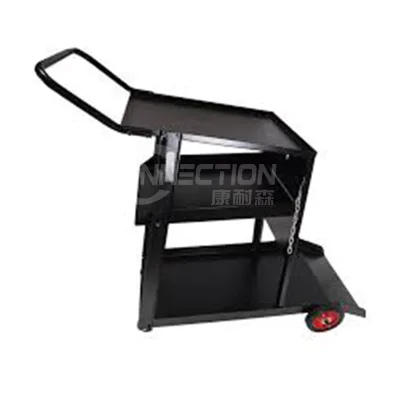
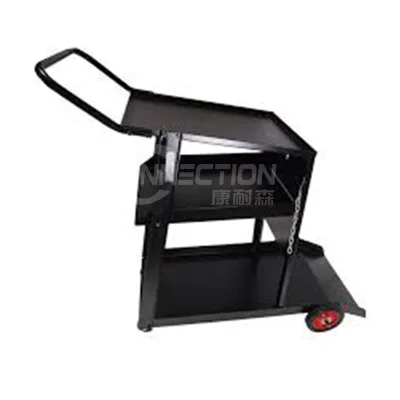
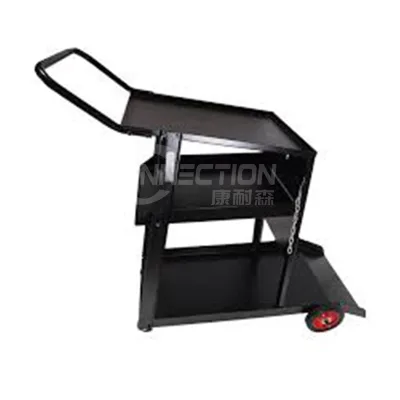
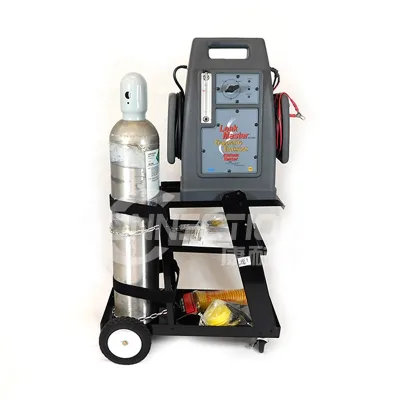
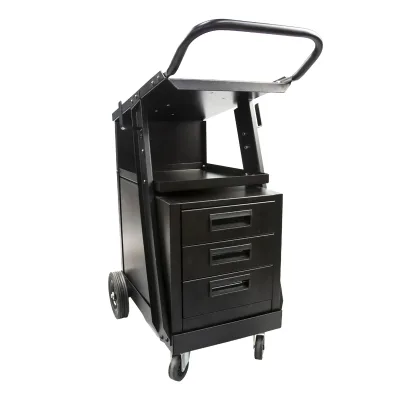


Universal Usage Welding Carts for MIG/TIG Welder and Plasma Cutter Welder
$19.00 - $22.00
MOQ: 100 Pieces


Durable Saw Welding Trolley Factory Price Portable Welding Cart for Submerged Arc Welder
$999.00 - $10000.00
MOQ: 1 Pieces

China Low Cost Easy Operate Welding Trolley for Carbon Steel Pipe Welding Work
$650.00 - $780.00
MOQ: 1 Pieces


Auto Pipe MIG Welder / Magnetic Welding Trolley for Pipeline Construction & Vessel Welding
$750.00 - $800.00
MOQ: 1 Pieces
Comprehensive Sourcing Guide
Portable Hanging Orbital Welding Trolley Sourcing Guide
Selecting the right Portable Hanging Orbital Welding Trolley requires a careful balance of mechanical precision, power compatibility, and operational flexibility. These specialized devices are engineered to automate circumferential welding on pipes and tanks, significantly reducing manual labor while ensuring consistent weld quality. Buyers must prioritize equipment that aligns with their specific material thicknesses and joint configurations, as the trolley’s track system and drive mechanism dictate the achievable welding speed and seam integrity. Understanding the distinction between continuous seam welders and orbital units is critical for matching the tool to the production environment.
The procurement process involves evaluating multiple variables, including voltage requirements, cooling methods, and customization options. Since these machines often operate in challenging industrial settings, features such as air cooling and automatic control systems enhance reliability and reduce downtime. Buyers should also consider the weight and portability of the unit, as lighter models facilitate easier installation on vertical or horizontal tracks. By focusing on these core technical attributes, procurement teams can identify suppliers who offer robust solutions tailored to high-efficiency welding operations without compromising on safety or performance standards.
Product Scope and Observed Listing Signals
The current market for portable hanging orbital welding trolleys presents a diverse range of models, with observed prices spanning from $19 to $10,000 USD. This wide variance reflects differences in automation levels, power sources, and build quality. Minimum order quantities (MOQs) typically range from 1 to 200 units, indicating that suppliers accommodate both single-unit trials and bulk industrial deployments. Buyers should note that lower-priced options may lack advanced features such as automatic walking speeds or specialized track materials, while higher-end models often include comprehensive warranties and technical support services.
Listing signals reveal that many suppliers offer customization options, allowing buyers to tailor specifications to their unique production needs. Common attributes include automatic control systems, air cooling mechanisms, and compatibility with both AC and DC electric currents. The observed product models, such as the KA-HE8 and WHL-III, suggest a variety of drive styles, including rack and pinion systems, which are essential for precise movement along welding tracks. Additionally, the presence of export packaging and origins from regions like Jiangsu, China, highlights the global supply chain dynamics inherent in this sector.
Technical Specifications to Verify
When evaluating technical specifications, buyers must verify the welding form capabilities, which often include flat, vertical, and horizontal welding configurations. The walking speed is a critical parameter, with observed ranges extending up to 1000mm, ensuring efficient coverage of large circumferences. Track length and material are also vital; aluminum alloy rack tracks are commonly used for their durability and lightweight properties, while track lengths of 1500mm provide sufficient reach for standard pipe diameters. Buyers should confirm that the trolley’s dimensions, such as 245x520x290 mm, fit within their workspace constraints.
Power supply and voltage requirements must align with the facility’s infrastructure, as models may operate on AC 220V, DC 24V, or other configurations. The welding speed, observed between 50 and 1250mm/min, directly impacts production throughput, so buyers should select units that match their desired cycle times. Additionally, features like high-efficiency automatic welding robot capabilities and forming times of 2-5 seconds indicate advanced automation levels. Verifying the weight of the unit, which can range from 10.4 kg to 18 kg, ensures that the trolley can be safely handled and installed by the available workforce.
Compliance and Safety Documentation
Compliance and safety documentation are paramount when sourcing industrial welding equipment, even if specific certifications like CE are only noted with low confidence. Buyers should request detailed safety manuals that outline operational procedures, emergency stop protocols, and maintenance guidelines. These documents should confirm that the equipment meets relevant international safety standards for electrical machinery and automated systems. Verifying the presence of proper labeling, warning stickers, and user instructions in English or other required languages is essential for safe operation in diverse work environments.
Warranty terms and after-sales service provisions are critical components of the compliance framework. Observed warranties of 12 months or one year indicate a baseline level of manufacturer confidence, but buyers should clarify the scope of coverage, including parts and labor. After-sales support, such as video technical assistance, can be invaluable for troubleshooting operational issues without requiring on-site visits. Buyers must ensure that the supplier provides clear channels for communication and that replacement parts are readily available to minimize downtime in case of equipment failure.
Cost Drivers and Commercial Terms
Cost drivers for portable hanging orbital welding trolleys include the complexity of the drive mechanism, the quality of materials used, and the level of automation. Models with rack and pinion drives and automatic control systems typically command higher prices due to their precision and efficiency. Power consumption, indicated by power ratings such as 5 kW, also influences operational costs, so buyers should consider energy efficiency when evaluating total cost of ownership. Customization options, such as specific track lengths or voltage configurations, may incur additional charges, so it is important to clarify all potential fees upfront.
Commercial terms should be carefully negotiated to protect the buyer’s interests. Payment terms, shipping methods, and lead times should be explicitly stated in the contract. Buyers should verify whether the supplier offers export packaging to ensure safe transit, as indicated by observed product attributes. Additionally, understanding the return policy and defect resolution process is crucial for mitigating risks associated with international procurement. Clear communication regarding these terms helps prevent misunderstandings and ensures a smooth transaction process.
Supplier Qualification and Quality Control
Supplier qualification involves assessing the manufacturer’s reputation, production capabilities, and quality control processes. Buyers should verify the supplier’s experience in manufacturing welding equipment and their ability to provide consistent product quality. Requesting references from previous clients can provide insights into the supplier’s reliability and customer service. Additionally, buyers should inquire about the supplier’s quality assurance protocols, including inspection procedures and testing standards, to ensure that each unit meets specified performance criteria before shipment.
Quality control measures should extend beyond the final product to include raw material sourcing and component manufacturing. Buyers should confirm that the supplier uses high-quality materials, such as aluminum alloy for tracks and durable metals for structural components. Verifying the supplier’s adherence to international manufacturing standards can further enhance confidence in the product’s longevity and performance. Establishing a clear communication channel with the supplier allows for ongoing monitoring of production progress and timely resolution of any issues that may arise during the manufacturing process.
Long-Term Procurement Checks
Long-term procurement checks focus on the sustainability of the supplier relationship and the ongoing performance of the equipment. Buyers should establish regular review cycles to assess the trolley’s operational efficiency, maintenance requirements, and overall return on investment. Monitoring key performance indicators, such as welding speed consistency and defect rates, helps identify potential issues early and allows for proactive maintenance planning. Additionally, staying informed about technological advancements in the welding industry can guide future upgrades or replacements, ensuring that the procurement strategy remains aligned with evolving production needs.
Building a strong relationship with the supplier is essential for long-term success. Buyers should maintain open lines of communication to discuss feedback, share operational insights, and explore opportunities for collaboration. Regularly reviewing warranty claims and after-sales service responses can provide valuable data on the supplier’s commitment to customer satisfaction. By prioritizing these long-term checks, buyers can ensure that their investment in portable hanging orbital welding trolleys continues to deliver value and support their operational goals over time.
FAQs
What customization options are available for this welding carriage?
Customization is available for this Portable Hanging Orbital Welding Trolley to meet specific project needs. Buyers can request tailored specifications such as track length or weight capacity. The product supports various welding forms including flat, vertical, and horizontal welding. This flexibility ensures the equipment adapts to different tank construction requirements effectively.
How does the automatic control system function during operation?
The automatic control system manages the welding process with precision using a rack and pinion drive. It enables walking speeds ranging from 0 to 1000mm per minute for consistent seam welding. The unit operates with air cooling and supports both AC and DC electric currents depending on the model. This ensures stable performance during continuous seam welding tasks.
Which materials can this welding carriage process effectively?
This carriage is designed to weld carbon steel, stainless steel, and various other metal types. The track material is an aluminum alloy rack, providing durability for heavy-duty applications. It is suitable for tank construction and pipe welding machines requiring high efficiency. The system handles multiple materials without compromising the quality of the weld seam.
Can the unit be used for vertical and horizontal welding positions?
Yes, the unit supports flat, vertical, and horizontal welding forms for versatile application. It features a magnetic attraction fixed way for secure mounting on various surfaces. The walking speed and power supply allow for precise control in different orientations. This capability makes it ideal for complex tank construction projects requiring multi-position welding.
What are the key specifications for the KA-HE8 model?
The KA-HE8 model features a track length of 1500mm and weighs 18kg for portability. It operates with a power supply of AC 220V and includes a 12-month warranty. The dimensions are 245 by 520 by 290 mm, fitting standard export packages. This model is optimized for high-efficiency automatic welding robot functions in industrial settings.
How is the welding speed controlled on this portable trolley?
Welding speed is controlled via an automatic system ranging from 50 to 1250mm per minute. The unit utilizes a rack and pinion drive for smooth and accurate movement along the track. This speed range accommodates various welding forms and material thicknesses effectively. Operators can adjust settings to match specific project requirements for optimal results.
What warranty and after-sales support are provided for this equipment?
The equipment comes with a 12-month warranty and offers video technical support for after-sales service. Buyers can rely on the manufacturer for assistance with installation and operational issues. The product is new and designed for long service life in demanding environments. This support ensures minimal downtime and sustained performance for tank construction applications.