Source Portable Steel Resistance Band Bar for Gym Training
Compare 30 Portable Steel Resistance Band Bar options from verified suppliers. Buyers can evaluate resistance levels, materials, and customization features for fitness training, bodybuilding, and indoor workout applications to find the right equipment; compare the available evidence and request quotations based on your requirements.
Key considerations
Products List
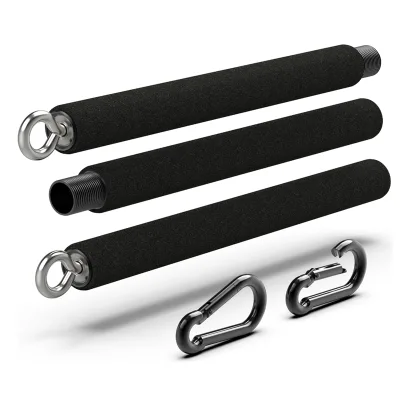


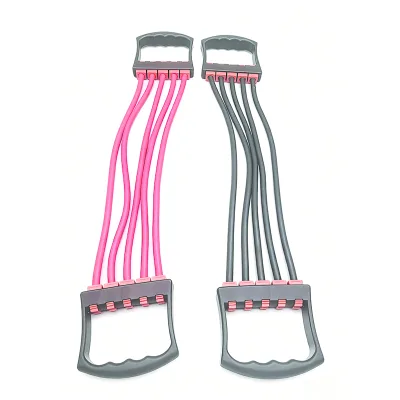


Comprehensive Sourcing Guide
Portable Steel Resistance Band Bar Sourcing Guide
Sourcing portable steel resistance band bars requires a nuanced understanding of hybrid fitness equipment that combines rigid structural integrity with elastic tension. These devices are designed to provide variable resistance training, allowing users to engage multiple muscle groups through a full range of motion. The core appeal lies in their portability and versatility, making them suitable for both commercial gym environments and home-based workout routines. Buyers must recognize that this category bridges the gap between traditional free weights and flexible resistance bands, offering a unique training experience that demands specific material and construction standards.
The market for these products is characterized by a wide variance in quality, materials, and intended use cases. Procurement teams need to distinguish between entry-level consumer models and professional-grade equipment designed for high-frequency commercial use. Key differentiators include the type of steel used for the bar, the quality of the electroplating or coating, and the durability of the attachment points for the resistance bands. Understanding these distinctions is critical for aligning product selection with the target demographic, whether that be fitness enthusiasts seeking home solutions or gym owners looking to expand their equipment inventory with space-saving options.
Product Scope and Observed Listing Signals
Current market listings indicate a diverse range of product configurations, with observed price points spanning from approximately $1.15 to $3,240 USD. This broad spectrum reflects significant differences in material quality, brand positioning, and included accessories. Minimum order quantities (MOQs) typically range from 1 to 1,000 units, suggesting flexibility for both small-scale retailers and large distributors. Buyers should note that lower price points often correlate with basic specifications, while higher tiers may include premium finishes, custom branding, or enhanced durability features. It is essential to evaluate the total value proposition rather than focusing solely on the unit price.
Product attributes observed in listings include various model numbers such as DLT01, pilates02, BDB-092, and GL-HEXBAR009, indicating a fragmented market with multiple manufacturers and design variations. Materials cited range from standard steel and spring steel to TPE components, highlighting the need for careful verification of composition. Some listings specify resistance levels up to 150lbs, while others focus on weight classes like 3kg or 10kg. These variations suggest that buyers must clearly define their performance requirements before engaging with suppliers, as the term "Portable Steel Resistance Band Bar" encompasses a wide array of technical specifications and functional capabilities.
Technical Specifications to Verify
When evaluating technical specifications, the material composition of the bar is a primary concern. Listings mention materials such as steel, spring steel, and TPE, each offering distinct benefits in terms of durability, flexibility, and user comfort. Buyers should verify the exact grade of steel used, as this directly impacts the bar's tensile strength and resistance to bending under load. Additionally, the presence of electroplating processes, as noted in some listings, is crucial for preventing rust and corrosion, especially in humid gym environments. Confirming the thickness and diameter of the bar, with some specifications citing dimensions like 10333cm, ensures compatibility with standard resistance bands and user grip preferences.
Structural integrity and weight distribution are equally important factors. Specifications such as a single gross weight of 1.5 kg or a bar weight greater than 5 kg indicate different use cases, from lightweight portable options to heavier commercial-grade equipment. Buyers must also assess the packaging dimensions, with examples like 25X25X10 cm or 10333cm, to calculate shipping costs and storage requirements efficiently. The inclusion of features like customized logos and OEM availability suggests that many suppliers offer white-label services, which can be beneficial for brands looking to create a unique product identity. Verifying these details ensures that the final product meets both functional and logistical requirements.
Compliance and Safety Documentation
Safety compliance is paramount when sourcing fitness equipment, particularly items that involve elastic tension and heavy loads. Buyers should request documentation that verifies the structural integrity of the steel components and the reliability of the band attachment mechanisms. While specific certification standards are not universally listed, it is advisable to inquire about adherence to international safety standards for fitness equipment, such as ISO or EN norms, depending on the target market. Ensuring that the product has undergone rigorous stress testing can prevent injuries and liability issues, making it a critical step in the procurement process.
Additionally, material safety certifications should be verified, especially for components that come into direct contact with users, such as TPE handles or coatings. Buyers should ask for material safety data sheets (MSDS) to confirm that the products are free from harmful substances like lead or phthalates. Warranty terms, such as the one-year warranty observed in some listings, provide an additional layer of protection and indicate the manufacturer's confidence in their product's durability. Understanding the scope of the warranty, including what constitutes normal wear and tear versus manufacturing defects, is essential for managing long-term customer satisfaction and reducing after-sales support burdens.
Cost Drivers and Commercial Terms
Several factors influence the final cost of portable steel resistance band bars, with material quality and manufacturing processes being primary drivers. The use of high-grade spring steel and advanced electroplating techniques can increase production costs but result in a more durable and aesthetically pleasing product. Customization options, such as logo printing and color variations, also add to the overall expense. Buyers should consider the total cost of ownership, including shipping and handling, as packaging methods like carton boxes or palletized shipments can significantly impact logistics costs. Understanding these cost drivers helps in negotiating better terms and selecting suppliers that offer the best value for specific project requirements.
Commercial terms, including payment structures and lead times, vary among suppliers. Common payment terms observed include a 30% deposit with a 70% balance upon completion, which is standard in the industry. Lead times can range from sample approval periods of 3-7 days to full production runs that ship within 20 days of receiving the initial payment. Buyers should factor in these timelines when planning inventory and marketing campaigns. Additionally, shipping methods, such as sea freight from ports like Tianjin Xingang, should be considered for cost efficiency, especially for large orders. Clear communication regarding these terms ensures a smooth transaction and minimizes the risk of delays or unexpected costs.
Supplier Qualification and Quality Control
Evaluating supplier qualifications is crucial for ensuring consistent product quality and reliable service. Buyers should verify the supplier's manufacturing capabilities, including their experience with steel fabrication and electroplating processes. Suppliers located in regions like Jiangsu and Hebei, China, are known for their expertise in fitness equipment production, but it is important to assess their specific quality control measures. Requesting factory audits or third-party inspection reports can provide insights into their production standards and operational efficiency. This due diligence helps mitigate risks associated with inconsistent quality or production delays.
Quality control protocols should be clearly defined and agreed upon before placing orders. This includes establishing acceptance criteria for material defects, dimensional accuracy, and finish quality. Buyers should also inquire about the supplier's process for handling defective items and their policy for replacements or refunds. Implementing a robust quality control plan, which may include pre-shipment inspections, ensures that the products meet the specified standards before they leave the factory. Building a strong relationship with suppliers who prioritize quality and transparency can lead to long-term benefits, including better pricing, priority production slots, and improved support for future orders.
Long-Term Procurement Checks
Establishing long-term procurement strategies involves regular performance reviews and continuous improvement initiatives. Buyers should monitor key performance indicators such as on-time delivery rates, product defect rates, and customer feedback to assess supplier reliability. Regular communication with suppliers can help identify potential issues early and foster a collaborative relationship focused on mutual growth. Additionally, staying informed about industry trends and technological advancements in fitness equipment can help buyers make informed decisions about product updates and innovations. This proactive approach ensures that the procurement strategy remains aligned with market demands and business objectives.
Sustainability and ethical sourcing practices are increasingly important considerations for modern procurement teams. Buyers should inquire about the supplier's environmental policies, including waste management and energy usage in production. Verifying that suppliers adhere to ethical labor practices and provide safe working conditions is also essential for maintaining brand reputation and compliance with international standards. By integrating these considerations into the procurement process, buyers can contribute to a more sustainable and responsible supply chain. This not only enhances brand value but also aligns with the growing consumer demand for ethically produced fitness equipment.
FAQs
What is the resistance level of the Portable Steel Resistance Band Bar?
The resistance level is 150lbs for the specific model DLT01. This steel bar is designed for adult bodybuilding and fitness training. It features a single gross weight of 1.5 kg and comes in a custom color option. The product is suitable for indoor gym trainer applications.
Can I customize the logo and color for this resistance bar?
Yes, customized logo and color options are available for this product. The brand name is Duolite, and the material is steel or TPE depending on the specific variant. You can request custom packaging in a carton box. This customization service supports OEM requirements for bulk orders.
What is the lead time for samples and bulk orders?
Samples can be shipped within 3 to 7 days after order confirmation. For bulk orders, the lead time is 20 days after receiving the initial payment. The product originates from Jiangsu or Hebei, China. Shipping methods include sea freight from the Tianjin Xingang seaport.
What are the minimum order quantity and payment terms?
The minimum order quantity is 500 sets for this specific model. Payment terms require a 30% deposit followed by a 70% balance before shipment. The selling unit is a single item, and the product is packaged in a carton box. This ensures secure delivery for international buyers.
Which specifications define the steel resistance bar dimensions?
The single package size is 25x25x10 cm for the DLT01 model. Another variant has a standard size of 103x3x3 cm. The bar diameter is categorized as a set, and the weight of the bar exceeds 5 kg for some models. These dimensions ensure durability for fitness training applications.
Is the product suitable for women and adult users?
Yes, the product is explicitly designed for adult and women users. It functions primarily for bodybuilding and general fitness training. The material includes steel and TPE for durability. The warranty period is one year, ensuring reliability for regular gym trainer use in indoor environments.
What certifications or standards apply to this resistance bar?
The product adheres to specific standards such as 103x3x3 cm dimensions and 3kg weight for certain models. The process involves electroplating for steel components. While specific certification names are not listed, the product meets functional requirements for fitness training. Customization is available to meet specific buyer standards.