Source Castor Oil Pack for Health Care, Daily Life, and Body Care
Find 30 verified Castor Oil Pack options from Chinese manufacturers offering adjustable sizes, organic cotton materials, and OEM services. Compare health care and daily life applications with customizable logos and various certifications like CE and ISO for your specific needs.
Key considerations
Products List
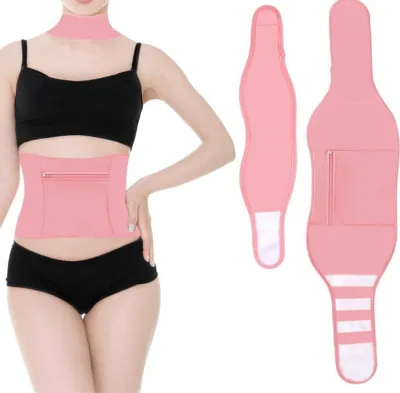
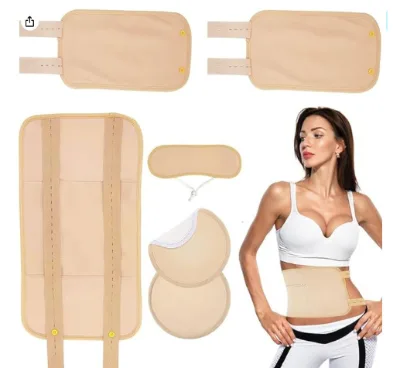

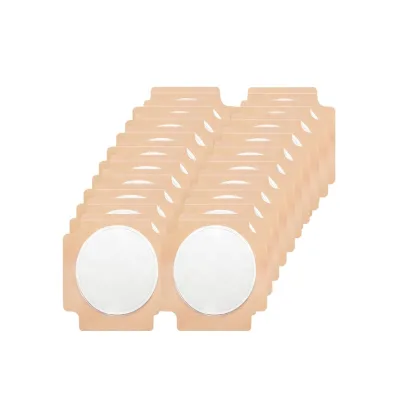
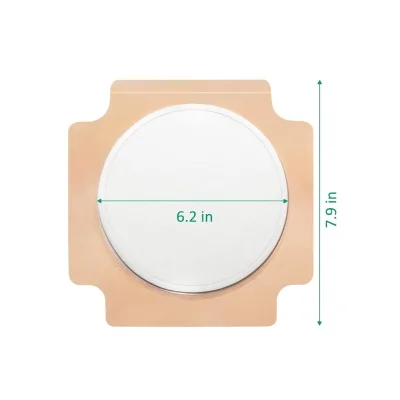


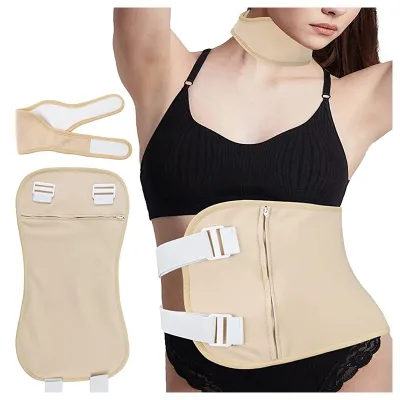


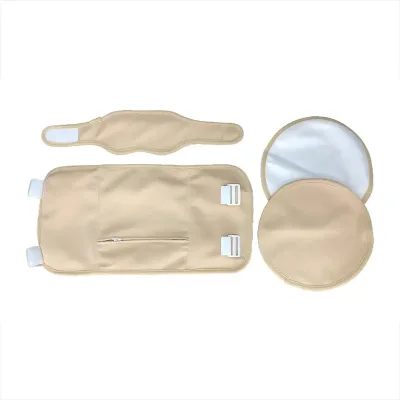
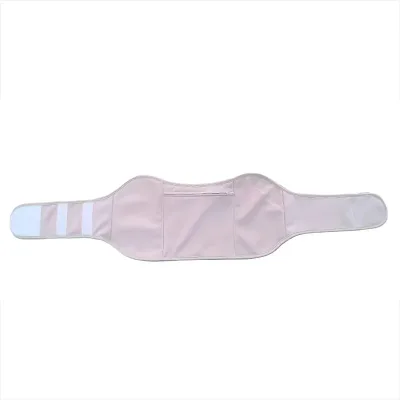


Comprehensive Sourcing Guide
Castor Oil Pack Sourcing Guide
Procuring castor oil packs requires a nuanced understanding of material composition, therapeutic application, and supply chain reliability. These products are primarily designed for daily life health care, leveraging the properties of castor oil to support body wellness. Buyers must distinguish between simple herbal patches and more complex therapeutic systems that may involve specific packaging or branding requirements. The market offers a variety of configurations, from basic non-woven fabric patches to organic cotton-based packs, each serving different end-user preferences and regulatory environments.
The sourcing landscape is diverse, with manufacturers often offering OEM and ODM services to accommodate private label needs. This flexibility allows buyers to customize logos, colors, and packaging to align with their brand identity. However, this customization introduces complexity in quality control and material verification. Sourcing teams must carefully evaluate the balance between aesthetic customization and functional integrity, ensuring that the chosen materials and designs do not compromise the product’s intended health care benefits or safety profile.
Product Scope and Observed Listing Signals
The observed product range includes items labeled as thyroid pads, health care belts, and Castor Oil Pack patches, indicating a broad application scope. Materials vary significantly, with listings citing organic cotton, non-woven fabric, and herbal components. This diversity suggests that buyers should not assume a uniform product standard across all suppliers. The presence of adjustable sizes and specific dimensions, such as 21x21 cm or 20x15x5 cm packages, highlights the need for precise specification matching. Buyers must verify that the physical dimensions and material types align with their target market’s expectations for comfort and efficacy.
Listing signals also reveal variations in branding and packaging strategies. Some products feature OEM branding with customized logos, while others are sold under specific brand names like MQFORU. Packaging ranges from simple OPP bags to individual boxes, with some items noting wooden case packing for bulk shipments. These differences impact logistics and retail presentation. Procurement teams should assess whether the packaging style supports their distribution channel, whether it is direct-to-consumer e-commerce or traditional retail, and ensure that the single gross weight and package dimensions are accurately declared for shipping calculations.
Technical Specifications to Verify
Technical verification begins with material composition, which is critical for both safety and performance. Buyers must confirm whether the pack uses organic cotton, non-woven fabric, or herbal blends, as these materials interact differently with skin and oil. The feature of breathability is a key technical attribute that should be validated through sample testing. Additionally, the shelf life of three years for certain patches indicates the stability of the infused ingredients. Sourcing teams should request detailed material safety data sheets to understand the chemical composition and ensure that the herbal components are appropriately processed and preserved.
Dimensional accuracy and functional design are equally important. Specifications such as adjustable sizes or fixed dimensions like 21x21 cm must be cross-referenced with the product’s intended use, whether for thyroid support or general body care. The model numbers, such as AX-B6146 or AX-Y12116, serve as unique identifiers for quality control and reorder consistency. Buyers should verify that the single package size and gross weight match the technical data sheets to prevent discrepancies in inventory management. Furthermore, the type of product, whether classified as a belt or a patch, dictates the ergonomic design and must be evaluated for user comfort during extended wear.
Compliance and Safety Documentation
Compliance documentation is essential for importing health care products into regulated markets. Listings indicate certifications such as CE, ISO, and MSDS, which provide a baseline for safety and quality management. Buyers must verify the validity and scope of these certificates, ensuring they cover the specific product variants and manufacturing sites. The presence of ISO 9001:2000 certification suggests a structured quality management system, but buyers should confirm that the current certification status is active and relevant to the product category. This verification process mitigates the risk of non-compliant goods being shipped to international destinations.
Safety data sheets (MSDS) are crucial for understanding the handling and storage requirements of the castor oil packs. These documents provide information on the chemical properties of the herbal ingredients and the castor oil infusion. Buyers should ensure that the MSDS aligns with the material composition declared by the supplier. Additionally, the classification of the product as a health care item may trigger specific regulatory requirements in the destination country. Sourcing teams must work with legal experts to determine if additional testing or labeling is required, ensuring that the product meets all local safety standards before entering the market.
Cost Drivers and Commercial Terms
Cost structures for castor oil packs are influenced by material quality, customization levels, and order volume. The observed MOQ range of 1 to 1000 sets offers flexibility for small businesses and large enterprises alike. However, lower MOQs may come with higher unit prices due to setup costs for customization. Buyers should analyze the cost breakdown, including material costs for organic cotton or non-woven fabric, labor for assembly, and packaging expenses. The inclusion of OEM/ODM services adds value but also increases the complexity of the commercial agreement, requiring clear terms for design approvals and sample production.
Payment terms and shipping logistics are significant factors in the total cost of ownership. Suppliers accept various payment methods, including PayPal, Western Union, and TT, which offer different levels of security and convenience. Buyers should negotiate terms that protect their interests, such as partial payments upon order confirmation and the remainder upon shipment. Additionally, the packing method, whether in OPP bags or wooden cases, affects shipping costs and handling requirements. Sourcing teams should calculate the landed cost, including freight, insurance, and duties, to ensure that the final price remains competitive in the target market.
Supplier Qualification and Quality Control
Supplier qualification involves assessing the manufacturer’s capability to produce consistent, high-quality castor oil packs. Buyers should verify the supplier’s production capacity, quality control processes, and experience in OEM/ODM services. The ability to provide samples is a critical step in evaluating product quality before committing to large orders. Sourcing teams should request samples to test the material breathability, adhesive strength, and overall construction. This hands-on evaluation helps identify potential issues with comfort or durability that may not be apparent from product descriptions alone.
Quality control protocols should be established to ensure consistency across production batches. Buyers should request a detailed quality assurance plan that outlines inspection criteria, such as material thickness, stitching integrity, and packaging accuracy. The use of standardized model numbers and specifications facilitates this process by providing clear benchmarks for comparison. Additionally, suppliers should be required to provide batch-specific test reports or certificates of analysis. Establishing a robust quality control framework minimizes the risk of receiving defective products and ensures that the final goods meet the buyer’s standards for health care products.
Long-Term Procurement Checks
Long-term procurement success depends on continuous monitoring of supplier performance and market trends. Buyers should establish key performance indicators (KPIs) to track delivery times, product quality, and responsiveness to issues. Regular audits of the supplier’s manufacturing facility can help ensure that quality standards are maintained over time. Additionally, staying informed about changes in regulatory requirements for health care products is essential to avoid compliance disruptions. Sourcing teams should maintain open communication with suppliers to address any emerging challenges and adapt to market demands.
Building a resilient supply chain involves diversifying suppliers and maintaining strategic relationships with key partners. Buyers should consider the geographic location of suppliers, such as Hebei or Henan in China, and assess the logistical implications of sourcing from these regions. Developing a backup supplier strategy can mitigate risks associated with production delays or quality issues. Furthermore, buyers should regularly review product specifications and market feedback to identify opportunities for product improvement or innovation. This proactive approach ensures that the Castor Oil Pack offerings remain competitive and relevant in the evolving health care market.
FAQs
What materials are used for castor oil packs?
Castor oil packs are typically made from organic cotton or non-woven fabric to ensure breathability and skin safety. Some variants use herbal materials for enhanced therapeutic effects. The specific material depends on the model, such as AX-B6146 using organic cotton or other models using non-woven fabric for daily health care applications.
Can I customize the logo on these packs?
Yes, you can customize the logo on castor oil packs as OEM and ODM services are accepted by suppliers. Many manufacturers offer private labeling options to meet your brand requirements. This customization is available for products like the Castor Oil Pack patch with adjustable sizes and various color options including beige, pink, and white.
What certifications do these products hold?
These castor oil packs often hold certifications such as CE, ISO, MSDS, and ISO 9001 to ensure quality and safety standards. Suppliers provide documented proof of compliance for international trade. These certifications apply to products like the Castor Oil Pack patch which is designed for body health care and daily life applications.
What is the minimum order quantity for these packs?
The minimum order quantity varies by supplier but can be as low as 5 sets for some models like AX-B6146. Other suppliers may require up to 1000 units depending on the specific product configuration. Buyers should check individual listings for exact MOQ requirements before placing an order for castor oil packs.
Where are these castor oil packs manufactured?
These products are primarily manufactured in China, with specific origins noted in Hebei and Henan provinces. Suppliers from these regions offer competitive pricing and established logistics for export. The production facilities adhere to mechanical packer standards and provide various packaging options like OPP bags or wooden cases for bulk shipments.
How long is the shelf life of the packs?
The shelf life for castor oil packs is typically three years when stored properly in their original packaging. This duration ensures the herbal and organic materials remain effective for health care applications. Buyers should verify the expiration date on the product box, which usually contains one piece per box for retail or bulk distribution.