Source Anti-Slip Resistance Bands for Yoga, Gym, and Home
Source Anti-Slip Resistance Bands from 30 verified suppliers. Compare options made from latex, TPE, and microfiber for yoga, leg workouts, and strength training. Evaluate resistance levels, customization, and MOQs to find the right fit for your business needs; compare the available evidence and request quotations based on your requirements.
Key considerations
Products List


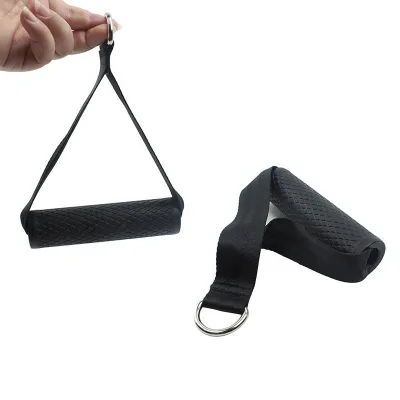
Resistance Band Pull up Band Workou Resistance Gym Customized Resistance Bands
$1.85 - $7.25
MOQ: 500 Pieces


Comprehensive Sourcing Guide
Anti-Slip Resistance Bands Sourcing Guide
Procurement professionals must first distinguish between the various material compositions available in the market, as the supplied data indicates a split between microfiber, TPE, and spandex/polyester blends. While microfiber options are often marketed for daily use and fashion appeal, TPE and spandex variants are specifically engineered for high-resistance applications like yoga practice and leg workouts. Buyers should verify the specific material composition of each SKU to ensure it aligns with the intended durability and friction requirements of the end-user.
The observed product range includes distinct functional categories such as fabric elastic resistance booty bands and standard latex bands, each serving different training needs. Some listings highlight features like luminous properties or novelty designs, while others focus strictly on strength training and body shaping. It is critical to match the product style and feature set, such as the presence or absence of a logo, to the specific branding and functional expectations of the target market before initiating any bulk order.
Product Scope and Observed Listing Signals
Buyers should analyze the observed listing signals to understand the breadth of customization available, noting that many suppliers offer both customized and standard configurations. The data confirms that customization is a primary attribute, allowing for specific branding or feature selection, which is essential for private label strategies. However, the presence of "customized" as a standard attribute requires careful verification to ensure the final product meets the exact technical specifications required for the intended application.
The product scope extends across various resistance levels, ranging from X-Light to X-Heavy, with some sets offering three distinct levels while others provide five. This variation necessitates a clear definition of the required resistance profile during the sourcing phase, as the functional utility for yoga, leg workouts, or pull-up assistance depends heavily on these specific levels. Procurement teams must ensure the selected model, such as the SP-RB9 or SP-HCB, aligns with the specific exercise part and gender requirements of the target demographic.
Technical Specifications to Verify
Technical verification must begin with the physical dimensions and resistance standards, as the data lists specific measurements like 2x10", 2x12", and 3*212cm for different models. Buyers need to confirm that the selected model's standard dimensions match the intended use case, particularly for fabric bands where length directly impacts the range of motion during stretching or strength training. Inconsistent specifications can lead to product returns or customer dissatisfaction if the bands do not perform as expected during the workout.
Material composition and weight are equally critical technical parameters that influence the product's performance and longevity. The observed data includes weights such as 550g per set and materials like spandex and polyester, which determine the band's elasticity and durability. Sourcing teams must validate that the material blend supports the claimed resistance levels and that the product is suitable for the intended environment, whether it is a home gym, a professional gymnasium, or an outdoor community park.
Compliance and Safety Documentation
Safety documentation is a primary concern when sourcing equipment that involves direct physical contact and high tension, such as resistance bands. While the supplied facts mention CE and RoHS certifications for certain models, buyers must verify that these certifications apply to the specific batch and material composition being ordered. It is not sufficient to assume all products in a category are certified; each supplier must provide valid documentation proving compliance with the relevant safety standards for the specific product model.
Beyond general certifications, buyers should request detailed test results regarding the tensile strength and durability of the bands, especially for products marketed as durable or suitable for heavy resistance levels. The absence of specific test data in the general listing signals means that procurement teams must explicitly ask for evidence of performance under stress to prevent product failure during use. Ensuring that the product meets safety expectations is vital for liability protection and maintaining brand reputation in the fitness equipment sector.
Cost Drivers and Commercial Terms
Cost structures for anti-slip resistance bands are heavily influenced by the complexity of customization and the specific material composition selected. The observed MOQ range of 5 to 2000 units suggests that smaller orders may incur higher per-unit costs, while larger volumes can leverage economies of scale. Buyers must balance the desire for customization, such as adding a logo or specific color series, against the minimum order quantities required to achieve a competitive price point.
Commercial terms regarding lead times and sample availability are also significant cost drivers that affect the overall procurement timeline. The data indicates sample times of 7-12 days and production times ranging from 25 to 30 days or even up to 50 days for delivery. Procurement planners must account for these varying lead times in their inventory management strategies, ensuring that the freight collect sample policy and production schedules align with the launch dates of the product line.
Supplier Qualification and Quality Control
Supplier qualification requires a rigorous assessment of their ability to maintain consistent quality across different material types and resistance levels. Given the variation in products from microfiber bands to TPE loops, buyers should audit the supplier's production capabilities to ensure they can consistently meet the specified standards for each model. It is essential to verify that the supplier has the necessary infrastructure to handle the specific packaging requirements, such as 1PC/PP bags or polyester carry bags, without compromising product integrity.
Quality control protocols must be established to verify that the final products match the observed attributes, such as color consistency and resistance levels. Buyers should implement pre-shipment inspections to confirm that the bands are free from defects and that the packaging, whether cartons or individual bags, meets the agreed-upon specifications. This step is crucial for ensuring that the delivered goods, whether for women, adults, or unisex markets, perform reliably and meet the high standards expected in the fitness industry.
Long-Term Procurement Checks
Long-term procurement success depends on establishing a reliable supply chain that can adapt to changing market demands and product specifications. Buyers should maintain open communication channels with suppliers to monitor any updates in material availability or production standards that could impact the supply of resistance bands. Regular reviews of supplier performance against the agreed-upon lead times and quality metrics will help identify potential risks before they affect the business operations.
Continuous evaluation of the product portfolio is necessary to ensure that the sourcing strategy remains aligned with current consumer trends and functional requirements. As the market evolves, buyers must be prepared to adjust their specifications, such as resistance levels or color series, to meet new demands. By staying informed about the latest developments in the fitness equipment sector and maintaining a flexible approach to procurement, businesses can ensure a steady supply of high-quality anti-slip resistance bands for their customers.
FAQs
What materials are used for Anti-Slip Resistance Bands?
Anti-Slip Resistance Bands are typically crafted from durable materials such as microfiber, TPE, or a blend of spandex and polyester. These materials provide the necessary elasticity and grip for effective workouts. The choice of material often depends on the specific resistance level and intended use, ensuring comfort and longevity during daily fitness routines.
Can I customize the logo on these resistance bands?
Yes, customization is available for Anti-Slip Resistance Bands, allowing you to add your own logo or branding. This service supports both customized and non-customized options, catering to various business needs. Buyers can request specific designs to enhance brand visibility, making these bands ideal for promotional gifts or private label products in the fitness industry.
What are the common resistance levels for fabric bands?
Fabric resistance bands typically offer multiple resistance levels to suit different training intensities. Common configurations include three levels or five levels ranging from extra light to extra heavy. These variations allow users to progress gradually in strength training, yoga practice, or leg workouts, ensuring the bands meet diverse fitness goals and physical requirements effectively.
How are the resistance bands packaged for shipping?
Packaging options vary by product type, with individual bands often packed in PP bags or polyester carry bags for convenience. Larger sets may be packed in cartons to ensure safe transit. This flexible packaging approach protects the products during shipping while providing buyers with organized and ready-to-distribute units for retail or wholesale channels.
What certifications do these fitness bands hold?
Many Anti-Slip Resistance Bands hold CE and RoHS certifications, ensuring they meet international safety and environmental standards. These certifications verify that the materials and manufacturing processes comply with regulatory requirements for consumer goods. Buyers can rely on these documented standards when sourcing products for markets with strict compliance regulations.
What is the typical lead time for production?
Production lead times for Anti-Slip Resistance Bands generally range from 25 to 50 days, depending on order volume and customization requirements. Sample times are typically shorter, around 7 to 12 days. Buyers should plan their procurement schedules accordingly to account for these manufacturing and delivery periods.