Source Portable USB Smart Card Reader for Store Bank Company
Explore 30 options for the Portable USB Smart Card Reader suitable for stores, banks, and companies. Buyers can compare models like RCR-2933 and RCR-2330-RGB, noting interfaces, card types, and dimensions to find the right fit for identification and payment needs.
Key considerations
Products List

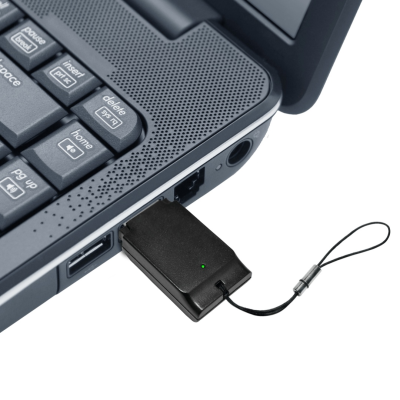


USB Interface Manual Insertion Hybrid Smart Card Reader with LED Indicator
$60.00 - $65.00
MOQ: 100 Pieces


Comprehensive Sourcing Guide
Strategic Sourcing Guide for Portable USB Smart Card Readers
The global demand for secure, portable identity verification and data access solutions has elevated the Portable USB Smart Card Reader to a critical component in modern B2B infrastructure. Buyers seeking these devices must navigate a complex landscape where technical compatibility, regulatory compliance, and supply chain reliability intersect. This guide provides a disciplined approach to sourcing, grounded in observed market data and verified product attributes, to ensure procurement decisions are based on factual evidence rather than speculative claims.
Technical Architecture and Interface Compatibility
When evaluating portable USB smart card readers, the primary technical consideration is the interface protocol and data transmission method. The market offers devices that range from simple contact-based readers to more complex hybrid systems. Based on observed product specifications, a significant segment of available units utilizes a USB interface, ensuring broad compatibility with standard computing environments without the need for additional drivers in many modern operating systems. However, buyers must verify the specific data transmission mode, as some industrial-grade units operate via Serial communication (RS232) rather than a direct USB data link, which may require specific port adapters or configuration.
The physical interaction method is another critical specification. While the core keyword suggests "portable" and "USB," the underlying reading mechanism varies. Some units are designed strictly for contact-type read-write methods, requiring the card to be physically inserted into a slot. In contrast, other devices in the same category may support RFID technologies, offering a reading distance of 5-10 meters, which fundamentally changes the application scope from a desk-bound device to a handheld or fixed-mount scanner. Buyers must distinguish between these operational modes. For contact readers, the standard interface often adheres to ISO 7816 for IC cards, while RFID-capable units typically support ISO 14443 Type A and B standards. The presence of an LED indicator, often RGB in color, serves as a vital feedback mechanism for the user, indicating connection status, read success, or error states.
| Feature Category | Contact-Based USB Models | Hybrid/RFID Models |
|---|---|---|
| Interface | USB | USB or Serial (RS232) |
| Reading Method | Contact Type | Contact or Non-Contact (RFID) |
| Reading Distance | N/A (Physical Insertion) | 5-10 meters (Observed Range) |
| Card Standards | ISO 7816 | ISO 14443 A & B, EM, Mifare, HID |
| Data Transmission | Serial or Direct USB | Serial or Direct USB |
| Power Source | USB Bus Power | External (e.g., +24VDC) or USB |
Compliance, Standards, and Environmental Specifications
Compliance with international standards is non-negotiable for B2B procurement, particularly when these devices are deployed in regulated sectors such as banking, healthcare, or government. The observed product data highlights adherence to specific ISO standards. For instance, IC card readers are frequently cited as complying with ISO 7816, while RFID components align with ISO 14443 Type A and B. Buyers should treat these as baseline requirements and verify that the specific unit they are purchasing carries the necessary documentation to prove this compliance.
Environmental robustness is equally important for portable devices that may be transported or used in varying conditions. Observed specifications indicate operating temperature ranges of 0°C to +60°C, with storage capabilities extending down to -20°C. These figures define the operational envelope; a device intended for outdoor use or transport in unheated vehicles must meet or exceed these thresholds. Furthermore, material composition plays a role in durability. Many units are constructed from ABS plastic, offering a balance of impact resistance and weight. The physical dimensions also vary significantly, with observed standard sizes ranging from compact 1005010mm units to larger chassis measuring 92.3mm78mm18mm or even 65.183.69.5mm. Buyers must ensure the form factor aligns with their intended deployment, whether it is a desktop setup or a mobile field operation.
Cost Drivers and Economic Parameters
The pricing structure for portable USB smart card readers is influenced by a combination of technical complexity, material quality, and order volume. Market observations indicate a wide price range, spanning from $0.15 to $340 USD. This disparity is not arbitrary but reflects the functional differences between basic contact readers and advanced multi-interface systems with RFID capabilities. The lower end of the spectrum typically corresponds to single-interface, contact-only devices with minimal features, while the higher price points are associated with units offering RGB indicators, semi-transparent bezels, and support for multiple card protocols like Mifare and HID.
Minimum Order Quantity (MOQ) is another critical economic factor. The observed MOQ range extends from 1 unit to 2,500 units. This flexibility allows small businesses to procure single items for testing or immediate deployment, while larger enterprises can leverage bulk purchasing to reduce unit costs. However, buyers must be aware that the "Single Item" selling unit attribute suggests that some suppliers may not offer significant volume discounts for very small orders. Additionally, packaging methods, such as carton boxes or cardboard cases, can impact the final landed cost, especially for international shipping. The choice between a single-item purchase and a bulk order should be weighed against the total cost of ownership, including potential shipping fees and inventory holding costs.
Application Scenarios and Functional Requirements
The versatility of portable USB smart card readers is evident in their diverse application fields. The observed data lists applications across Store, Bank, Company, Library, Hospital, and Parking sectors. This breadth indicates that the technology is not limited to a single industry but serves as a universal access control and identification tool. In banking and corporate environments, the primary function is often identification and secure payment processing, requiring high reliability and adherence to strict security protocols. In libraries and parking facilities, the focus may shift to information retrieval and access logging.
The functional capabilities of the device must match the specific use case. For payment processing, the reader must support Track 1, 2, and 3 data, which is essential for magnetic stripe and smart card transactions. For identification purposes, the device must reliably read EM, Mifare, and HID cards. Some advanced models support online download capabilities via ISP (Internet Service Provider) protocols, allowing for remote firmware updates or data synchronization, which is a valuable feature for large-scale deployments where physical access to every reader is impractical. The structure of the card slot, whether single or multi-slot, also dictates the workflow efficiency. A single-slot design is standard for most portable readers, streamlining the user interaction but limiting simultaneous processing.
Supplier Evaluation and Origin Verification
When sourcing these devices, verifying the origin and the supplier's capability is paramount. The majority of observed products originate from China, specifically the Guangdong region, which is a known hub for electronics manufacturing. While this location offers competitive pricing and a mature supply chain, it necessitates rigorous supplier vetting. Buyers should not assume that all products from this region meet the same quality standards. The "Customization" attribute is available across the market, suggesting that suppliers are willing to adapt products to specific client needs, such as branding or specific interface configurations. However, this customization capability should be confirmed through direct communication and sample testing.
The "Selling Units" attribute often indicates a "Single item" focus, which can be a red flag for large-scale procurement if the supplier lacks the capacity to scale. Buyers should look for suppliers who demonstrate a clear understanding of the "Installation" requirements, particularly for external installations which may require specific mounting hardware or power supplies. The "Lifetime" of critical components, such as micro switches rated for 500,000 cycles, is a key metric for durability. Buyers must request test data or certification for these specific components to ensure the supplier's claims are backed by engineering reality.
Quality Control and Long-Term Procurement Strategy
Ensuring long-term reliability requires a proactive quality control strategy. The "Read-Write Method" and "Data Transmission Mode" must be tested under actual load conditions before finalizing a large order. For instance, verifying the stability of the USB connection under high-frequency read/write operations is essential to prevent data corruption. The "LED Indicator" functionality should also be tested to ensure it provides accurate status feedback, as a malfunctioning indicator can lead to user error and operational delays.
Packaging is a critical, often overlooked aspect of quality control. The observed "prod_packing" attributes include "Carton," "Cardboard Case/Box," and "Paper Carton." The choice of packaging affects the product's protection during transit. For international shipments, a robust carton with internal cushioning is preferred to prevent damage. Buyers should specify packaging requirements in their purchase orders to ensure the product arrives in pristine condition.
Long-term procurement considerations also include the availability of spare parts and technical support. Devices with complex features like RGB LEDs or ISP online download capabilities may require specialized maintenance. Buyers should establish a relationship with the supplier that includes clear terms for warranty, repair, and replacement. The "On-line Download" feature, if present, should be supported by a reliable firmware update mechanism to ensure the device remains compatible with evolving security standards. Finally, buyers should maintain a clear record of the specific product model numbers, such as RCR-2933 or RCR-2330-RGB, to ensure consistency in future reorders and to facilitate accurate troubleshooting.
Conclusion
Sourcing portable USB smart card readers requires a meticulous approach that balances technical specifications, compliance requirements, and economic factors. By focusing on verified attributes such as interface types, card standards, and environmental ratings, buyers can make informed decisions that align with their operational needs. The wide range of available options, from basic contact readers to advanced RFID systems, offers flexibility but demands careful evaluation. Ultimately, successful procurement depends on thorough supplier vetting, rigorous quality control, and a clear understanding of the specific application requirements. By adhering to these principles, organizations can secure reliable, compliant, and cost-effective solutions for their identity and access management needs.
FAQs
What interfaces are available for portable USB smart card readers?
Most units utilize a USB interface for broad compatibility, though some industrial models use Serial RS232 ports. Buyers must verify the specific data transmission mode, as not all devices connect directly via USB without adapters.
Which card standards do these readers support?
Readers typically support ISO 7816 for IC cards and ISO 14443 Type A and B for RFID cards. Specific models also handle EM, Mifare, and HID card types depending on the interface and reading method selected.
Can these devices operate in extreme temperatures?
Yes, observed units operate between 0°C and +60°C with storage capabilities down to -20°C. This range ensures reliability in varied environments, but outdoor use requires verifying the specific device's environmental rating.
What is the typical reading distance for RFID models?
RFID-enabled models feature a reading distance of 5 to 10 meters, distinguishing them from contact-based readers. This range allows for non-contact identification in parking or access control scenarios without physical insertion.
How does the minimum order quantity vary?
The minimum order quantity ranges from 1 unit to 2,500 units depending on the supplier. Small businesses can often source single items, while larger enterprises may leverage bulk purchasing to reduce per-unit costs.
Are customization options available for these readers?
Customization is available across the market for branding or specific interface configurations. Buyers should confirm specific adaptation needs directly with suppliers, as this capability varies by manufacturer and product model.
What materials are used to construct these devices?
Many units are constructed from ABS plastic to balance impact resistance and weight. This material choice supports durability for portable applications, though dimensions vary from compact 100mm units to larger chassis.