Source Wheelchair Access Beach Mat for Events, Roads, Construction
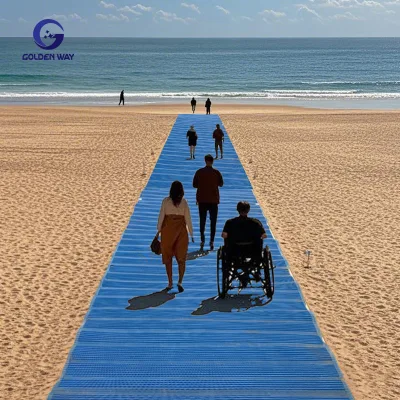
Compare 30 verified products for the Wheelchair Access Beach Mat, including removable beach polyester mats and roll-out access solutions. Buyers can evaluate specifications like thickness, material, and load capacity for outdoor events, temporary roadways, and construction sites; compare the available evidence and request quotations based on your requirements.
Key considerations
Products List


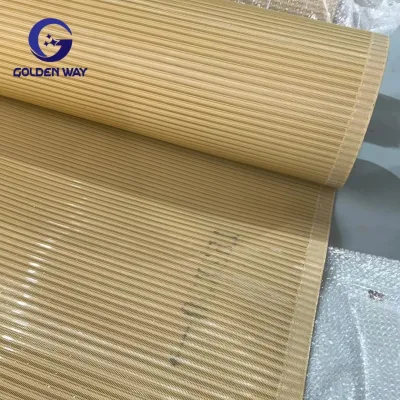
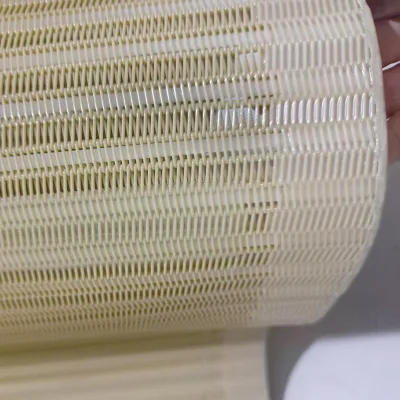
Anti Slip Beach Access Mat Mesh Sand Walkway Mat for Coastal Camping Ground
$1999.00 - $2499.00
MOQ: 1 unites

Weatherproof Beach Access Mat Roll up Non Slip Sand Walkway Mat for Seaside Park Project
$1999.00 - $2499.00
MOQ: 1 unites

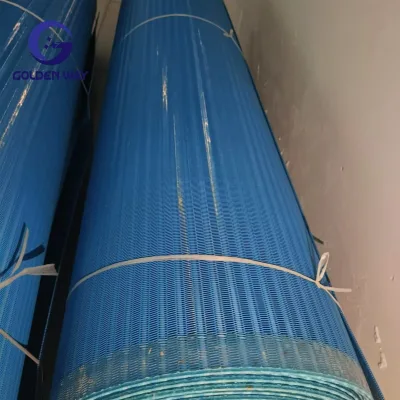
Durable Beach Walkway Mat Non Slip Roll up Access Mat for Municipal Waterfront Access
$1999.00 - $2499.00
MOQ: 1 unites

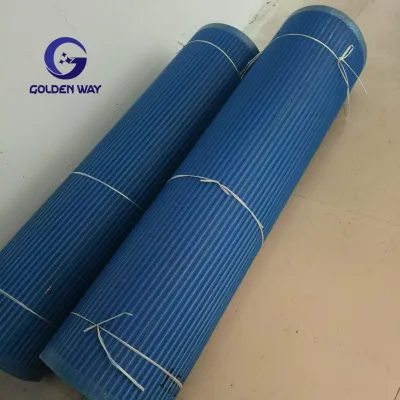
Weatherproof Portable Beach Access Mat Anti Slip Mesh Roll up Sand Walkway Mat for Seaside Park
$1999.00 - $2499.00
MOQ: 1 unites

Foldable Beach Access Mat Commercial Anti Slip Sand Mat for Outdoor Festival Equipment
$1999.00 - $2499.00
MOQ: 1 unites



Comprehensive Sourcing Guide
Wheelchair Access Beach Mat Sourcing Guide
Procuring specialized flooring for coastal environments requires balancing accessibility standards with harsh marine conditions. Buyers must identify suppliers who understand the dual nature of these products, which serve both as temporary event infrastructure and permanent accessibility solutions. The market offers distinct categories, ranging from lightweight polyester mats designed for easy transport to heavy-duty engineering plastic sheets built for high-load temporary roadways. Understanding these material distinctions is the first step in defining a precise technical brief that aligns with your specific site requirements and user needs.
This guide focuses on verifying critical attributes such as slip resistance, load-bearing capacity, and material durability against UV exposure and saltwater corrosion. Sourcing decisions should be driven by observed listing signals, including grammage, thickness, and specific model numbers that indicate engineering grade versus consumer grade products. By rigorously evaluating these factors, procurement teams can mitigate risks associated with product failure in wet environments, ensuring that the final installation provides safe, reliable, and compliant access for wheelchair users and individuals with mobility challenges.
Product Scope and Observed Listing Signals
The current market landscape reveals a diverse array of products labeled for beach or outdoor accessibility, with observed price points ranging from $1.80 to $10,000 USD. This wide variance reflects differences in material composition, from basic polyester fabrics to high-density polyethylene (HDPE) engineering sheets. Buyers should note that some listings describe products with grammage between 10-200 GSM, indicating lightweight textile options, while others specify solid plastic sheets with thicknesses around 12mm. These physical differences directly impact the product’s suitability for sandy terrain, where stability and weight distribution are paramount for safe wheelchair navigation.
Observed minimum order quantities (MOQ) typically span from 1 to 1,000 units, suggesting flexibility for both small-scale event rentals and large municipal installations. Key product models identified include removable beach polyester mats and roll-out access mats, alongside engineering plastic sheets with model numbers like XX-M30 and HDPE variants. These signals indicate that suppliers offer both customizable textile solutions and rigid structural components. Procurement teams must carefully distinguish between these categories, as the installation method, maintenance requirements, and lifespan vary significantly between flexible fabric mats and rigid plastic decking systems.
Technical Specifications to Verify
Material selection is the most critical technical factor, with observed options including 100% polyester and PE (polyethylene) variants. Polyester mats often feature simple color surface treatments and are packed in plastic bags or wooden boxes, making them suitable for temporary, low-load applications. In contrast, PE-based products are described as hard plastic sheets or engineering plastic sheets, offering superior durability for heavy-duty use. Buyers must verify the specific polymer grade and density, as observed densities range from 0.94-0.98g/cm3, which influences buoyancy and resistance to water absorption, a key factor in preventing material degradation in marine environments.
Mechanical properties such as tensile strength and anti-slip features are essential for safety compliance. Observed tensile strength values vary widely, from 41-50MPa for certain plastic sheets to 81-130MPa for higher-grade engineering plastics. Additionally, surface treatments like cleat heights of 6mm and pattern heights of 5mm are designed to enhance traction on wet or sandy surfaces. Buyers should also check for features like moisture proofing, rot proofing, and thermal insulation, which ensure the mat remains functional across varying weather conditions. Verifying these specific metrics prevents the selection of underperforming products that may fail under the dynamic loads of wheelchair wheels.
Compliance and Safety Documentation
Safety documentation must confirm that the product meets relevant accessibility and slip-resistance standards for public spaces. While specific certification names are not universally listed, buyers should request test reports for coefficient of friction, particularly when the surface is wet or sandy. The observed functions include anti-slip, waterproof, and wear-resistant properties, which are foundational for safety but require quantitative validation. Procurement teams should verify that the product’s design, including any raised patterns or cleats, does not create tripping hazards for users with limited mobility, ensuring a smooth transition from sand to the mat surface.
Environmental and durability guarantees are also part of the compliance picture. Some observed products come with a 5-year guarantee, indicating manufacturer confidence in long-term performance against UV degradation and salt corrosion. Buyers must ensure that the material does not release harmful microplastics or chemicals into the beach ecosystem, aligning with growing environmental regulations. Additionally, verifying that the product is fireproof and anti-static adds layers of safety for crowded public events. Documentation should clearly state the product’s origin, such as China or Shandong, to facilitate traceability and ensure adherence to international trade and safety norms.
Cost Drivers and Commercial Terms
Pricing is heavily influenced by material type, thickness, and customization options. Basic polyester mats with simple color treatments are generally more affordable, while custom-engineered HDPE sheets with specific dimensions like 1220x2440x12.7mm command higher prices due to their structural integrity and load-bearing capabilities. Observed loading capacities range from 60-120 tonnes for certain heavy-duty mats, which significantly impacts manufacturing costs. Buyers should analyze the cost per square meter rather than the unit price, as larger, thicker mats offer better value for high-traffic areas despite higher initial outlays.
Commercial terms such as MOQ and packaging methods also affect the total landed cost. Products packed by pallets or in wooden boxes may incur higher shipping costs but offer better protection during transit. Customization availability allows for tailored solutions, including logo approval and specific size cuts, which can reduce installation time and waste. Buyers should negotiate clear terms regarding lead times and replacement policies for damaged goods, especially given the harsh operating environment. Understanding these cost drivers helps in budgeting accurately and selecting a supplier who offers the best balance of quality, durability, and price for your specific project scale.
Supplier Qualification and Quality Control
Supplier qualification requires verifying their manufacturing capabilities and quality assurance processes. Buyers should prioritize suppliers who offer processing services like cutting and moulding, as this indicates flexibility in meeting custom size requirements. The observed variety of models, from XX-M26 to 202512011756, suggests a robust product line, but buyers must confirm that the specific item ordered matches the technical specifications provided. Requesting samples is crucial to physically assess the material’s hardness, surface texture, and overall build quality before committing to a large order.
Quality control checks should include inspection of packing integrity and connector components. Some products use steel connectors, which must be corrosion-resistant to withstand saltwater exposure. Buyers should verify that the packing method, whether pallets or plastic bags, protects the product from damage during shipping. Additionally, confirming the supplier’s ability to provide consistent batch quality is essential, especially for large installations where color and texture uniformity are important. Establishing a clear communication channel for addressing defects or discrepancies ensures that any issues are resolved promptly, maintaining project timelines and user safety standards.
Long-Term Procurement Checks
Long-term success depends on the product’s ability to withstand repeated use and environmental stressors. Buyers should monitor the product’s performance over time, paying attention to signs of wear, fading, or loss of anti-slip properties. The observed features like rot proof and moisture proof are critical for longevity, but regular maintenance schedules should be established to clean and inspect the mats. Suppliers who offer ongoing support and replacement parts, such as connectors or edge trims, add significant value to the procurement relationship, ensuring the system remains safe and functional for years.
Sustainability and end-of-life considerations are increasingly important in procurement decisions. Buyers should inquire about the recyclability of the materials, particularly for PE and polyester products, to align with corporate sustainability goals. Verifying that the supplier adheres to responsible manufacturing practices and provides clear disposal or recycling guidelines helps mitigate environmental impact. Additionally, staying updated on changes in accessibility standards and material technologies ensures that future procurements remain compliant and effective. Building a long-term partnership with a reliable supplier facilitates continuous improvement and adaptation to evolving user needs and regulatory requirements.
FAQs
What materials are used for wheelchair access beach mats?
These mats are typically made from 100% polyester or PE plastic. The material choice ensures durability against moisture and rot while providing a waterproof surface suitable for outdoor beach environments and temporary roadway applications.
Can these mats be customized for specific needs?
Yes, customization is available for various product attributes including size, color, and logo. Buyers can request specific dimensions like 12mm thickness or choose from single color options to match their event or commercial requirements.
How thick are the standard beach access mats?
Standard thickness for these engineering plastic sheets is 12mm. This dimension provides the necessary structural integrity for heavy-duty applications while maintaining a manageable weight for easy transport and installation on temporary surfaces.
What is the minimum order quantity for these mats?
The minimum order quantity ranges from 1 to 1000 units depending on the supplier and specific product model. Buyers should verify the exact MOQ with manufacturers to ensure it aligns with their project scale and budget constraints.
How are these mats packaged for shipping?
Mats are packaged in plastic bags, wooden boxes, or on pallets based on buyer requirements. This flexible packing method ensures safe transport and allows for efficient loading capacity of 60 to 120 tonnes per shipment container.
What features do these mats offer for safety?
These mats feature anti-slip, waterproof, and wear-resistant properties to ensure user safety. Additional functions include fireproof and moisture-proof capabilities, making them suitable for construction sites, outdoor events, and commercial sports areas.
Where are these mats manufactured?
These products originate from China, specifically from regions like Shandong. Manufacturers in these locations produce various models including removable beach mats and roll-out access mats for global distribution and export markets.