Source Powder Coated Black Aluminum Fence for gates, fences, and floors
Explore 30 listings for Powder Coated Black Aluminum Fence suitable for gates, fences, and floor boxes. Buyers can compare specifications, surface treatments, and certifications from manufacturers in China to find the right solution for architecture and industry projects.
Key considerations
Products List


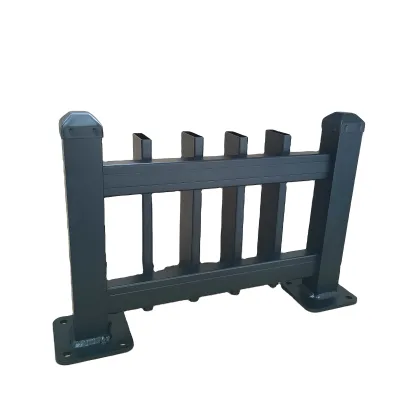


Powder Coated Steel Aluminum Metal Barrier Fence Laser Fence Safety Fence
$156.00 - $219.00
MOQ: 50 Sets
Comprehensive Sourcing Guide
Strategic Sourcing Guide for Powder Coated Black Aluminum Fence Systems
Procuring a Powder Coated Black Aluminum Fence requires a rigorous understanding of material science, surface treatment protocols, and supply chain reliability. The global market for architectural aluminum profiles has expanded significantly, driven by the demand for durable, low-maintenance perimeter solutions. Buyers must navigate a landscape where product attributes vary widely between manufacturers, necessitating a disciplined approach to specification verification. This guide outlines the critical factors for sourcing these systems, focusing on the intersection of aesthetic requirements and technical performance.
Technical Specifications and Material Composition
The foundation of a high-performance aluminum fence lies in the alloy selection and tempering process. For structural integrity in fencing applications, the industry standard often points to the 6000 Series aluminum alloys. These alloys, typically composed of magnesium and silicon, offer an optimal balance of strength and formability. When evaluating potential suppliers, buyers should verify that the material grade aligns with the 6000 Series designation, as this ensures the profile can withstand the mechanical stresses of installation and long-term environmental exposure.
The temper state of the aluminum is equally critical. The T3-TType temper is frequently cited in window and door aluminum profiles, indicating a specific sequence of cold working and aging that enhances yield strength. For fence applications, this temper ensures the rails and posts maintain their shape under wind loads and impact. The physical dimensions of the profile must also be precise. Standard extrusion dimensions often include square shapes, with specific cross-sections such as 15mm by 15mm being common for certain structural components. However, custom dimensions are frequently available, with lengths extending up to 2400mm or 2.4 meters to reduce on-site splicing.
Surface finishing is the defining characteristic of the "powder coated black" requirement. The base metal undergoes a surface treatment process that may include chemical polishing, anodizing, or electrophoresis prior to the final coating. The powder coating itself is applied via electrostatic spraying and cured under heat to create a hard, uniform finish. This process is distinct from liquid painting, offering superior resistance to chipping and fading. The final appearance can be achieved in any color, with black being a popular choice for modern architectural aesthetics. The coating thickness and adhesion properties are not always explicitly listed in general product descriptions, requiring direct inquiry into the specific application parameters.
Compliance, Certification, and Regulatory Standards
Navigating the regulatory landscape is essential for international procurement. Aluminum fence systems intended for commercial or residential use often require adherence to specific international standards. Common certifications observed in the market include CE (Conformité Européenne), ISO (International Organization for Standardization), and ASTM (American Society for Testing and Materials). The presence of these certifications suggests that the manufacturer's quality management systems and product testing protocols meet recognized benchmarks.
Specific standards for aluminum profiles may include AAMA (American Architectural Manufacturers Association) standards, DIN (Deutsches Institut für Normung) standards, or China GB (Guobiao) standards. Buyers must verify which standard applies to their specific project location. For instance, projects in North America may prioritize ASTM compliance, while European projects might require DIN or CE marking. The certification status should be documented and verifiable, as it impacts the legal liability and insurance requirements of the project.
It is important to distinguish between general corporate certifications and product-specific testing. While a manufacturer may hold ISO certification for their management system, the specific fence profile must undergo testing for corrosion resistance, color fastness, and mechanical strength. The "100% QC Test" mentioned in some product profiles indicates a commitment to quality control, but buyers should request detailed test reports for the specific batch or model number being ordered. Additionally, environmental compliance, such as RoHS (Restriction of Hazardous Substances), is increasingly relevant for ensuring the safety of the materials used in the coating and the alloy itself.
Cost Drivers and Economic Considerations
The pricing of powder coated black aluminum fences is influenced by several dynamic factors. The observed market price range for aluminum profiles can vary significantly, from approximately $12.50 to $3,450 per unit, depending on the complexity of the profile, the weight of the material, and the specific finishing requirements. This wide range reflects the difference between simple, standard extrusions and complex, custom-designed architectural components.
The Minimum Order Quantity (MOQ) is a primary driver of unit cost. Suppliers may set MOQs ranging from a single piece for prototyping to 200 units for standard stock items. Some vendors offer lower MOQs, such as 50 pieces or 10 square meters, which can be advantageous for smaller residential projects. However, higher volumes typically result in better economies of scale. Buyers should also consider the lead time, which can extend to 25 days or more depending on the customization level and production schedule. Rush orders often incur premium costs.
Customization is a significant cost factor. While "Any Color Available" is a common selling point, custom colors or specific powder coating formulations may require additional setup fees. Similarly, custom dimensions, such as non-standard lengths or unique cross-sections, increase the cost due to the need for dedicated die creation and production runs. The origin of the product also plays a role; profiles manufactured in regions like Fujian or Shandong Dongying in China may have different cost structures compared to local manufacturing, primarily due to logistics and tariff implications.
Typical Applications and Design Flexibility
Powder coated black aluminum fences are versatile and suitable for a wide array of applications. The primary use cases include residential fencing, commercial perimeter security, and industrial boundary definition. The "Focus on: Architecture, Industry, Home Appliance" indicates that these profiles are designed to meet the aesthetic and functional demands of diverse sectors. In residential settings, the black finish provides a sleek, modern look that complements various architectural styles, from contemporary to traditional.
The design flexibility of aluminum extrusions allows for the creation of custom fence panels, gates, and floor boxes. The "Using: Fence, Gate, Floor Box" attribute highlights the multifunctional nature of these profiles. The "Easily Assembled" feature suggests that the system is designed for efficient installation, reducing labor costs and time on site. Furthermore, the "Eco Friendly" attribute points to the recyclability of aluminum and the durability of the powder coating, which reduces the need for frequent replacement and maintenance.
Customization extends to the structural design. Profiles can be engineered with specific grooves, channels, or mounting points to accommodate glass infills, lighting, or security sensors. The "Procedure: Preciously Cutting, Milling, Drilling, Punching" indicates that suppliers can perform secondary processing to tailor the profiles to the exact requirements of the project. This level of customization ensures a seamless fit and finish, which is critical for high-end architectural projects.
Supplier Evaluation and Quality Assurance
Selecting the right supplier is as important as selecting the right product. Buyers should prioritize manufacturers with a proven track record, such as those claiming to be "China Top 10 Assured Quality Manufacturer" or those with a "Business Type: Manufacture" status. This distinction is crucial, as manufacturers typically offer better control over quality and pricing compared to trading companies.
Quality assurance protocols should be a central part of the supplier evaluation. The "100% QC Test" claim suggests a rigorous internal inspection process, but buyers should request evidence of this, such as sample inspection reports or third-party audit results. The "Guarantee: 10 Years" is a strong indicator of confidence in the product's longevity, but the terms and conditions of this guarantee must be clearly understood. Does it cover color fading, structural failure, or both?
When evaluating suppliers, consider their ability to meet specific standards. A supplier claiming compliance with AAMA, DIN, or China GB standards should be able to provide documentation to support these claims. The "Our Standard" attribute indicates that the manufacturer adheres to specific guidelines, but buyers must verify that these guidelines match the project requirements. Additionally, the "Market: Global" status suggests that the supplier has experience with international logistics and compliance, which is beneficial for cross-border procurement.
Long-Term Procurement and Maintenance Strategies
Long-term success in sourcing aluminum fences depends on understanding the maintenance requirements and the lifecycle of the product. The powder coating process provides a robust barrier against corrosion and UV degradation, but the longevity of the finish depends on the quality of the application and the thickness of the coating. Buyers should inquire about the specific powder coating system used, including the brand of the powder and the curing process.
The "Standard Packing" or "as Per Your Requested" packaging options can impact the condition of the product upon arrival. Proper packaging is essential to prevent scratches and damage during transit. For long-term storage, buyers should ensure that the profiles are stored in a dry environment to prevent oxidation before installation.
Maintenance of powder coated aluminum fences is generally minimal. Regular cleaning with mild soap and water is usually sufficient to maintain the appearance. However, buyers should be aware of the potential for color fading over time, especially in high-sunlight environments. The "10 Years" guarantee may cover significant degradation, but it is important to understand the specific conditions under which this guarantee applies.
In conclusion, sourcing powder coated black aluminum fences requires a comprehensive approach that balances technical specifications, regulatory compliance, and economic considerations. By focusing on the 6000 Series alloy, verifying certifications, and selecting a reputable manufacturer with robust quality control, buyers can ensure a high-quality, durable solution for their fencing needs. The flexibility of aluminum extrusions allows for customization to meet specific design requirements, making it an ideal choice for a wide range of applications.
FAQs
What alloy series is used for the aluminum fence profiles?
The profiles are made from the 6000 Series aluminum alloy. This grade ensures optimal strength and formability for structural integrity in fencing applications.
Which surface finishing options are available for the aluminum?
Available finishes include powder coating, anodizing, electrophoresis, and polishing. The powder coating process provides a durable, uniform finish resistant to chipping and fading.
Can the aluminum fence profiles be customized for specific projects?
Yes, customization is available for dimensions, colors, and secondary processing. Suppliers can perform precise cutting, milling, drilling, and punching to meet specific design requirements.
What certifications do the manufacturers typically hold for these products?
Manufacturers often hold CE, ISO, ASTM, and RoHS certifications. These credentials indicate compliance with international quality management systems and product safety standards.
How long is the lead time for ordering custom aluminum fence profiles?
The standard lead time is approximately 25 days for production. This duration may vary depending on the level of customization and current production schedules.
What is the minimum order quantity for purchasing these aluminum profiles?
Minimum order quantities range from 1 piece to 200 units depending on the supplier. Some vendors require a minimum of 50 pieces or 10 square meters for orders.
Which standards apply to the aluminum profile specifications?
Profiles adhere to standards such as AAMA, DIN, and China GB. Buyers should verify which specific standard applies to their project location and regulatory requirements.