Source Power Take off Units for Industrial Machinery
Compare 30 verified Power Take off Units from Chinese manufacturers. Buyers can evaluate specifications like voltage, torque, and mounting options to find the right component for their equipment needs; compare the available evidence and request quotations based on your requirements.
Key considerations
Products List


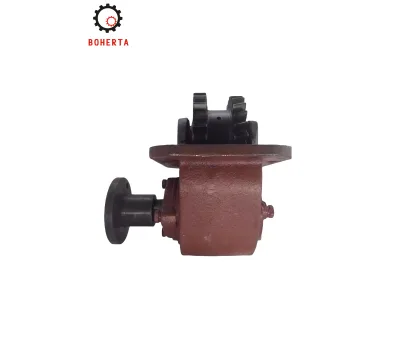
7-120A Inclined 24-25 Straight YP Disc Short air Chamber Power Take-off
$40.00 - $60.00
MOQ: 50 pieces


High Horsepower Removable Hydraulic Power Unit with High Working Efficiency
$36945.00 - $38945.00
MOQ: 1 Sets


High Horsepower Non-Standard Hydraulic Power Unit with Factory Direct Sales
$10880.00 - $11880.00
MOQ: 1 Sets


Chelsea Pto Assembly P/N: 210fmmfp-B211 or 210fmmfpb211 Power Take off
$4236.12 - $5463.85
MOQ: 1 Pieces

Power Take off (PTO) Assembly - 870series, Powershift Hydraulic, 8-Bolt
$2168.00 - $2200.00
MOQ: 1 Pieces


Comprehensive Sourcing Guide
Power Take off Units Sourcing Guide
Procuring power take-off (PTO) units requires a disciplined approach to align mechanical interfaces with operational demands. Buyers must first define the torque and speed requirements, noting that observed specifications include rated output torques around 350 Nm and specific speed ratios such as 1.14. These metrics dictate the unit’s ability to transfer engine power effectively to auxiliary equipment. Understanding the mounting configuration is equally critical, as options like 8-bolt standard mounts ensure compatibility with existing chassis or machinery frames.
The selection process must also account for the control method and manipulation form. Evidence indicates that pneumatic control systems are available, often utilizing single-acting cylinders with spring reset mechanisms for reliable operation. Buyers should verify whether the steering direction is opposite to the engine steering direction, a feature that may be essential for specific vehicle dynamics. Clarifying these mechanical and control parameters early prevents costly integration errors and ensures the PTO unit integrates seamlessly into the broader hydraulic or mechanical system.
Product Scope and Observed Listing Signals
The market for power take-off units encompasses a diverse range of hydraulic systems and power units, reflecting varied industrial applications. Listings reveal product names such as "Hydraulic System" and "Hydraulic Power Unit," indicating that PTOs are often integrated into broader fluid power solutions. Observed models include specific identifiers like Ny-013, Ny-001, and NY-679, alongside generic descriptors like "7-120A inclined." This variety suggests that buyers can find specialized units tailored to distinct pressure and flow requirements, ranging from low-volume applications to high-capacity industrial setups.
Material composition and packaging standards provide additional signals about product quality and handling. Aluminum alloy and metal constructions are common, offering a balance of durability and weight efficiency. Packaging varies from wooden boxes and pallets to cardboard boxes with inner sponge or plastic bag protection, ensuring safe transit. These logistical details are crucial for procurement teams managing inventory and shipping logistics. The presence of customization options further expands the scope, allowing buyers to adapt standard units to unique operational needs without compromising on core performance attributes.
Technical Specifications to Verify
Verifying technical specifications is paramount to ensuring the PTO unit meets operational demands. Key parameters include rated pressure, which can be customized or fixed at values like 180 bar, and gear pump capacities ranging from 0.5 cc/rev to higher volumes. Buyers must confirm the input voltage compatibility, as units support a wide range including AC110V, AC220V, and DC12V/24V configurations. This electrical flexibility is vital for integrating PTOs into vehicles or machinery with diverse power supply systems, preventing electrical mismatches that could lead to system failure.
Noise levels and efficiency are also critical technical factors. Observed units boast noise levels below 80 dB, contributing to a safer and more comfortable working environment. High efficiency and cost-effectiveness are highlighted as key advantages, suggesting optimized energy transfer and reduced operational costs. Additionally, the condition of the product, typically listed as new, and the brand name, such as BHT, provide insights into reliability. Buyers should cross-reference these specifications with their machinery’s requirements to ensure seamless integration and optimal performance under load.
Compliance and Safety Documentation
Compliance with international standards is essential for the safe and legal operation of power take-off units. Certifications such as ISOCE, RoHS, and GS indicate adherence to quality and environmental regulations. Buyers must verify that the supplier provides valid documentation for these certifications, ensuring the product meets regional safety and environmental requirements. This verification process mitigates legal risks and ensures that the PTO unit can be deployed in regulated industries without compliance issues.
Safety features, such as the pneumatic control with spring reset, enhance operational safety by providing a fail-safe mechanism. Buyers should review the controlling method and manipulation form to ensure they align with safety protocols. Additionally, the mounting type and option, such as the 8-bolt standard mount, contribute to mechanical stability and safety. Ensuring that all safety-related specifications are documented and verified before purchase is crucial for protecting personnel and equipment from potential hazards during operation.
Cost Drivers and Commercial Terms
Cost drivers for power take-off units include customization, material quality, and production volume. Customization is available, allowing buyers to tailor units to specific needs, which may impact pricing. The observed price range is broad, from $20 to $1,250,000, reflecting the diversity of products from simple components to complex hydraulic systems. Buyers should analyze the cost per unit against the expected output, such as the 30,000 units per year capacity observed in some listings, to determine the most cost-effective solution for their volume requirements.
Commercial terms, including minimum order quantities (MOQ) and delivery times, also influence total cost. MOQs range from 1 to 50 units, offering flexibility for both small and large orders. Delivery times are typically around 7 days for orders below 50 units, facilitating quick replenishment. Buyers should negotiate these terms to align with their production schedules and budget constraints. Understanding the relationship between customization, volume, and lead times is key to optimizing procurement costs and ensuring timely delivery.
Supplier Qualification and Quality Control
Supplier qualification involves assessing the manufacturer’s location, production capacity, and quality control processes. Observed origins include Shanghai and Shandong in China, regions known for manufacturing expertise. Buyers should verify the supplier’s production capacity, such as the 30,000 units per year observed, to ensure they can meet demand. Quality control measures, including the use of new materials and standardized packaging, are critical for maintaining product consistency and reliability.
Evaluating the supplier’s brand reputation and certification status is also important. Brands like BHT and certifications like ISOCE and RoHS provide indicators of quality and compliance. Buyers should request samples or conduct factory audits to verify quality control practices. Additionally, understanding the supplier’s after-sales support and warranty policies is essential for long-term procurement success. A qualified supplier will provide comprehensive documentation and support, ensuring the PTO units perform reliably throughout their lifecycle.
Long-Term Procurement Checks
Long-term procurement checks focus on sustainability, performance monitoring, and supplier relationship management. Buyers should establish key performance indicators (KPIs) to monitor the PTO units’ performance, such as efficiency, noise levels, and maintenance frequency. Regular audits of the supplier’s quality control processes and compliance documentation ensure ongoing adherence to standards. This proactive approach helps identify potential issues early, allowing for timely corrective actions and minimizing downtime.
Building a strong supplier relationship is crucial for long-term success. Buyers should engage in regular communication with suppliers to discuss performance, feedback, and potential improvements. Collaborative planning for future orders, considering factors like customization needs and volume changes, ensures a steady supply of high-quality PTO units. By focusing on long-term checks and relationship management, buyers can secure a reliable supply chain and optimize the total cost of ownership for their power take-off units.
FAQs
What customization options are available for these units?
Customization is available for these hydraulic systems and power units. Buyers can request specific models like Ny-013 or Ny-001 with tailored pressure ratings. The installation can be horizontal or vertical, and the tank is optional. This flexibility allows adaptation to various industrial requirements without compromising efficiency.
How fast is the delivery time for small orders?
Delivery time is seven days for orders below fifty units. This rapid turnaround applies to the hydraulic power units and power take-off components listed. Buyers should note that larger quantities may require different scheduling. The standard packing includes wooden boxes or pallets to ensure safe transit.
Which certifications do the manufacturers hold for these products?
The products hold ISOCE, RoHS, and GS certifications. These standards ensure safety and compliance for the hydraulic systems and power units. Buyers can verify these credentials when sourcing from suppliers in Shanghai or Shandong. Certification details are critical for meeting international regulatory requirements in various industrial sectors.
Can the units operate with different input voltage standards?
Yes, the units support multiple input voltage standards including AC110V, AC220V, and DC12V. Specific models like Ny-001 handle AC110V while others support DC12V or DC24V. This versatility allows operation in diverse electrical environments. Buyers should select the model matching their specific power supply infrastructure to ensure proper function.
What is the rated pressure for the hydraulic system?
The rated pressure for the hydraulic system is 180 bar. Some models offer customized pressure ratings to meet specific operational needs. This high-pressure capability ensures efficient performance in demanding applications. The noise level remains below 80 decibels during operation, contributing to a safer working environment.
How is the product packed for shipping and storage?
Products are packed in wooden boxes, cardboard boxes, or carton boxes with pallets. Some units use inner sponge or plastic bags for protection before outer packing. This robust packaging ensures the hydraulic power units arrive safely. The gross weight is typically around 10kg per unit, facilitating standard logistics handling.
Which materials are used to construct these hydraulic components?
The components are constructed from aluminum alloy and metal materials. These durable materials ensure longevity and resistance to wear in industrial settings. The choice of material supports the high efficiency and cost-effectiveness of the units. Buyers can rely on these materials for reliable performance in various hydraulic applications.