Source PP Hand Bottle Cleaning Brush for Kitchen, Lab, and Home
Find a PP Hand Bottle Cleaning Brush from 30 verified listings. Compare nylon and sponge head options, plastic handles, and custom branding to select the right tool for personal washing and household care tasks; compare the available evidence and request quotations based on your requirements.
Key considerations
Products List
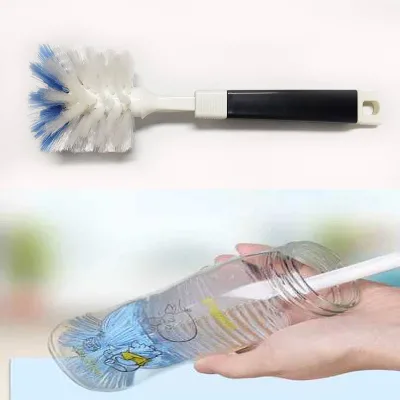
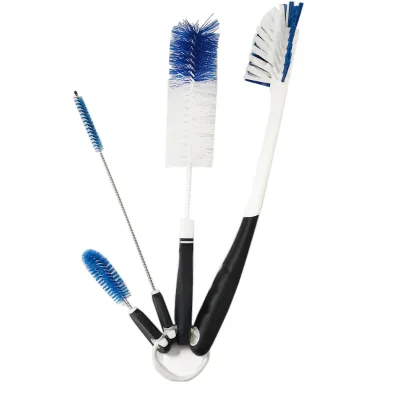
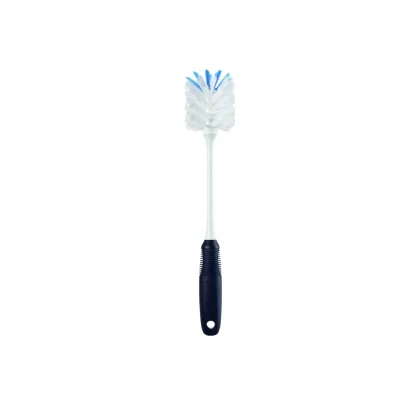
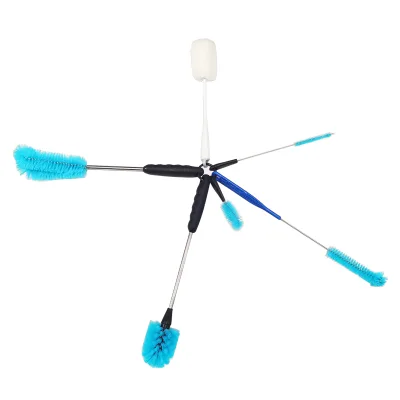
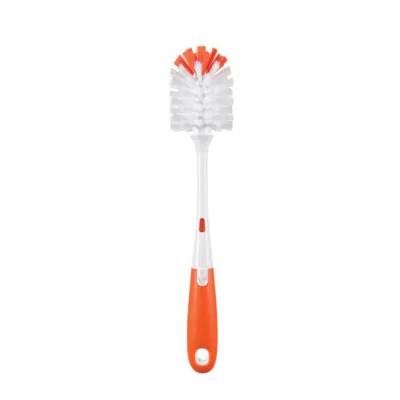
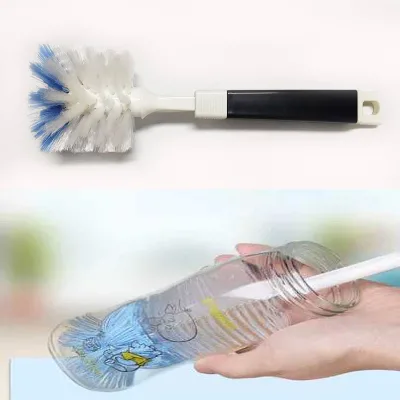
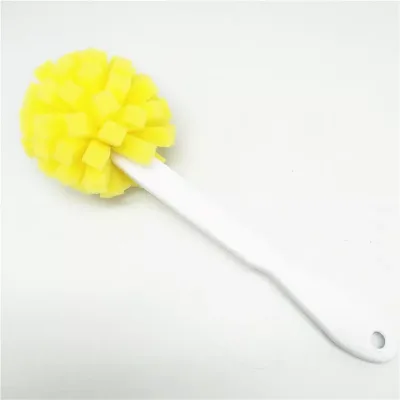
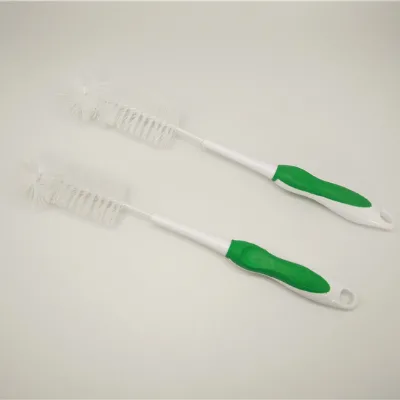
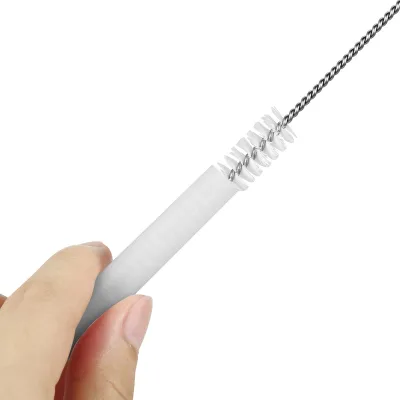
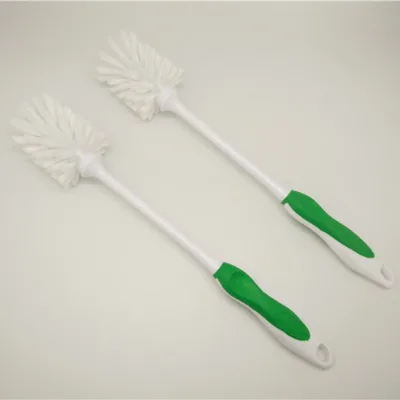


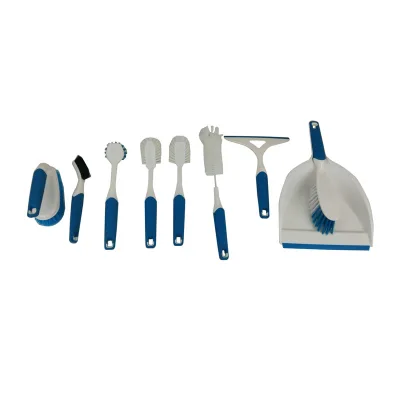
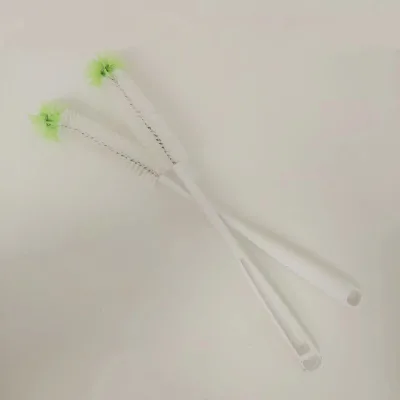
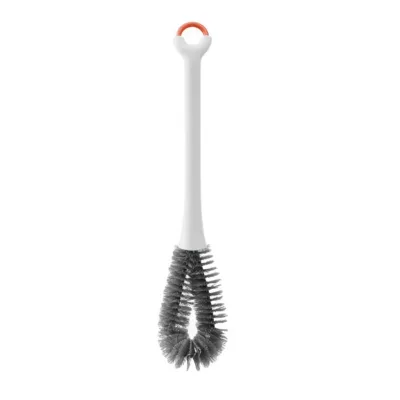
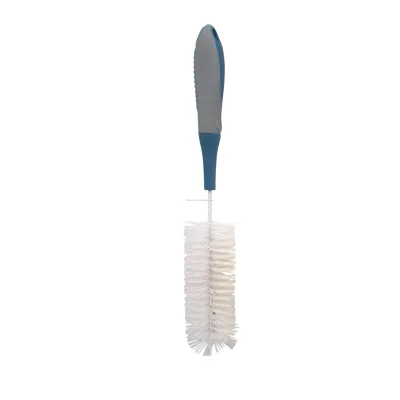


Homeuse Long Handle Holder Round Baby Cleaning Water Bottle Brush with Spray
$0.70 - $1.80
MOQ: 3000 Pieces


Comprehensive Sourcing Guide
PP Hand Bottle Cleaning Brush Sourcing Guide
The PP Hand Bottle Cleaning Brush is a specialized tool designed for the rigorous cleaning of narrow-necked containers, including water bottles, baby bottles, and laboratory glassware. Based on observed market data, these units typically feature a combination of polypropylene handles and heads paired with nylon or sponge bristles to ensure effective scrubbing without damaging delicate surfaces. The product is widely categorized under personal washing and household care, with specific models like the "Body bottle brush 21" indicating a focus on versatile cleaning applications for various container sizes.
Buyers should note that while the core function remains consistent, the physical attributes vary significantly across listings, ranging from single-item packaging to bulk commercial units. The observed product range includes options with custom colors and logos, suggesting a strong market for private labeling and brand differentiation. Understanding these variations is critical for procurement teams, as the distinction between a standard stocked item and a customized OEM order will directly impact lead times, minimum order quantities, and the overall unit cost structure.
Product Scope and Observed Listing Signals
Market listings for this category reveal a diverse array of configurations, with materials consistently identified as polypropylene, nylon, and sponge. The handle is predominantly plastic, though some suppliers offer customization options to meet specific ergonomic or branding requirements. Observed product names such as "Household bottle clean brush" and "Dish washing brushes" indicate that while the primary use is for bottles, the design often overlaps with general kitchen cleaning tasks, requiring buyers to verify the specific intended application for their inventory needs.
Listing signals also highlight significant variability in packaging and dimensions, with single package sizes ranging from compact 30x10x10 cm units to larger 50x40x30 cm boxes. This variation suggests that the product is sold in different configurations, potentially affecting shipping costs and storage requirements. Buyers must carefully review the single gross weight and package dimensions for each specific model, as these factors will influence logistics planning and the final landed cost of the goods.
Technical Specifications to Verify
When evaluating technical specifications, the brush material composition is a primary verification point, with listings citing nylon, PP, and sponge as the standard triad. The head material often combines these elements to balance durability with softness, ensuring that the brush can clean effectively without scratching the interior of the bottle. Buyers should confirm the specific ratio of these materials, as the presence of sponge is crucial for absorbing cleaning agents and reaching into crevices that rigid nylon bristles might miss.
Dimensional consistency is another critical technical factor, as models are available in various sizes such as S, M, and specific model numbers like "Bottle 25" or "DL3017." The single package size and overall weight can differ drastically between a 32g lightweight unit and a 3kg bulk package, which impacts both the handling experience and the shipping efficiency. Procurement teams must align the selected model number with the target container diameter to ensure the brush fits the intended use case without being too loose or too tight.
Compliance and Safety Documentation
Safety documentation for plastic cleaning brushes often centers on the material composition, with listings explicitly stating the use of 100% new material and polypropylene. This specification is vital for products intended for food contact or personal hygiene, as it implies a lack of recycled contaminants that could leach into cleaning solutions or food items. Buyers should request material safety data sheets or declarations of conformity to verify that the PP and nylon components meet relevant food-grade safety standards for the target market.
Environmental compliance is increasingly relevant, as some product attributes explicitly mention features like "Eco-Friendly" and "Sustainable." While these claims are present in the market data, they require substantiation through third-party testing or specific certification documentation before being used in marketing materials. Procurement teams must ensure that any sustainability claims are backed by verifiable evidence, such as recycled content percentages or biodegradability test results, to avoid regulatory risks and maintain brand integrity.
Cost Drivers and Commercial Terms
The commercial landscape for PP hand bottle cleaning brushes is characterized by a wide range of minimum order quantities, observed from as low as 1 unit to as high as 6000 units. This variability allows buyers to source small batches for testing or large volumes for established distribution channels, but it also means that unit pricing will fluctuate significantly based on the order volume. Understanding the specific MOQ for a chosen model is essential for budgeting, as the cost per unit often decreases substantially once the threshold for bulk pricing is met.
Lead times and sample availability are additional cost drivers that influence the total procurement timeline. While some suppliers offer a sample time of just 7 days, others may require up to 30 days, depending on the complexity of customization and current production capacity. Buyers should factor these timelines into their inventory planning, especially when dealing with custom logos or specific color requests, as these value-added services often extend the production window and may incur additional setup fees.
Supplier Qualification and Quality Control
Supplier qualification should begin with verifying the place of origin, as the majority of observed listings originate from Anhui, China, with some from ZHE regions. This geographic concentration suggests a mature supply chain with established manufacturing capabilities, but it also necessitates due diligence to ensure the specific factory meets quality standards. Buyers should assess the supplier's ability to handle OEM requests and their track record for delivering consistent product quality across different batches.
Quality control protocols must address the consistency of the brush bristles and the structural integrity of the plastic handle. Since the product is designed for repeated use and exposure to water and cleaning agents, the bond between the bristles and the head must be robust to prevent shedding. Procurement teams should request pre-shipment inspections that specifically test the durability of the handle and the retention of the bristles, ensuring that the final product performs reliably in real-world cleaning scenarios.
Long-Term Procurement Checks
Long-term procurement success relies on maintaining a stable supply of consistent product attributes, particularly regarding color and material composition. Listings indicate that colors can be customized, but this flexibility introduces a risk of variation between production runs if not strictly controlled. Buyers should establish clear color standards and material specifications in their contracts to ensure that every shipment matches the approved sample, preventing customer dissatisfaction due to aesthetic inconsistencies.
Monitoring supplier performance over time is equally important, as factors like sample times and delivery reliability can shift with market demand. Buyers should track the actual lead times against the quoted 7 to 30-day windows to identify any delays that might disrupt their supply chain. Regular audits of the supplier's quality control processes and their adherence to agreed-upon specifications will help mitigate risks and ensure a sustainable, long-term partnership for the procurement of these essential cleaning tools.
FAQs
What materials are used in the brush head?
The brush head is constructed from a combination of PP, Nylon, and Sponge materials. This specific blend ensures effective cleaning performance while remaining durable for repeated use. The sponge component helps in scrubbing, while the nylon bristles provide the necessary abrasion for thorough bottle cleaning tasks.
Can the product color be customized?
Yes, the product color can be customized according to your specific request. Buyers have the option to select from available colors like blue or other custom shades. This flexibility allows for branding alignment or personal preference, ensuring the cleaning brush meets your exact aesthetic requirements for household or commercial use.
What is the typical sample time for this item?
The sample time is typically listed as 7 days, though some sources indicate a duration of 30 days. This variation depends on the specific supplier and production schedule. Buyers should confirm the exact timeline with the vendor before placing orders to ensure timely receipt of samples for quality evaluation and approval.
Is OEM service available for this cleaning brush?
Yes, OEM service is acceptable for this product. Buyers can request custom logos and specific packaging options, such as Opp Bag packing. This customization capability supports brand development and allows businesses to tailor the product to their market needs, ensuring a unique identity for the household bottle cleaning brush in their inventory.
What is the minimum order quantity for this product?
The minimum order quantity is 500 pieces. This MOQ applies to standard orders for the PP Hand Bottle Cleaning Brush. Buyers should consider this threshold when planning procurement volumes. The product is sold as a single item, and the gross weight per unit is approximately 0.050 kg, aiding in logistics planning.
Where is this product manufactured?
This product is manufactured in Anhui, China, with some listings indicating ZHE as the place of origin. The manufacturing location ensures access to established supply chains for plastic and nylon materials. Buyers sourcing from these regions benefit from competitive pricing and efficient logistics for exporting household cleaning brushes to international markets.