Source PP Food Packaging Blister Tray for Takeout, Retail, and Storage
Compare 30 listings for PP Food Packaging Blister Tray options suitable for takeout, retail display, and home storage. Evaluate transparent PP and PET materials, customizable sizes, and OEM services to find the right disposable trays for your business needs; compare the available evidence and request quotations based on your requirements.
Key considerations
Products List


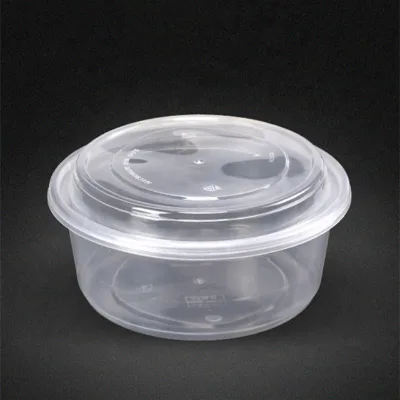
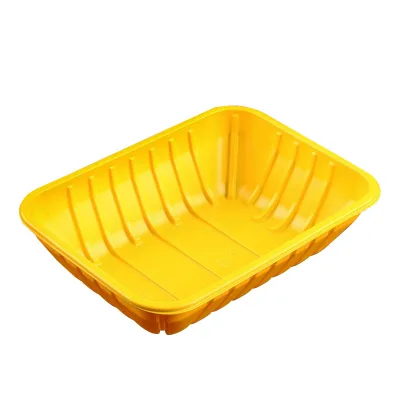


Plastic Food Packaging Trays Disposable Blister Tray Plastic Food Container
$0.04 - $0.08
MOQ: 50000 Pieces


Black White Clear Disposable Blister PP Plastic Food Tray with Sealing
$0.04 - $0.07
MOQ: 50000 Pieces


Eco-friendly food grade plastic PP biodegradable blister fruit packing tray
$0.10 - $0.11
MOQ: 10000 Pieces


blister Biodegradable clear /PP/PET/PS food packaging box plastic tray
$0.12 - $0.15
MOQ: 10000 Pieces


Comprehensive Sourcing Guide
PP Food Packaging Blister Tray Sourcing Guide
Procuring polypropylene blister trays requires a strategic approach that balances material performance with supply chain reliability. Buyers must first define the specific application, whether for fresh fruit clamshells, beverage containers, or general food service items. The observed market data indicates a wide range of product models, from specialized fruit packaging to generic 1000ml food containers, each demanding distinct structural integrity and sealing capabilities. Understanding these variations is critical for selecting the right supplier who can meet precise dimensional and functional requirements.
The sourcing process also involves evaluating the supplier’s flexibility in customization and production volume. Many manufacturers offer OEM and ODM services, allowing brands to tailor tray designs for specific branding or ergonomic needs. However, this flexibility often comes with minimum order quantities that can range significantly, impacting inventory management and cash flow. Buyers should assess whether the supplier’s production capacity aligns with their demand forecasts, ensuring consistent supply without excessive stockpiling or risk of shortages during peak seasons.
Product Scope and Observed Listing Signals
The current market landscape for PP food packaging blister trays reveals a diverse array of product attributes that buyers must navigate carefully. Listings frequently highlight features such as transparency, disposability, and competitive pricing, which are essential for retail appeal and operational efficiency. The observed price range of $0.03 to $15 USD suggests significant variation based on complexity, thickness, and customization level. Buyers should interpret these prices as indicative of different tiers of quality and service, rather than a uniform market rate, and request detailed quotes for their specific volume and design needs.
Material composition is another critical signal, with polypropylene (PP) and polyethylene terephthalate (PET) being the most common plastics cited. While PP is noted for its heat resistance and suitability for microwaveable applications, PET offers superior clarity and rigidity, often used for fruit clamshells. The presence of "Not Eco-Friendly" attributes in some listings serves as a reminder that standard PP trays may not meet sustainability goals unless specified otherwise. Buyers must verify the exact plastic type and any associated recycling claims to ensure alignment with their corporate sustainability policies and end-consumer expectations.
Technical Specifications to Verify
Dimensional accuracy and structural design are paramount when specifying PP blister trays. Buyers should verify critical dimensions such as length, width, and height, which can vary from standard sizes like 15211557mm to fully customized measurements. The model numbers, such as "Plastic Fruit Packaging" or "xy-2026053," often correspond to specific tooling or design templates. It is essential to confirm that the supplier’s tooling matches the required specifications to avoid fitment issues with filling machinery or packaging lines. Requesting physical samples or detailed CAD drawings is a prudent step to validate these technical parameters before committing to large-scale production.
Surface finish and printing capabilities also play a significant role in the final product’s quality and marketability. Techniques like offset printing and film lamination are commonly used to enhance visual appeal and provide branding space. Buyers must ensure that the printing process does not compromise the tray’s food safety or structural integrity. Additionally, the availability of single-page printing versus multi-sided options should be clarified, as this affects design complexity and cost. Confirming the supplier’s ability to handle specific surface finishes ensures that the final product meets both aesthetic and functional requirements.
Compliance and Safety Documentation
Food contact safety is the primary concern when sourcing PP blister trays, requiring rigorous verification of compliance documentation. Buyers must ensure that suppliers provide certificates confirming that the materials meet relevant food safety standards, such as FDA or EU regulations, depending on the target market. Although specific certification statuses are not always listed in general product descriptions, reputable suppliers should be able to provide test reports demonstrating the absence of harmful substances like BPA or heavy metals. This documentation is crucial for maintaining brand integrity and avoiding regulatory penalties in international trade.
Packaging and labeling standards also contribute to overall compliance and supply chain efficiency. The observed packing methods, such as plastic bags within cartons or specific set counts like 150 sets per carton, indicate varying levels of logistical preparation. Buyers should verify that the packaging protects the trays from contamination and damage during transit. Furthermore, clear labeling on the outer cartons, including product names, quantities, and handling instructions, facilitates smoother warehouse operations. Ensuring that all packaging materials are also food-safe or suitable for indirect food contact is a necessary step in the compliance verification process.
Cost Drivers and Commercial Terms
Several factors influence the total cost of ownership for PP food packaging blister trays, beyond the unit price. Minimum order quantities (MOQs) are a significant driver, with observed ranges from 1,000 to 100,000 pieces. Higher volumes typically secure better unit prices but require greater storage capacity and capital investment. Buyers should negotiate MOQs based on their consumption rates and storage capabilities, considering whether the supplier offers flexible terms for trial orders or seasonal adjustments. Understanding the cost implications of different MOQs helps in optimizing inventory levels and reducing holding costs.
Lead times and shipping methods also impact the overall procurement cost and supply chain resilience. Sample production times of 3-7 days and bulk production times of 15-20 days are common, but these can vary based on order complexity and supplier workload. Shipping by sea is a cost-effective option for large volumes, though it extends delivery times. Buyers should factor in these lead times when planning production schedules and inventory replenishment. Additionally, exploring options for expedited shipping or local warehousing can mitigate risks associated with supply chain disruptions, albeit at a higher cost.
Supplier Qualification and Quality Control
Evaluating supplier qualifications is essential to ensure consistent quality and reliable service. Buyers should assess the supplier’s manufacturing capabilities, including their experience with PP and PET materials, and their ability to handle OEM and ODM requests. The presence of advanced processes like pulp molding or film lamination indicates a diverse technical portfolio, but buyers must verify that the supplier specializes in the specific type of tray they require. Requesting references or case studies from similar clients can provide insights into the supplier’s reliability and quality consistency.
Quality control measures should be clearly defined and agreed upon before production begins. Buyers should inquire about the supplier’s internal quality assurance processes, including inspection protocols for dimensions, surface defects, and material purity. Establishing clear acceptance criteria and sampling plans, such as AQL standards, helps in managing quality risks. Additionally, considering third-party inspections for initial production runs or periodic audits can provide an independent verification of quality standards. Building a strong relationship with the supplier through regular communication and feedback loops further enhances quality control and operational efficiency.
Long-Term Procurement Checks
Sustainability and environmental impact are increasingly important factors in long-term procurement strategies for PP food packaging. Buyers should explore options for recyclable or bio-based materials, even if standard PP trays are currently labeled as not eco-friendly. Engaging with suppliers who are investing in sustainable practices or offering recycled content options can help align procurement with corporate sustainability goals. Additionally, considering the end-of-life options for the trays, such as industrial composting or recycling programs, can enhance brand reputation and meet consumer demand for environmentally responsible products.
Continuous improvement and innovation in packaging design can also drive long-term value. Buyers should stay informed about emerging technologies and materials that offer improved performance, such as enhanced barrier properties or reduced material thickness without compromising strength. Regularly reviewing supplier performance and market trends allows for proactive adjustments to sourcing strategies. By fostering a collaborative relationship with suppliers, buyers can co-develop innovative solutions that address evolving market needs, ensuring that their PP food packaging remains competitive and compliant in the long run.
FAQs
What materials are used for the plastic fruit packaging trays?
The trays are primarily made from PP plastic, though some variants use PET. These materials ensure durability and transparency for food display. The specific plastic type depends on the model selected, such as the food tray or fruit clamshell designs available for customization.
Can I customize the size and color of the plastic trays?
Yes, customization is available for both size and color. You can request specific dimensions like 152*115*57mm or choose colors such as transparent or black. The product supports OEM services, allowing you to tailor the packaging to your specific branding and functional requirements.
What is the minimum order quantity for these food packaging trays?
The minimum order quantity varies by product, typically ranging from 3000 to 100000 pieces. Some specific models require a high volume of 100000 pieces, while others may start at 3000. Buyers should verify the exact MOQ for their chosen model number before placing an order.
How long does it take to receive samples and production?
Sample preparation usually takes 3 to 7 days, with some options available as free stock samples. Full production time generally ranges from 15 to 20 days after order confirmation. Shipping is typically arranged by sea, which adds to the total delivery timeline depending on the destination.
Where are these plastic food packaging trays manufactured?
These trays are manufactured in China, with specific origins noted in Shandong and Guangdong provinces. The products are designed for various applications including restaurants, parties, and home use. Buyers can expect consistent quality from these established manufacturing regions in China.
Are the plastic trays recyclable or eco-friendly?
Some products are marked as recyclable, while others are explicitly noted as not eco-friendly. The material composition, such as PP or PET, influences the environmental profile. Buyers should check the specific product standard and feature list to determine the eco-friendliness of the chosen packaging solution.
What printing options are available for customizing the packaging?
Offset printing is available for applying custom designs and branding to the trays. The surface finish may include film lamination to enhance durability and appearance. This allows for single-page printing or other customization needs to meet specific marketing or identification requirements for the food products.