Source Prefabricated Pickleball Court Flooring Roll for Sports, Outdoor, Indoor
Compare 30 listings of Prefabricated Pickleball Court Flooring Roll designed for sports, outdoor, and indoor use. These rolls feature durable PVC materials, customizable colors, and shock absorption rates exceeding 50% for reliable performance.
Key considerations
Products List


Eco-Friendly Material Multi Functions Pickleball Court Sports Flooring Roll
$1.90 - $3.00
MOQ: 10000 Square Feet

Portable Pickleball Roll Court Tennis Volleyball Prefabricated Pickleball Court Flooring
$1.90 - $3.00
MOQ: 10000 Square Feet

Factory Price High Quality Roll Pickleball Court Roll Prefabricated Pickleball Court Flooring
$1.90 - $3.00
MOQ: 10000 Square Feet
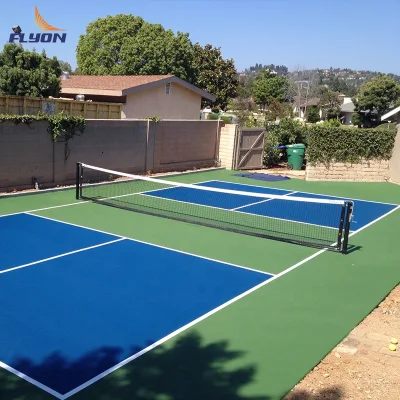
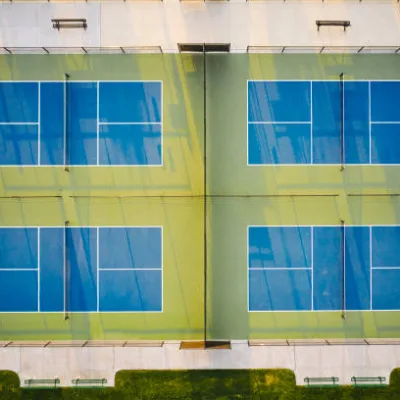
2024 China Durable Surface Mats Prefabricated PVC Roll for Pickleball Sport
$40.80 - $86.69
MOQ: 1 square
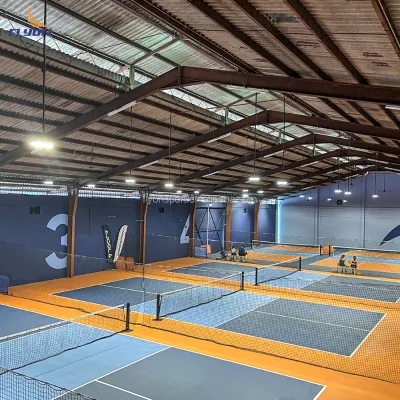

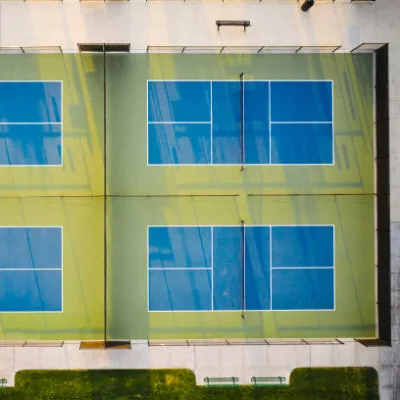
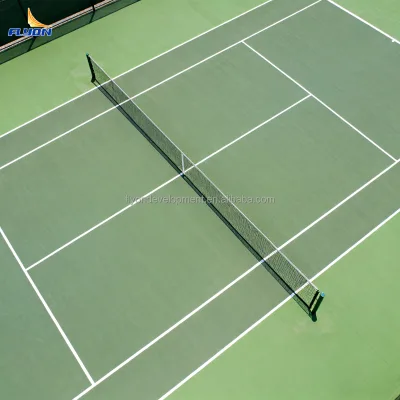
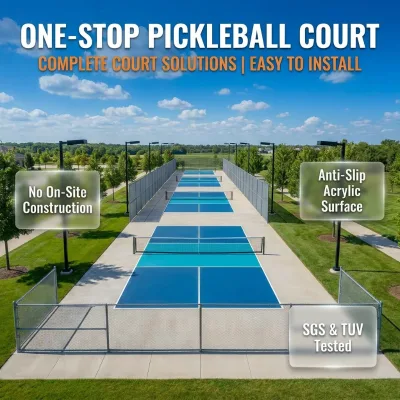
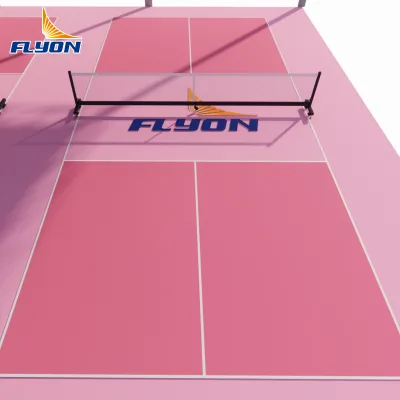
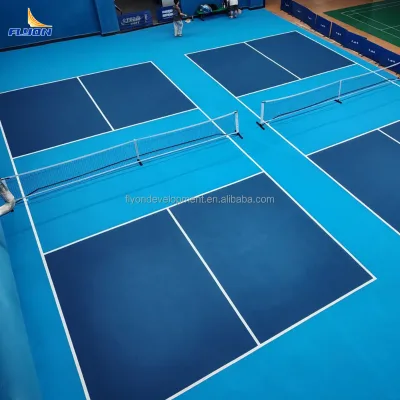


Custom Outdoor Sun-Proof and Fade-Resistant Pickleball Court Flooring
$9.90 - $99.90
MOQ: 100 Square Meters


PVC Flooring Indoor Portable Roll by Roll Pickleball Court Floor Vinyl Floor
$2.60 - $8.16
MOQ: 300 Square Meters

PVC Sports Court Flooring Portable Pickleball Floor with Best Price
$3.45 - $5.35
MOQ: 300 Square Meters

China PVC Pickleball Flooring Roll for Quick Installation and Multi Purpose Courts
$7.90 - $11.70
MOQ: 200 Square Meters

Eco-Friendly Indoor Outdoor Sports Court Floor Roll Pickleball Flooring with CE/SGS Certification
$4.50 - $6.00
MOQ: 100 Square Meters

High-Quality Sports Floor Court Pickleball Roll with CE/SGS Certification for Durability
$4.50 - $6.00
MOQ: 100 Square Meters

High-Performance Acrylic Sports Flooring for Durable Pickleball Courts
$3.00 - $15.00
MOQ: 500 Square Meters
Comprehensive Sourcing Guide
Strategic Sourcing Guide for Prefabricated Pickleball Court Flooring Rolls
Understanding the Core Product Architecture and Material Composition
The procurement of prefabricated pickleball court flooring rolls requires a precise understanding of the material architecture that defines performance, durability, and safety. Based on available market data, the primary material composition for these systems is Polyvinyl Chloride (PVC), often integrated with acrylic and sand components to achieve specific surface characteristics. This composite structure is designed to balance the need for a consistent playing surface with the flexibility required for roll-based installation. The material profile typically includes a base layer that provides structural integrity and a top layer engineered for friction and shock absorption.
Buyers must recognize that the "sand" component mentioned in product attributes often refers to the surface texture or a specific layer within the composite, contributing to the "Solid" or "Sand" pattern variations observed in the market. This texture is critical for player traction, distinguishing the flooring from standard smooth vinyl. The product is frequently categorized as "Environmental Friendly," suggesting the use of non-toxic, low-VOC materials, which is a significant consideration for indoor air quality and general safety compliance. The material is also described as lightweight and portable, a direct result of the roll format, which contrasts with rigid tile or poured concrete alternatives.
The physical dimensions of these rolls are a primary specification for logistics and planning. Standard roll dimensions observed in the market include a width of 2 meters and a length of 10 meters per roll, though custom lengths such as 20 by 44 feet are also available. This variability necessitates careful calculation of total square footage required for a court to minimize waste and seam placement. The thickness of the material is another critical variable, with options typically ranging between 2mm and 3mm. This thickness directly influences the shock absorption rate, which is a key performance metric for player safety and joint protection.
Technical Performance Metrics and Surface Engineering
When evaluating prefabricated flooring for pickleball, technical performance metrics must be scrutinized to ensure the surface meets the dynamic demands of the sport. A primary performance indicator is the shock absorption rate, with high-quality rolls demonstrating a rate exceeding 50%. This metric is essential for reducing the impact on players' knees and ankles during high-intensity rallies. The vertical deformation of the surface is another observable attribute, with specific data points indicating a deformation of 2.3mm under load. This level of deformation suggests a surface that offers sufficient cushioning without being overly spongy, which could negatively affect ball bounce consistency.
The friction factor is a critical safety parameter. In the context of the supplied data, a friction factor of 0 is noted, which likely represents a specific testing condition or a baseline for the material's coefficient of friction in a dry state. However, for practical application, the surface must provide adequate grip to prevent slipping during lateral movements. The product features are explicitly listed as "Anti-Slip," "Wear Resistant," and "Durable," indicating that the surface engineering is designed to withstand the abrasive nature of pickleball shoes and the frequent sliding motions inherent to the game.
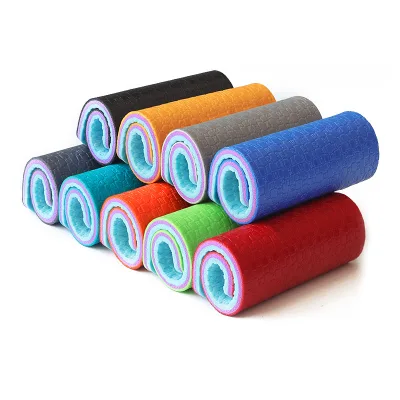
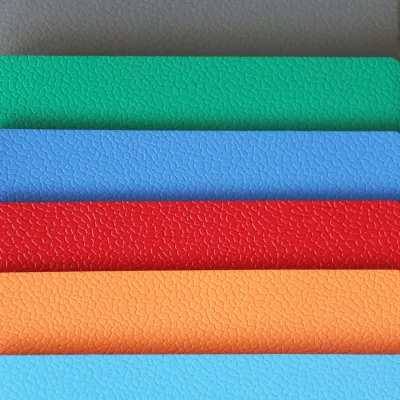
Color and pattern are not merely aesthetic choices but functional elements of the court. The standard color observed is blue, but "Customized Color" and "Or Customized" options are widely available. The pattern can range from "Solid" to "Sand," allowing buyers to select a visual style that matches venue branding or personal preference. The "Eco-Friendly" and "Environmental Friendly" labels suggest that the manufacturing process and material composition adhere to sustainability goals, which is increasingly important for commercial and municipal procurement. The product is also designed for both indoor and outdoor usage, provided the material is rated for the specific environmental conditions, such as UV resistance for outdoor applications.
Compliance, Certification, and Regulatory Verification
Navigating the compliance landscape for sports flooring requires a distinction between observed product attributes and verified third-party certifications. While the supplied data mentions "CE" and standards such as "EN430" and "EN426" in a low-confidence background context, buyers must not assume these certifications are present on every unit without explicit verification. The presence of these standards in the background data indicates that they are relevant to the category, but their application to a specific supplier's product must be confirmed through documentation.
Buyers should request current, valid certification documents from suppliers before finalizing any purchase. The "EN430" and "EN426" standards, if applicable, typically relate to specific aspects of flooring performance, such as slip resistance or fire safety, but the exact scope must be clarified. Similarly, while "CE" marking is a common indicator of compliance with European health, safety, and environmental protection standards, it is not a guarantee of sports-specific performance. The procurement process must include a verification step where the supplier provides the specific test reports that link the product to these standards.
In addition to international standards, buyers should verify compliance with local building codes and sports governing body requirements. For instance, if the court is intended for competitive play, the surface may need to meet specific criteria set by organizations like the International Federation of Pickleball (IFP) or local equivalents. The "Environmental Friendly" attribute should be supported by Material Safety Data Sheets (MSDS) or environmental product declarations (EPD) that detail the chemical composition and environmental impact of the PVC and acrylic components. This due diligence ensures that the flooring is safe for both players and the environment, mitigating liability risks associated with toxic emissions or non-compliant materials.
Cost Drivers, Pricing Structures, and Minimum Order Quantities
The economics of sourcing prefabricated pickleball court flooring rolls are influenced by several variables, including material costs, customization levels, and order volume. The observed price range in the market spans from $1.9 to $118 USD, a significant variance that reflects differences in material quality, thickness, and order size. The lower end of this range likely corresponds to basic, non-customized rolls with standard thickness, while the higher end may include premium features, custom colors, or specialized performance enhancements.
Minimum Order Quantity (MOQ) is a critical factor in procurement planning. The market data indicates an MOQ range from 1 to 10,000 units. This wide range suggests that suppliers cater to both small-scale projects, such as community centers or private backyards, and large-scale commercial developments. Buyers with smaller needs can often source single items or small batches, but this may come at a higher unit cost. Conversely, larger orders can leverage economies of scale to reduce the per-unit price, but they require a significant upfront investment and storage capacity.
Other cost drivers include the customization of the logo and color. The "Customized" logo and "Customized Color" options are available, which typically incur additional setup fees or higher unit costs. The packaging method, described as "Roll" and "Standard Carton," also impacts shipping costs. The single package size of 35x35x13 cm or 35x35x15 cm, with a gross weight of 1.000 kg to 3.000 kg per unit, must be factored into logistics planning. Buyers should calculate the total landed cost, including freight, insurance, and customs duties, to get an accurate picture of the project budget.
Supplier Evaluation and Operational Capabilities
Evaluating potential suppliers requires a focus on their operational capabilities, service levels, and track record. The "Brand Name" field in the data includes "Flyon Sports" as an example, but buyers should not rely on a single brand name. Instead, they should assess the supplier's ability to meet specific project requirements, such as the "Service Year" of 8 years or the "Durable Years" of over ten years. These figures indicate the expected lifespan of the product, which is a strong indicator of quality and manufacturer confidence.
The "Service" attribute of "24 Hours Online" suggests a high level of customer support availability, which is crucial for resolving issues related to order status, technical queries, or after-sales support. The "Sample" lead time of 5-7 days is another operational metric that buyers should consider. A short sample lead time allows for rapid prototyping and quality verification before committing to a large order. However, buyers must also verify the actual production lead time for bulk orders, as this can vary significantly based on the supplier's capacity and current demand.
Location is a key factor in supplier selection. The "Place of Origin" is listed as "Guangdong, China," a major manufacturing hub for sports flooring. While this location offers competitive pricing and a wide range of suppliers, it also introduces considerations regarding shipping times and import regulations. Buyers should evaluate the supplier's experience with international shipping and their ability to handle documentation and customs clearance efficiently. The "Installation Ways" being "Movable" is a significant advantage, as it allows for flexible court setups and easy relocation, which is ideal for multi-purpose venues.
Quality Control Protocols and Long-Term Procurement Strategy
Implementing a robust quality control (QC) protocol is essential to ensure that the delivered flooring meets the specified performance criteria. Buyers should establish clear acceptance criteria based on the technical specifications, such as the shock absorption rate (>50%), vertical deformation (2.3mm), and thickness (2mm or 3mm). Pre-shipment inspections should be conducted to verify these metrics, either through third-party testing agencies or by reviewing the supplier's internal QC reports. The "Single gross weight" and "Single package size" should also be verified to ensure that the packaging is sufficient to protect the rolls during transit.
Long-term procurement considerations involve assessing the durability and maintenance requirements of the flooring. The "Durable Years" attribute of "Over Ten Years" suggests a long service life, but this is contingent on proper installation and maintenance. Buyers should inquire about the recommended cleaning procedures and the availability of replacement parts or repair kits. The "Feature" list includes "Wear Resistant" and "Anti-Slip," which are critical for maintaining performance over time. However, buyers should also consider the environmental factors that could affect the longevity of the product, such as UV exposure for outdoor courts or humidity levels for indoor facilities.
The "Application" of "Outdoor" and "Indoor" indicates versatility, but buyers must ensure that the specific product selected is rated for the intended environment. For outdoor use, UV stability and resistance to temperature fluctuations are paramount. For indoor use, air quality and slip resistance are the primary concerns. The "Age Group" of "Children, Adults, Teenagers" suggests that the flooring is suitable for a wide range of users, but the specific needs of each group should be considered when selecting the surface texture and thickness.
Comparative Analysis of Product Variants and Selection Criteria
To facilitate informed decision-making, buyers should compare different product variants based on key attributes. The following table summarizes the observed variations in the market:
| Attribute | Variant A (Standard) | Variant B (Custom) | Variant C (Premium) |
|---|---|---|---|
| Material | PVC | PVC & Acrylic & Sand | PVC & Acrylic & Sand |
| Thickness | 2mm | 2mm or 3mm | 3mm |
| Color | Blue | Customized Color | Customized Color |
| Pattern | Solid | Sand | Sand |
| Shock Absorption | >50% | >50% | >50% |
| Durability | Over Ten Years | Over Ten Years | Over Ten Years |
| Usage | Indoor/Outdoor | Indoor/Outdoor | Indoor/Outdoor |
| MOQ | 1-10000 | 1-10000 | 1-10000 |
| Sample Lead Time | 5-7 Days | 5-7 Days | 5-7 Days |
This comparison highlights that while the core performance metrics remain consistent across variants, the customization options and material composition offer flexibility to meet specific project needs. Buyers should prioritize the variant that best aligns with their budget, aesthetic requirements, and performance expectations. The "Movable" installation method is a common feature across all variants, offering a significant advantage in terms of flexibility and cost-effectiveness for venues that require multi-purpose use.
In conclusion, sourcing prefabricated pickleball court flooring rolls requires a balanced approach that considers technical specifications, compliance, cost, and supplier reliability. By adhering to the guidelines outlined in this guide, buyers can make informed decisions that ensure the delivery of high-quality, durable, and safe flooring solutions for their specific applications. The focus should remain on verifying claims through documentation and testing, rather than relying on general market observations, to mitigate risks and ensure long-term satisfaction with the procurement outcome.
FAQs
What material is used for the Prefabricated Pickleball Court Flooring Roll?
The primary material is PVC, often integrated with acrylic and sand components. This composite structure balances structural integrity with surface friction, ensuring a consistent playing experience for both indoor and outdoor applications.
How thick are the standard rolls available for purchase?
Standard thickness options typically range between 2mm and 3mm. This specific thickness directly influences the shock absorption rate, which exceeds 50%, providing necessary cushioning for player safety during high-intensity rallies.
Can the product be customized for specific court colors and logos?
Yes, customization is available for both colors and logos. Buyers can select from standard blue or request customized colors, while the logo can be tailored to match venue branding or organizational identity without compromising durability.
What is the expected durability and service life of this flooring?
The product is designed to last over ten years under normal usage conditions. It features wear-resistant and anti-slip properties, ensuring long-term performance for sports facilities that require reliable and safe playing surfaces.
How are the rolls packaged and what are the dimensions?
Rolls are packaged in standard cartons with dimensions of approximately 35x35x13 cm. Each roll typically has a width of 2 meters and a length of 10 meters, with a gross weight ranging from 1 to 3 kg per unit.
What is the lead time for receiving product samples?
Sample lead time is typically 5 to 7 days. This allows buyers to verify quality and specifications before committing to larger orders, ensuring the product meets the required shock absorption and friction standards.