Source Prefabricated Steel Structure Metal Garage for Factory, Community, and Farmhouse
Source Prefabricated Steel Structure Metal Garage solutions for diverse applications including factory parking sheds, community carports, and farmhouse structures. Compare 30 available options featuring bolt or welded connections, customizable designs, and anti-corrosion treatments to find the right fit for your project.
Key considerations
Products List


Durable Prefabricated Metal Garage with Steel Structure and Panels
$20.00 - $45.00
MOQ: 200 Square Meters

Durable Prefabricated Mobile Steel Structure Storage Shed Garage
$20.00 - $45.00
MOQ: 200 Square Meters

Prefabricated Steel Structure Metal Frame Customized Garage for Protection and Storage
$20.00 - $45.00
MOQ: 200 Square Meters


Metal Prefab Engineering Steel Structure Manufacture Car Garage
$35.00 - $80.00
MOQ: 200 Square Meters

Prefabricated Light Steel Structure Construction Shed Industrial Metal Garage
$60.00 - $120.00
MOQ: 200 Square Meters

Prefabricated Structural Building Metal Industrial Frame Steel Warehouse Garage
$35.00 - $80.00
MOQ: 200 Square Meters


Easy Assemble Cheap Prefabricated Prefab Metal Steel Structure Car Garage
$30.00 - $58.00
MOQ: 10 Square Meters


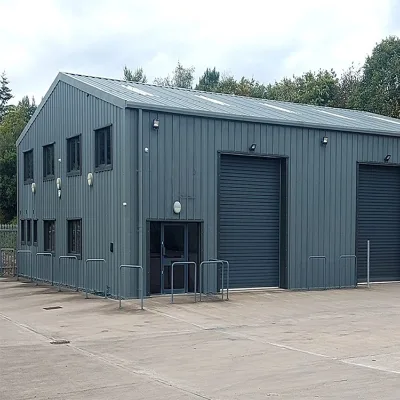


Prefabricated Steel Structure Car Garage
$5000.00 - $9000.00
MOQ: 1 Pieces
Qingdao Xinguangzheng Huayang Construction Engineering Co., Ltd.

New Easy Assembled Prefabricated Steel Structure Garage
$5000.00 - $9000.00
MOQ: 1 Pieces
Qingdao Xinguangzheng Huayang Construction Engineering Co., Ltd.


Light Steel Prefab Metal Steel Structure Garage Prefabricated Car Garage Carport
$30.00 - $60.00
MOQ: 100 Square Meters

Light Steel Frame Steel Structure Warehouse Prefab House Prefabricated Warehouse Car Garage
$30.00 - $60.00
MOQ: 100 Square Meters

Prefabricated Steel Structure Metal Frame Customized Garage for Protection Storage
$24.99 - $34.99
MOQ: 1000 Square Meters


Customized Designed Parking Steel Strucuture Specialized Garage
$1000.00 - $1300.00
MOQ: 1 Square Feet

Comprehensive Sourcing Guide
Prefabricated Steel Structure Metal Garage Sourcing Guide
Sourcing a Prefabricated Steel Structure Metal Garage requires a disciplined approach to verifying material integrity, connection methods, and surface treatments. Buyers must distinguish between generic steel components and engineered systems designed for specific environmental loads. The observed market data indicates a wide variance in product models, ranging from standard light steel structures to complex warehouse-grade assemblies, necessitating careful alignment between the supplier’s technical capabilities and the buyer’s site-specific requirements.
This guide focuses on evidence-based verification steps rather than marketing claims. It addresses the critical decision points in procurement, including the selection of steel grades, the validation of anti-corrosion protocols, and the assessment of supplier quality control systems. By adhering to these verification protocols, procurement teams can mitigate risks associated with structural failure, premature degradation, and non-compliance with international engineering standards.
Product Scope and Observed Listing Signals
The current market landscape for prefabricated steel garages reveals a diverse range of product configurations, primarily driven by the intended application and structural scale. Observed listings highlight applications such as factory parking sheds, community carports, and farmhouse structures, indicating that the product scope extends beyond simple residential storage to include commercial and industrial utility. Buyers should note that product models vary significantly, with identifiers such as LF-SD01, LF G37, and KXD-SSW637 appearing in supplier catalogs, suggesting that each model may correspond to distinct load-bearing capacities or span requirements.
Material composition is a primary differentiator among suppliers, with Q235B, Q355b, A36, S235jr, and S355jr being commonly cited steel grades. These designations reflect varying yield strengths and chemical compositions, which directly impact the structural integrity of the garage under wind or seismic loads. Additionally, the presence of automated features and high-intensity design attributes in some listings suggests that modern prefabricated systems are increasingly optimized for rapid assembly and durability. Buyers must verify that the specific steel grade and structural design align with the local building codes and environmental conditions of the installation site.
Technical Specifications to Verify
Surface treatment is a critical technical specification that determines the longevity of a prefabricated steel garage, particularly in corrosive environments. Suppliers frequently offer options such as SA2.5 shot blasting with primer, hot-dip galvanization, or specialized paint systems. The choice of surface treatment must be validated against the local climate, as inadequate protection can lead to rapid corrosion and structural compromise. Buyers should request detailed specifications for the coating thickness and type, ensuring that the treatment process meets industry standards for durability and adhesion.
Connection methods and structural assembly details are equally vital for ensuring the stability and ease of installation of the garage. Observed data indicates the availability of both bolted and welded connection forms, each with distinct advantages regarding on-site assembly speed and structural rigidity. Bolted connections are often preferred for their ease of disassembly and transport, while welded connections may offer superior continuity in specific structural members. Additionally, the inclusion of online guidance and turnkey project management services can significantly reduce installation risks, provided that the engineering drawings and assembly instructions are clear and compliant with the specified design life.
Compliance and Safety Documentation
Verification of engineering standards and certifications is essential to ensure that the prefabricated steel structure meets international safety and quality benchmarks. While some suppliers reference customizable standards, others explicitly cite compliance with ISO, SGS, and BV certifications, which provide a baseline for quality management and inspection processes. Buyers should confirm that the supplier’s quality control protocols include daily inspections and that the final product is accompanied by relevant test reports and material certificates. This documentation is crucial for passing local building inspections and ensuring that the structure is fit for its intended use.
The design life and warranty terms offered by suppliers serve as indicators of their confidence in the product’s durability. A design life of 50 years is commonly cited in the market, reflecting the long-term performance expectations of high-quality steel structures. However, buyers should carefully review the warranty conditions, as limited warranties may exclude certain types of damage or require specific maintenance routines. Understanding the scope of the warranty and the after-sales support provided, such as online technical support, is vital for managing long-term ownership costs and ensuring timely resolution of any structural issues.
Cost Drivers and Commercial Terms
The pricing of prefabricated steel structure metal garages is influenced by several key factors, including the type and grade of steel used, the complexity of the design, and the extent of customization required. Observed price ranges vary widely, reflecting differences in material costs, manufacturing processes, and supplier margins. Buyers should be aware that lower prices may correlate with thinner steel gauges or less robust surface treatments, which can compromise the structural integrity and lifespan of the garage. A thorough cost-benefit analysis should consider the total cost of ownership, including maintenance and potential replacement costs.
Minimum order quantities (MOQ) and packaging requirements also play a significant role in the commercial terms of the procurement. MOQs can range from single units to larger batches, depending on the supplier’s production capacity and the buyer’s needs. Packaging is typically designed to be seaworthy, utilizing bundles, steel crates, or plastic wraps with edge protectors to prevent damage during transit. Buyers should verify that the packaging method is suitable for the chosen mode of transport and that it includes clear labeling and handling instructions to minimize the risk of damage upon arrival.
Supplier Qualification and Quality Control
Assessing the supplier’s engineering capabilities and quality control systems is a critical step in the sourcing process. Suppliers with dedicated engineering teams and the use of CAD tools are better positioned to provide customized solutions and accurate structural calculations. The presence of a substantial engineering team, such as one with 20 members, suggests a higher capacity for handling complex projects and providing technical support. Buyers should request examples of previous projects and verify the supplier’s ability to deliver turnkey solutions, including design, manufacturing, and installation guidance.
Quality control practices should be rigorously evaluated to ensure consistency and reliability in the final product. Daily quality control checks and adherence to international standards like ISO are strong indicators of a supplier’s commitment to quality. Buyers should inquire about the specific inspection points during the manufacturing process, including material testing, weld quality, and surface treatment verification. Additionally, the supplier’s ability to provide detailed production schedules and progress reports can help buyers monitor the manufacturing process and ensure timely delivery.
Long-Term Procurement Checks
Post-installation support and maintenance requirements are essential considerations for the long-term success of a prefabricated steel garage. Suppliers that offer comprehensive after-sales services, including online technical support and extended warranties, provide greater peace of mind for buyers. Buyers should clarify the scope of these services, including response times and the availability of replacement parts. Understanding the maintenance requirements, such as periodic inspections and recoating, is also crucial for preserving the structural integrity and appearance of the garage over its design life.
Finally, buyers should establish a clear communication channel with the supplier for any future modifications or expansions. The availability of customization options and the supplier’s flexibility in accommodating changes can be valuable assets for long-term procurement planning. By maintaining a strong relationship with a qualified supplier, buyers can ensure that their prefabricated steel structure remains a reliable and cost-effective asset for decades. Regular reviews of the supplier’s performance and adherence to agreed-upon standards will help sustain the quality and value of the procurement investment.
FAQs
What materials are used for prefabricated steel structure metal garages?
These structures typically use steel grades such as Q235B, Q355b, A36, S235jr, and S355jr. The specific material selection depends on the design requirements and load-bearing needs of the intended application.
How long is the service life of a Prefabricated Steel Structure Metal Garage?
The design life is 50 years, ensuring long-term durability for applications like factory parking sheds and community carports. This longevity is supported by anti-corrosion treatments and high-intensity steel components.
Can customization be applied to prefabricated steel structure metal garages?
Yes, customization is available to meet specific project needs. Buyers can request tailored sizes, colors based on Ral references, and specific surface treatments like hot-dip galvanizing or painting.
What connection forms are used in prefabricated steel structure metal garages?
Both bolt connections and welded connections are utilized depending on the structural design. This flexibility allows for efficient assembly and ensures stability during the construction period.
How is the Prefabricated Steel Structure Metal Garage packed for shipping?
Products are packed in bundles, steel crates, or plastic wrap with edge protectors. Seaworthy packages are specifically designed for steel structure garages, workshops, and warehouses to ensure safe transport.
What warranty is provided for prefabricated steel structure metal garages?
A 30-year limited warranty is offered to guarantee product quality and performance. This warranty covers the structural integrity and durability of the steel components over an extended period.
Which standards apply to prefabricated steel structure metal garages?
Products comply with customizable standards including ISO, SGS, and BV certifications. Specific models may also adhere to international standards like AISI, ASTM, BS, DIN, GB, JIS, and EN.