Source professional tempered glass scuba mask with go-pro mount for diving, snorkeling, and underwater filming
Find 30 options for a professional tempered glass scuba mask with go-pro mount designed for clear vision and secure camera attachment. Compare features like silicone frames, adjustable straps, and single or full-face designs to identify suitable suppliers for diving, snorkeling, and underwater photography projects.
Key considerations
Products List
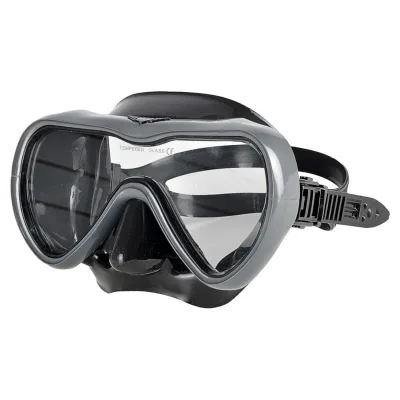
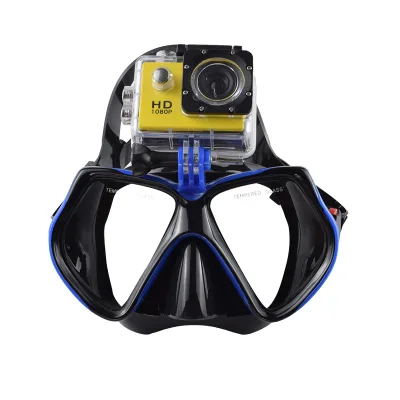
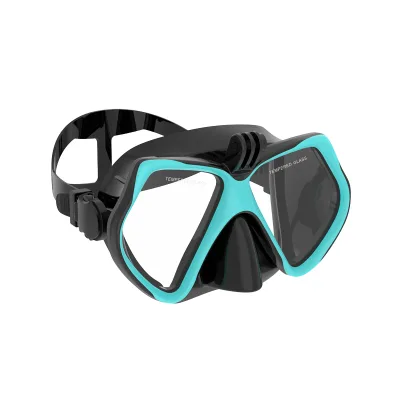
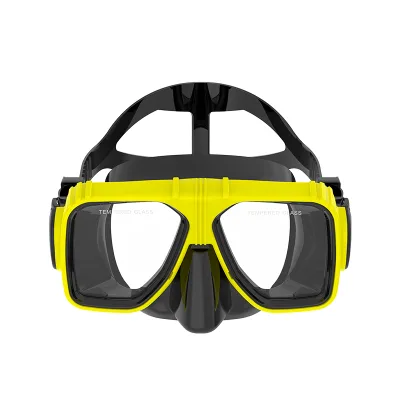
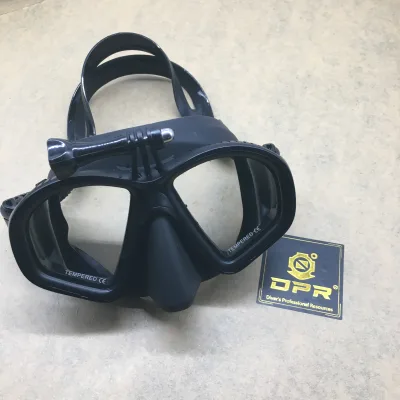


Anti-Fog Professional Scuba Diving Mask Diving Glasses with Snorkel Set
$13.70 - $14.30
MOQ: 300 Pieces



Comprehensive Sourcing Guide
Professional Tempered Glass Scuba Mask with Go-Pro Mount Sourcing Guide
Sourcing professional-grade scuba diving masks equipped with Go-Pro mounts requires a disciplined approach to material verification and structural integrity. The intersection of underwater pressure resistance and accessory compatibility introduces specific engineering challenges that generic snorkeling gear does not address. Buyers must distinguish between masks designed for surface-level snorkeling and those engineered for the deeper, higher-pressure environments of scuba diving. The presence of a mounting interface adds a layer of complexity, as the structural reinforcement required to hold a camera must not compromise the mask’s seal or safety rating. This guide outlines the critical verification steps for procurement professionals seeking reliable suppliers in this niche category.
The market for these specialized masks is characterized by a mix of universal adult designs and specific model variations originating primarily from manufacturing hubs in Guangdong, China. Suppliers often list products with varying lens materials, ranging from plastic to tempered glass, and different frame compositions including silicone and polycarbonate blends. Understanding these material distinctions is vital, as tempered glass offers superior scratch resistance and optical clarity compared to standard plastic, which is a key requirement for professional underwater videography. Procurement teams must navigate these variations carefully to ensure the final product meets the rigorous demands of both diving safety and camera stability.
Product Scope and Observed Listing Signals
Current market listings reveal a diverse range of face diving masks that cater to both general snorkeling and specific scuba applications. Observed product attributes indicate a strong presence of single-lens masks, such as the Aropec M1-AL101, which features a 3.2mm tempered glass lens and a silicone frame. These models are typically marketed toward adults and emphasize features like lightweight construction and adjustability. The packaging data suggests bulk handling, with some listings indicating packaging quantities of 500 units, which points to a supply chain oriented toward wholesale distribution rather than retail single-unit sales. Buyers should note that while many listings claim "scuba diving" use, the specific construction details must be verified to ensure they meet the necessary pressure ratings.
Another significant segment of the market includes full-face or hybrid designs, such as the YBLKJ M2021S-CM, which combines liquid silicone, polycarbonate, and toughened glass. These products often highlight advantages like factory-direct pricing and customizable logos, appealing to private-label buyers. The observed color palettes are extensive, ranging from standard black and blue to multi-colored options, allowing for brand differentiation. However, the presence of Go-Pro mounts in product titles, as seen in listings for the M2022S model, requires careful scrutiny. While the mount is a desirable feature for content creators, buyers must verify that the mounting mechanism is integrated into a structurally sound frame that does not leak under pressure. The distinction between a simple snorkeling mask and a professional scuba mask often lies in the lens thickness and the robustness of the skirt material.
Technical Specifications to Verify
Lens material and thickness are the most critical technical specifications for any scuba mask, particularly those intended for Go-Pro mounting. Tempered glass is the industry standard for professional use due to its ability to withstand pressure and resist scratching, which is essential for maintaining clear visibility during dives. Buyers should verify that the lens thickness meets or exceeds 3.2mm, as thinner lenses may be prone to shattering under deep-water pressure. The single-window design is common in these products, offering a wide field of view that is ideal for camera mounting. However, the integration of the mount must not create stress points in the glass or frame that could lead to failure. Procurement teams should request detailed engineering drawings or material certificates to confirm the glass type and tempering process.
The frame and skirt materials also play a crucial role in the mask’s performance and compatibility with accessories. Silicone is the preferred material for the skirt due to its flexibility and ability to create a watertight seal against the face, which is vital for preventing leaks during vigorous movement. Some listings mention a combination of liquid silicone and polycarbonate, which may offer additional rigidity for the mounting area. Buyers should verify the durometer of the silicone to ensure it is soft enough for comfort but durable enough to resist tearing. Additionally, the adjustability of the strap and buckle system must be checked, as a secure fit is necessary to keep the camera stable and the mask sealed. The single gross weight of these masks typically ranges from 0.3kg to 0.65kg, which can impact buoyancy and handling during dives.
Compliance and Safety Documentation
Safety compliance is non-negotiable for scuba diving equipment, as failures can lead to serious injury or drowning. Buyers must ensure that suppliers provide documentation verifying that the masks meet relevant international safety standards for diving gear. While specific certification statuses may vary by supplier, the presence of Reach compliance is a positive indicator of material safety, particularly regarding the absence of harmful substances in the silicone and plastics. Procurement teams should request test reports that demonstrate the mask’s ability to withstand pressure differentials equivalent to typical scuba diving depths. These tests should include leak detection under pressure and structural integrity checks of the lens and frame.
In addition to safety standards, buyers should verify that the materials used in the mask are hypoallergenic and suitable for prolonged skin contact. Silicone skirts should be free from latex and other common allergens to ensure comfort for a wide range of users. The Go-Pro mount itself should be made from durable, corrosion-resistant materials, such as stainless steel or high-grade plastic, to withstand exposure to saltwater. Buyers should also check for any sharp edges or rough finishes on the mount that could damage the camera or cause injury. Clear labeling and instructions for use and maintenance are essential for end-users to ensure the mask is used correctly and safely.
Cost Drivers and Commercial Terms
The cost of professional scuba masks with Go-Pro mounts is influenced by several factors, including material quality, manufacturing complexity, and order volume. Tempered glass lenses and high-grade silicone skirts are more expensive to produce than their plastic and synthetic rubber counterparts, leading to higher unit costs. The integration of a secure Go-Pro mount adds to the manufacturing complexity, requiring precise molding and assembly processes. Buyers should expect a price range that reflects these quality differences, with lower-cost options potentially compromising on lens durability or mount stability. Understanding these cost drivers helps in making informed decisions about budget allocation and product positioning.
Commercial terms such as Minimum Order Quantity (MOQ) and lead times are also significant considerations. Observed MOQs range from 1 piece to 1000 pieces, offering flexibility for both small-scale testers and large-volume buyers. However, higher volumes often result in better unit pricing and more favorable payment terms. Lead times can vary based on the complexity of the order and the supplier’s production capacity. Buyers should negotiate clear delivery schedules and penalties for delays to mitigate supply chain risks. Additionally, customization options, such as logo printing or color variations, may incur additional costs and extend lead times. These factors should be factored into the total cost of ownership when evaluating suppliers.
Supplier Qualification and Quality Control
Supplier qualification is a critical step in ensuring the reliability and consistency of the sourced products. Buyers should conduct thorough due diligence on potential suppliers, verifying their manufacturing capabilities, quality control processes, and track record. Suppliers located in Guangdong, China, often have established supply chains for diving equipment, but buyers must verify their specific expertise in producing high-quality scuba masks. Requesting samples for testing is essential to evaluate the mask’s fit, seal, and mount stability. Buyers should also check for any customer reviews or references that attest to the supplier’s reliability and product quality.
Quality control measures should be implemented throughout the production process to ensure consistency and compliance with specifications. Buyers should require suppliers to provide inspection reports for each batch, including visual checks for defects and functional tests for leaks and pressure resistance. Random sampling and third-party inspections can provide an additional layer of assurance. Suppliers should have a robust system for handling defects and returns, ensuring that any non-conforming products are identified and addressed promptly. Building a strong relationship with the supplier through regular communication and feedback can also help maintain high quality standards over time.
Long-Term Procurement Checks
Long-term procurement success depends on continuous monitoring of supplier performance and market trends. Buyers should establish key performance indicators (KPIs) to track supplier reliability, product quality, and delivery times. Regular audits and reviews can help identify potential issues before they become major problems. Staying informed about advancements in diving equipment technology and materials can also help buyers make better sourcing decisions. For example, new lens coatings or mount designs may offer improved performance or durability. Buyers should be open to adapting their sourcing strategies to incorporate these innovations.
Additionally, buyers should maintain a diversified supplier base to mitigate risks associated with single-source dependencies. Having alternative suppliers can provide flexibility in case of supply chain disruptions or quality issues. Building a network of trusted suppliers can also facilitate better negotiation terms and access to exclusive products. Finally, buyers should prioritize sustainability and ethical sourcing practices, ensuring that their suppliers adhere to responsible manufacturing standards. This approach not only reduces risk but also enhances the brand’s reputation in the market. By focusing on these long-term checks, buyers can build a resilient and efficient procurement process for professional scuba masks with Go-Pro mounts.
FAQs
What materials are used for the scuba diving mask lenses?
The lenses are made from tempered glass or plastic depending on the specific model. Some products feature 3.2mm tempered glass while others use toughened glass combined with liquid silicone and PC materials for durability and clarity.
Can I customize the logo on the diving mask?
Yes, customized logos are accepted for many of the face diving masks listed. Buyers can request branding options on the silicone or glass components to meet specific business requirements or promotional needs.
What is the minimum order quantity for these masks?
The minimum order quantity can be as low as one piece for single items. However, some bulk packaging options may require orders up to 500 units depending on the specific supplier and product configuration selected.
Where are these scuba masks manufactured?
These products originate from Guangdong, China. The manufacturing facilities are located in this region, which is known for producing various water sports equipment including snorkeling and diving gear for international markets.
Which age groups can use these diving masks?
These masks are designed for adults, men, and women. The applicable age group is generally listed as 18+, ensuring they fit the universal adult demographic for professional or recreational diving activities.
What features do these masks offer for divers?
Key features include lightweight construction, adjustable straps, and high-definition lenses. Some models also come with GoPro mounts and offer multiple color options like black, green, yellow, and transparent variants.