Source Protective EVA Travel Case for Hardware Tools, Car Repair, and Outdoor Gear
Compare 30 Protective EVA Travel Case options from verified suppliers in Guangdong. These cases feature waterproof and shockproof designs with customizable sizes for hardware tools, car repair, and outdoor applications.
Key considerations
Products List


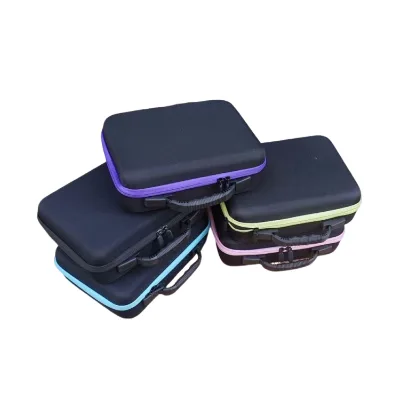
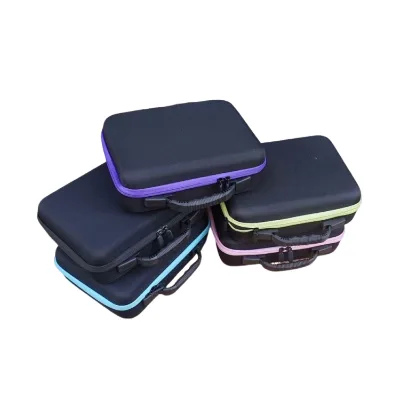
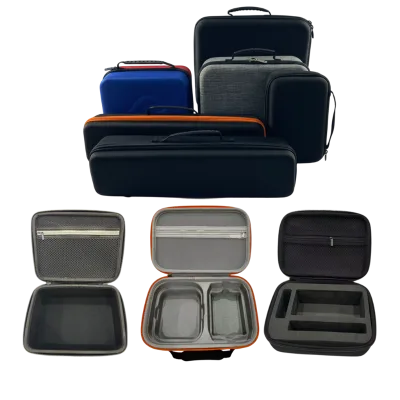
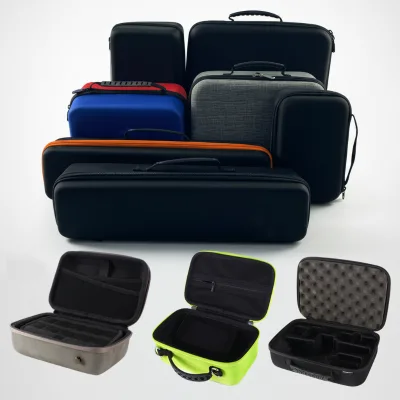
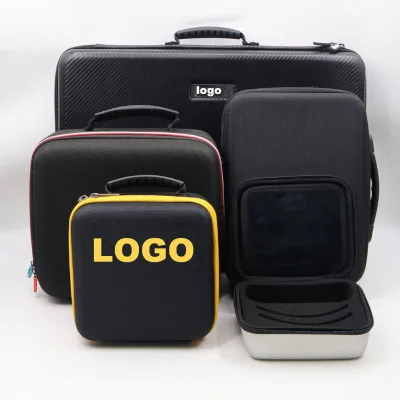
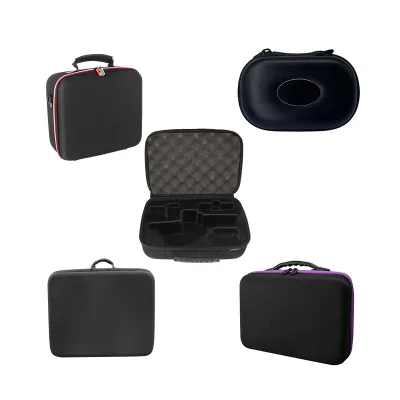


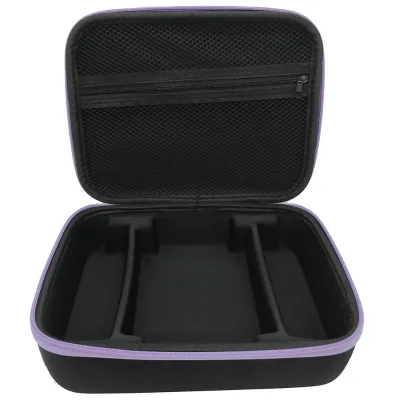
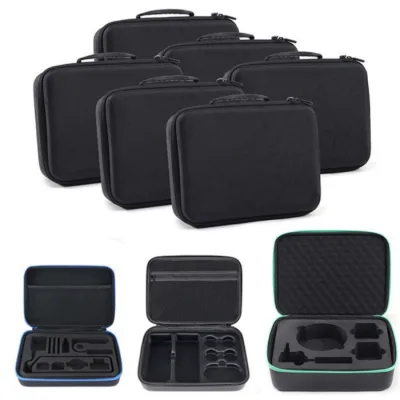
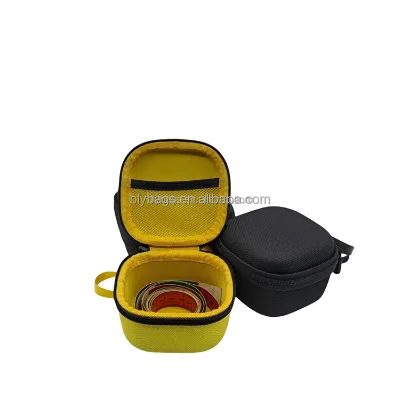


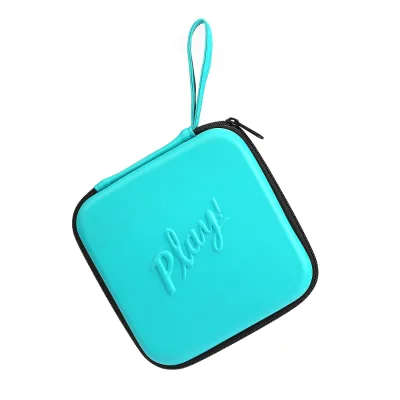
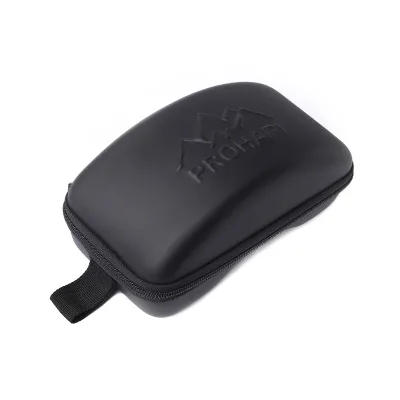
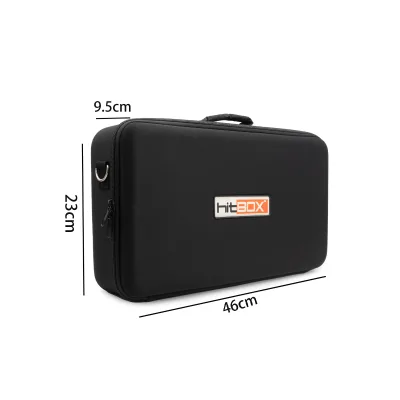
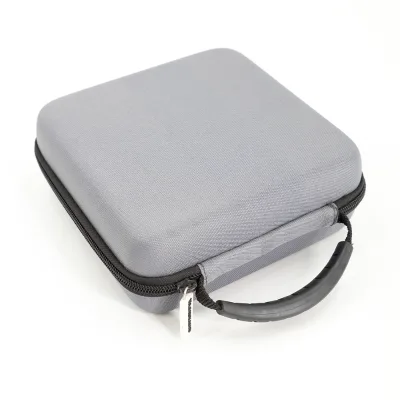
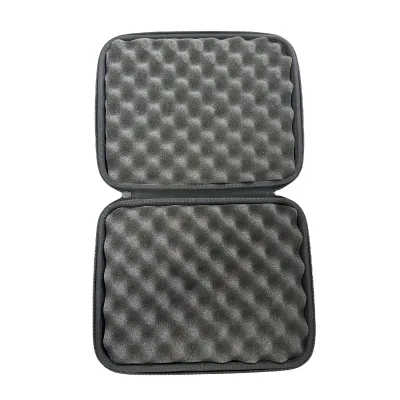
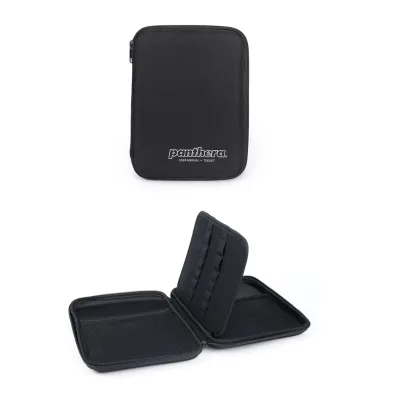
Comprehensive Sourcing Guide
Protective EVA Travel Case Sourcing Guide
The Protective EVA Travel Case market offers a diverse range of storage solutions designed to safeguard tools, electronics, and personal items during transit. Based on observed listings, these cases are frequently constructed from durable materials such as EVA, PU, Nylon, and 1680D fabrics, often featuring a hard or partial hard structure to ensure impact resistance. Buyers should note that while many products are marketed for general travel, specific models are engineered for specialized applications including hardware tools, electrical tools, and car repair equipment, requiring distinct internal configurations and external durability.
Procurement decisions for these cases must account for significant variations in capacity and dimensions, ranging from compact units suitable for USB tools to larger boxes with medium capacity for broader tool sets. The observed product data indicates that features like waterproofing and shockproofing are common but not universal across all listings, necessitating careful verification of specific model attributes. Furthermore, customization options for printing, such as screen printing or embossing, and the ability to adjust sizes suggest that these cases are often produced under OEM or ODM arrangements, allowing buyers to tailor the product to specific branding or functional requirements.
Product Scope and Observed Listing Signals
Buyers must distinguish between cases designed for general travel and those intended for industrial or technical use, as the intended application dictates the necessary structural integrity. Listings indicate that specific models are explicitly categorized for hardware tools, electrical tools, and car repair, implying that internal padding and compartmentalization are critical for these segments. In contrast, other models are marketed for broader applications like travel, home, or outdoor use, where the primary focus may shift toward lightweight portability and aesthetic customization rather than heavy-duty tool protection.
The physical characteristics of the cases vary widely, with observed dimensions ranging from approximately 22.5 cm to 38 cm in length and bearing capacities that can support loads from under 2 kg up to 10 kg. This variance requires buyers to align their specific inventory needs with the correct product model, as a case suitable for small USB accessories may not provide adequate protection for larger power tools. Additionally, the presence of different packing methods, such as OPP bags or polybags, suggests that packaging standards may differ by supplier, which can impact the final presentation and protection of the goods during shipping.
Technical Specifications to Verify
When evaluating technical specifications, the primary focus should be on the material composition and the resulting hardness of the case shell. The supply data highlights the use of EVA, Nylon, and various denier fabrics like 1680D and 600D, which directly influence the case's ability to resist crushing and abrasion. Buyers should verify whether a specific model offers a "hard" or "partial hard" structure, as this distinction determines the level of protection against external impacts and whether the case can maintain its shape under pressure during stacking or rough handling.
Dimensional accuracy and internal capacity are equally critical, as the listed features often specify exact measurements like 20x16x7 cm or 380x270x90 mm. Procurement teams must confirm that the stated size corresponds to the actual internal volume required for the intended tools or items, ensuring that the "medium capacity" or "customized size" claims translate to functional utility. Furthermore, the waterproof and shockproof attributes listed for certain models should be validated through sample testing, as these performance claims are essential for protecting sensitive electronics or tools in adverse environmental conditions.
Compliance and Safety Documentation
While specific certification documents are not universally listed in the provided product data, buyers should request evidence of material safety and environmental compliance, particularly given the mention of eco-friendly materials in some listings. The use of EVA and Nylon fabrics often involves chemical processes, and verifying that the materials meet relevant safety standards for consumer goods is essential to mitigate liability risks. Buyers should inquire about the specific standards applied to the manufacturing process, ensuring that the finished product does not contain hazardous substances that could violate import regulations in target markets.
Documentation regarding the manufacturing origin and quality control processes is also a vital component of the compliance framework. Since many products originate from Guangdong, China, buyers should ensure that the supplier can provide traceability records for the raw materials used, such as the specific grades of EVA or Nylon. Additionally, if the cases are intended for specific industries like automotive repair or electrical work, verifying that the product meets any industry-specific safety requirements for tool storage is necessary to ensure the case does not introduce new hazards during use.
Cost Drivers and Commercial Terms
The cost of protective EVA travel cases is heavily influenced by the complexity of the material mix and the level of customization required. Products featuring multiple material layers, such as EVA combined with PU or high-denier Nylon, generally command higher prices than single-material alternatives. Furthermore, the inclusion of custom features like screen printing, embossing, or tailored internal layouts adds to the production cost, as these processes require additional setup time and specialized labor. Buyers should anticipate that models with specific dimensions or unique bearing capacities may also carry a premium due to the specialized tooling involved.
Commercial terms, including Minimum Order Quantities (MOQ) and lead times, vary significantly across the supply base, with observed MOQs ranging from 100 to 1000 units. The sample time is noted as approximately 7 days for certain models, which can impact the overall project timeline for new product development. Buyers must negotiate clear terms regarding payment schedules and shipping responsibilities, as the weight of the cases, which can range from under 0.5 kg to heavier industrial models, will directly affect freight costs. Understanding these variables is crucial for accurate budgeting and ensuring that the total landed cost aligns with the target retail price.
Supplier Qualification and Quality Control
Supplier qualification should prioritize manufacturers with demonstrated experience in producing tool cases and a history of successful OEM/ODM collaborations. The supply data mentions a supplier with 25 years of experience, indicating that longevity in the industry can be a proxy for reliability and technical expertise. Buyers should verify the supplier's capacity to handle customization requests, such as adjusting sizes or applying specific branding, as this flexibility is often a key differentiator in the protective case market. Additionally, assessing the supplier's quality control protocols for material consistency and assembly precision is essential to prevent defects in the final product.
Quality control checks must extend beyond visual inspection to include functional testing of the case's protective capabilities. Buyers should implement a rigorous sampling plan that tests for waterproofing, shock resistance, and the durability of zippers and handles under repeated use. Since the product data indicates varying bearing capacities, it is vital to test the structural integrity of the case under load to ensure it meets the claimed specifications. Establishing a clear acceptance criteria for defects, such as seam separation or material delamination, will help maintain product quality and reduce the risk of returns or customer complaints.
Long-Term Procurement Checks
Sustaining a successful procurement relationship requires regular audits of the supplier's production capabilities and adherence to agreed-upon specifications over time. As product designs evolve or market demands shift, the supplier must demonstrate the ability to maintain consistent quality while adapting to new customization requests or material changes. Buyers should schedule periodic reviews to assess the supplier's performance against key metrics such as on-time delivery, defect rates, and responsiveness to quality issues. This proactive approach ensures that the supply chain remains resilient and capable of meeting future volume requirements without compromising product integrity.
Long-term checks should also include monitoring the stability of the raw material supply chain, particularly for specialized fabrics and EVA compounds. Fluctuations in material availability or quality can impact the final product's performance, so maintaining open communication with the supplier regarding their sourcing strategies is essential. Additionally, buyers should periodically re-evaluate the cost structure to ensure that pricing remains competitive and reflective of current market conditions. By maintaining a dynamic and collaborative relationship, buyers can secure a reliable source of high-quality protective EVA travel cases that continue to meet their evolving business needs.
FAQs
What materials are used in these protective cases?
The cases utilize durable materials including EVA, PU, Nylon, and various fabrics like 1680D and 600D. Some models feature eco-friendly materials or specific combinations like EVA and nylon fabric. These materials ensure the cases are waterproof, shockproof, and suitable for protecting hardware, electrical, and USB tools during travel or storage.
Can I customize the size and branding of the case?
Yes, customization is available for both size and branding. You can request customized sizes and standard options like medium capacity. Branding options include screen printing and embossing. The product standard is customized, and OEM/ODM services are warmly welcomed to meet specific business requirements for tool storage solutions.
What is the typical bearing capacity of these cases?
The bearing capacity varies by model, ranging from under 2 kg to 3-10 kg. Specific models are designed to hold lighter items under 2 kg, while others support heavier loads up to 10 kg. This flexibility allows users to select the appropriate case based on the weight of the tools or equipment they intend to carry.
Are these cases suitable for outdoor and travel use?
Yes, these cases are designed for travel, home, car, and outdoor applications. They feature waterproof and shockproof attributes to protect contents in various environments. The unisex design and compact dimensions make them ideal for carrying hardware, hand tools, and electrical tools safely during outdoor activities or daily commutes.
What are the packaging and origin details for these products?
The products originate from Guangdong, China, with some specific models noted as coming from China generally. Packaging options include OPP bags and polybags. The gross weight is typically under 0.5 kg, and single package sizes vary, such as 23x25x18 cm, ensuring efficient shipping and storage for bulk orders.
How long is the sample time for custom orders?
The sample time is typically 7 days for custom orders. This allows buyers to review the quality and specifications before committing to larger production runs. With 25 years of experience, suppliers can efficiently produce samples that meet the requested customization standards, including specific materials, sizes, and branding requirements.