Source Radial Tubeless Tyre for Dump Trucks, Loaders, and Cranes
Find 30 Radial Tubeless Tyre options for heavy-duty applications including dump trucks, loaders, and cranes. Compare specifications such as 315/80R22.5 sizes, 18PR ratings, and certifications like DOT and ISO9001 to identify suitable suppliers for your machinery needs.
Key considerations
Products List


400/60-15.5 Tire Agricultural Tire Price 400/60-15.5 Agricultural Tire
$90.13 - $292.52
MOQ: 30 Pieces


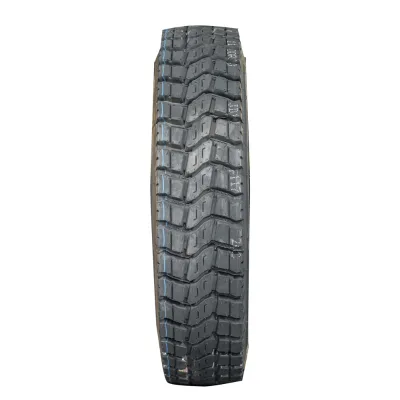
Premium Tire, All Steel Radial Tyre From China, Tubeless Tire (12.00R22.5, 315/80R22.5)
$100.00 - $150.00
MOQ: 50 Pieces


$1000.00 - $1500.00
MOQ: 8 Pieces




Comprehensive Sourcing Guide
Radial Tubeless Tyre Sourcing Guide
Sourcing radial tubeless tyres requires a disciplined approach to distinguishing between general truck applications and specialized industrial uses, as the supply chain often aggregates diverse product lines under a single listing. Buyers must first verify the specific tyre structure, noting that high-confidence data confirms the availability of all-steel radial constructions designed for heavy-duty environments. This distinction is critical because the structural integrity of an all-steel radial differs significantly from bias-belted alternatives, directly impacting load-bearing capacity and durability in sectors like construction and logistics.
The procurement strategy must also account for the variability in product origins and standardization, with observed listings indicating production centers in Shandong, China, including specific hubs like Weifang. While the core keyword focuses on radial tubeless technology, the market data reveals a complex mix of specifications ranging from standard truck sizes like 315/80R22.5 to specialized industrial dimensions such as 400/60-15.5 and 30.5L-32. A successful sourcing campaign begins by narrowing the search to the exact operational context, ensuring the selected tyre matches the intended vehicle class, whether it is a steer drive trailer, a crane, or a loader, rather than assuming a universal fit across all listed models.
Product Scope and Observed Listing Signals
Buyers should analyze the observed price range of 4.99 to 1500 USD as a signal of extreme product diversity rather than a uniform market rate for a single tyre type. This wide variance typically reflects the difference between standard commercial truck tyres and heavy-duty industrial or off-road tyres, where the latter commands a premium due to specialized rubber compounds and reinforced steel structures. Understanding this spectrum is essential for budgeting, as a low-cost listing may correspond to a smaller size or a different application entirely, while the higher end of the range likely covers robust, all-steel radial units designed for demanding off-road conditions.
The minimum order quantity (MOQ) observed between 1 and 500 units further indicates a flexible supply chain capable of serving both small fleet replacements and large-scale industrial procurement. However, the presence of customization options suggests that buyers should not rely solely on standard catalog sizes if their fleet has unique requirements. The data confirms that customization is available, allowing for tailored tread patterns or specific dimensions, but this flexibility often comes with adjusted lead times and potentially higher unit costs, requiring a clear definition of needs before engaging with suppliers.
Technical Specifications to Verify
Verification of the tyre structure is the primary technical step, as the supplied facts explicitly confirm the availability of all-steel radial designs alongside bias-belted alternatives. Buyers must ensure the specific unit they are purchasing matches the "All Steel Radial" attribute, as this construction is fundamental to the performance expectations of modern heavy-duty transport. Confusion between radial and bias-belted designs can lead to premature failure, particularly in applications requiring high stability and heat dissipation, making the confirmation of the tyre structure a non-negotiable step in the technical review process.
Beyond the structural composition, the main size and tread pattern must align with the specific vehicle position and terrain. The data highlights the 315/80R22.5 size as a primary specification, but also lists other critical dimensions like 11R22.5, 12R22.5, and 295/80R22.5, alongside industrial sizes such as 1200R20 and 23.5R25. Buyers must cross-reference these sizes with their vehicle's axle load and rim compatibility, while also verifying the tread pattern, which ranges from cross-country designs for off-road use to transverse patterns for varied surfaces. The position of the tyre, whether for steer, drive, or trailer axles, dictates the necessary tread design and ply rating, such as the observed 18-ply rating, to ensure optimal performance and safety.
Compliance and Safety Documentation
Navigating the certification landscape requires careful attention to the specific regulatory bodies relevant to the target market, as the observed listings include a broad array of approvals such as DOT, ECE, ISO9001, and CCC. The presence of multiple certifications like GSO, DOT, and ECE suggests that suppliers are capable of meeting diverse international standards, but buyers must verify that the specific batch of tyres carries the certification valid for their region of operation. Relying on a general claim of compliance without checking the specific certificate for the ordered model can result in customs delays or legal liabilities, especially in markets with strict safety mandates.
Safety documentation must also extend to the manufacturing standards and testing protocols employed by the supplier. The available data indicates that tyres undergo rigorous testing, including X-ray tests, dynamic balance checks, and static balance verification, which are critical for ensuring the structural integrity and roadworthiness of the final product. Buyers should request test reports or quality assurance certificates that confirm these specific procedures were followed for the ordered lot, as these tests are the primary defense against defects like internal separations or imbalance that could lead to catastrophic failure during operation.
Cost Drivers and Commercial Terms
The commercial terms for radial tubeless tyres are heavily influenced by the complexity of the product, with lead times typically ranging from 10 to 15 days after the receipt of a deposit. This delivery window is a standard expectation for custom or semi-custom orders, but buyers should be aware that larger quantities or highly specialized sizes may extend this timeline. Understanding the deposit structure and the specific delivery conditions is vital for supply chain planning, as delays in the initial payment or specification confirmation can cascade into significant operational disruptions for fleet managers.
Pricing and packaging are also key cost drivers that require explicit negotiation. The observed data mentions standard exporting packing and the possibility of custom packaging requests, which can impact the overall landed cost due to additional handling or material fees. Furthermore, the raw material composition, specifically the blend of nature rubber and steel, plays a significant role in the base price, as fluctuations in global rubber and steel markets can affect the final unit cost. Buyers should seek transparent pricing that accounts for these material variables and clearly defines the scope of the "Standard Export Packing" to avoid unexpected charges upon delivery.
Supplier Qualification and Quality Control
Supplier qualification should focus on the consistency of their quality control processes and their ability to provide after-sales support. The observed listings highlight attributes such as "Exceptional" quality and services like online support, which are indicators of a supplier's commitment to long-term reliability. However, buyers must verify these claims through independent audits or by requesting references from existing clients, as the "Exceptional" label is a subjective observation rather than a guaranteed standard for every unit produced.
Quality control extends to the verification of the supplier's production standards and their adherence to the specified models. The data shows a variety of standards, including specific model numbers like 315/80R22.5 and 400/60-15.5, which suggests that suppliers may operate multiple production lines with varying quality outputs. Buyers should insist on a pre-shipment inspection protocol that validates the physical attributes of the tyres, such as the tread pattern depth, ply rating, and overall dimensions, against the agreed-upon specifications to ensure that the delivered goods match the technical requirements of the procurement order.
Long-Term Procurement Checks
Establishing a long-term procurement relationship requires a focus on the supplier's ability to maintain consistent product availability and adapt to changing market demands. The observed data indicates a wide range of popular markets and applications, from cranes and loaders to dump trucks and graders, suggesting that a robust supplier should have the capacity to scale production and manage diverse inventory levels. Buyers should assess the supplier's track record in maintaining stock of critical sizes and their responsiveness to urgent replenishment needs to ensure uninterrupted fleet operations.
Finally, long-term success depends on the supplier's commitment to continuous improvement and innovation in tyre design and manufacturing. The availability of customization and the range of tread patterns, such as the cross-country and transverse options, demonstrate a supplier's flexibility, but buyers should also evaluate their investment in research and development. Regular reviews of the tyre's performance in the field, combined with feedback loops to the supplier, can help identify areas for improvement and ensure that the procurement strategy evolves alongside the technological advancements in the Radial Tubeless Tyre industry.
FAQs
What certifications do Havstone radial tubeless tyres hold?
Havstone tyres hold multiple certifications including GSO, DOT, ISO9001, ECE, CCC, and CE. These standards ensure compliance with international safety and quality requirements for truck tyres used in various global markets.
Which tyre sizes are available for this radial tubeless product?
The main size is 315/80R22.5, with other options like 11R22.5, 12R22.5, and 295/80R22.5. Additional sizes include 1200R20, 1400R25, and 23.5R25 for different vehicle applications.
Can I request custom packaging for these truck tyres?
Yes, customization is available including standard exporting packing or specific customer requests. The tyres are packed in standard export packages to ensure safe delivery during international shipping.
What is the lead time for ordering these radial tyres?
Delivery occurs within 10 to 15 days after receiving the deposit. This timeframe applies to orders placed with suppliers located in Shandong, China, for new condition tyres.
Which industries can use these radial tubeless truck tyres?
These tyres are suitable for machinery repair shops and vehicles like cranes, loaders, dump trucks, and graders. They are designed for steer, drive, and trailer positions on and off-road.
What materials are used to construct these radial tyres?
The tyres are constructed from nature rubber and steel to ensure strength and durability. This composition supports their classification as radial tyres with a strong and sturdy design for heavy-duty use.