Source Radiation Protection Lead Bricks for Medical, Industrial, and Chemical Uses
Explore 23 Radiation Protection Lead Bricks with varying thicknesses and dimensions. Compare purity levels, packaging options, and delivery times to find the right material for your shielding requirements in medical, industrial, and chemical applications; compare the available evidence and request quotations based on your requirements.
Key considerations
Products List





Comprehensive Sourcing Guide
Radiation Protection Lead Bricks Sourcing Guide
Procuring Radiation Protection Lead Bricks requires a precise understanding of the specific shielding requirements for medical and industrial facilities. Buyers must distinguish between standard rectangular blocks and specialized interlock designs that ensure seamless coverage in complex architectural layouts. The observed market offers products with varying purity levels, where high-grade materials are essential for effective attenuation of X-rays and gamma rays in clinical environments.
Selection criteria should prioritize the physical dimensions and density specifications that match the intended radiation source intensity. While some listings indicate standard sizes, many suppliers offer customized thickness and width options to fit unique structural constraints. It is critical to verify that the lead content meets the minimum purity thresholds, as impurities can compromise the shielding integrity and safety of the installation.
Product Scope and Observed Listing Signals
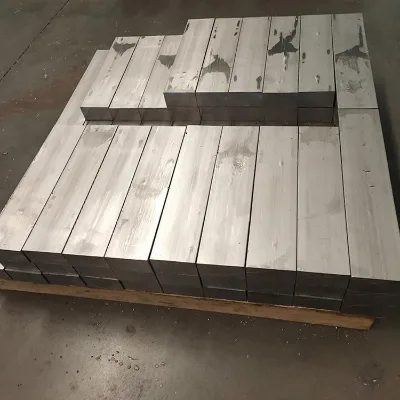
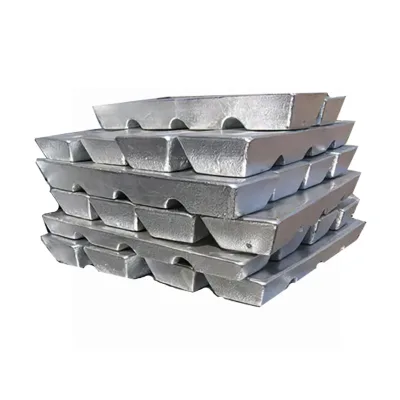
The available product range includes lead bricks, sheets, and ingots, with shapes ranging from square and rectangular to specialized interlock configurations. Listings frequently highlight applications in chemical, medical, industrial, and electronics sectors, indicating versatility in handling different radiation hazards. Buyers should note that while some products are described as non-alloy, others may be categorized under specific alloy types depending on the manufacturer's formulation.
Observations of the market reveal a wide spectrum of packaging options, from standard sea-worthy packages secured with belts to custom wooden cases. The physical attributes often include specific density values around 11.34 g/cm³, which is a key indicator of material quality. Procurement teams must carefully review the listed dimensions, as widths can vary significantly from 10mm to over 2000mm, and lengths are often customizable to project needs.
Technical Specifications to Verify
Verification of the lead content is the primary technical step, with many suppliers claiming purity levels exceeding 99.99% or specifically 99.994%. Buyers must confirm that the elongation properties meet the required flexibility standards, typically observed at 35% or higher, to ensure the material can be cut and fitted without cracking. The chemical composition should be strictly verified as pure lead (Pb) to avoid contamination that could affect the shielding performance.
Dimensional accuracy is equally critical, with thickness ranges often spanning from 0.5mm to 500mm depending on the specific application. Widths are frequently customizable, ranging from 500mm to 2000mm, allowing for tailored solutions in large-scale installations. Procurement specialists should request detailed dimension sheets to ensure the bricks will interlock correctly and provide the necessary coverage without gaps in the radiation barrier.
Compliance and Safety Documentation
Compliance with international standards is a non-negotiable aspect of sourcing radiation protection materials, with observed listings referencing AISI, ASTM, BS, DIN, GB, and JIS standards. Buyers must ensure that the supplier can provide documentation proving adherence to these specific codes, as they govern the material's structural integrity and safety performance. The absence of such documentation may indicate a product that does not meet the rigorous safety requirements for medical or industrial use.
Safety documentation should also include details on the product's origin and manufacturing processes, particularly regarding the use of non-secondary materials. It is essential to verify that the lead bricks are produced in facilities that adhere to environmental and safety regulations, as the handling of lead requires strict protocols. Buyers should request certificates of analysis to confirm the chemical composition and ensure the product is free from harmful impurities.
Cost Drivers and Commercial Terms
The cost of Radiation Protection Lead Bricks is heavily influenced by the purity of the lead and the complexity of the customization required. Higher purity levels, such as 99.994%, typically command a premium price, while standard grades may be more cost-effective for less critical applications. Buyers should be aware that the minimum order quantity can vary significantly, with some suppliers requiring orders as low as one unit while others mandate bulk purchases of two tons or more.
Commercial terms often include specific delivery timelines, with lead times ranging from 5 to 15 days after the receipt of a deposit. Packaging costs can also impact the final price, as specialized wooden cases or custom sea-worthy packaging may incur additional charges. Procurement teams must negotiate clear terms regarding payment schedules and shipping responsibilities to avoid unexpected costs that could affect the overall project budget.
Supplier Qualification and Quality Control
Supplier qualification involves verifying the location of manufacturing facilities, with many observed listings indicating origins in Shandong, China. Buyers should assess the supplier's capacity to handle custom orders, as the ability to provide customized thickness, width, and shape is a key differentiator in the market. It is also important to evaluate the supplier's track record in delivering products that meet the specified standards and purity requirements consistently.
Quality control measures should include rigorous testing of the lead bricks for density, purity, and dimensional accuracy before shipment. Buyers should inquire about the supplier's internal quality assurance processes and whether they conduct third-party testing to validate product specifications. Establishing a clear communication channel for addressing any quality issues post-delivery is essential, as the long-term performance of the shielding depends on the initial quality of the materials.
Long-Term Procurement Checks
Long-term procurement strategies should focus on the durability and maintenance requirements of the lead bricks over their operational lifespan. Buyers must consider the after-sales service provisions, such as the one-year warranty often observed in listings, to ensure support in case of defects or performance issues. Regular inspections of the installed shielding are necessary to detect any signs of wear or damage that could compromise the radiation protection.
Sourcing teams should also plan for potential future expansions or modifications to the radiation shielding infrastructure. Maintaining a relationship with a reliable supplier who can provide consistent quality and timely delivery is crucial for managing these long-term needs. It is advisable to establish a protocol for periodic re-evaluation of the supplier's performance and the market's evolving standards to ensure continued compliance and safety.
FAQs
What is the purity of the lead bricks available?
The lead bricks feature a purity of 99.994% or higher, ensuring high density and effective radiation shielding. This material meets strict standards like AISI and ASTM for medical and chemical applications. Customization options allow buyers to specify exact dimensions and shapes to fit unique facility requirements.
Can I customize the dimensions of the lead bricks?
Yes, customization is available for thickness, width, and length to suit specific installation needs. Buyers can request sizes ranging from 0.5mm to 500mm in thickness and various widths. The supplier offers tailored solutions including interlock shapes and specific brick models to ensure a perfect fit.
What is the minimum order quantity for these lead bricks?
The minimum order quantity is typically two tons for bulk purchases of lead bricks. This requirement ensures efficient shipping and cost-effectiveness for industrial clients. Buyers should contact the supplier directly to confirm current stock levels and specific MOQ adjustments for custom orders.
How long does delivery take after placing an order?
Delivery usually takes between five to fifteen days after receiving the deposit. This lead time depends on the order size and specific customization requirements. The supplier ships using sea-worthy packages or wooden cases to ensure the bricks arrive safely at the destination.
Which standards do the lead bricks comply with?
The products comply with major international standards including AISI, ASTM, BS, GB, DIN, and JIS. These certifications ensure the lead bricks meet rigorous quality and safety requirements for medical and industrial use. Buyers can also request customized standards to match specific project regulations.
What packaging options are provided for the lead bricks?
Packaging options include cartons, trays, wooden cases, or standard sea-worthy packages secured with belts. The supplier ensures safe transport by fixing the bricks firmly within the containers. Custom packaging is available to meet specific logistical needs or destination port requirements.
Where are the lead bricks manufactured?
The lead bricks are manufactured in Shandong, China, a region known for its industrial capabilities. This location allows for efficient production and logistics management for global shipments. Buyers can verify the origin and request factory audits to ensure quality control standards are met.
What is the density of the lead bricks used?
The density of the lead bricks is approximately 11.34 grams per cubic centimeter, providing excellent radiation attenuation. This high density is achieved using pure lead material with a purity of 99.994%. The consistent density ensures reliable performance in medical and industrial shielding applications.