Source Rapid Salmonella Test Detection Card for Home Hospital Screening
Compare 30 Rapid Salmonella Test Detection Card options from verified Chinese suppliers. Buyers can evaluate specifications like assay time, accuracy, and packaging for home, hospital, and screening applications. These kits utilize colloidal gold methods for early detection in feces or cloaca secretions with a shelf life of two years.
Key considerations
Products List
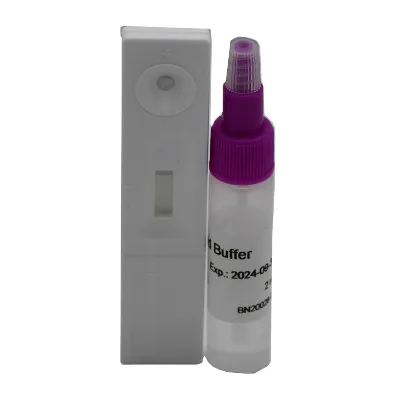
Salmonella Antigen Rapid Test Kit Salmonella Ag Test Antigen Rapid Test
$0.68 - $1.00
MOQ: 1000 pieces


Salmonella Test Kit Poultry Salmonella Spp. Antigen Rapid Diagnostic Test
$0.01 - $20.00
MOQ: 300 Test


Veterinary Diagnosis Pet Reptile Bearded Dragon Salmonella Antigen Rapid Test Kit
$0.01 - $20.00
MOQ: 300 Pieces




Comprehensive Sourcing Guide
Rapid Salmonella Test Detection Card Sourcing Guide
Procuring rapid salmonella test detection cards requires a disciplined approach to verifying diagnostic accuracy and supply chain reliability. These devices are primarily designed for the early detection of Salmonella in specific biological specimens, such as feces or secretions from the cloaca, making them critical for both home and hospital settings. Buyers must understand that while the format is often a simple strip or card, the underlying technology relies on colloidal gold immunochromatography to deliver results within five to ten minutes. This speed is essential for screening operations where time-sensitive decisions impact health outcomes or operational continuity.
The market presents a wide array of options, with observed listing prices ranging from $0.01 to $31.97 USD and minimum order quantities varying significantly from 10 to 10,000 units. This variance suggests a fragmented supplier base offering everything from basic single-item purchases to bulk industrial supplies. Sourcing teams must navigate this diversity by focusing on the specific model numbers and material compositions, such as medical-grade ABS plastic or standard plastic casings, to ensure the product meets the intended usage environment. Understanding these baseline commercial signals is the first step in filtering viable suppliers from those who may not meet strict quality or volume requirements.
Product Scope and Observed Listing Signals
The product scope for rapid salmonella test detection cards centers on in vitro diagnostic reagents that utilize a colloidal gold method for visual or machine-assisted reading. Listings frequently describe the product as a detection card or strip, with formats including a single pouch, a bottle, or a carton pack containing twenty pieces. The physical attributes, such as a single gross weight of 0.030 kg and dimensions like 16x12x6 cm for individual packages, indicate lightweight, portable devices suitable for easy storage and distribution. Buyers should note that the power source is listed as "no," confirming these are standalone chemical tests that do not require external electricity or complex machinery to operate.
Observed listing signals reveal a strong emphasis on rapidity and ease of use, with reaction times cited as short as five to ten seconds for initial interaction, though assay times may extend to five to ten minutes for full result development. The color of the device is typically white, and the application is explicitly stated for home and hospital use, suggesting a dual-market appeal for both professional diagnostic labs and consumer self-testing. Suppliers often highlight features like early detection capabilities and online technical support, which are crucial for maintaining user confidence. However, buyers must verify if the "free sample" offers are genuine and if the customization options allow for private labeling or specific packaging requirements.
Technical Specifications to Verify
Technical verification must begin with the assay methodology and specimen compatibility. The core technology is identified as a colloidal gold rapid test, which provides a visual readout that can be interpreted by eye or with a dedicated machine. Buyers need to confirm the exact specimen type accepted, as listings mention both feces and secretions from the cloaca, which may require different sample preparation protocols. The accuracy is claimed to be 99.7%, a figure that requires independent validation through clinical studies or third-party testing reports before large-scale procurement. It is essential to ensure that the test kit’s sensitivity and specificity align with the regulatory standards of the destination market, as these metrics directly impact diagnostic reliability.
Storage and shelf-life parameters are critical for inventory management and product efficacy. The observed shelf life is two years, and the recommended storage temperature is room temperature, specifically between 4 and 30 degrees Celsius. This broad temperature range simplifies logistics but requires buyers to ensure that their storage facilities maintain stable conditions to prevent degradation of the reagents. The model numbers, such as SAL-622 or EC-SALMONELLA, should be cross-referenced with the manufacturer’s technical datasheets to confirm compatibility with existing laboratory workflows. Additionally, the package format, whether it is a single pouch, bottle, or carton, must be evaluated for its ability to protect the test strips from moisture and light during transit and storage.
Compliance and Safety Documentation
Compliance documentation is non-negotiable for in vitro diagnostic reagents, particularly those classified as Class II medical devices. Buyers must verify that the supplier holds valid CE certification and ISO quality certifications, as these are frequently cited in product listings. The presence of these certifications indicates that the manufacturing process adheres to European and international quality management standards, which is a baseline requirement for many global markets. However, certification alone is not sufficient; procurement teams should request copies of the certificates and verify their validity through the issuing bodies to ensure they are current and cover the specific model numbers being purchased.
Safety and regulatory alignment extend beyond basic certifications to include proper labeling and usage instructions. The product is labeled as a vitro diagnostic reagent, and the packaging must clearly indicate the intended use, storage conditions, and expiration dates. Buyers should ensure that the supplier provides comprehensive user manuals in the required languages, detailing the step-by-step procedure for sample collection and result interpretation. The warranty terms, which vary from lifetime to three years, should be clearly defined in the contract, outlining the responsibilities for defective products or batch failures. Understanding the regulatory landscape of the target market is essential to avoid customs delays or product recalls due to non-compliance.
Cost Drivers and Commercial Terms
Cost drivers for rapid salmonella test detection cards include the complexity of the colloidal gold assay, the quality of raw materials like medical-grade ABS plastic, and the scale of production. The observed price range of $0.01 to $31.97 USD reflects significant variation based on packaging, quantity, and included services. Buyers must analyze the total cost of ownership, which includes shipping, handling, and potential tariffs, rather than focusing solely on the unit price. Minimum order quantities ranging from 10 to 10,000 units allow for flexibility, but larger orders may offer better economies of scale. It is crucial to negotiate clear pricing tiers that reflect volume commitments without compromising on quality or delivery timelines.
Commercial terms such as delivery time and after-sales support play a significant role in the overall procurement strategy. The observed delivery time of three to five days suggests a responsive supply chain, but buyers should confirm if this applies to stock items or requires production lead time. After-sale services, including online technical support, are valuable for troubleshooting issues during testing. Buyers should also clarify the terms for free samples, ensuring that they are representative of the bulk order and not diluted or expired. Payment terms, return policies, and liability clauses should be explicitly stated in the contract to protect against financial losses due to supply chain disruptions or product defects.
Supplier Qualification and Quality Control
Supplier qualification requires a thorough assessment of manufacturing capabilities and quality control processes. Buyers should verify the place of origin, which is often Zhejiang, China, and investigate the supplier’s production capacity and history. It is essential to request evidence of consistent quality, such as batch-to-batch testing records and internal quality assurance protocols. The supplier should demonstrate a robust system for tracking and tracing products, which is critical for managing recalls or investigating adverse events. Engaging with suppliers who offer customization options can also indicate a higher level of operational flexibility and customer focus.
Quality control measures must extend to the packaging and labeling process to ensure product integrity. The packaging, whether it is a single pouch, bottle, or carton, must be designed to protect the test strips from environmental factors such as humidity and temperature fluctuations. Buyers should inspect sample packages for durability and clarity of labeling, including expiration dates and storage instructions. Additionally, suppliers should provide certificates of analysis for each batch, confirming that the product meets the specified accuracy and performance standards. Establishing a clear communication channel for quality issues and implementing regular audits can help maintain high standards and build a reliable supply relationship.
Long-Term Procurement Checks
Long-term procurement checks involve continuous monitoring of product performance and supplier reliability. Buyers should establish key performance indicators, such as defect rates, delivery punctuality, and customer satisfaction scores, to evaluate supplier performance over time. Regular reviews of the product’s shelf life and storage requirements can help optimize inventory levels and reduce waste. It is also important to stay updated on regulatory changes and industry standards that may impact the product’s classification or usage requirements. Proactive engagement with the supplier to discuss potential improvements or new product developments can foster a collaborative partnership and ensure long-term supply stability.
Feedback loops from end-users, whether in home or hospital settings, are invaluable for identifying potential issues or areas for improvement. Buyers should collect and analyze this feedback to inform future purchasing decisions and negotiate better terms with the supplier. Additionally, maintaining a diversified supplier base can mitigate risks associated with single-source dependencies. Regularly reassessing the cost structure and commercial terms ensures that the procurement strategy remains competitive and aligned with organizational goals. By implementing these long-term checks, buyers can ensure a sustainable and reliable supply of rapid salmonella test detection cards.
FAQs
What is the assay time for the Rapid Salmonella Test Detection Card?
The assay time is 5-10 minutes for the Rapid Salmonella Test Detection Card. This quick turnaround allows for efficient screening of feces or cloacal secretions. The colloidal gold method provides results without complex equipment, making it suitable for both home and hospital settings. Users can read outcomes by eye or machine, ensuring reliable early detection of Salmonella in samples.
Can the Rapid Salmonella Test Detection Card be used at home?
Yes, the Rapid Salmonella Test Detection Card can be used at home or in hospitals. It is designed as a vitro diagnostic reagent for early detection. The kit requires no power source and operates at room temperature between 4-30 degrees. This portability and ease of use make it ideal for quick screening of feces or secretions without needing specialized laboratory infrastructure.
What certifications does the Rapid Salmonella Test Detection Card hold?
The Rapid Salmonella Test Detection Card holds CE and ISO quality certifications. These standards ensure the product meets rigorous safety and performance requirements for in vitro diagnostics. The medical-grade ABS plastic construction supports reliable usage. Buyers can trust the certification for compliance in various markets, ensuring the diagnostic tool is suitable for professional and home screening applications.
How is the Rapid Salmonella Test Detection Card packaged?
The Rapid Salmonella Test Detection Card is packaged in single pouches within cartons or bottles with cartons. Each box typically contains 20 pieces. The single package size is 16x12x6 cm, and the gross weight is 0.030 kg. This compact packaging facilitates easy storage and transport, ensuring the reagents remain stable and protected until use for Salmonella testing.
What is the shelf life of the Rapid Salmonella Test Detection Card?
The shelf life of the Rapid Salmonella Test Detection Card is 2 years. This duration ensures the reagents remain effective for early detection when stored at room temperature. The product is manufactured in Zhejiang, China, and offers online technical support. Buyers can rely on this stability for inventory management, knowing the kits maintain accuracy for feces or secretions testing over time.
Which specimen types are compatible with the Rapid Salmonella Test Detection Card?
The Rapid Salmonella Test Detection Card is compatible with feces and secretions from the cloaca. It serves as a vitro diagnostic reagent for Salmonella detection. The colloidal gold method allows for rapid screening without complex preparation. This versatility makes the card suitable for various applications, including home use and hospital settings, ensuring accurate results from different biological sample types.