Source Customized Feline Test Kit for Vet Clinics, Shelters, and Labs
Find a Customized Feline Test Kit from 30 verified suppliers. Compare options for FeLV/FIV, FCV, and heartworm detection. Evaluate MOQs, lead times, and OEM availability to select the right diagnostic solution for your veterinary needs; compare the available evidence and request quotations based on your requirements.
Key considerations
Products List


Pet diseases diagnostic rapid test cats dogs feline canine Feline Ehrlichia test
$2.30 - $2.50
MOQ: 200 piece


Veterinary Rapid Test Feline Leukemia Diagnosis Cat Felv AG Rapid Test Kit
$0.01 - $20.00
MOQ: 300 Test


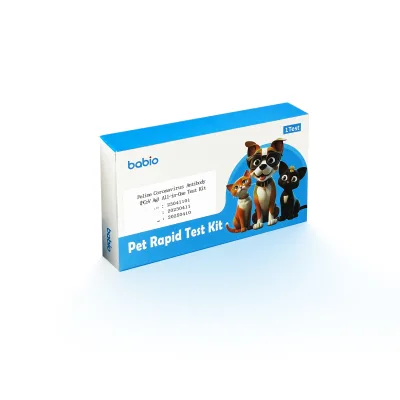
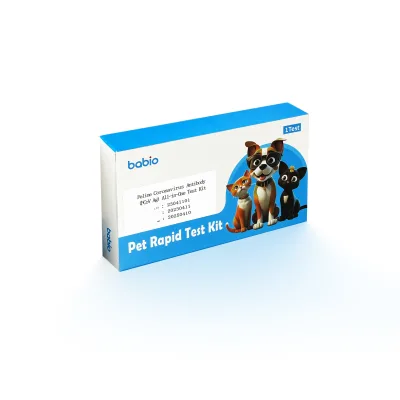


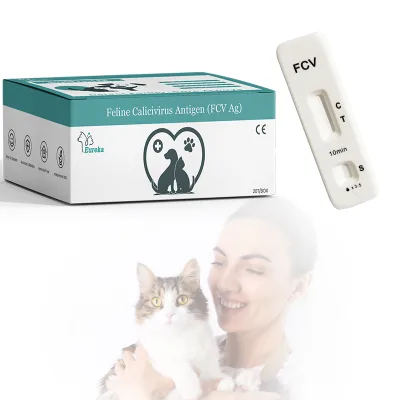
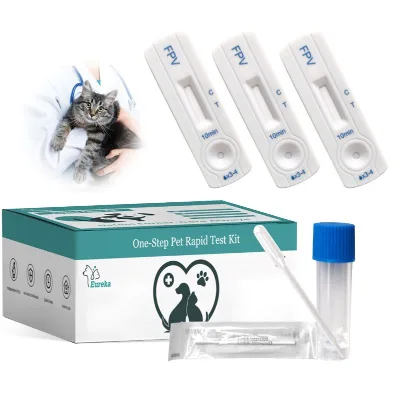
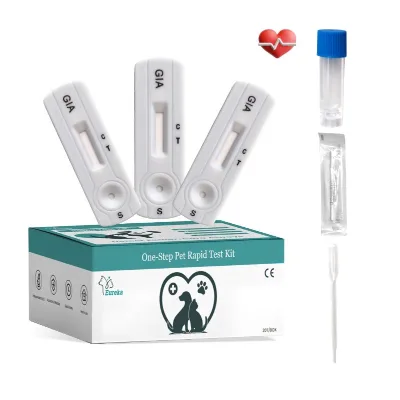
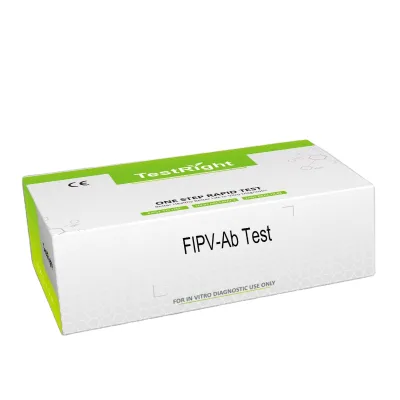
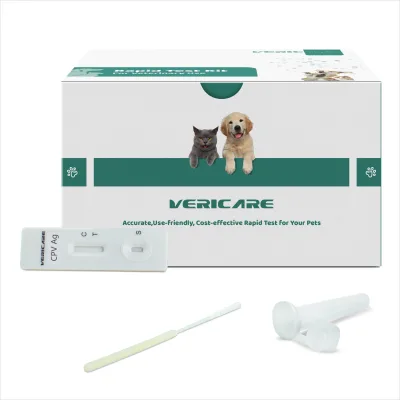
Comprehensive Sourcing Guide
Customized Feline Test Kit Sourcing Guide
Procuring customized feline test kits requires a strategic approach that balances specific diagnostic needs with supply chain reliability. Buyers must first define the exact clinical or research parameters, such as detecting Feline Leukemia Virus (FeLV) or Feline Immunodeficiency Virus (FIV), to ensure the selected platform aligns with their operational goals. The market offers various formats, including cassette and detection card types, which influence both user experience and storage requirements. Understanding these foundational distinctions is critical before engaging with suppliers, as customization options often dictate the final product architecture and performance characteristics.
Beyond the initial product definition, buyers should evaluate the supplier’s capacity for original equipment manufacturing (OEM) and original design manufacturing (ODM). Many manufacturers in China offer flexible customization services, allowing for tailored packaging, branding, and even specific test configurations. This flexibility is particularly valuable for laboratories seeking to streamline workflows or integrate proprietary testing protocols. However, customization also introduces complexity in quality assurance and regulatory compliance, necessitating a thorough vetting process to ensure that modified products meet the same rigorous standards as off-the-shelf alternatives.
Product Scope and Observed Listing Signals
The current market landscape for feline diagnostic reagents reveals a diverse array of product types, primarily centered around In Vitro Diagnostic (IVD) reagents. Listings frequently highlight specific models such as RBV, felv/fiv, and RLN, indicating a broad coverage of common feline health concerns. Buyers will observe variations in packaging specifications, with common configurations including 10 tests per box and bulk carton quantities. These signals suggest that suppliers are equipped to handle both small-scale research orders and larger commercial distribution needs, providing a flexible inventory structure that can adapt to fluctuating demand patterns.
Observations also indicate a strong emphasis on rapid detection methods, with formats ranging from colloidal gold assays to Elisa-based platforms. The presence of products like canine heartworm antigen tests and FCV antigen rapid test kits alongside feline-specific items suggests that many suppliers operate as comprehensive veterinary diagnostic providers. This breadth of offering can simplify procurement by allowing buyers to consolidate orders for multiple species. However, it also requires careful scrutiny to ensure that the specific feline kits meet the intended sensitivity and specificity requirements, as generalist suppliers may not specialize exclusively in feline diagnostics.
Technical Specifications to Verify
When evaluating technical specifications, buyers must prioritize the assay format and specimen type compatibility. Common formats include cassette and detection card designs, which offer ease of use and rapid results, typically within 5 to 10 minutes. It is essential to verify that the chosen format aligns with the laboratory’s workflow and user training capabilities. Additionally, the storage conditions and shelf life are critical technical parameters; many products are designed for room temperature storage with a shelf life of 24 months, which simplifies logistics and reduces waste due to expiration. Confirming these details ensures that the reagents remain stable and effective throughout their intended use period.
Another crucial aspect is the application platform compatibility, which may include Elisa, fluorescence lateral flow (Fla), turbidity, and colloidal gold methods. Buyers should confirm that their existing infrastructure supports the selected platform, particularly if integrating into automated systems. Furthermore, the physical specifications, such as box dimensions and weight per carton, impact shipping costs and storage efficiency. For instance, some products are packed in paper cartons with specific carton dimensions, which can influence logistics planning. Verifying these physical attributes helps in accurate budgeting and warehouse management, ensuring that the procurement process runs smoothly from order placement to final delivery.
Compliance and Safety Documentation
Compliance with international standards is a non-negotiable aspect of sourcing veterinary diagnostic kits. Buyers should verify that suppliers hold relevant certifications, such as ISO 9001 for quality management systems, which indicates a structured approach to manufacturing consistency. While some listings mention ISO 13485 or CE marking, these should be treated as claims requiring independent verification rather than guaranteed facts. Ensuring that the supplier adheres to recognized quality standards helps mitigate risks associated with product variability and ensures that the manufacturing process is robust and repeatable. This due diligence is particularly important for products intended for clinical use, where accuracy and reliability are paramount.
Safety documentation, including material safety data sheets (MSDS) and handling instructions, must also be reviewed. Although many reagents are designed for room temperature storage and simple handling, proper safety protocols are still necessary to protect laboratory personnel. Buyers should ensure that the supplier provides comprehensive documentation on the biological diagnostics classification and any potential hazards associated with the reagents. This includes information on disposal procedures and storage requirements to maintain product integrity. By prioritizing compliance and safety, buyers can protect their organization from regulatory penalties and ensure a safe working environment for their staff.
Cost Drivers and Commercial Terms
Several factors influence the total cost of ownership for customized feline test kits, with minimum order quantities (MOQ) playing a significant role. Observed MOQs range widely, from as low as 10 boxes to 200 pieces, allowing buyers to scale their orders based on immediate needs and budget constraints. Lower MOQs may come with higher per-unit costs, while larger orders often benefit from economies of scale. Buyers should carefully analyze their consumption rates to determine the optimal order size, balancing inventory holding costs against unit price discounts. Understanding these dynamics helps in negotiating favorable terms and managing cash flow effectively.
Payment methods and delivery times are also critical commercial considerations. Common payment options include Telegraphic Transfer (T/T) and PayPal, offering flexibility for different financial arrangements. Delivery lead times typically range from 1 to 10 business days, depending on the product and order size. Buyers should clarify these terms upfront to avoid delays in critical testing operations. Additionally, customization fees, if applicable, should be explicitly stated in the contract to prevent unexpected costs. By understanding the full spectrum of commercial terms, buyers can make informed decisions that align with their financial and operational objectives.
Supplier Qualification and Quality Control
Supplier qualification is a multifaceted process that extends beyond basic certification checks. Buyers should assess the supplier’s production capabilities, including their facility size, equipment modernity, and quality control protocols. A robust quality management system should include rigorous testing of raw materials, in-process checks, and final product verification. Suppliers who offer OEM/ODM services should demonstrate a clear understanding of intellectual property protection and customization workflows. Engaging with suppliers who have a proven track record in veterinary diagnostics can provide additional confidence in their ability to deliver consistent, high-quality products.
Quality control should also encompass post-delivery support and responsiveness to issues. Buyers should inquire about the supplier’s procedures for handling defective products, providing technical support, and managing recalls if necessary. A proactive supplier will offer comprehensive training materials and customer service to assist with any questions or concerns. Establishing a clear communication channel with the supplier ensures that any potential issues are addressed promptly, minimizing disruption to laboratory operations. By prioritizing suppliers with strong quality control and support systems, buyers can build a reliable and resilient supply chain.
Long-Term Procurement Checks
Long-term procurement success depends on continuous monitoring of supplier performance and product consistency. Buyers should establish key performance indicators (KPIs) to track delivery times, product quality, and customer service responsiveness. Regular audits or reviews of the supplier’s quality management system can help identify areas for improvement and ensure ongoing compliance with standards. Additionally, staying informed about regulatory changes in the veterinary diagnostics sector is crucial, as updates may impact product requirements or certification needs. By maintaining a proactive approach to supplier management, buyers can mitigate risks and ensure a steady supply of high-quality feline test kits.
Furthermore, buyers should consider the potential for product innovation and expansion. As diagnostic technologies evolve, suppliers may introduce new tests or improved formats that could enhance laboratory capabilities. Maintaining a collaborative relationship with suppliers can provide early access to these innovations, allowing buyers to stay ahead of industry trends. Regularly reviewing the product portfolio and discussing future needs with the supplier can help in planning for long-term procurement strategies. By fostering a partnership based on mutual growth and continuous improvement, buyers can secure a competitive advantage in their diagnostic services.
FAQs
What customization options are available for feline test kits?
Customization is available for these feline test kits to meet specific buyer requirements. The products support OEM and ODM services, allowing tailored solutions. Buyers can request specific models like felv/fiv or FCV Ag rapid test kits with flexible packaging options such as 10 tests per box.
How long does delivery take for customized feline test kits?
Delivery typically takes between 1 to 7 business days for most orders. Some specific models may require 3 to 7 days or up to 10 days depending on the product type. The lead time is generally short, ensuring quick availability for urgent veterinary diagnostic needs in the global market.
Which certifications do these feline test kits hold?
These kits hold ISO 9001 certification and are classified under Biological Diagnostics standards. The products are manufactured in China and adhere to specific production standards for quality assurance. Buyers can rely on these documented certifications for regulatory compliance when sourcing veterinary diagnostic reagents.
Can I order small quantities of customized feline test kits?
Yes, you can order small quantities as the minimum order quantity starts at 10 boxes for some models. Other variants may have an MOQ of 20 boxes or 50 pieces. Flexible payment methods like T/T and PayPal are accepted to facilitate smaller initial orders for testing purposes.
What is the shelf life of these feline test kits?
The shelf life for these feline test kits is 24 months or 2 years from the date of manufacture. This ensures long-term stability for storage at room temperature. Buyers can plan inventory management effectively knowing the products remain valid for two years under proper storage conditions.
How are these feline test kits packaged for shipment?
Products are packed in boxes containing 10 or 20 tests, with multiple boxes placed in paper cartons. Each carton can hold up to 880 tests and weighs approximately 13.50 kg. The packaging is designed to protect the PVC sheets and detection cards during transit to ensure product integrity.
What payment methods are accepted for these test kits?
Accepted payment methods include T/T and PayPal for secure transactions. These options provide flexibility for international buyers sourcing veterinary diagnostic reagents. The payment terms are straightforward, allowing buyers to complete purchases efficiently without complex financial arrangements or additional fees.